In real rooms

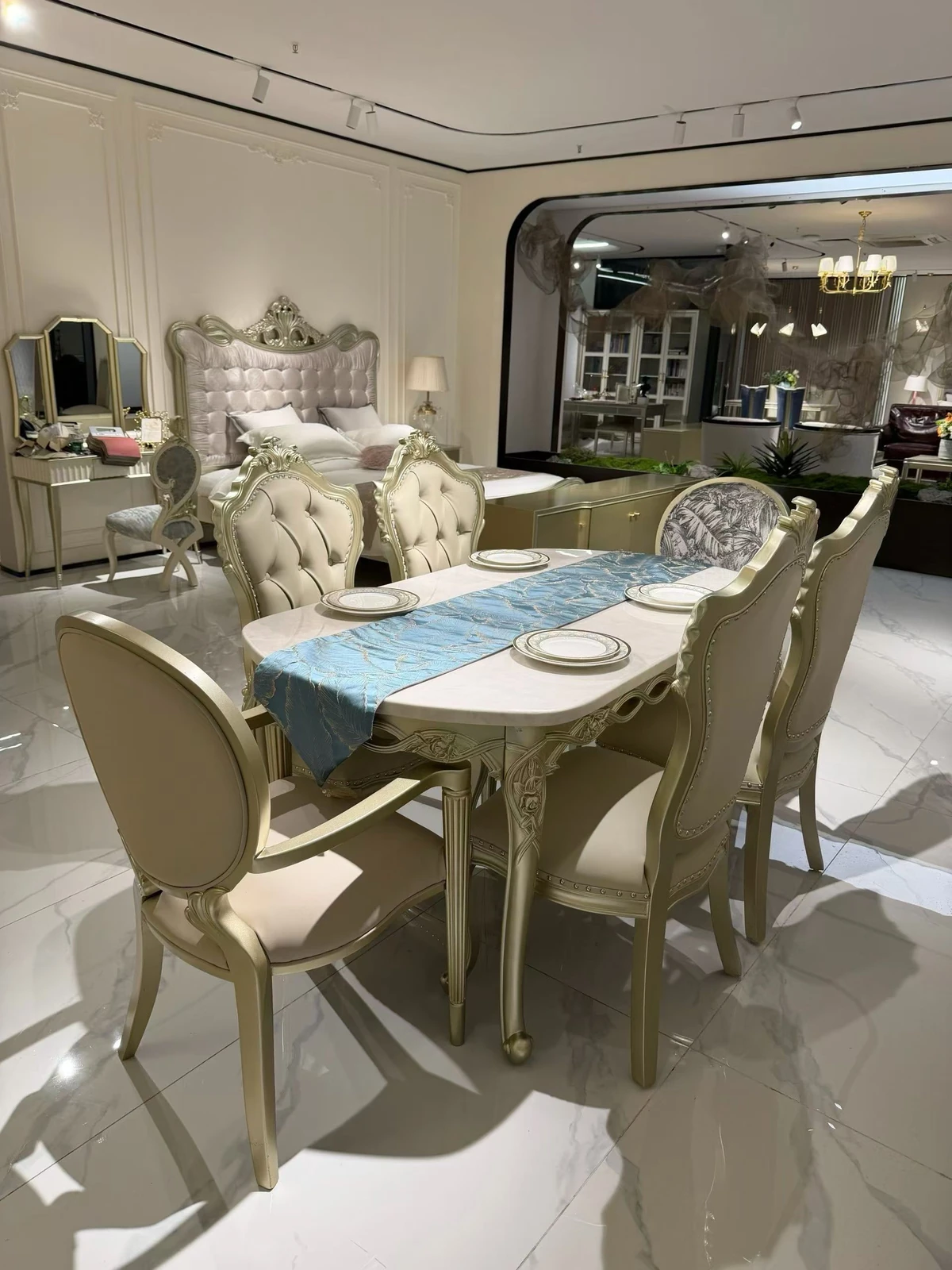
Singapore's Curated Marble Collection
From Calcutta Gold to Carrara Bianco, discover how the right marble surface transforms a dining room into something unforgettable. Whether you're sourcing your first statement piece or replacing a worn tabletop, our guides walk you through every decision — from stone origin to leg hardware, sealant choices to daily care.
Trusted by homeowners across Singapore since 2018
Before buying a marble table, measure your dining area carefully—leave at least 90 cm of clearance around the table for comfortable seating and movement. Compare the slab thickness: 2 cm is standard for dining tables, while 3 cm offers more durability for heavy daily use. Ask about the marble type—Carrara, Calacatta, and travertine each behave differently under humidity and heat, which matters in tropical climates across Singapore, Malaysia, and Thailand. Request a sealant treatment to protect against staining, especially if you cook frequently. Also verify the edge finish and base material, as these affect both aesthetics and stability. A qualified seller should provide details on origin, hardness rating, and maintenance recommendations without hesitation.
A quality marble tabletop begins with the stone itself: natural veining is expected, but excessive fractures or pitting signal lower-grade slabs. Carrara and Calacatta are beautiful yet softer—opt for harder varieties like Statuario or travertine-resistant marbles if daily use is anticipated. At the joint, look for visible seams filled with colour-matched epoxy rather than invisible glue lines; a well-cut table uses two to three slabs fused precisely with minimal visible joins. The base matters equally—solid hardwood or powder-coated steel prevents wobble and protects the stone from moisture seeping upward. Watch for warning signs: yellowing resin at seams, dark spots that suggest water penetration, or surface etching from acids. A properly sealed marble table should bead water for several minutes before absorbing it.
Marble table preferences shift noticeably across these five markets, shaped by climate, space, and tradition. In Singapore, compact HDB and condo living demands smaller, multifunctional marble pieces — think narrow console tables or nesting sets that serve dual purposes. Malaysian homes, often larger with extended family gatherings, favour expansive dining slabs that anchor open-plan living areas. Japan’s minimalist ethos and modest square footage call for low-profile coffee tables with subtle, muted veining rather than bold patterns. Korean apartments similarly prioritise clean lines and versatile forms, with a growing appetite for marble-topped work surfaces suited to home offices. Meanwhile, Thai households in warmer climates often prefer lighter-coloured marbles like Carrara or Crema Marfil, as dark stones retain heat — and their taste leans toward tables with slightly more sculptural bases, complementing the country’s love of natural light and indoor-outdoor flow.
Before placing an order, buyers across Singapore, Malaysia, Japan, Korea and Thailand consistently ask the same questions. First, is the marble genuine or engineered — and which quarry does it come from? Variations in veining and colour are normal in natural stone, so they want to know what to expect. Second, how porous is it, and does it come pre-sealed? Humid climates demand better stain protection. Third, what thickness is the slab — 20mm or 30mm — and will it need additional reinforcement for larger tabletops? Fourth, how should it be maintained: which cleaners are safe, and how often should re-sealing be done? Finally, can they view or request photos of the exact slab before purchase, since each piece is unique. Answer these plainly, and trust follows.
Want the longer version? Browse all buying guides for this category.
Answers to what Singapore buyers ask most