How to Care for a Lacquered Marble Table in Singapore’s Humid Climate
Singapore’s warmth and humidity can be hard on furniture finishes, especially a lacquered marble table placed near an open kitchen, a sunlit HDB living room, or the main entrance of a condo. Lacquer can develop a cloudy haze, fine scratches, or dull patches when it is exposed to heat, water, acidic spills, and abrasive cleaning. Good care is straightforward: control moisture, clean gently, use protective mats, and respond quickly to marks.
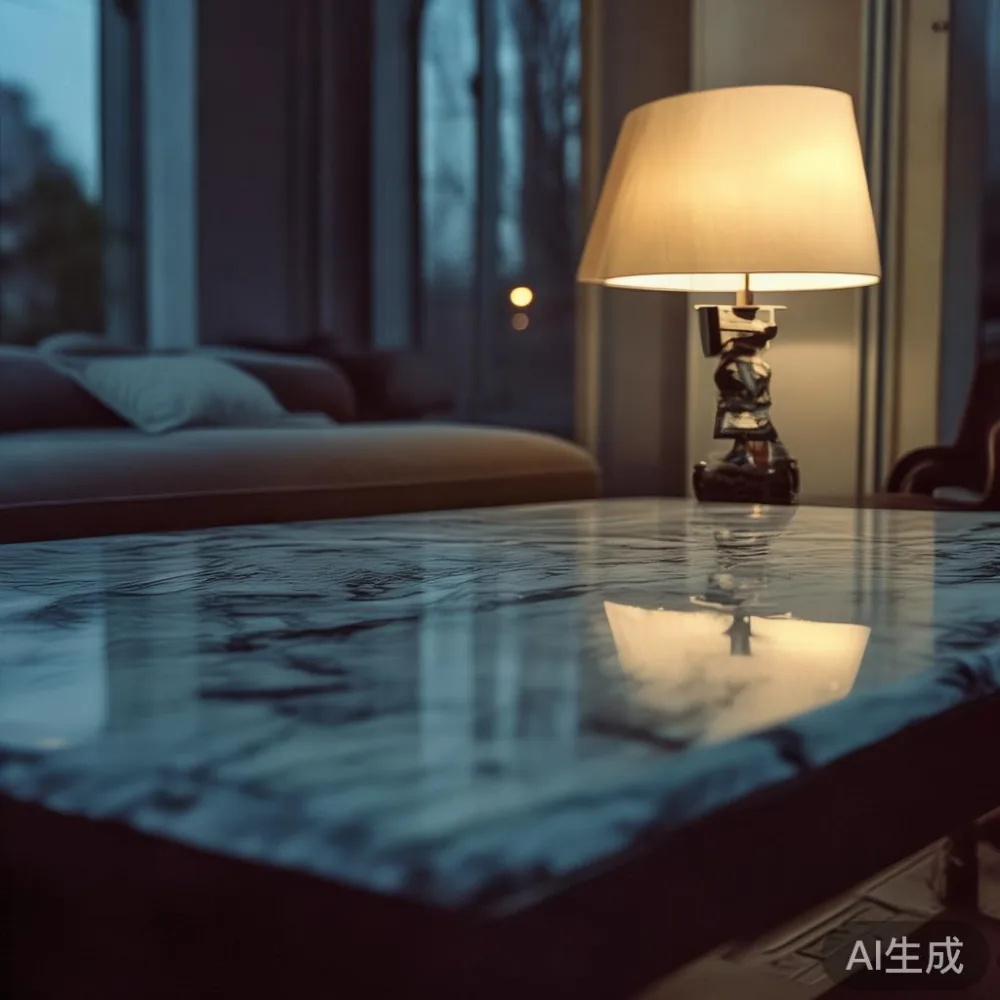
MIDHILL designs solid wood furniture for practical homes, and its lacquered surfaces are made to be maintained rather than left untouched. The same discipline applies to a solid wood sofa, bed frame, dining table, wardrobe, nightstand, or marble table: sensible daily habits protect the finish and preserve the clean lines associated with post-modern light luxury.
Why does lacquer behave differently in a tropical climate?
Relative humidity in Singapore frequently reaches 70–90%, while indoor surfaces can still collect condensation from an iced drink, cooking steam, or an air-conditioned room. Lacquer is generally durable, but moisture can penetrate micro-scratches and leave a whitish bloom. Direct sunlight may soften some films or deepen their amber tone, while grit carried on shoes can scratch the coating.
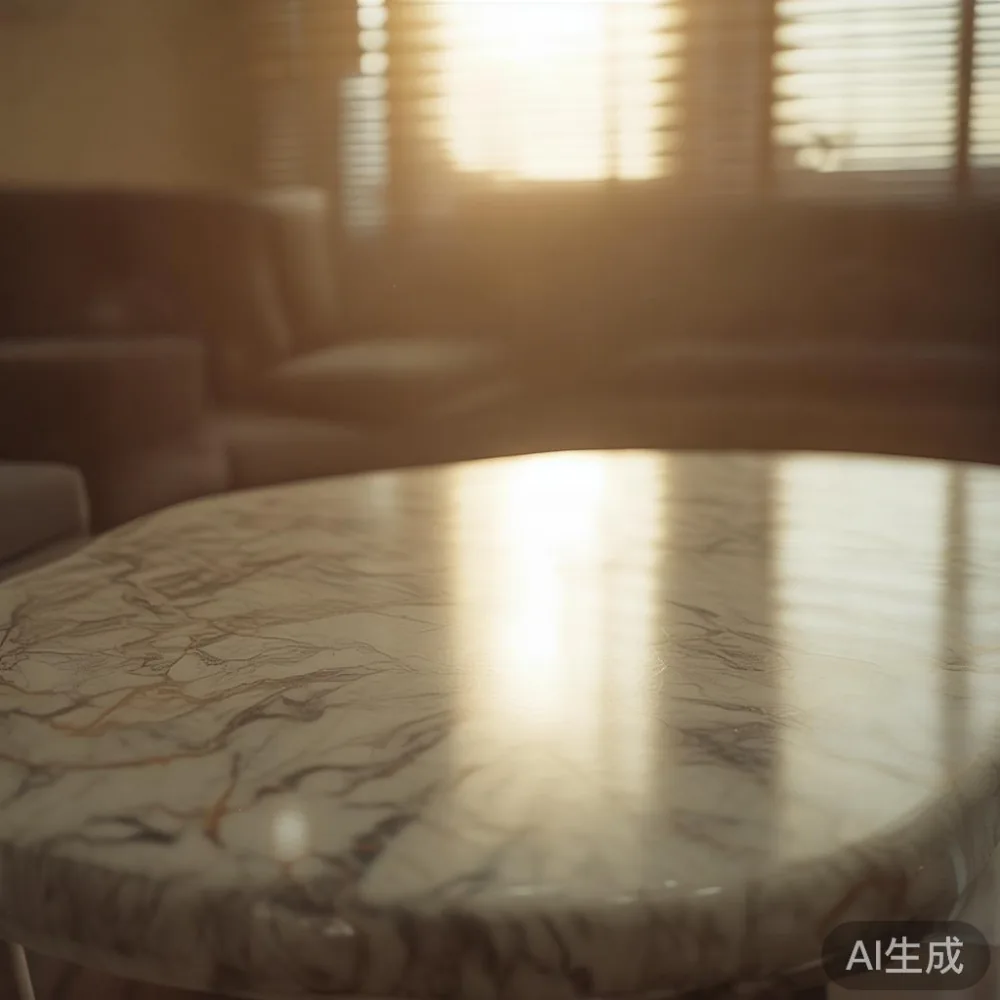
Place the marble table at least 60 cm from a window with direct sun, and keep it 30 cm away from a sink or cooking zone where practical. A dining table should sit 60–90 cm from a window if curtains will close during the strongest afternoon sun. In a compact Tampines or Bedok flat, these distances may need adjustment, but daily exposure to more than 3 hours of direct sunlight should be avoided.
Temperature changes matter too. A surface that moves from about 22°C in an air-conditioned living room to 32°C near an open balcony can expand more quickly than the stone beneath it. Avoid sudden cooling, such as setting a chilled container directly on a warm section of marble table. Use a coaster and allow the object to warm naturally for 10–15 minutes.
What is the safest way to clean a lacquered marble table?
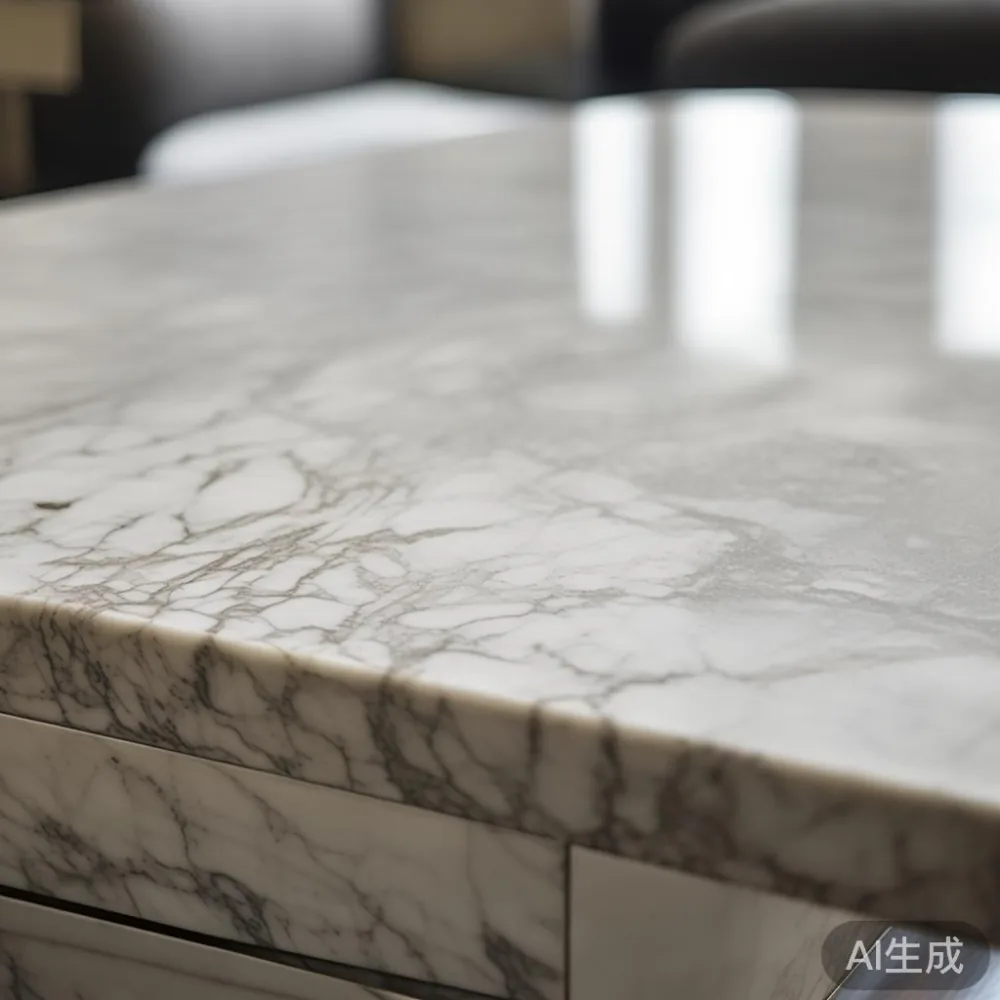
Start with a soft microfibre cloth, preferably 30 × 30 cm or larger. Wipe dust away with a dry cloth before adding moisture, because grit trapped beneath a damp cloth can create hairline scratches. For routine cleaning, use 1 cup of lukewarm water with a small drop of mild, pH-neutral dish soap, diluted in a 1 L spray bottle.
Spray the solution onto the cloth rather than directly onto the table. A damp wipe should remove residue in 20–30 seconds; if the film remains, wipe again with a clean damp section. Dry the surface immediately with a separate soft cloth. Never leave puddles, and avoid abrasive pads, scouring powder, alcohol, ammonia, bleach, vinegar, lemon, and “spray-and-shine” polish.
For weekly care, use a cleaner specifically labelled safe for lacquered stone. Test it on a concealed 5 × 5 cm area and wait 24 hours before treating the full surface. Even a cleaner that seems harmless can affect a matte or satin finish. Clean spills immediately rather than allowing red wine, soy sauce, tomato, or citrus juice to remain for more than 5 minutes.
How do I remove fingerprints, water marks, and small scuffs?
Fresh fingerprints usually lift with the diluted soap method. A dry microfibre cloth may be enough after a brief wipe, but a damp cloth prevents mineral deposits from being rubbed across the lacquer. For a visible water ring, use a barely damp cloth and follow it with a dry one; repeated soaking is less suitable than a controlled wipe.
Fine scuffs cannot always be removed without specialist work. If a mark catches a fingernail, stop using household products and contact a furniture-finish professional. If it does not catch, a marble-safe polishing compound may work, but apply less than a pea-sized amount with a clean cloth and test it on the hidden area first. A lacquered stone repair specialist in Singapore may charge around SGD 80–SGD 250 for a consultation, depending on the size of the affected area and whether the stone can be refinished on site.
For persistent clouding, bubbles, lifting at the edge, or a mark larger than 10 cm, arrange an inspection. Do not sand the surface yourself. A 180-grit sheet can cut through lacquer in only 5 passes, and excess pressure may expose porous stone beneath.
Should I use coasters, placemats, and felt pads?
Yes. A 10 cm round coaster protects against condensation, while a 35 × 45 cm placemat gives a hot pan an intermediary layer. The pad should not be too thick, because an uneven setting can make the table rock. Check it with a spirit level; a tilt greater than 2 mm across 50 cm can create instability.
Fit furniture felt beneath table and chair legs to prevent vibration from moving the chair across the floor. Replace felt every 12–18 months, or sooner if it is compressed. Use a 2–3 mm pad under each leg and keep the pad clear of floor moisture. For a marble table in a high-traffic HDB home, washable woven placemats are easier to maintain than loose cloth runners.
Carry dishes with both hands instead of dragging them across the top. Lift serving trays rather than sliding them. If the table also serves as a display surface, keep decorative objects on stands and leave a 5 cm gap from the edge. This reduces the risk of scratches and makes daily wiping easier.
How should Singapore households handle humidity and ventilation?
Ventilation is more useful than repeatedly wiping a damp table down. After cooking, run the kitchen exhaust fan for 15–30 minutes and close nearby windows if outdoor humidity is high. Dry the sink area and keep drinks away from the stone. The recommended indoor relative-humidity range is around 40–60%, which is manageable with a dehumidifier in larger Tampines or Punggol units.
Use the air conditioner’s dry mode when the room feels muggy, but avoid directing cold air straight onto the lacquer for hours. A bedside table or wardrobe placed against an external wall can collect condensation during heavy rain. Leave a 3–5 cm ventilation gap where the design allows, and inspect the back and underside twice a year for dampness or black spotting.
MIDHILL’s 10-year structural warranty addresses construction, but routine surface care remains the owner’s responsibility. The company has served customers since 2008 and exports to more than 15 countries, so its finish guidance is relevant across varied climates. In Singapore, the free shipping threshold of US$350 is converted to a local equivalent at checkout, and GST is added where applicable.
Can a lacquered marble table fit into an HDB flat or condo?
It can, but access should be planned before delivery. HDB corridors and older lift interiors may be narrower than modern condo common areas. A dining table with a 160 cm top and 75 cm height is comfortable for 4 people, yet its diagonal and width still determine whether it can pass through a lift. Measure the narrowest corridor, lift door, and turning space rather than relying on room dimensions alone.
Some lift doors measure about 80–90 cm, while common lobby routes vary by building. A 160 cm table may need to enter vertically; if its width is more than 70 cm, confirm that the route allows rotation. Keep packaging and protective blankets ready, and ask the delivery team for the planned delivery window in advance. Singapore deliveries usually require 3–7 business days after dispatch, but lift-booking rules can add 2–4 days.
For a compact dining room, the Japandi for dining room style works well because pale solid wood, straight lines, and restrained decoration make the room feel open. The dining table remains the visual anchor, while a compact marble table could serve as a side surface in a living room or bedroom. French light luxury can be suggested through a slim solid wood sofa and balanced proportions, without crowding the 10–15 sqm living area common in many HDB layouts.
The same spatial discipline applies to other pieces. A French sofa vs Italian light luxury sofa comparison should consider seat depth, arm width, and access route rather than style alone. If searching for the best Nordic sofa for 2026, look for removable covers, replaceable cushion inserts, and a frame that can be carried through an 82 cm doorway. A solid wood bed frame of 180 × 200 cm may require more careful lift planning than its bedroom footprint suggests.
What should I inspect during the first 30 days?
Inspect the marble table on delivery day. Photograph the lacquer from several angles under normal daylight, checking for scratches, bubbles, dents, colour variation, and moisture around the edge. Do not sign a damage record until visible issues are noted. Keep the packaging for 7 days if the table may need inspection, although storage space in an HDB flat can make that impractical.
During the first week, wipe the surface after each meal and record the location of cups, coasters, and hot pans. At 30 days, inspect under bright daylight and compare the finish with the delivery photographs. At 6 months, check legs, joints, and the underside, then clean beneath the table with a long-handled microfibre duster.
The 14-day returns policy gives buyers a defined period to assess a table in its intended setting, provided the finish has not been altered or damaged. MIDHILL also offers lifetime refinishing, which can be valuable after years of use, although eligibility and service terms should be confirmed for each piece. Refinishing does not make negligent care unnecessary; it is a long-term maintenance route, not permission to ignore spills or heat.
How do finishes complement other light-luxury furniture?
A lacquered marble table can act as a calm centrepiece in a post-modern light luxury interior. Pair it with a solid wood sofa in warm oak or walnut, a bed frame with clean rectangular lines, and a nightstand with closed storage. This reduces visual clutter and keeps care tasks simple. An open wardrobe may benefit from a humidifier if it sits near a balcony in Punggol or Bedok, while a European light luxury TV console should be positioned with 10 cm of ventilation behind it.
Material coordination matters more than matching every edge. A European for dining room scheme may combine pale timber seating with a veined marble table and one matte metal accessory. The contrasting textures create depth without excessive ornament. In a modern condo, where the kitchen often connects directly to the dining area, repeated finishes also help the room feel continuous.
For apartment planning, the question of how to style French sofa in apartment is often less about decoration than circulation. Leave 75–90 cm between the sofa and dining chairs, 60 cm along a major walkway, and enough space for a person carrying a 45 cm serving tray. A narrow console should not block a bedroom door, and cables for an electronic unit should be routed away from the stone surface.
What is the simple care routine for a lacquered marble table?
A practical routine takes only 10–15 minutes. Dust with a dry microfibre cloth each evening, wipe away spills within 5 minutes, and use a damp cloth with diluted mild soap once a week. Dry after every wet clean. Use coasters for drinks, pads for hot dishes, and felt under furniture legs. Keep the table out of prolonged direct sunlight and wipe cooking moisture away from its edge.
Avoid silicone-based waxes unless the manufacturer approves them, because they can build up and make the lacquer patchy. Do not layer multiple “care” products on the surface. If a new treatment is considered, check with the finish supplier first and test a 5 × 5 cm section for 24 hours.
With consistent care, a lacquered marble table can remain clear and tactile for years. The same attention protects a lacquered solid wood dining table, while careful placement keeps a bed frame, wardrobe, nightstand, and solid wood sofa comfortable in Singapore homes. Protection comes from small routines repeated through the year, not from a heavy product applied once and forgotten.