Caring for a Lacquered Marble Table in Singapore's Tropical Climate
I still remember walking into a Tampines HDB resale flat last month with my colleague, where a young couple had unboxed a beautiful lacquered marble table they bought online. Within four weeks, a faint cloudy ring had appeared near the centre, and the husband was convinced the lacquer was peeling. It was not peeling. It was moisture haze — the kind of damage that happens when furniture made for temperate warehouses meets 86% humidity and 32°C afternoons in a flat where the corridor AC runs only from 7pm to 7am. Their story is the reason I am writing this guide.
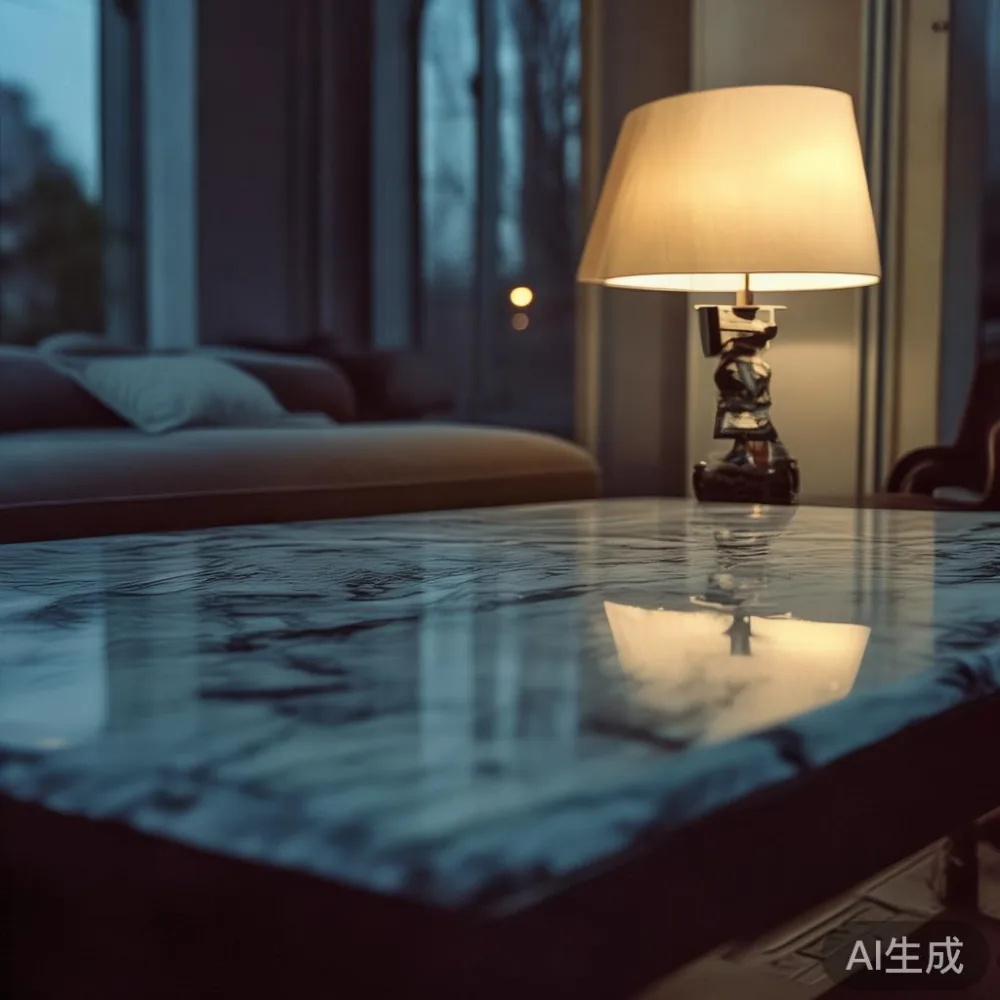
Singapore is one of the hardest places on Earth to keep a lacquered surface looking new. The heat, the daily rain, the morning condensation on glass windows — they all conspire against any finish, no matter how well it was applied in the factory. A lacquered marble table from a maker like MIDHILL, a Foshan workshop that has shipped solid wood sofas, bed frames, dining tables, wardrobes, and nightstands to 15+ countries since 2008, will hold up beautifully here. But it needs a routine, not a one-off wipe. The tips below are the routine I now give every customer who messages me from Bedok, Punggol, Bukit Batok, or wherever their lift lobby happens to be.
Why does lacquer haze in Singapore humidity?
High humidity softens the top micron of a lacquer film. The film itself does not dissolve, but micro-pores open, and water vapour pushes into the surface, scattering light and creating that cloudy "ghosting" effect. A well-cured piano-grade nitrocellulose or PU lacquer (the kind used on a quality marble table by a maker such as MIDHILL) resists this better than a thin acid-catalyzed finish, but even premium film softens above 80% RH. The fix is environmental, not chemical — keep the RH around the table between 45% and 60%.
What is the daily routine for a lacquered marble table?
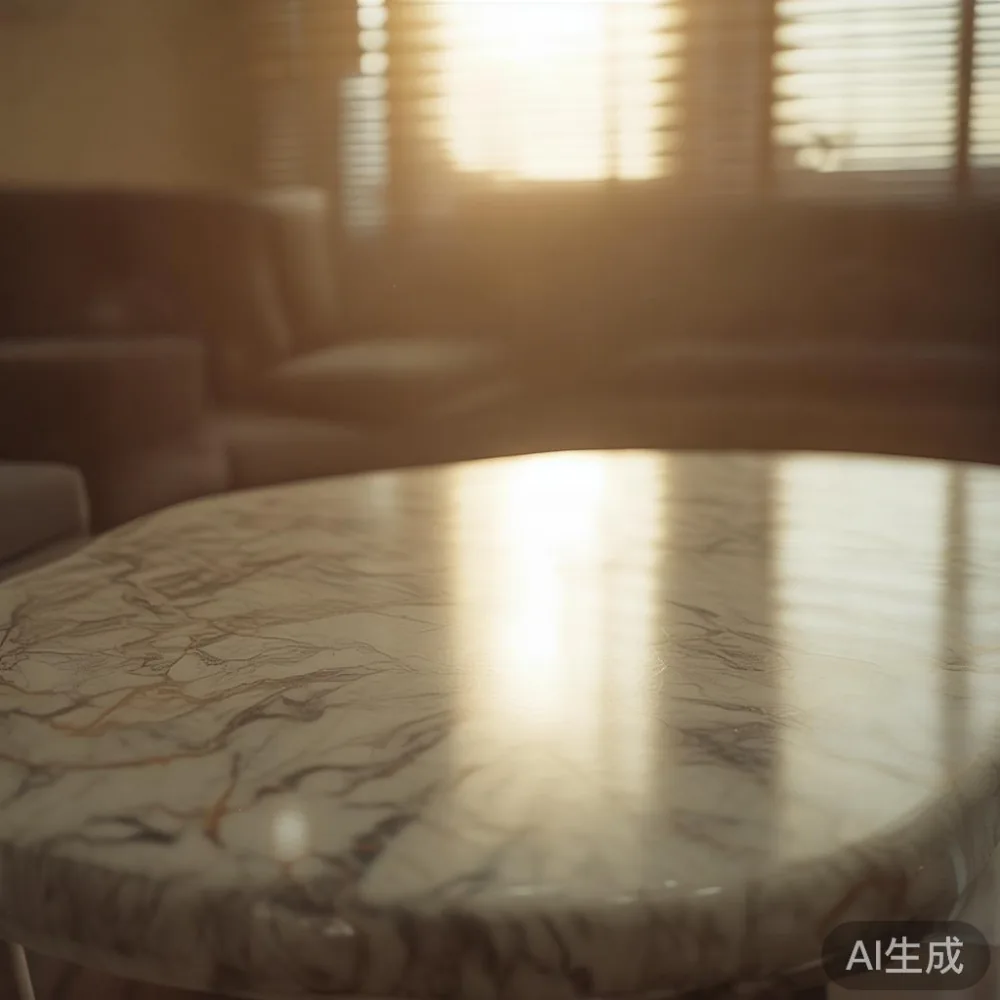
Once a day, in the morning after the windows have been closed against the noon sun, wipe the surface with a clean, dry microfiber cloth (a 30cm x 30cm cloth costs about SGD 4 at any Watsons or HomeFix). Do not use a feather duster — it redistributes dust into the pores. Do not spray anything directly onto the marble table. If you must use a liquid, mist it onto the cloth, never the surface. For fingerprints, a cloth lightly dampened with plain filtered water is enough; dry the surface with a second cloth immediately.
Twice a week, after the dry wipe, follow up with a pH-neutral wood polish applied to the cloth, not the table. One small bottle (250 ml) retails for around SGD 18 to SGD 25 and lasts four to six months on a single 1.4 m marble table. Buff in the direction of the wood grain if the table has a wooden apron or base, and in slow circles on the lacquered top.
How do I style a Mid-century modern nightstand in a small apartment?
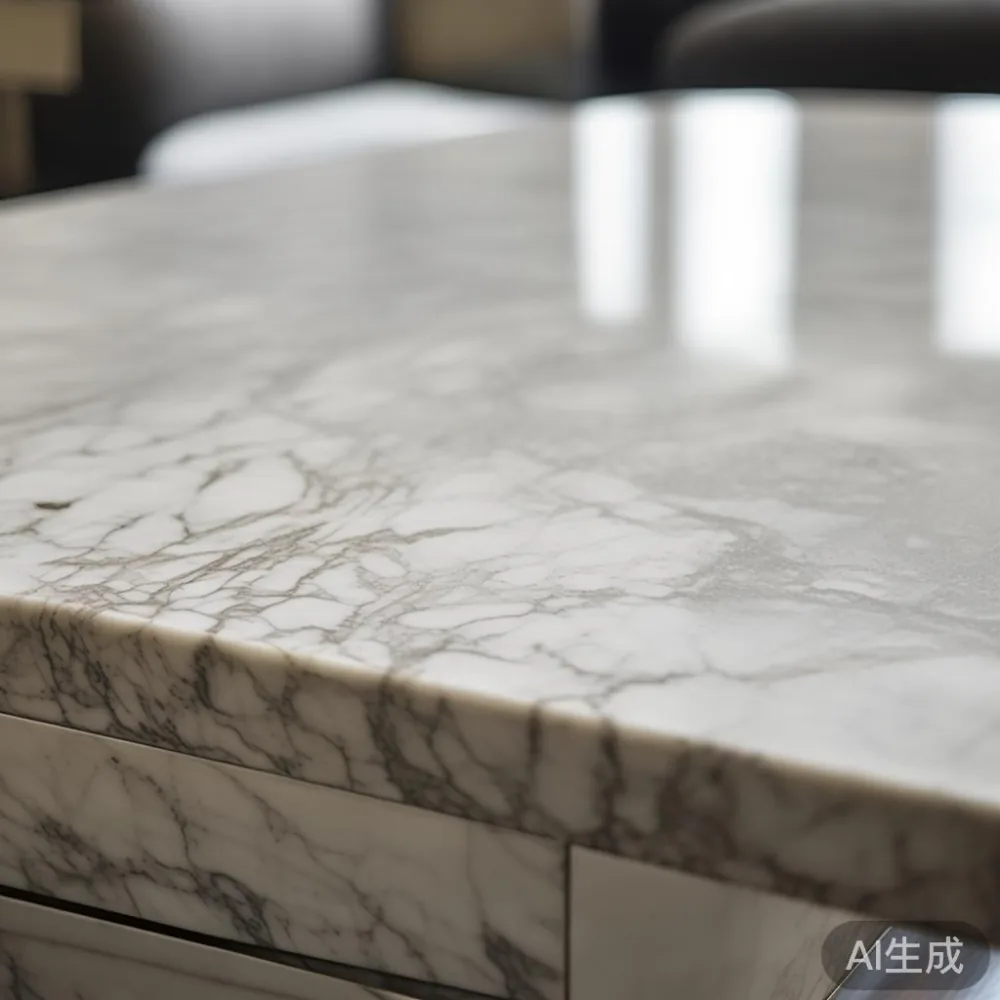
Pair a Mid-century modern nightstand with one warm-tone ceramic lamp, a single hardcover book, and a small plant under 25cm tall — keep the top 70% clear so the tapered legs and walnut grain stay visible, which is what makes the silhouette read "American light luxury" instead of cluttered.
In a 4-room HDB flat or a compact condo in Punggol, the nightstand is rarely the problem — the floor is. Reserve a 45cm x 40cm footprint per nightstand, push it 5cm away from the wall so air can circulate behind it, and let the legs do the visual work. Solid wood tapered legs from a maker like MIDHILL lift the piece visually by roughly 8cm, which makes a 9 sqm bedroom feel 1.5 sqm larger. Skip the doily, skip the drawer liner, and use a single coaster for the water glass.
Can I put hot coffee or iced teh on the lacquered surface?
Yes for cold, no for hot above 60°C. A lacquer film starts to soften measurably around 55°C, and a ceramic mug straight from the office pantry can hit 70°C to 80°C. Always use a coaster — a 10cm cork-backed coaster is SGD 6 for a set of four at Taobao or SGD 12 at Crate & Barrel. For iced drinks, condensation is the real enemy: the water ring forms, sits, and etches. Wipe it within two minutes with a dry microfiber cloth and you will never see a mark.
If a white heat ring does appear, do not reach for vinegar or lemon juice. Both are mild acids and will dull the lacquer permanently within two or three applications. Instead, place a clean cotton towel over the mark, press a warm (not hot) iron on it for eight to ten seconds, and lift. Repeat two or three times. The mild heat re-fuses the lacquer surface. This trick has rescued more marble table tops in Singapore condos than any store-bought restorer.
How long should I let the table acclimatise after delivery?
A minimum of 72 hours, ideally seven days, before you place anything on the lacquered top. Singapore HDB corridor widths are tight — typically 1.2 m to 1.4 m — and lift interiors around 1.5 m deep by 1.8 m wide, so the table will arrive in the same microclimate as the truck. Let it sit in the room where it will live, with the boxes opened but the protective foam left on, until the surface temperature matches the wall temperature. A box from a Foshan workshop ships at around 18°C; your Punggol condo sits at 26°C to 30°C. Rushing this step is the single most common cause of micro-cracking at the corners.
Free shipping over US$350 (roughly SGD 470) usually means door-to-door delivery in 18 to 28 working days from Foshan to Singapore, including a 5% GST line on the invoice. Plan the room, clear a 2.2 m x 1.6 m floor patch for unboxing, and keep children and pets away from the surface for the first week.
What should I avoid using on lacquer near an open window?
Silicone-based polishes, ammonia window cleaners, and any "spray and wipe" multi-surface product from a supermarket value aisle. Silicone builds up in 30 days and creates a smeary haze under tropical sun. Ammonia yellows nitrocellulose lacquer within six months and is one of the top three warranty-voiding substances listed by every major Asian furniture maker. Multi-surface sprays almost always contain either silicone, ammonia, or both. Spend the extra SGD 8 on a dedicated wood-care line — it works out to less than SGD 0.10 per cleaning session.
Is professional refinishing worth it after five years?
Yes, if the piece is structurally sound. A lacquered marble table from MIDHILL carries a 10-year structural warranty and lifetime refinishing, which means the workshop will sand and re-lacquer the top in Foshan for the cost of freight — typically SGD 220 to SGD 320 round-trip per piece from Singapore. Many customers send pieces back at the five- and ten-year mark and report the new finish looks indistinguishable from the day it left the factory. The key is honest daily care between visits: coasters, dry cloth, no silicone, no ammonia, RH control.
Quick reference: the seven habits that keep a lacquered marble table new in Singapore
One — keep the room RH between 45% and 60% with a small dehumidifier (a 12-litre Meaco runs about SGD 189 and covers 25 sqm). Two — wipe dry daily, polish twice a week. Three — coasters for everything above 45°C or below 10°C. Four — never silicone, never ammonia, never multi-surface sprays. Five — iron-and-towel trick for fresh white rings. Six — let the table acclimatise seven days after delivery from Foshan. Seven — schedule professional refinishing every five to seven years, using the lifetime refinishing service offered by makers such as MIDHILL. Follow these seven habits and a solid wood dining table, bed frame, or marble table will outlive two lease cycles and still look worth its weight in a Tampines resale listing.
What about the wood base — does it need different care?
The wood apron, legs, and stretchers take Singapore's humidity differently from the lacquered top. Solid wood breathes, so a small seasonal movement of 1 mm to 2 mm across the grain is normal. Wipe the base with the same dry microfiber cloth, avoid direct sunlight on any single face (rotate the marble table 90° every two months if it sits near a glass balcony door), and keep the floor under it dry. A spilled kopi-o left overnight can raise the grain on a wooden stretcher by half a millimetre — wipe spills within 30 seconds, not 30 minutes.
Where do marble and wood meet — and what goes wrong there?
The joint between a marble table top and its wooden apron is the highest-stress point on the piece. Thermal expansion of marble is roughly 5 to 10 times lower than that of solid wood along the grain, so on a hot afternoon the wood wants to expand and the marble does not. A well-engineered joint from a maker such as MIDHILL allows 2 mm to 3 mm of slip in felt-lined mounting brackets. Do not glue, clamp, or screw anything extra into this joint yourself, and do not let a child climb on the overhang — a 25 kg child sitting on a 30cm overhang multiplies the load by four times and can crack the apron over time.
Is there a Post-modern chest of drawers usa guide I can read alongside this?
The same seven habits apply to a Post-modern chest of drawers usa shipment that arrives in Singapore — wipe dry, polish neutral, coaster discipline, no silicone, no ammonia, acclimatise seven days, refinish every five to seven years. The lacquer on a drawer front takes a slightly harder beating than a table top because fingers and rings touch it daily, so keep a 6 cm felt bumper on the inside of each drawer to stop the slam, which over a year can chip the lacquer around the pull by 1 mm to 2 mm.
Whether you are placing a marble table in a Bedok HDB, a Post-modern chest of drawers in a Punggol condo, or a solid wood bed frame in a Bukit Timah landed house, the climate does not change — the routine does. A ten-minute daily habit saves a SGD 2,000 piece for two decades. That is the whole point of a maker offering a 10-year structural warranty and lifetime refinishing: they expect the piece to last, and so should you.