A Practical Care Guide for Lacquered Marble Tables and Solid Wood Furniture
Singapore’s humidity, heat and abundant daylight can make a lacquered surface look dull faster than owners expect. At 80-90% relative humidity, lacquer may absorb enough moisture to develop haze, while temperatures above 30°C can soften some films and make fingerprints easier to see. A well-finished marble table with a lacquered timber base can remain attractive for many years, provided the owner controls moisture, heat, cleaning and contact with acidic liquids. This guide uses HDB flats and condos in Tampines, Bedok and Punggol as practical reference points.
Among shoppers comparing Japanese sofa vs Nordic sofa designs, lacquer care is rarely the first question, yet the finish can affect how a large piece feels for 10-15 years. The same care discipline applies to a dining table, bed frame, wardrobe and nightstand. MIDHILL applies this practical approach to lacquered furniture selected for Singapore homes: clear care guidance, careful material selection and a 10-year structural warranty.
What Does Humidity Do to Lacquered Surfaces?
Lacquer is a cured film applied in several thin layers, often over wood or another engineered core. A typical finished panel may receive 5-8 coats before polishing. Tropical conditions create 3 main risks: water enters hairline scratches, humidity slows curing in recently delivered pieces and repeated temperature swings cause the film to lose gloss. The damage usually appears first around handles, table edges and lift doors rather than across an untouched central panel.
For an HDB flat, aim for 50-70% relative humidity where a dehumidifier is practical. A bedroom in Tampines with windows facing the afternoon sun may reach 31°C and 82% humidity at 4 p.m.; a Bedok unit with cross-ventilation may settle near 27°C and 72% by 9 p.m. These figures explain why wiping a cold drink ring immediately and running air conditioning for 2-3 hours can prevent a repair that might otherwise cost SGD 80-SGD 220.
Newly lacquered pieces also benefit from a settling period. Keep them away from strong direct sunlight for 14 days and away from air-conditioning vents that blow continuously across the top. If a surface feels tacky after delivery, allow 3-4 more days in a ventilated room before contacting the supplier. Continuous contact with a damp wall can interfere with curing even when the room itself feels dry.
How Should I Clean a Lacquered Marble Table?
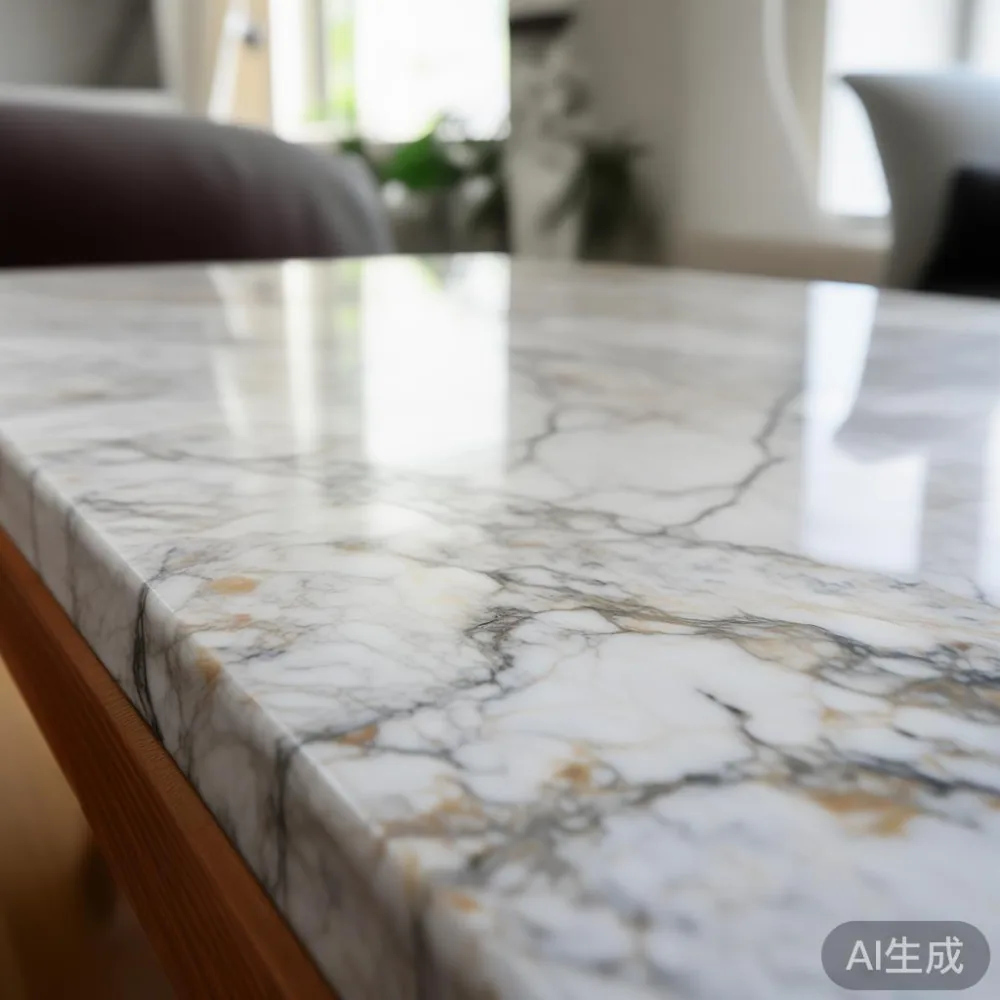
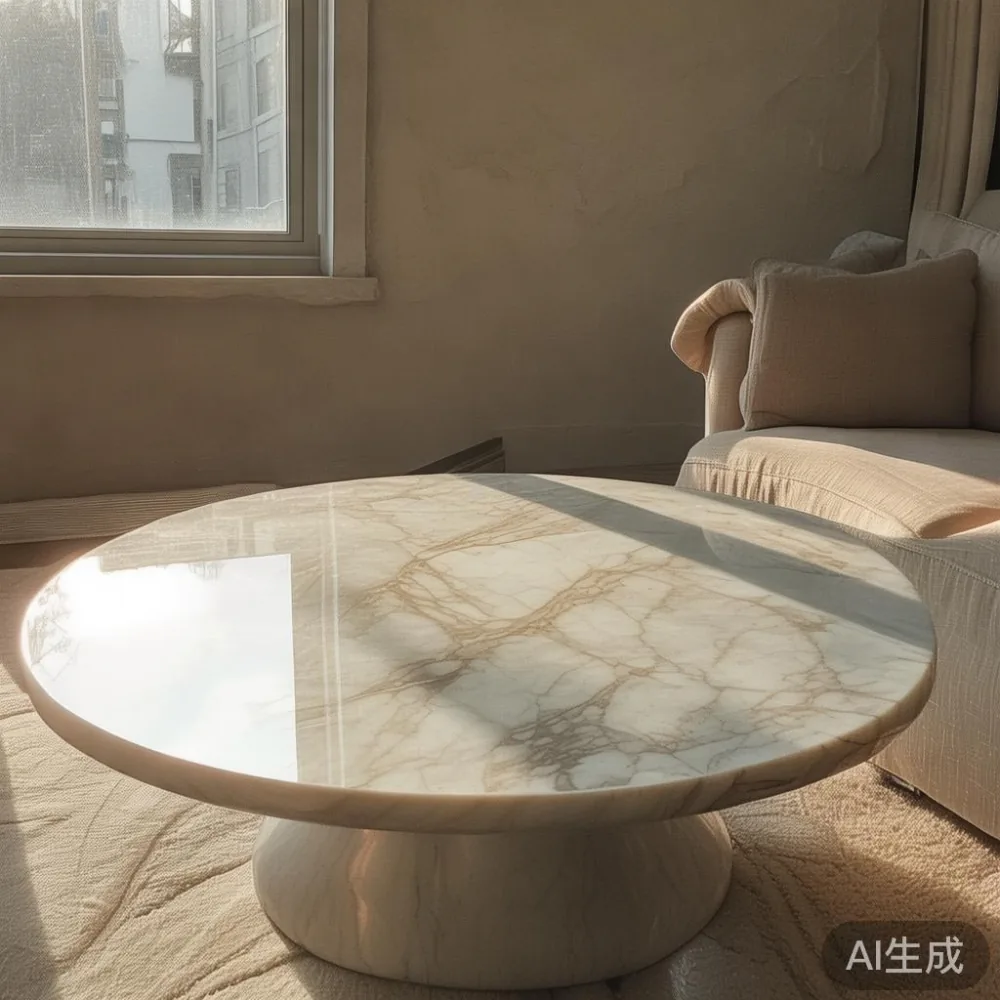
Begin with the least aggressive method. Use a clean microfibre cloth dampened with plain water, wring out excess moisture and wipe in the direction of the grain. For a 120 x 70 cm marble table, divide the top into 4 sections and check each one after wiping; trapped cleaner around an edge often becomes the next visible mark. The cloth should leave no visible droplets and should feel barely damp rather than wet.
For fingerprints and light dust, add 2-3 drops of mild pH-neutral dish soap to a bowl holding roughly 500 ml of water. Spray the solution onto the cloth rather than the furniture, then wipe and follow with a second damp cloth. On a lacquered stone support or timber apron, avoid vinegar, lemon juice, vinegar essence and bathroom sprays with a pH below 5. Acid can dull lacquer and dull or etch the marble surface at the same time.
Never soak the cloth, use a scouring pad or apply wax without checking the maker’s instructions. Steel wool can leave black particles in lacquer, while abrasive cream may scratch through 0.2-0.4 mm of the top finish. For a marble table with a lacquered base, clean the stone separately with stone-safe detergent and dry the joint between the two materials; trapped water there can stain either component.
My colleague tested a lacquered sample beside a coaster in a Bedok condo last month. After 30 days of daily coffee use, the untreated ring measured about 14 mm across, while a lacquered panel protected by a coaster showed no permanent mark. During that same test, a diluted vinegar wipe left a visible dull patch that disappeared after 20 minutes but returned when the surface was viewed under angled light. The result reinforced a simple rule: coasters, not repeated chemical correction.
Can Coastal Air and Air-Conditioning Damage Furniture?
Salt-laden air in eastern Singapore can carry moisture and tiny particles toward an open window, although ordinary air in a fitted HDB flat is less aggressive than direct sea spray. Keep lacquered furniture at least 1 m from an open balcony door during windy periods and 0.5 m from a running air-conditioning vent. In a Punggol condo near the waterfront, sealing balcony sliders on high-humidity days can reduce dust deposition by a noticeable amount without changing the room temperature.
Air-conditioning itself usually creates a stable indoor environment, but rapid cooling can produce condensation on a nearby surface. A drink placed 5 cm from a cold marble edge may collect enough water to form a ring. Move coasters 10 cm away from the edge, empty decorative trays every 7 days and wipe condensation within 30 minutes. These small intervals matter because lacquer can trap water against a substrate instead of allowing it to evaporate.
Use a hygrometer rather than judging moisture by touch. Place one near the solid wood sofa or dining table, not against an exterior wall, and record readings at 8 a.m. and 8 p.m. for 7 days. Readings consistently above 75% suggest using a dehumidifier for 2 hours daily. Readings below 45% can indicate overly dry air, so avoid aiming the dehumidifier directly at timber panels or lacquer.
How Do I Move a Lacquered Table Through an HDB Lift?
Measure before ordering, not after delivery. Many older HDB lift doors are about 0.9 m wide and 2.0 m deep, while internal corridors can be 1.1-1.4 m wide. Newer BTO blocks may provide wider doors, but lift dimensions still vary by block. For a 140 x 80 cm marble table, the package may exceed the lift door even when the tabletop itself fits diagonally. Ask the supplier for the packed dimensions, then add 5 cm on every side when calculating turning space.
Protect all edges with 8-10 mm foam and wrap the marble separately from the lacquered frame. Carry 4 people for a table between 70 and 100 kg, using 2 people to guide each end. Never use the lacquered rail or stretcher as a handhold. If the route requires a turn sharper than 90 degrees in a 1.2 m corridor, remove detachable legs where the design permits and reinstall them indoors.
For condominium delivery, check whether the loading bay has a 2.4 m height limit and whether the service lift reservation requires 24-48 hours’ notice. MIDHILL can be asked to confirm packing measurements and delivery arrangements in writing. Singapore customers should still allow 10-14 days between order placement and a planned gathering, and should keep the invoice available for building management. Free shipping on qualifying MIDHILL orders applies above US$350, but lift access and assembly remain property-specific.
Which Accessories Prevent Rings, Scratches and Heat Marks?
Use felt or cork coasters at least 2 cm larger than the base of a cup or pot. For dining use, place them at each place setting and under hot serving dishes. A stone tabletop may tolerate brief heat better than lacquer, but a lacquered timber edge may show a ring after contact with a bowl above 60°C. Trivets rated for 100°C provide a stable barrier and should be used instead of folded towels or paper plates.
Chair placement deserves attention as well. Felt pads under the front legs reduce noise and prevent a chair from rubbing a lacquered dining table edge. Replace 2 mm pads when they compress below 1 mm. For a bed frame, nightstand or wardrobe, use bumper pads at contact points and keep moving equipment on protective blankets rather than directly on the floor.
Light-luxury furniture often combines pale woods, clean profiles and restrained metal details, making small marks easier to detect. French light luxury, American light luxury and post-modern light luxury can all work in Singapore interiors, but the care plan remains the same. For a guest room, a solid wood sofa or a bed frame with French provincial styling should receive coasters and tablecloths appropriate to actual use. The search term French provincial for guest room captures the look; coasters capture the furniture.
Can I Use Furniture Polish or Wax on Lacquer?
Do not assume a polish is safe. Some silicone sprays leave an oily film that attracts dust, while paste wax can collect along edges and yellow under heat. Apply any approved maintenance product to a hidden 5 x 5 cm area for 24 hours before treating a visible panel. If the area develops haze, tackiness or a colour shift, remove the product using the supplier’s method.
For ordinary lacquer, a lightly damp cloth is usually enough for 2-4 weeks between surface checks. High-touch areas such as a wardrobe handle zone or the side of a nightstand may need attention every 7 days. If the maker permits a specific non-silicone cleaner, use only 3-5 ml per cloth and never combine products. Test cleaners separately because a neutral dish soap and a commercial cleaner may create a different residue.
The care instructions supplied with the product should override generic advice. A French provincial guest-room bed frame may have hand-applied lacquer with a satin sheen, while a post-modern light luxury dining table may use a tougher commercial finish. One product should not be used across both without approval. When instructions are unavailable, contact MIDHILL and provide the finish name, approximate age and a photograph of the affected area.
What Should I Do If the Surface Has White Marks, Bubbles or Peeling?
White haze often means moisture trapped beneath the finish. Stop applying products, dry the room and place the furniture away from exterior walls for 48-72 hours. Keep the area at 24-28°C and use gentle airflow. Do not rub the mark, because abrasion can turn a temporary haze into a permanent scratch. A small affected zone under 5 cm may disappear as moisture escapes.
Bubbles or lifting need closer assessment. Photograph the area, measure the damaged section with a ruler and note whether it is in a traffic zone. Avoid pressing the film back down with tape or a heated iron. For chips extending through the lacquer to the substrate, professional refinishing is more suitable than household repair kits. A larger patch can require sanding, stain matching, 2-3 additional lacquer coats and 5-7 days of curing in controlled humidity.
MIDHILL’s lifetime refinishing service is relevant when refinishing conditions and the service terms apply. Keep purchase records, care notes and delivery photographs in one folder; useful images include the tabletop before delivery, the packaged dimensions and any damage noted on receipt. Report a delivery issue within the stated 14-day returns window rather than waiting for 3 months and assuming the mark cannot be repaired.
How Can I Care for a Small Living Room Without Overcrowding It?
Small Singapore homes need care routines that do not require more than 10 minutes at a time. Decant coasters into a drawer, keep a 40 x 40 cm microfibre cloth in the living room and wipe lacquered surfaces weekly. In a compact HDB living room, a narrow nightstand may be more useful than a large side table because it protects the sofa arm from drinks. A Rustic for small living room setup can use a lacquered coffee table with a tray, provided the tray has 3 mm felt beneath it.
For a Boho for small living room arrangement, layer washable textiles but keep rings away from lacquered timber. A solid wood sofa with close-fitting cushions may need only vacuuming and a damp wipe every 2 weeks; over-wetting can be worse than leaving a tiny dust mark. A dining table in a 3.2 x 3.8 m flat should have 80 cm of clear space behind each seated position, with the lacquered edge protected from chair knocks.
Japanese for dining room styling often emphasises clean lines and uncluttered surfaces, so coasters and trivets are easy to integrate without changing the composition. European for dining room schemes may add patterned textiles, but avoid placing fabric directly against lacquer where humidity can linger. Japanese sofa vs Nordic sofa comparisons often focus on shape and comfort, yet both benefit from coasters, felt pads and moisture control.
How Do I Build a Long-Term Care Routine for Singapore Homes?
Divide maintenance into daily, weekly and seasonal tasks. Every day, remove cups and dishes from lacquered furniture within 30 minutes. Every week, wipe visible surfaces with a damp microfibre cloth and inspect handles, coaster zones and table edges for 2-3 mm chips. Every month, check humidity readings, wash coasters at 60°C where the material permits and inspect the 10 cm zone around doors and windows for moisture.
Twice each year, open wardrobe doors for 30 minutes and check the inside edges for dampness. Examine nightstand undersides and any lacquered timber beneath a marble table for insects or water rings. Record the date and condition in a phone note. A log containing 6 observations a year makes it easier for a refinisher to match colour and sheen than a verbal description given 8 months later.
Budget roughly SGD 25-SGD 60 for coasters, felt pads, a hygrometer and a supply of microfibre cloths for a 3-person household. Professional cleaning or spot repair may range from SGD 120-SGD 350, while full refinishing depends on the piece and access. For international purchases, request the finish specification, care instructions, packed dimensions and expected delivery window in days. MIDHILL was established in 2008, exports to more than 15 countries and backs its furniture with a 10-year structural warranty.
Good lacquer care is less about finding a miraculous product and more about controlling 4 variables: moisture, heat, abrasion and time. Keep relative humidity near 60%, place hot objects on rated trivets, use coasters larger than every drink base and address marks within 48 hours. These habits preserve the pale sheen, precise edges and tactile character that draw shoppers to French light luxury, American light luxury and post-modern light luxury designs, while allowing each lacquered marble table to remain a durable part of daily Singapore life.