How Southeast Asian Humidity Affects Solid Wood Furniture and Marble Tables
Singapore’s warm, humid climate can change solid wood more quickly than many buyers expect. In an HDB flat in Tampines, a dining table placed near an open balcony may encounter damp air almost every evening. In a Bedok condo, air-conditioning may keep the living room at 24°C while the corridor remains at 29°C and 75% relative humidity. These small differences affect how a solid wood bed frame, dining table or wardrobe moves over time.
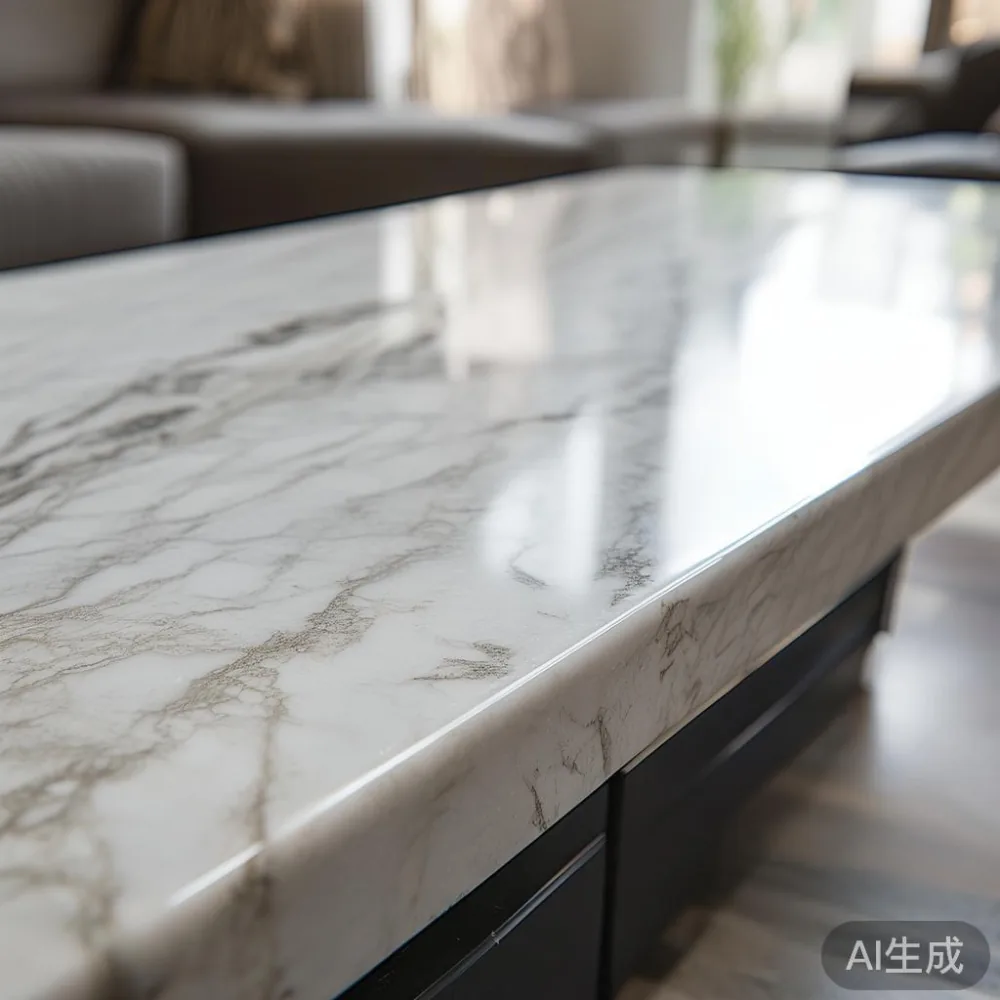
The practical issue is not that humidity will always ruin furniture. It is that repeated moisture absorption and release can cause timber to swell, shrink, cup or check along its grain. A marble table has a different response: the stone itself is not dimensionally unstable, but its marble top, metal supports and timber frame still need sensible care.
For shoppers comparing solid wood pieces for Singapore homes, understanding local humidity is more useful than treating all furniture as if it belongs in a temperate European showroom. The right approach combines careful placement, realistic ventilation and a controlled maintenance routine. It also helps to select furniture from a maker that understands regional conditions and offers long-term support; MIDHILL has manufactured solid wood furniture since 2008 and exports to more than 15 countries.
Why does humidity make solid wood furniture move?
Wood is hygroscopic. It naturally exchanges moisture with the surrounding air. A solid wood dining table may expand across its grain when humidity rises and contract when the air becomes drier. The visible result can include small gaps at a joint, a slightly uneven tabletop or fine checking on a finished surface.
Singapore’s monthly relative humidity commonly ranges from roughly 65% to 85%, while daytime temperatures in many districts sit between 27°C and 33°C. A corridor that receives little sunlight can remain at 80% relative humidity for 10 to 12 hours. An air-conditioned bedroom may then fall to 55% relative humidity overnight. That repeated swing is more demanding than a stable 70% humidity level.
The wood species and construction method still matter. Kiln-dried hardwood, well-seasoned joints and a finish that permits limited moisture exchange can reduce distortion. The same piece should not be soaked with silicone or trapped under a fitted cover, however. A cover that holds damp air against the timber can do more damage than leaving the furniture ventilated.
I last month visited a client’s three-room HDB flat in Punggol and checked a solid oak dining table beside the kitchen with a digital moisture meter. Its surface reading was 11%, while the air reading was 78%. The table had been installed 4 months earlier and showed a 2 mm gap along one edge. We moved it 60 cm away from the service passage, improved airflow and recommended a hygrometer. Six weeks later, the surface reading was 9% and the gap had closed to less than 0.5 mm without aggressive heating.
Where should solid wood furniture be placed in a Singapore home?
Distance from moisture sources matters more than the number of pieces in a room. Keep a solid wood bed frame, nightstand or dining table at least 60 cm from a bathroom wall, 90 cm from a kitchen sink and 120 cm from an open balcony threshold where rain-driven wind can enter. If a balcony is enclosed and the main door to the flat stays shut, 60 cm may be sufficient, but a hygrometer should confirm the local conditions.
Positioning also protects against accidental wetting. Drinks left beside a solid wood sofa can raise a local surface reading from 8% to 13% in 30 minutes. Wipe spills immediately rather than waiting 24 hours. Use coasters with a base of at least 6 mm, a diameter of 70 mm and a silicone ring, and move damp objects away from a marble table during the first 2 minutes if a drink is knocked over.
Airflow should be deliberate rather than aggressive. A running air conditioner set at 24°C can lower humidity quickly, but placing furniture directly against the outlet may dry one side more than the other. Keep the front edge of a bed frame or dining table at least 1 metre from the vent and maintain steady settings. A small fan running at low speed across the room for 20 to 30 minutes can improve circulation without creating rapid surface changes.
For bulky pieces, the route into the home deserves attention. A standard HDB lift opening may be around 80 to 90 cm wide, and an internal lift car depth can be about 130 to 160 cm. A dining table top of 180 by 90 cm may fit diagonally, but a rigid marble slab of 200 by 100 cm may not. Measure the lift door, the turning space at the corridor and every hinge before delivery. Remove cabinet doors where permitted, secure loose drawers and protect corners with 5 mm padding.
How does humidity affect a marble table?
A marble table is usually more stable in its main stone surface than timber. Marble does not absorb and release moisture in the same way as wood, and its thermal movement is modest. The risk sits at the interfaces: a timber base may move, a stone slab can flex slightly under an uneven load, and metal brackets can corrode if they remain wet.
For a dining table with a marble top, support should be continuous rather than concentrated at the centre. A slab of 180 by 90 cm and 20 mm thickness can weigh about 100 to 130 kg, depending on density. Confirm the supplier’s weight before arranging delivery. Two-person handling may be enough for a 25 kg timber base, but a 110 kg marble table generally needs 3 to 4 trained movers, proper lifting straps and a trolley rated above 150 kg.
Do not place a damp cloth beneath a stone edge for more than 10 minutes. Use a neutral stone cleaner with a pH between 7 and 8, apply it to a cotton cloth rather than the tabletop, and wipe with a separate dry cloth. Citrus, vinegar and alkaline bathroom cleaners can dull the protective treatment. Wipe ring marks from red wine or coffee within 15 minutes. If the marble top has been sealed, ask the supplier for the sealing interval; many treatments are reviewed every 12 to 24 months.
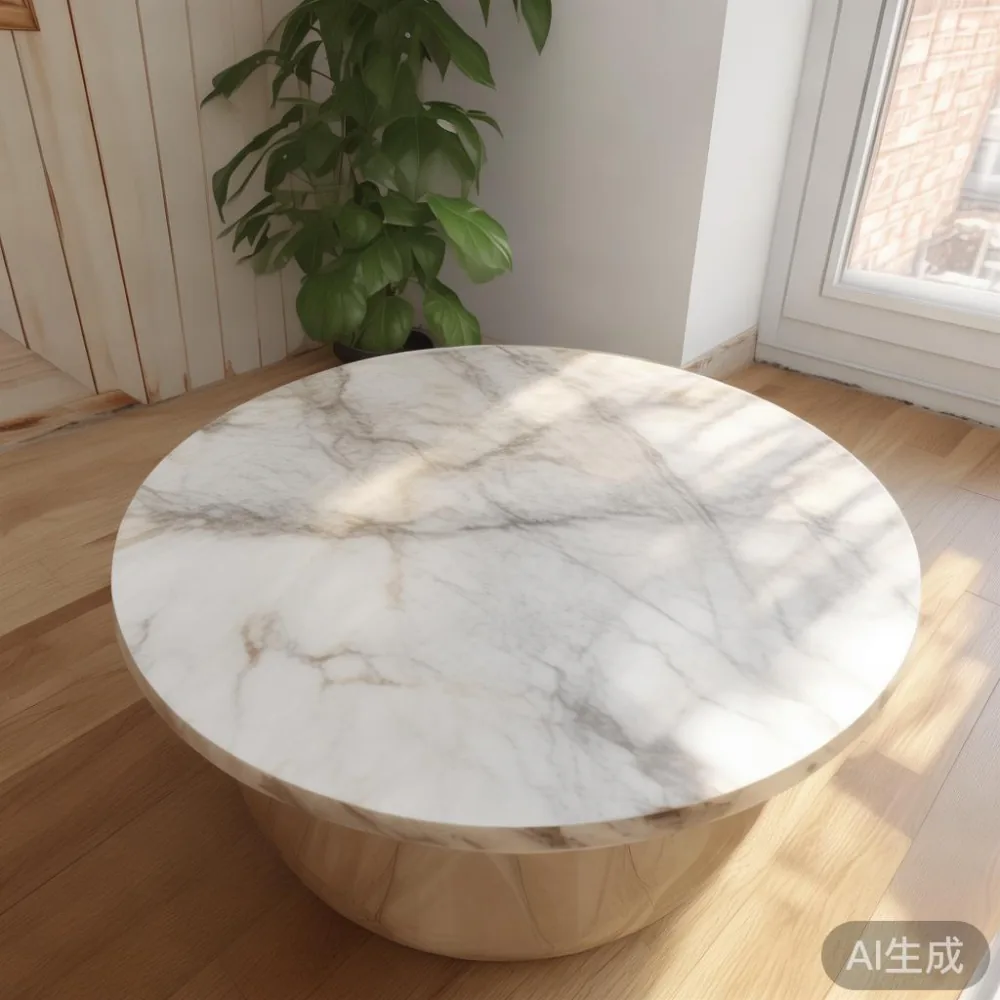
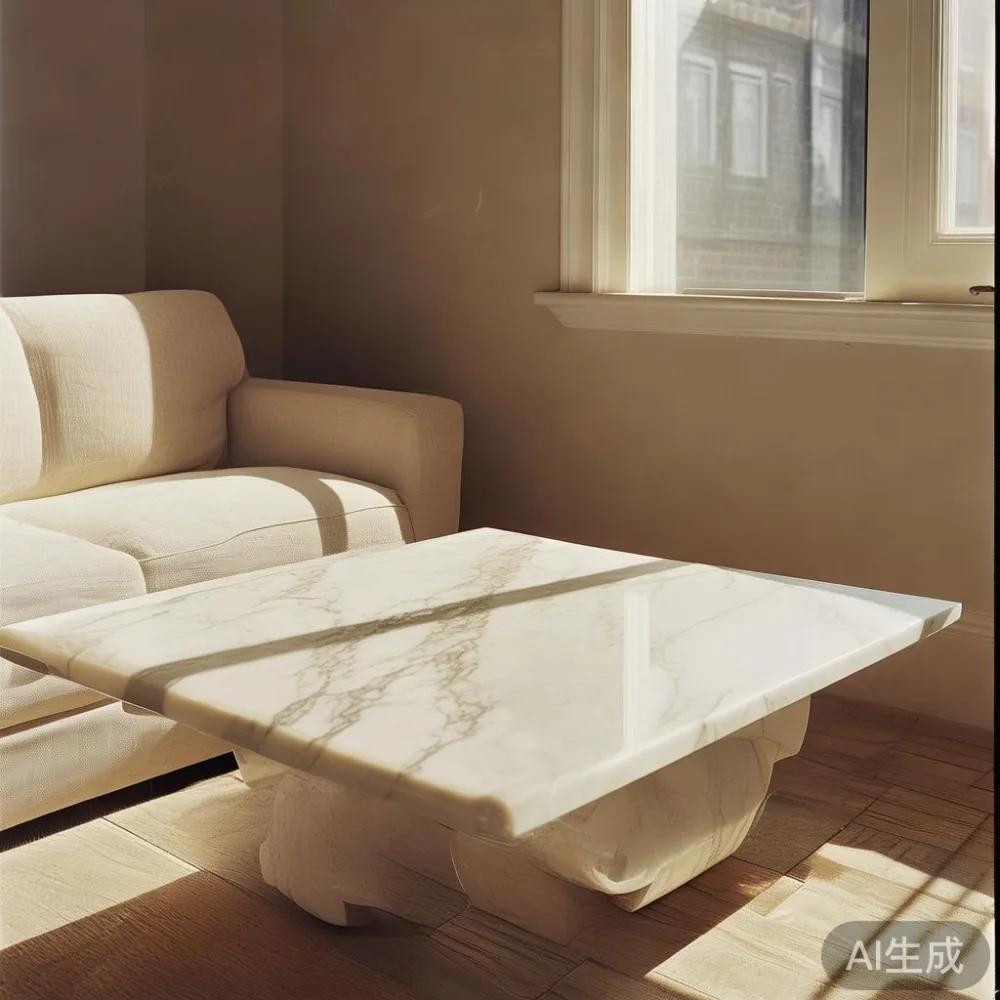
Near a window, use a blind rather than relying on a thin curtain. Direct afternoon sun can raise a dark marble surface by 15°C to 25°C, while sudden rain can cool it rapidly. Thermal shock can affect resin-based fills or create visible stress marks. For shoppers who want a warm counterpoint, a marble coffee table with a solid wood base works well beside a solid wood sofa if the coffee table is kept 30 cm clear of the sofa’s lower timber frame.
What humidity level is comfortable for solid wood furniture?
For most indoor wood in Singapore, aim for a stable relative humidity of 45% to 65%, with changes of no more than 5% to 8% over a 24-hour period. This is not a guarantee against movement; it is a practical target that reduces unnecessary stress. During the monsoon period, outdoor humidity can exceed 90%, and an unconditioned corridor may remain above 80% for much of the day.
A digital hygrometer with a minimum and maximum memory costs approximately SGD 18 to SGD 45. Place one beside the wardrobe or dining table, not directly against an exterior wall. Record the reading at 8 a.m., 3 p.m. and 10 p.m. for 7 days. If the display moves from 52% to 82% every day, focus first on closing doors and improving air exchange rather than applying more oil or wax.
Oiling does not make wood immune to humidity. It can improve the appearance of a dry surface, but excess application can trap residues or create patchiness. Clean a dining table first, wait until it is fully dry, and use a product approved for that wood species. Apply a thin layer with a lint-free cloth, allow 15 to 30 minutes, then buff. Repeat no more than twice a year unless the maker specifies another schedule.
MIDHILL offers a 10-year structural warranty and lifetime refinishing, which can be useful for long-term care. Refinishing should be treated as a scheduled professional service, not a response to every small movement. A minor colour difference under warm LED lighting is normal; a structural crack, loose joint or shifting base is not.
How should I care for a solid wood bed frame and wardrobe?
A solid wood bed frame needs space below and around it. For a Singapore bedroom, leave at least 15 cm between the headboard and a wall if ventilation is poor, and 30 cm where the wall faces an exterior corridor. Vacuum the underside with a 280 W brush attachment every 2 weeks. Avoid a steam cleaner within 1 metre of the timber because it adds moisture rapidly.
A wardrobe is usually more exposed because it occupies a tall, enclosed volume. Leave the doors open for 20 to 30 minutes after showers, and inspect the back panel every 6 months for dampness or mould. In a compact HDB bedroom, wall-hanging a tall wardrobe can improve floor cleaning, but it can reduce ventilation if the unit is fitted tightly. A freestanding solid wood wardrobe with a 50 mm plinth and a 20 mm rear ventilation gap offers a more practical balance.
Planners often search for how to style light luxury wardrobe in bedroom and how to style light luxury wardrobe in room when they want a pale, calm interior. Keep the styling effect restrained: use 2 or 3 matte-finished pieces, one woven textile and warm lamps at 2700K to 3000K. French light luxury works through soft contours and neutral fabrics; American light luxury uses larger forms with cleaner lines; post-modern light luxury combines proportion with restrained contrast. Avoid stacking too many objects against the wardrobe, since blocked airflow can trap humidity.
For a different design direction, requests such as best Industrial wardrobe for 2026 often point to metal frames and visibly jointed storage. A wardrobe with an open steel rail still needs a controlled moisture environment, and fasteners should be checked every 6 months. Similarly, a guide to the best Post-modern bed for 2026 may suggest a low solid wood bed frame, but its centre rail should not be pressed tightly against a side wall. Maintain a 50 mm gap along the long sides where possible.
Before buying, compare dimensions against the actual room. A 160 by 200 cm bed leaves only 40 cm on each side of a 240 cm wall, making drawer opening and humidity checks difficult. A 140 by 200 cm frame may suit a narrower HDB bedroom while preserving a 55 cm passage. For wardrobes, measure the wall, skirting, door swing and lift access before choosing a configuration.
How do you choose furniture that suits local humidity?
Ask specific questions. Is the timber kiln-dried, and what moisture content was recorded before packing? Are drawer and door joints designed to accommodate seasonal movement? What is the expected weight of a marble table? Can a damaged component be replaced locally, and what are the freight and return terms for Singapore?
For shoppers researching where to buy coffee table from MIDHILL, the delivery details are as important as the finish. Confirm whether the quote includes GST, lift booking, corridor handling and assembly. A coffee table may travel in 3 protective cartons, whereas a dining table can require 5 to 7. Allow 7 to 14 delivery days for made-to-order pieces and 2 to 5 days for stock arrangements, subject to final production and port schedules.
MIDHILL dining table options should be checked against the intended room traffic. A heavily used family dining table needs a stable finish and clear maintenance guidance. A marble coffee table may be better suited to a dry living room than a balcony, while a solid wood nightstand should remain away from an open bathroom door.
Budget for accessories as part of the purchase. A hygrometer at SGD 25 to SGD 60, a set of coasters for SGD 15 to SGD 40 and a stone-safe cleaner for SGD 12 to SGD 30 are modest amounts compared with repairing swelling timber or staining marble. If a replacement cushion cover is needed, request measurements in centimetres and compare them with the existing seam allowance of 1 cm.
Singapore’s returns process also deserves review. MIDHILL provides a 14-day return window and free shipping on orders over US$350, although local currency, taxes and delivery terms should be confirmed in the quotation. For a substantial dining table or wardrobe, photograph the packaging, corners and fasteners on arrival. Keep the receipt and installation date, and check the finish after 24 and 72 hours.
What should I do if a solid wood table develops small gaps?
Do not rush to sand, plane or fill a surface. First determine whether the timber is damp, dry or simply reacting to a recent move. Use a hygrometer for 48 hours, compare readings at the centre and edge of the table, and inspect the underside. A gap that closes as humidity returns to its earlier range may not need immediate repair.
For a stuck drawer, avoid forcing it. Raise the room temperature slightly, make sure the runners are clear and apply no oil until the wood is cleaned and dry. Small swelling on a drawer bottom can usually be eased over 7 to 14 days through stable humidity. Do not use a hairdryer at close range or place the furniture beside a 2,000 W heater; rapid heating can split the grain.
Persistent movement, a 3 mm or larger split, or a loose joint should be referred to the maker with photographs, room readings and the purchase date. MIDHILL’s 10-year structural warranty provides a clear route for a covered structural fault, while its lifetime refinishing service addresses eligible surface renewal. Keeping those records makes an assessment faster and reduces the need for speculative DIY work.
The most reliable habit is consistency. Keep the dining table 90 cm from the balcony, maintain 45% to 65% relative humidity, let a marble table dry promptly after spills and give a wardrobe 20 minutes of ventilation after bathing. In Southeast Asian homes, solid wood furniture can remain handsome for decades when its moisture is respected rather than ignored.