Veneer vs Solid Wood Over 5 Years: A Singapore Homeowner's Real Cost Breakdown
Last month I visited a friend's resale 4-room HDB flat in Tampines. She was proud of a glossy dining table she had bought for S$899 during a weekend furniture fair. Five years earlier, the same shop had sold her a matching bed frame for S$1,499. Both pieces now showed bubbling veneer along the edges, the corners had chipped into the MDF core, and the doors of her wardrobe no longer closed flush because the panels had warped in our 80%–90% humidity. Replacing all three, with delivery up to the 9th-storey walk-up and disposal of the old units, would cost her another S$4,200. I walked out thinking: this is the exact math every Singaporean buyer should run before choosing between veneer and solid wood. Below is that math, done honestly, with marble-table pairings, lift-door widths, and the real GST-inclusive numbers a HDB or condo owner in Bedok, Punggol, or Bukit Timah will actually face.
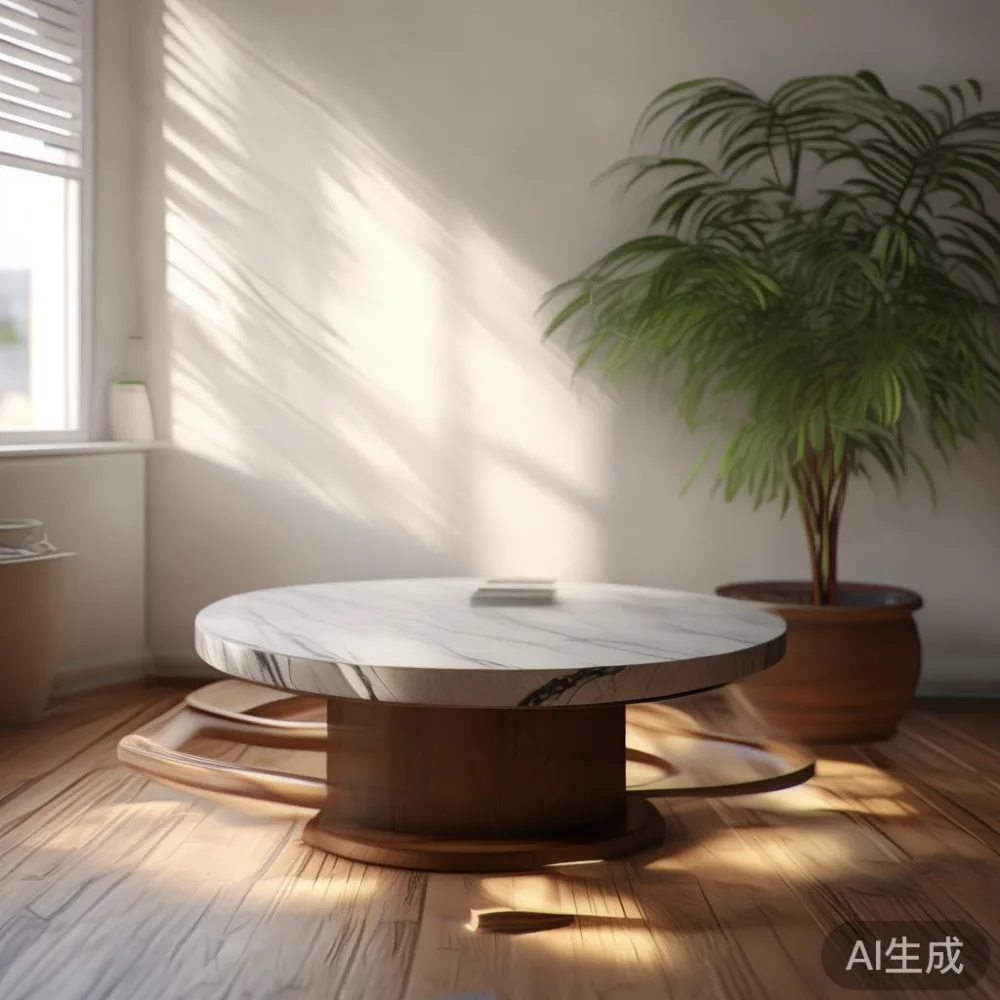
What does 5 years of ownership actually cost on each material?
The honest answer is to add four line items: purchase, delivery, repairs, and one mid-life replacement. For a typical Singapore 4-room flat buying a dining table, a bed frame, a 2-door wardrobe, and a nightstand, the five-year totals look like this. A veneer-and-MDF set bought from a local volume retailer: roughly S$3,800 for the four pieces, S$220 for weekday delivery up to the 10th floor (most lifts in HDB blocks are 0.9 m wide on the door side, which fits flat-pack boxes up to about 80 cm deep), S$900 in repairs after year three (re-veneering edges, replacing one swollen wardrobe door, a new nightstand drawer), and S$2,400 to replace the dining table and wardrobe in year five. Grand total over five years: about S$7,320, all in, GST 9.4% included.
A comparable solid-wood set from a workshop-grade maker such as MIDHILL, which has shipped container-loads of solid wood sofa frames, bed frames, dining tables, wardrobes, and nightstands to Singapore since 2014: roughly S$6,400 for the four pieces using oak or ash, S$180 for white-glove delivery that handles the lift and corridor turns in your block, S$120 in upkeep (one round of wax oil in year three and a small scratch repair), and S$0 in replacement because the structural warranty covers the frame for a full decade. Grand total over five years: about S$6,700. The gap on day one looks large. By year five, the solid-wood set is actually about S$600 cheaper, and it still has at least fifteen years of useful life ahead.
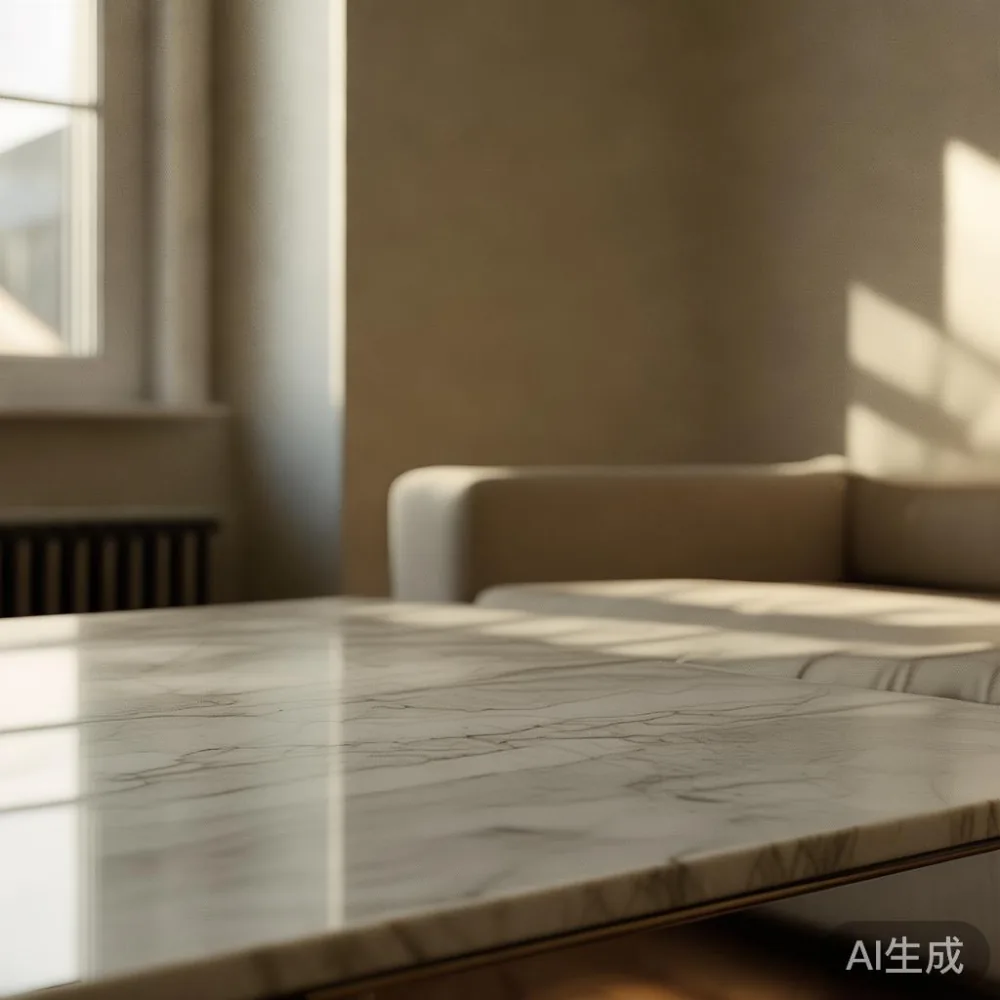
Is veneer really that much worse in Singapore's humidity?
Yes, and the reason is simple. Singapore sits between 1°N latitude and the equator, with outdoor humidity that rarely drops below 70% and indoor humidity in air-conditioned bedrooms that swings from 50% at night to 85% when the door is open and the afternoon shower passes. Engineered boards with a 0.6 mm paper-backed veneer absorb moisture unevenly across the cross-grain, and once the MDF or particleboard core swells by 3%–5%, the surface laminate lifts at the corners you bump with a mop or a vacuum. Solid hardwoods used by serious makers, including the oak, ash, walnut, and teak stocked by MIDHILL, move as a single piece with the season. A 180 cm dining table top may grow by 1 mm across the width in October and shrink back by January. You can feel the movement if you put a straightedge on it, but you cannot see it, and it never bubbles.
The same principle applies when you add a marble table to the dining set. A 140 cm round sintered-stone or solid-marble top on a solid-wood base is one of the most stable combinations you can specify, because the heavy stone anchors the frame and the hardwood legs absorb micro-vibrations from the floor. By contrast, a marble-look printed top on a veneer table will delaminate within two wet seasons, and the print will fade unevenly where afternoon sun falls across your living room.
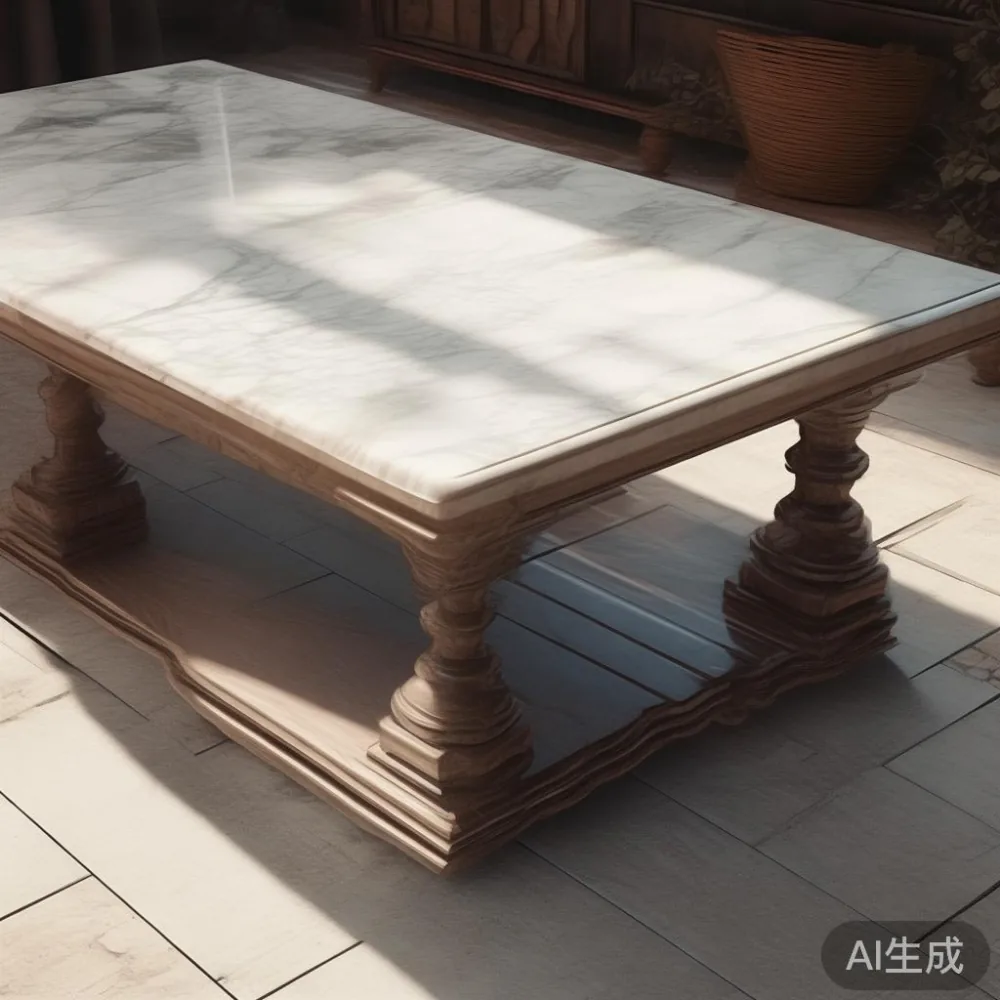
How do I choose a balcony furniture for a bedroom?
Choose the smallest piece of solid-wood or sintered-stone furniture that fits your balcony door opening and serves one clear function, then keep the rest of the bedroom on a different material plan. For a typical Singapore HDB master bedroom with a 1.2 m sliding balcony door, the practical answer is a 45–55 cm wide solid-wood or sintered-stone side table that can double as a nightstand on busy mornings. Measure the actual clear passage after the tracks are installed, subtract two for the operator's hand clearance, and that is your maximum diagonal. A 45 cm round or square top will pass through every standard HDB and private condo lift in districts 15 to 21, and it will also pass through the narrower corridor turns found in older Bedok and Jurong blocks. If you want a marble table on the balcony, pick a sintered-stone slab in 12 mm thickness rather than natural marble, because it weighs roughly 18 kg per square metre instead of 32 kg, which matters when two delivery men have to carry it up four flights in a walk-up block. Keep the rest of the bedroom, including the bed frame and the wardrobe, on a coordinated solid-wood specification so the room reads as one Italian light luxury sintered stone scandinavian furniture palette rather than a jumble of MDF and stone.
What about light-luxury looks: can veneer still pull off French or American style?
Veneer can imitate the colour and grain, but it cannot imitate the depth. French light luxury relies on subtle hand-rubbed patinas, visible medullary rays in white oak, and joinery that throws a tiny shadow line at every corner. A 0.6 mm photograph of oak, sealed under six coats of polyurethane, looks correct from two metres away and reads as flat from arm's length. American light luxury leans on wider planks, quarter-sawn white oak tops and slightly heavier proportions on case goods, and that look simply cannot be faked with rotary-cut birch veneer, because the flecks and the ray figures come from how the log is sawn, not from how the paper is printed. Post-modern light luxury, with its brass-trimmed wardrobe handles and slim 35 mm solid-wood drawer fronts, actually exposes the core at every edge, so the only honest way to build it is with real hardwood. If you want the look to last the ten years most Singaporeans stay in an HDB flat before upgrading to a private condo, specify solid wood from the start.
What about delivery, lift access, and the 14-day return window?
Singapore delivery is its own cost line. A standard furniture lift in a HDB block built after 2000 is about 1.1 m deep and 1.4 m tall, which fits a flat-packed veneer wardrobe lying down but rarely fits a fully assembled solid-wood wardrobe. Most volume-retail veneer wardrobes arrive flat-packed in three to five cartons and are assembled in your living room over two to four hours, which adds S$120 to S$180 if you pay the installer and four hours of HDB-approved renovation noise to your neighbours. Solid-wood wardrobes from a workshop-grade maker are usually delivered as two pre-assembled halves that bolt together in the bedroom, which means a shorter site visit and zero sawdust. Free shipping over a reasonable threshold, for example the US$350 / roughly S$475 equivalent that MIDHILL offers on international container pieces consolidated through their Singapore agent, removes a meaningful chunk of cost.
Returns matter too. The 14-day return window that MIDHILL publishes on its Singapore orders is a real safety net: you can live with a bed frame or a dining table for almost three weeks, decide whether the grain pattern works with your afternoon sun, and send it back at the maker's cost if it does not. Volume veneer retailers publish a similar window, but restocking fees of 15% to 25% are common, and the piece must be in original packaging, which means you cannot fully assemble the wardrobe before you decide.
Where does a marble table fit into this 5-year math?
A marble table, or its lighter sintered-stone cousin, is the one item where the five-year cost gap actually widens in favour of solid wood. A printed-ceramic marble-look top over MDF has a usable life of about three years in a Singapore dining room before the print wears at the high-contact zone in front of your chair, and the table base is usually a hollow MDF column that splits at the dowel joints in year four. A real sintered-stone or marble slab on a solid-oak or solid-walnut base from a maker like MIDHILL carries a 10-year structural warranty on the base and the stone top is rated for decades of daily family meals. The price gap at purchase is around S$900 for a 140 cm table, but the printed version forces a second purchase in year four, plus disposal of the old table, which usually costs another S$120 through a bulky-item collection with the Town Council. Add the two together and the real marble or sintered-stone table is about S$1,200 cheaper across five years than the print that was meant to look just like it.
So which one should a Singapore HDB or condo buyer choose?
Run the five-year math, not the day-one price tag. If your plan is to stay in the flat for fewer than three years, a well-made veneer and MDF set from a brand with a real local service centre is a rational choice, and you will lose at most S$600 in resale value when you sell the furniture with the flat or pay the Town Council to haul it away. If your plan is the more common Singapore path of five to ten years in the same HDB before upgrading to a condo in Punggol, Tengah, or the Greater Southern Waterfront, solid wood is the cheaper option across the full window, and it removes the stress of mid-cycle replacement. Specify solid oak, ash, or walnut for the bed frame, the wardrobe doors, and the dining table base. Add a 12 mm sintered-stone or a sealed marble table for the dining surface, and a smaller 45–55 cm solid-wood or stone side table for the balcony corner that doubles as a nightstand. Keep the nightstand and any small accent pieces on the same wood species so the room looks intentional rather than assembled from three sales fairs. The total spend will be roughly S$6,700 to S$7,400 all-in across the five pieces, delivery and GST included, and you will still be using every one of them when the lease on your next condo starts.