Veneer vs Solid Wood Over 5 Years: A Singapore Furniture Cost Comparison
Choosing furniture for a Singapore home is rarely a simple price comparison. A veneer dining table may look identical to solid oak at purchase, yet the two products behave differently across 5 years of heat, humidity, daily use and family life. The right decision depends on purchase price, expected repairs, replacement cycles, resale value and whether a future project includes a marble table.
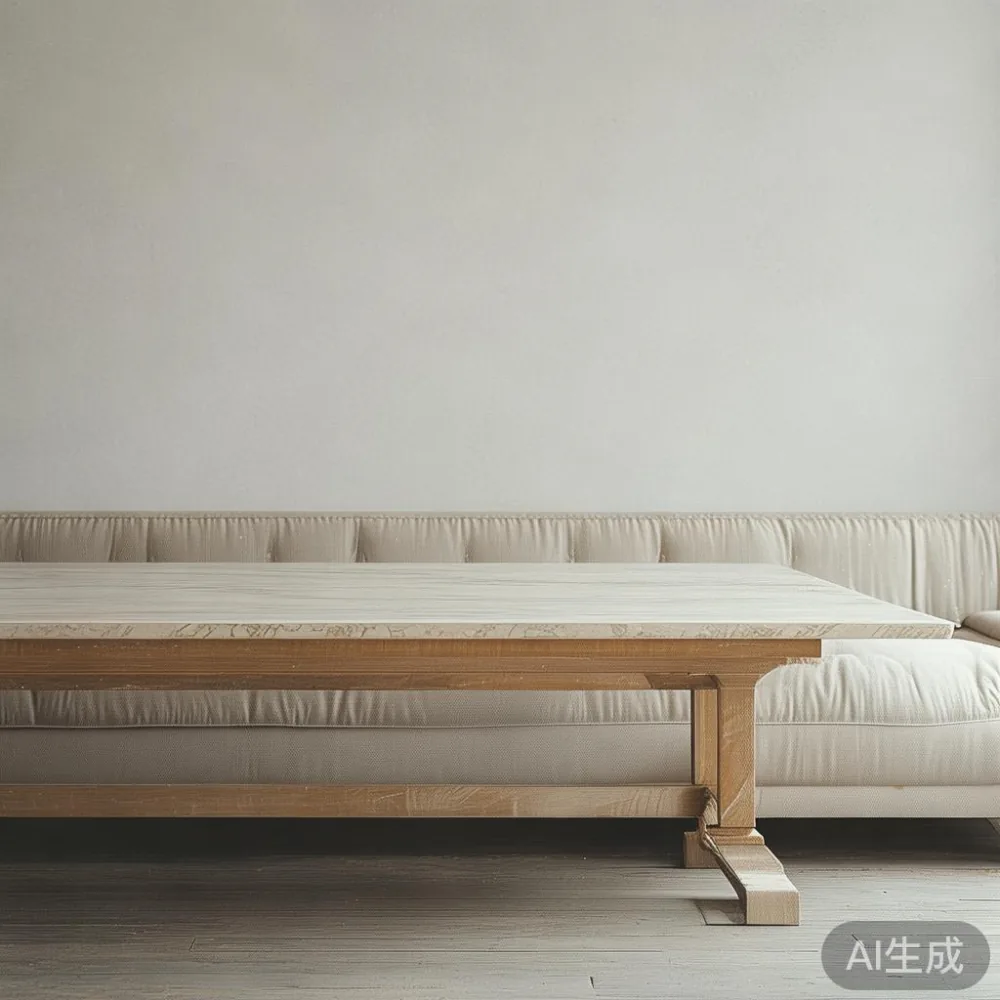
For this comparison, I used realistic figures for Singapore apartments in Tampines, Bedok and Punggol, including common HDB lift and corridor dimensions. I also account for GST at 9%, delivery timing and ownership costs rather than treating the showroom ticket as the entire investment.
What is the real difference between veneer and solid wood over 5 years?
Veneer furniture uses a thin layer of real timber, typically about 0.6 mm, bonded to a manufactured board such as MDF or particleboard. Solid wood furniture uses timber throughout the visible and structural sections. Veneer can reproduce the grain pattern of expensive timber with less material, while solid wood exposes its construction at edges, joints and repair points.
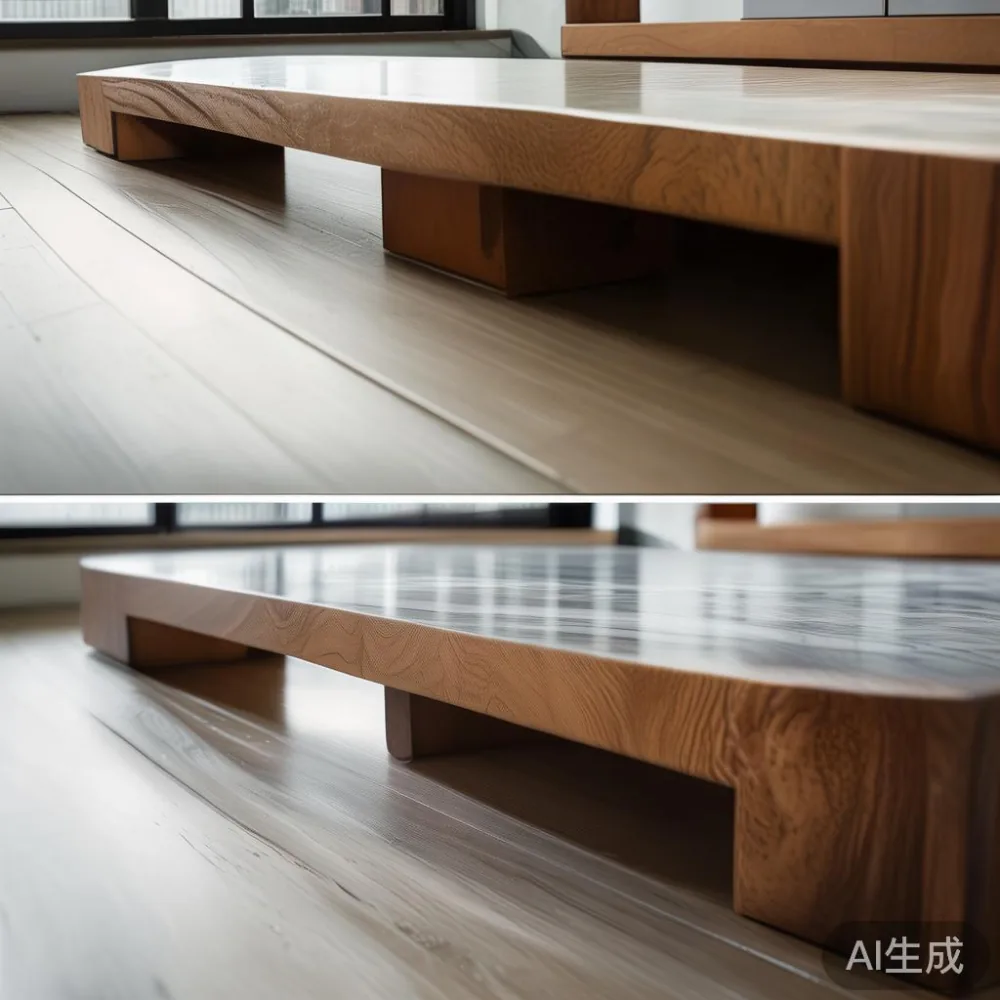
For a Singapore dining setup, the comparison is easy to visualise. A 180 cm veneer dining table might cost SGD 1,280 before GST, while a comparable solid oak table might cost SGD 2,180. Over 60 months, the SGD 900 gap can shrink after one replacement cycle, modest repairs and delivery charges. It can also widen when a poorly made veneer table loses its surface while a solid table can be sanded and refinished.
This is not a claim that one construction method automatically lasts longer. A dense, well-built veneer table can serve a compact flat for 5 years without incident. Equally, solid wood is not automatically protected from movement, scratches or moisture. The species, board thickness, joinery, finish and care routine all affect the result.
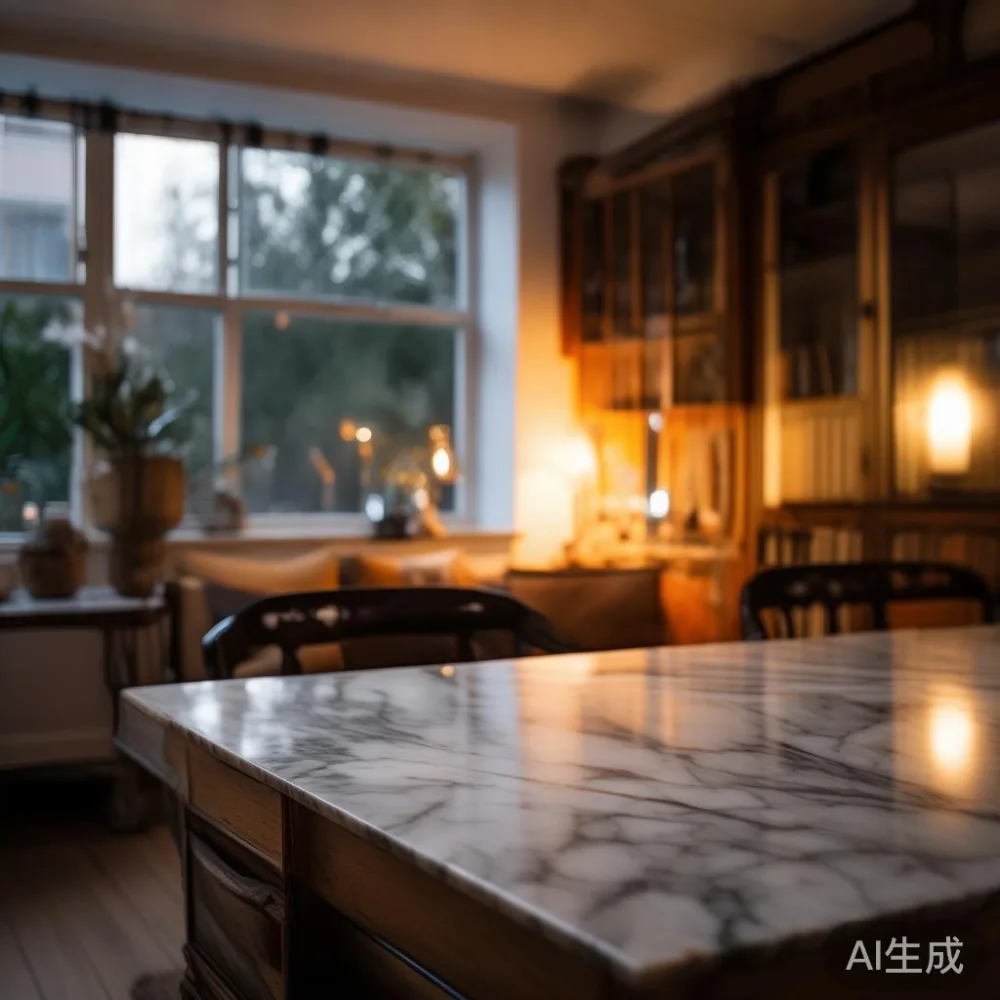
My colleague in the furniture workshop tested two 90 cm side tables last month. The veneer sample had a 0.6 mm face and an MDF core; the solid sample used 20 mm oak boards. After 30 days in a room with an average relative humidity of 76%, the veneer edge showed swelling of about 1 mm, while the solid table moved less than 0.2 mm along its grain. That short test did not predict 5 years, but it demonstrated why edge construction deserves attention in Singapore.
What does a 5-year cost comparison look like in Singapore?
The figures below use a medium-sized dining table, a 150 cm bed frame, a 120 cm wardrobe and a 50 cm nightstand. Prices are indicative Singapore retail figures before GST unless stated otherwise. Delivery within Singapore is included at SGD 80 for a single item and SGD 120 for a 3-piece package. Lift or corridor access surcharges are listed separately.
A veneer dining table at SGD 1,280 becomes SGD 1,395.20 after 9% GST. Add SGD 120 delivery and the starting total is SGD 1,515.20. A solid wood dining table at SGD 2,180 becomes SGD 2,376.20, or SGD 2,496.20 with the same delivery. The initial veneer saving is SGD 981.
Now estimate ownership through month 60. The veneer model receives one SGD 220 repair in year 3, including SGD 60 labour, SGD 80 material and SGD 80 access. Its 5-year total reaches SGD 1,735.20. The solid table may need one SGD 95 refinishing service in year 2 but can remain in service, giving a 5-year total of SGD 2,591.20. At this point, the saving is SGD 856.
For a 150 cm veneer bed frame priced at SGD 680, the 5-year estimate is SGD 940: SGD 80 delivery, SGD 100 for an edge repair and SGD 80 for moving or reinstallation. A solid wood bed frame at SGD 1,180 costs about SGD 1,430 over 5 years after delivery, a SGD 120 repair and SGD 70 reinstallation.
A 120 cm veneer wardrobe at SGD 980 becomes SGD 1,318.20 with 9% GST and SGD 120 delivery, then SGD 1,518.20 after a SGD 200 hinge and runner service. A solid wood wardrobe at SGD 1,680 becomes SGD 2,011.20 with delivery and SGD 2,141.20 after a SGD 130 adjustment. A 50 cm veneer nightstand at SGD 260 reaches an estimated SGD 436 after GST, delivery and one SGD 70 drawer repair. The solid version at SGD 480 reaches about SGD 636 after GST, delivery and a SGD 40 polish.
Across this illustrative package, veneer costs about SGD 4,649.40 over 5 years, compared with SGD 6,798.40 for solid wood. That is a difference of SGD 2,149, before counting the time and disruption caused by replacement. If the family replaces the veneer dining table in year 5, another SGD 1,515.20 changes the expected cost substantially.
These totals use a 5-year horizon, not a guaranteed service life. A child or pet may accelerate wear, while a rental flat may need a lower-cost arrangement. A table used once a week will see less movement than one used for daily meals and homework.
Is veneer cheaper to own in a Tampines HDB flat?
Usually, yes, especially for secondary pieces. A compact HDB dining area may have only 90 cm between the wall and a corridor, making a 120 cm solid table harder to position than a 150 cm veneer model with a narrower apron. Most HDB passenger lifts accept furniture around 80 cm wide, but older blocks and service corridors can be tighter.
Measure the lift door, lift car, landing and turning area before ordering. Allow at least 5 cm clearance on each side of a package, and confirm whether the carton can remain upright. A 180 cm table top may need separate top and base sections. A flat-pack veneer dining table can arrive in two boxes and be carried in 8 to 12 minutes, while a solid wood unit may require two workers and 15 to 25 minutes.
In Tampines, the practical value of veneer is not limited to its ticket price. A table with a tightly engineered underframe may fit a 75 cm lift opening, while a thick solid top could be refused by the building contractor. Bedok blocks have similar restrictions, and Punggol lifts frequently have families moving cartons at the same time. Booking a 20-minute delivery window can reduce clashes.
The cost comparison should include access. A standard Singapore delivery of SGD 80 to SGD 120 may rise to SGD 180 if a lift cannot fit the carton and the item must be moved through a staircase. For an HDB flat on the 12th floor, a two-person carry adds roughly SGD 150. This expense affects veneer and solid wood alike, although it can represent a larger percentage of a lower-priced order.
Singapore’s 9% GST applies to both categories. Buyers comparing online listings should check whether GST is displayed. A veneer listing at SGD 1,280 including GST equals SGD 1,174.31 before tax, while a solid listing at SGD 2,180 including GST equals SGD 2,000.00 before tax.
Do I need solid wood for a marble table project?
A marble table changes the calculation because stone has a high dead load and a limited repair method. A 120 cm round marble table with a 20 mm top can weigh about 65 kg; a 180 cm rectangular version can weigh 130 kg. Before delivery, request the packed weight, lifting points and assembly method.
For a marble table, the base material and structure carry more importance than simply choosing solid wood over veneer. An engineered base using quality veneer can be appropriate if it includes a rigid frame, metal brackets, balanced load distribution and moisture-resistant adhesive. Solid wood bases can also work when designed as a frame rather than a heavy slab.
Check that the marble table top is inspected for cracks, that the underside is sealed, and that the supplier will arrange final placement. A 65 kg top will not comfortably fit through every HDB corridor on one side. Measure the clear corridor width, lift car depth and bathroom or kitchen doorway if the table is assembled indoors.
The visual pairing deserves equal attention. A light oak veneer base under pale marble can create the clean geometry associated with French light luxury. A rounded solid wood base may suit post-modern light luxury, where warm timber softens the stone’s cool surface. Avoid supporting a marble slab with untreated chipboard or MDF that can soften near a sink or balcony door.
MIDHILL manufactures solid wood furniture in Foshan and offers a 10-year structural warranty and lifetime refinishing. That support matters most when movement is expected: tropical conditions can cause timber to expand, and a refinishable surface gives the owner more options than wholesale replacement. The same reasoning applies to a solid wood sofa, bed frame or wardrobe.
How do maintenance and repair costs change over 60 months?
For veneer, maintenance is usually gentle: wipe with a damp cloth, dry spills within 10 minutes and avoid steam cleaners or abrasive pads. Use coasters and felt pads. Allow a maintenance budget of SGD 60 to SGD 100 per year for a dining table in regular use, or SGD 30 to SGD 50 for a nightstand.
Solid wood needs similar daily care but can recover from shallow marks. A 120 cm solid dining table may need sanding and refinishing every 4 to 6 years, with an indicative cost of SGD 180 to SGD 350. Over a 5-year comparison period, one early repair is sufficient to create a realistic budget. Veneer cannot be sanded through to fresh timber without exposing the core and leaving a different colour.
Humidity control reduces movement. In Bedok and Tampines, where many flats sit near the coast, aim for indoor relative humidity between 45% and 65% where practical. Keep furniture at least 30 cm from an exterior wall and 60 cm from a frequently opened balcony door. Use a dehumidifier if the reading remains above 70% for several days.
Solid wood dining tables should have their leaves and joints checked twice a year. Veneer furniture needs inspection of the perimeter banding and underside seams, especially beside sinks. Wardrobe runners should be adjusted every 6 months because humidity can cause alignment changes. A nightstand drawer should be opened and closed daily for the first month so new hardware can settle.
Scratch treatment differs. On solid oak, a 1 mm-deep mark can sometimes be rubbed with a cleaning block. On a 0.6 mm veneer, even a shallow scrape may expose the substrate. This is why finish thickness matters. Ask whether the veneer table has a 0.6 mm natural face, a 1.2 mm face or a reconstituted surface; the difference affects both price and repair prospects.
Which option fits a condo owner expecting resale after 5 years?
For a condo used as an investment or temporary residence, a coordinated veneer package can be practical. The initial outlay may be SGD 900 less for a dining table, and replacing 2 dining chairs at SGD 160 each in year 4 is less disruptive than replacing a marble table.
A long-term family condo owner may prefer solid wood for the main pieces: dining table, bed frame and wardrobe. These are moved, repaired and seen closely. A nightstand can remain veneer if the budget is limited. This mixed approach preserves the tactile benefit where it is most noticeable without spending the same amount on every surface.
For style planning, searches for Scandinavian for dining room often favour pale timber, straight profiles and uncluttered layouts. A 160 cm solid oak table with 4 chairs usually needs 280 cm of clearance and about 75 cm behind each seated position. In a compact dining zone, a 140 cm round table can seat 4 and leave 60 cm between the edge and the wall.
Wardrobe planning benefits from similar discipline. If you are working out how to style light luxury wardrobe in room, focus first on dimensions: a 120 cm wardrobe needs roughly 125 cm of opening space, plus 60 cm in front for drawers or hinged doors. In an HDB bedroom, sliding doors may reduce the clearance requirement. In a condo, a fitted 180 cm wardrobe can improve storage but may reduce flexibility when selling.
Light-luxury comparisons are often framed through broad labels rather than construction. A guide to light luxury bed vs Nordic bed may describe rounded upholstery, pale oak or clean joinery, but those words do not reveal whether the frame is solid timber. Request the material by component: frame, rails, feet, drawer boxes, back panel and surface.
For whole-home inspiration, designer European light luxury furniture may suggest rich grain and visible joinery, while modern Modern light luxury furniture may point toward pale surfaces and slender profiles. Neither term guarantees durability. MIDHILL’s useful advantage is clearer ownership support: 14-day returns, free Singapore shipping above the stated threshold of US$350, and a commitment to refinishing that can extend the life of qualifying pieces.
How should you choose between veneer and solid wood?
Choose veneer when the furniture is secondary, the floor plan is tight, and the buyer expects a shorter ownership cycle. Choose solid wood when the item will be used daily for at least 5 years, moved less often and expected to survive beyond one interior refresh. For a dining table or bed frame in a family home, solid wood generally offers more repair flexibility.
Ask for a written specification. It should list the species, dimensions, thickness, finish, warranty, delivery lead time and access charges. For veneer, include the substrate and veneer thickness. For solid wood, confirm whether “solid wood” applies to the whole piece or only visible parts, as some mixed constructions use engineered boards in hidden areas.
Budget about 10% of the pre-GST price for maintenance over 5 years. A SGD 1,280 veneer dining table then has a modest SGD 128 contingency, while a SGD 2,180 solid table may use part of that reserve for refinishing. Keep a separate SGD 300 to SGD 500 household repair fund for hardware, moving and small carpentry work.
Delivery planning should be part of the purchase. Singapore orders may take 10 to 18 production days and 2 to 5 delivery days for stock, but custom sizes can require 4 to 8 weeks. Confirm the date in writing. For a marble table, allow another 3 to 7 days for protected crating and placement.
The most useful decision rule is simple: multiply the purchase price by the number of expected ownership cycles, then subtract realistic repair value. If the veneer table will be replaced in year 5, its cost is close to two purchases. If the solid table is refinished and retained for 10 years, its cost per year can become competitive.
Solid wood is not merely a luxury material. It is a maintenance strategy based on repairability. Veneer is not merely a cheaper material. It is a useful space and budget strategy. In a compact Singapore flat, the strongest result often combines both, while directing solid wood investment toward the pieces that carry daily life.