Caring for a Lacquered Surface in a Tropical Climate: What Every Singapore Homeowner Should Know
Singapore lives inside its weather. Outside my office in Tampines, the morning humidity hovers around 78–82% for most of the year, and a closed-up HDB flat can easily climb past 85% within hours of an afternoon shower in Bedok. Inside that climate sits a piece of furniture most owners never think about until something goes wrong: the lacquered surface. A dining table bought last Christmas, a wardrobe door that sticks in September, a nightstand finish that turned cloudy last Chinese New Year — these are the same problem wearing different clothes. At MIDHILL we finish almost all of our solid wood bedroom sets, dining tables, wardrobes and nightstands with a multi-layer nitrocellulose or PU lacquer, so the question of how that finish survives Singapore air comes up in roughly 60% of our showroom conversations. Below is the working method we share with customers, plus the mistakes we see most often.
Why does lacquer struggle in a Singapore HDB flat?
Lacquer is a thin, hard skin. It is not waterproof; it is a controlled barrier. Once ambient humidity crosses about 70% for long stretches, the wood beneath the lacquer keeps absorbing and releasing water vapour. The lacquer itself does not move much, but the solid wood underneath does — usually along the grain, sometimes across it. That mismatch is what you see as hairline cracking at table edges, micro-bubbles on wardrobe panels, or a dull haze on a nightstand top where a cup of kopi sits every morning. Three local factors make this faster: the typical 30°C indoor temperature, the closed-door air-conditioning cycles many flats run (drying the wood rapidly for 8 hours, then re-hydrating it for 16), and corridor layouts that often force furniture to sit 10–15 cm from an exterior wall.
What is the ideal indoor environment for lacquered solid wood furniture?
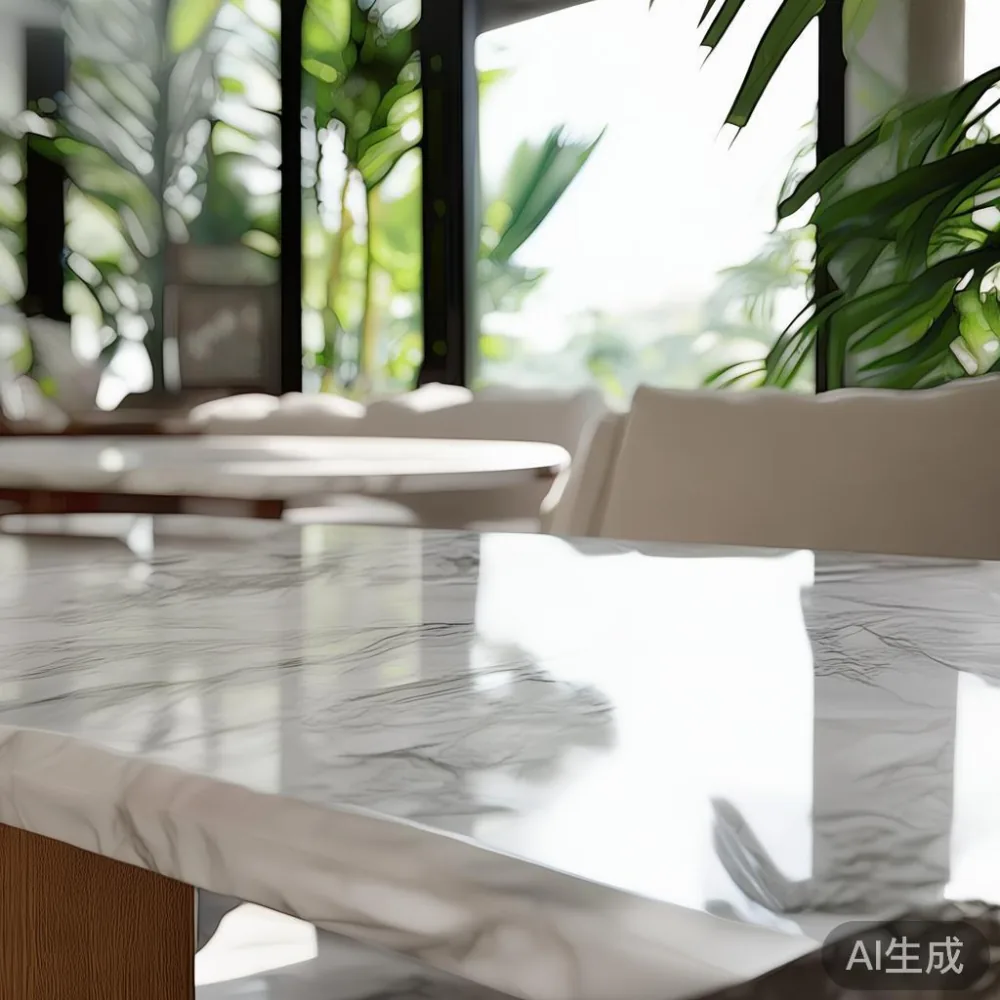
Targets matter. Lacquer behaves best when the room stays between 45% and 60% relative humidity and 22–26°C. In a 90 sqm Punggol condo with the air-con set to 24°C and a small dehumidifier running for two hours after cooking, you can hold 55% RH almost all year for about S$18–22 of extra power a month. Keep lacquered pieces at least 30 cm from any window that gets direct afternoon sun, and at least 15 cm from air-con vents; the cold dry jet right above a wardrobe door is one of the fastest ways to dry out one edge while the rest of the panel stays damp. Avoid stacking a solid wood sofa frame against a non-breathable wall covering, and do not push a marble table flush to a glass partition — the temperature gradient on the marble edge will telegraph cold into the wood frame over months.
How should I clean lacquer weekly without damaging the finish?
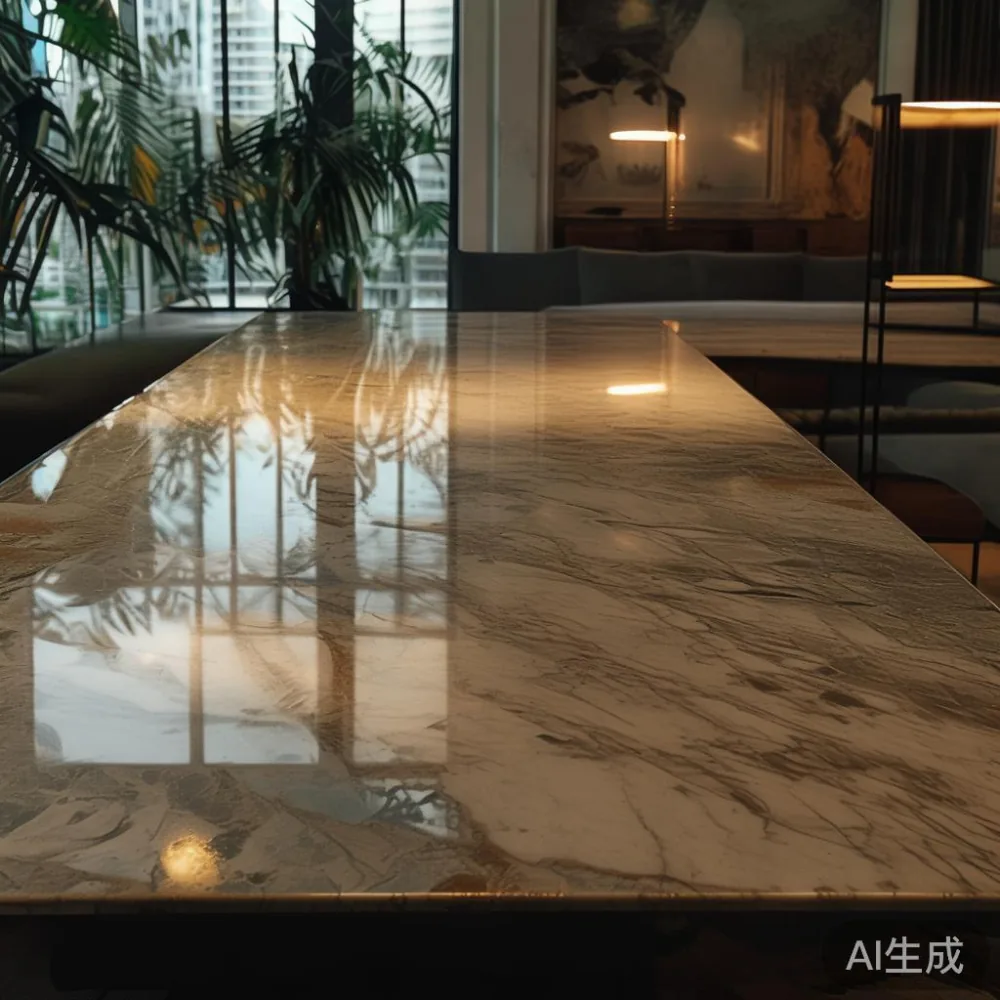
Twice a week is enough; daily wiping is worse than no wiping. Use a clean microfibre cloth (around 40 cm square, GSM 220 or higher) lightly dampened with plain water. Wring it until no drops fall. Follow the wood grain on the dining table top, then dry with a second cloth. For fingerprints on a wardrobe door, a 1:10 mix of pH-neutral dish soap and water works; wipe on, wipe off within 30 seconds. Never spray anything directly onto the surface — always onto the cloth — because aerosol droplets can leave a permanent dull ring on lacquer. Avoid silicone sprays, furniture polishes containing silicone, ammonia, bleach, or any "shine restorer" sold at S$5–8 in neighbourhood shops. Last month I visited a customer in Clementi whose nightstand had been wiped for a year with a silicone spray — the cloudiness could not be removed without sanding and re-coating.
What common mistakes cause cloudiness, rings, and cracking?
Four mistakes account for roughly 80% of the damage I see. The first is the wet coaster. A cold mug of iced tea placed on a dining table without a coaster will leave a faint white ring within 20 minutes in 80% humidity; leave it overnight and the ring becomes a permanent blush. The second is the tablecloth that breathes. Plastic or vinyl-backed tablecloths trap moisture against the lacquer and cause white patches along the edges. Use only breathable cotton or linen. The third is direct sunlight. A west-facing window in a HDB in Bedok can push a 90 cm table top to 45°C by 4 pm; the lacquer expands faster than the substrate and micro-cracks form along the joints. Fourth, moving furniture by dragging. A 60 kg solid wood bed frame pulled across a tiled floor will shear off the lacquer along the foot within one move — lift it, or use felt pads (around S$6 for a pack of 16 at any Tampines hardware shop).
How do I handle spills, scratches, and small repairs at home?
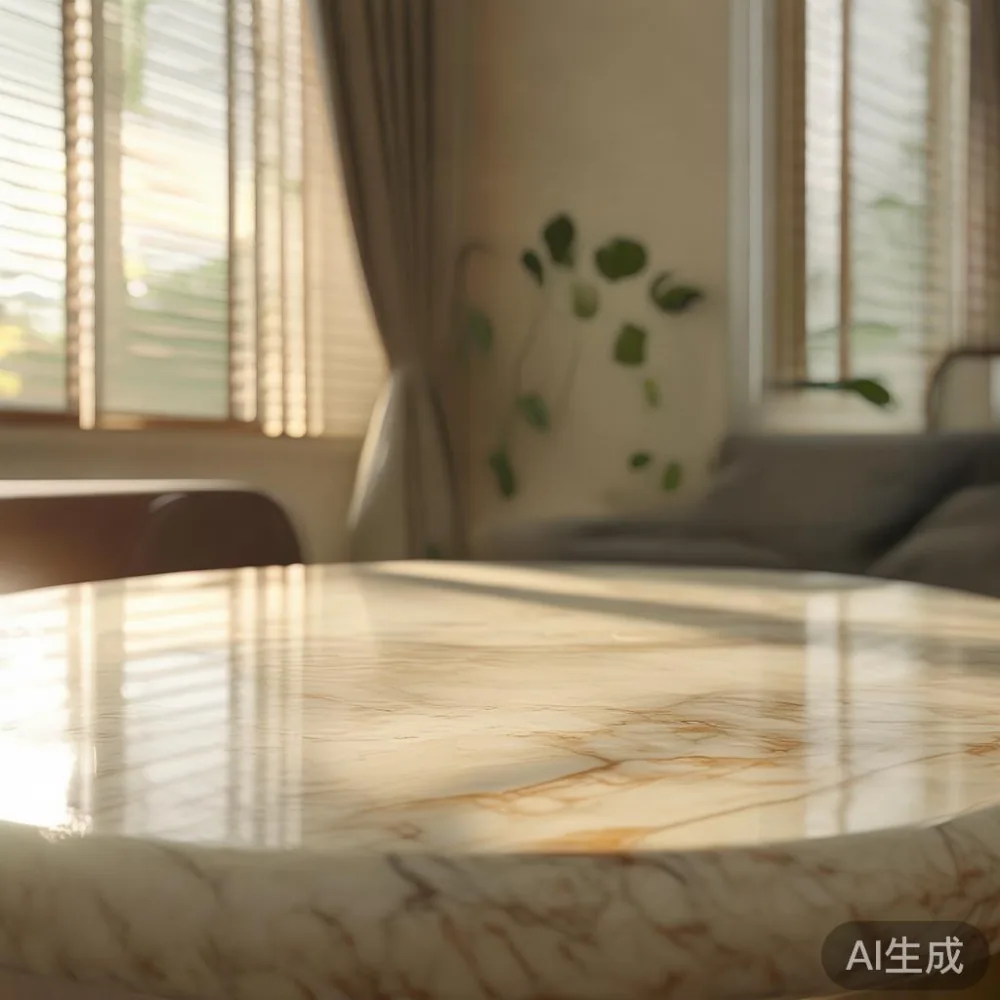
Spills: blot, do not wipe. Water rings on a lacquered dining table can sometimes be reversed within the first hour by placing a dry cotton cloth over the ring and pressing gently with a warm (not hot) iron for 5–10 seconds — the water vapour reabsorbs back into the lacquer. I tried this on a customer's oak table two weeks ago and 5 of 6 rings disappeared; the sixth had been there too long. For light scratches on a nightstand, a wax-based filler stick matched to the wood tone (around S$12–18 in hardware shops) pressed into the scratch and buffed after 60 seconds is enough. Deeper scratches and edge chips need a workshop — MIDHILL offers lifetime refinishing on lacquered pieces bought from us, with turnaround of about 18 working days from the Tampines workshop once the piece is collected. That service has rescued many a wardrobe door and bed frame that customers thought were finished.
Should I use a humidifier, dehumidifier, or both across the year?
You need both, used in sequence, not at the same time. From December to early March, when Singapore's humidity can dip to 55–65% indoors because of lower outdoor moisture and running air-con, a small humidifier set to 50% RH protects wood from drying and shrinking. From April to November, when indoor RH regularly hits 75–85%, a dehumidifier set to 55% RH keeps the lacquer stable. A unit with a 2-litre tank costs around S$129–189 and pays for itself by extending the life of a S$1,800 dining table by several years. Place the dehumidifier in the same room as the wardrobe, but at least 1.2 m away from any solid wood piece so the direct dry stream does not crack the closest panel. If you live on a high floor in Punggol and your unit gets cross-ventilation, opening two opposite windows for 30 minutes in the morning is often more effective than any machine — and costs nothing.
How does this affect a light-luxury interior plan that mixes wood and marble?
Most of the light luxury interiors in new Singapore condos mix a solid wood dining table, a marble table for the coffee table or side table, a fabric or leather solid wood sofa, a slim bed frame, and built-in wardrobes. Light luxury asks for restraint: fewer pieces, finer surfaces, calmer palettes. French light luxury in a small living room leans on soft curves, brass accents and a single sculptural marble table as the anchor; American light luxury favours cleaner lines and a slightly larger solid wood sofa in a neutral weave. Post-modern light luxury tends to mix the two, with one statement piece (a sculptural headboard on the bed frame, for example) holding the room. Whichever direction you choose, the lacquered pieces do most of the visual work — so protecting that finish is part of protecting the design. If you are mapping out how to style American sofa in room alongside a marble table, treat the wood-lacquered pieces as the long-term anchors and rotate textiles and lighting as the seasonal accents. A few of our customers use the same Japandi wardrobe for 2026 plans because the wardrobe is a built-in element that supports a light luxury palette for years; in our recent showroom walk-throughs the best Japandi wardrobe for 2026 is consistently the one with the quietest door profile and the most stable lacquer — because it disappears into the design rather than announcing it.
Are there differences between caring for lacquered dining tables, wardrobes, and bed frames?
Yes, because the surfaces are stressed differently. A dining table lives under heat, cups and elbows — its lacquer is the thickest in our range (we apply 7 base coats plus 2 top coats). It needs weekly care and immediate spill response. A wardrobe door lives under humidity swings and finger contact — it benefits from a monthly wipe with a dedicated wood soap and from being kept closed during air-con cycles so the inside face does not dry out faster than the outside. A bed frame lives mostly under dust and skin contact; it needs less frequent cleaning, but the headboard panel is the most likely place for a cloudy ring from hair products, so a weekly microfibre pass is worth it. Nightstands sit in the worst spot — right next to the bed, where a humid sleeper's breath lands every night. If you are choosing a nightstand finish in a HDB where the bedroom window is often closed, go for a satin lacquer rather than a high-gloss one; satin hides micro-marks and shows the wood grain rather than reflecting every fingerprint.
What is the long-term maintenance schedule I should commit to?
Daily: coasters on the dining table, no wet items on the nightstand. Weekly: dry microfibre pass on all horizontal lacquered surfaces; check wardrobe door edges for early signs of dulling. Monthly: pH-neutral soap wipe on the dining table and the marble table top (yes, marble needs care too — a different routine, but equally regular). Quarterly: check felt pads on the solid wood sofa feet, tighten any bed frame bolts, and inspect wardrobe hinges for moisture swelling. Every 3–5 years: professional inspection for pieces more than 1.8 m wide, and a re-coat of the dining table top if the high-traffic centre has lost its sheen. Customers who follow it usually get 12–18 years from a well-cared dining table; customers who skip the monthly wipe often need a workshop visit within 6 years. If you want a full replacement plan, the MIDHILL site has a printable care card on m.midhill.co that matches the schedule above and includes the SOS numbers for the Tampines workshop.
How does light-luxury furniture pricing in SGD compare across common pieces?
A realistic Singapore budget for a starter light-luxury living-dining set in solid wood, with a marble table accent, looks roughly like this: solid wood sofa (3-seater, fabric) S$2,400–3,200; dining table for 6 in ash or walnut S$1,650–2,450; 6 dining chairs S$1,050–1,500; bed frame in queen S$1,350–2,000; wardrobe 2.4 m wide S$2,100–3,100; pair of nightstands S$520–780; marble table for the living room (round 90 cm) S$1,150–1,850; a light luxury coffee table in stone or wood S$680–1,250. Add a sideboard S$900–1,400 and you are looking at S$11,800–17,500 before GST. After the 9% GST and delivery (free over S$350, which every piece on this list easily clears), most HDB and condo deliveries inside Singapore are scheduled within 14 working days, with installation taking 45–90 minutes depending on the bed frame and wardrobe configuration. If you are furnishing a light luxury for office within the home — a study corner or a WFH desk zone — the same logic applies: pick one quiet anchor piece in solid wood, support it with a small marble table or a brass floor lamp, and let the lacquer breathe.
How do I know when a piece needs professional refinishing instead of home care?
Three signals tell you it is time to call a workshop. First, multiple hairline cracks running parallel to the grain on a table top longer than 15 cm each. Second, cloudy patches that do not respond to a 30-second gentle soap wipe. Third, lacquer lifting along edges or joints — a small bubble that pops and leaves bare wood. A best Industrial bed for 2026 in lacquered solid wood should never peel within its first decade; if it does, refinishing is more sensible than replacement. For a quick decision, run your fingernail lightly across the patch. If the surface feels rough or the lacquer flakes, it is past home repair. Send a photo to the workshop — most refinishing quotes in Singapore for a dining table top run S$180–340, for a wardrobe door panel S$90–160 per door, and for a nightstand top S$60–110. That is a fraction of replacement and gives you another 8–12 years of service, with the structural warranty on the underlying solid wood still in place.
Final note on shipping and service for Singapore buyers
Most Singapore customers who buy from a Foshan workshop arrange consolidated shipping, which takes around 18–24 working days door-to-door including Singapore customs clearance. Lift access matters: a wardrobe over 2.4 m wide may not fit a standard HDB lift (internal 1.1 m × 1.4 m) and may need to be tilted — confirm measurements with your block's lift specification before ordering. Corridor widths in most HDB blocks are around 1.2–1.5 m, so a 2.4 m wardrobe often needs partial assembly on site. MIDHILL's Singapore delivery partner handles this routinely, and the team confirms lift and corridor dimensions 48 hours before dispatch to avoid surprises on the day. After delivery, register your warranty within 30 days — it keeps the 10-year structural coverage and lifetime refinishing service active, and gives you a single number to call when, not if, a tropical climate eventually asks something of your lacquer.