How to Choose a Sofa You Can Actually Sit On
A sofa can look generous in a showroom and still feel completely impractical in a Singapore home. The seat may be too high, the cushions may slide, the arms may occupy more space than the drawings suggest, and the delivery crew may discover that the lift cannot handle the carton. Choosing a sofa is not only about colour or fabric. It is about body dimensions, room measurements, building access, daily use, and the number of people who will share it.
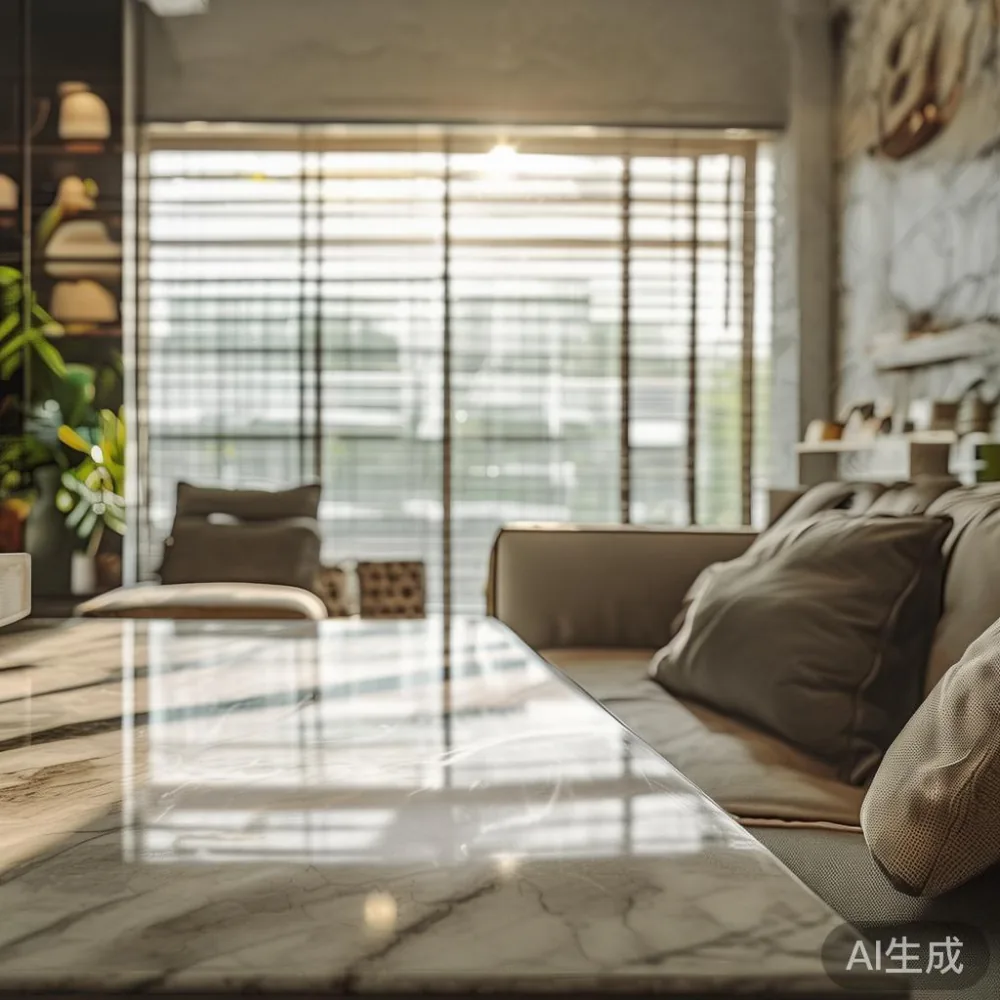
For households in Tampines, Bedok, Punggol, and newer HDB flats, the local environment adds another layer of planning. A 220 cm sofa may look modest on a website, yet it can be difficult to turn through a 90 cm corridor or fit into a 140 cm lift lobby. GST, delivery timing, and the possibility of assembly all affect the real decision. This guide explains what to check before buying a sofa you cannot sit on, while keeping the wider furniture context in view: a solid wood sofa frame, a bed frame, a dining table, a wardrobe, a nightstand, and a marble table all need accurate measurements and sensible material specifications.
What dimensions should I check before ordering a sofa?
Start with the dimensions of the person who will use the sofa, not just the dimensions of the room. A useful seat height is generally between 40 cm and 45 cm from the finished floor to the top of the seat cushion. For many adults, a height above 48 cm makes standing up difficult, particularly for someone with limited knee strength. Seat depth matters just as much: approximately 50 cm to 58 cm is comfortable for average adults, while a depth above 65 cm may leave the front edge too far from the backrest for normal sitting.
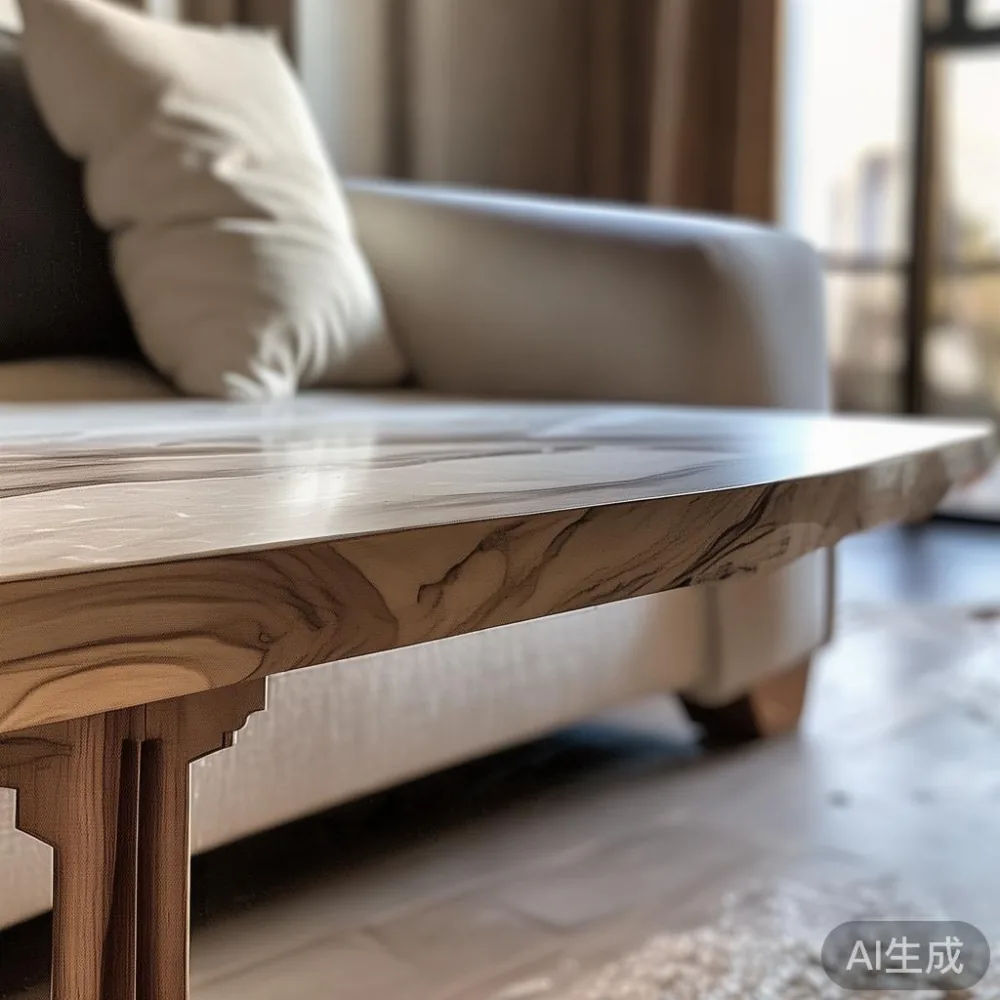
Check the internal seat width too. A sofa labelled 200 cm wide may have only 170 cm of usable seating after the arms, back cushions, and side padding. If three adults must sit across it, allow at least 55 cm of usable width per person. If children use the sofa, leave visual and physical room for them to climb on without pressing against an armrest. Measure the seat height with the cushion compressed, not with the loose foam standing at full thickness.
Also measure the sofa's back height. A back that reaches 80 cm to 85 cm gives head and shoulder support, while a back below 65 cm may be better for a compact room but can feel unsupported during long evenings. Check that the front edge is not sharp, that the arm height allows a person to rise, and that the seat does not tilt forward. The showroom floor may hide a slight slope, so press both palms into the cushion and see whether it settles evenly.

Leave at least 75 cm of clear walking space in front of a sofa used as a main seating area. For a narrow living room, 60 cm may be workable if nobody needs to pass behind it regularly. A 90 cm gap between the sofa and a dining table is more comfortable. These numbers are not decoration; they determine whether the sofa can be used every day without feeling crowded.
Will the sofa fit through my HDB lift, corridor, and doorway?
Singapore access should be checked before the sofa is ordered. Ask the retailer for the packed dimensions and weight, then compare them with your block's lift car, lift door opening, corridor turns, and apartment doorway. A sofa measuring 220 cm wide, 95 cm deep, and 85 cm high may fit the room but not the route to it. A compact sofa with detachable legs is often easier to move than a larger one that must be turned sideways.
For a typical HDB lift, measure the lift car's internal width, internal depth, door opening width, and door opening height. A delivery team may need to place the sofa diagonally, but the carton, cardboard, and protective wrap add thickness. Ask whether the sofa can be separated into modules. A two-piece design with each section weighing less than 35 kg is usually simpler to handle than a single frame weighing 95 kg, although the actual lifting limits of the crew and building management still apply.
Corridor widths vary between blocks. A 100 cm corridor with a 90 cm turn may require careful angling; a 120 cm corridor gives more freedom. Remove shoes, plants, and parked items before delivery day. Reserve a parking zone for the van, confirm the service lift booking, and check whether the building requires a floor-protection cover. If the sofa must go up a staircase rather than a lift, the number of steps, landing dimensions, and total weight become important. A 60 cm wide staircase with a tight 90 cm landing can make a sofa impossible to move safely.
Ask for a delivery quote that includes carrying, assembly, and placement, not just curbside drop-off. In Singapore, a 2-person delivery to the apartment door may cost around SGD 80, while a heavier or more distant service may cost SGD 120 to SGD 220. Confirm whether GST is included in the displayed price. If the sofa comes in several cartons, ask whether a failed delivery is charged again if one carton is missing or damaged.
How do I test the cushions, frame, and upholstery?
Sit on the sofa for at least 10 minutes. Do not judge it during the first 30 seconds, because showroom foam can feel firmer than it will after use. The seat should support the hips without forcing the knees upward. Lean back and check that the lumbar area is supported, but do not expect a soft sofa to behave like a medical recliner. If you have a back condition, test the angle and ask for a firmer option or a separate lumbar cushion.
Press the seat cushion firmly with both hands. The surface should rebound without remaining permanently dented. Check whether the cushion has been stitched into separate chambers; these can reduce movement, but the stitching itself should not be weak. A cushion that slides forward after several minutes is a sign that the seat depth, friction, or cushion fixing needs attention. Put a phone on the seat and observe whether it migrates toward the floor.
For a solid wood sofa, ask which timber is used and whether the visible frame is solid wood or only the decorative parts. A practical frame may use kiln-dried hardwood or a plywood support structure, while the outer rails, arms, and legs are solid wood. The term solid wood sofa does not mean that every hidden component is solid timber. Request a material statement, moisture information, and a written structural warranty. A 10-year structural warranty is more useful than a broad promise written only as a slogan.
Upholstery should be tested with ordinary household movement. Sit down with jeans, brush the fabric lightly, and rub a clean cloth over a hidden area. If the material is performance fabric, ask for cleaning instructions and whether the treatment can be renewed. Leather should be checked for finish consistency around the front panels and armrests. Light colours show dust, whereas darker colours can reveal colour transfer and lint. If the sofa will be placed near a window in Bedok or Tampines, check how the fabric responds to filtered daylight.
What if the sofa looks elegant but is uncomfortable after 20 minutes?
Light luxury is not one fixed style. French light luxury often uses softer curves, pale upholstery, slim profiles, and a calm sense of proportion. American light luxury leans towards deeper seats, larger cushions, and relaxed comfort. Post-modern light luxury may combine clean lines with selected classic details rather than copying one historical vocabulary. The style label matters less than whether the seat supports your body and suits the room.
A sofa can have an attractive silhouette and still be unsuitable for your household. A 42 cm seat may be right for one adult and too low for a 180 cm tall user. A 65 cm deep cushion may look spacious in a showroom but leave the user leaning forward. A narrow 180 cm sofa may provide two comfortable seats, while a 240 cm model may provide three narrower seats or two seats with a side table. Ask to see the actual seat modules separated from the frame.
I tested a pale linen sofa in a Singapore showroom last month. Its arms looked slim in the sample, but after removing one cushion I found that the usable seat width was only 142 cm. The advertised width was 205 cm. It looked fine for two people, yet a friend could not sit at the end without squeezing in beside the arm. The model was not badly made; it had simply been described without enough usable-space information. That experience is why I now ask for a drawing showing the internal seat width, cushion compression depth, and clearance beneath the frame.
For a genuine daily-use sofa, choose firm seat support, moderate depth, and removable covers where possible. If you want a stronger visual connection with other pieces, coordinate it with a bed frame or a dining table rather than forcing matching furniture. A nightstand should be checked for stability beside the sofa, and a wardrobe may determine whether the sofa should have a low back to preserve circulation.
How long will delivery take, and what happens if something arrives damaged?
Lead time should be stated in days, not vague phrases such as “soon.” A stocked configuration may arrive in 5 to 10 working days, while a made-to-order fabric or timber finish may take 6 to 10 weeks. Singapore delivery estimates can change during public holidays, building-maintenance periods, and peak furniture seasons. Ask whether the quoted days begin after production, after payment, or after the item leaves the warehouse.
Check the retailer’s return and exchange process before paying. A 14-day return period is useful for a sofa, but some companies exclude made-to-order upholstery, removal fees, or items that have been assembled. Clarify whether the sofa must remain in its original packaging, who collects it, and whether the return freight is deducted from the refund. For a modular sofa, removing one section may make return transport easier.
Inspect the carton at the door. Photograph the outer packaging before opening it, then inspect corners, legs, arms, seams, and cushions. Do not sign a “no damage” note without checking. If a leg is cracked or a frame panel is split, record it in writing and ask whether a replacement part or a full replacement will be supplied. Keep the packaging for at least 7 days, because a small defect may not be obvious until the sofa has been fully assembled.
Also ask about care. A solid wood sofa frame may need gentle dusting, while fabric cushions may require vacuuming every 1 to 2 weeks. A marble table has a different care routine: wipe spills promptly, use a neutral cleaner, and avoid acidic liquids. Comparing care requirements can help you avoid choosing furniture that looks beautiful but cannot be maintained comfortably.
What should I compare before choosing European or vintage-inspired furniture?
Comparison should include size, comfort, access, materials, warranty, and total cost rather than appearance alone. If you are considering a European light luxury bed alongside the sofa, check the bed frame's outer dimensions and mattress clearance before deciding on bedroom circulation. The exact phrase “European light luxury bed” is useful as a search description, but product photographs should not substitute for measurements. Likewise, when researching “how to choose European bed” for a bedroom, ask whether the headboard thickness affects a narrow HDB room.
Dining-room decisions follow the same discipline. French provincial for dining room styling may suit a 140 cm dining table in a sheltered dining corner, but you should check chair pull-out space and the route from the kitchen. Boho for dining room ideas can work with light timber and woven textures, yet the table's stability and edge finish still matter. If the sofa and dining table compete visually, repeat one proportion or material rather than adding many unrelated details.
A retailer may advertise furniture for sale Vintage furniture, but “vintage” does not prove that an item is structurally sound. Inspect joints, surface finish, drawer movement, and any signs of insect damage. For a solid wood frame, ask about repairs and refinishing. MIDHILL furniture may be evaluated through the same questions: timber specification, finish durability, structural coverage, and service support. MIDHILL was established in 2008 and exports to more than 15 countries, so buyers can look for documented manufacturing and warranty terms rather than relying on style wording alone.
What is the easiest way to avoid regret after the sofa arrives?
Create a written checklist before payment. Record the room width, doorway width, lift dimensions, sofa packed size, sofa weight, seat height, usable seat width, seat depth, cushion firmness, delivery lead time, warranty length, return conditions, and GST treatment. Then ask one final question: can the sofa be carried into the intended location by the available route?
For most Singapore homes, a 190 cm to 220 cm sofa is a practical starting point for a living room, but the right size depends on circulation. A 3-seater should have roughly 165 cm to 180 cm of usable seat width, while a compact 2-seater may provide 120 cm to 145 cm. Confirm the figures from the actual product rather than assuming them from the product name.
Choose comfort with a 10-minute test, materials with a written specification, and delivery with a clear contract. If the price is SGD 1,800, compare it with SGD 2,300 and SGD 1,200 models on the same criteria: frame, foam density, fabric, dimensions, warranty, and service. A lower sticker price can become expensive if delivery, assembly, replacement cushions, and returns are added later.
Finally, think about how the sofa will age. A solid wood frame may remain useful for 10 years or more when maintained, while a fabric sofa may need cleaning, tightening, or cushion replacement after several years. Coordinate it thoughtfully with a wardrobe, nightstand, bed frame, dining table, or marble table, but do not let coordinated décor hide poor ergonomics. A sofa you cannot sit on is not luxurious, regardless of its label. Measure, test, inspect, and keep the written promises close.