Decoding Furniture Warranties in Singapore for Smart Buyers
When I bought a 1.8m solid wood bed frame for my Tampines HDB four years ago, I nodded politely as the sales assistant said "10-year warranty." I did not read the fine print. Six months later, a hairline crack appeared along the side rail, and the shop told me the warranty only covered "manufacturing defects affecting structural integrity under normal residential use" — whatever that meant to a 28-year-old who occasionally sat on the edge of the frame to tie his shoelaces. The crack, apparently, was "not structural." I learned a lesson. This guide is what I wish I had read before signing anything.
Why every furniture warranty in Singapore is shorter than you think
A "warranty" on a Singapore furniture invoice is rarely a 10-year promise. It is a 10-year promise minus a list of exclusions, conditions, and responsibilities that you, the buyer, must fulfil. The trick is to measure the actual coverage, not the headline number.
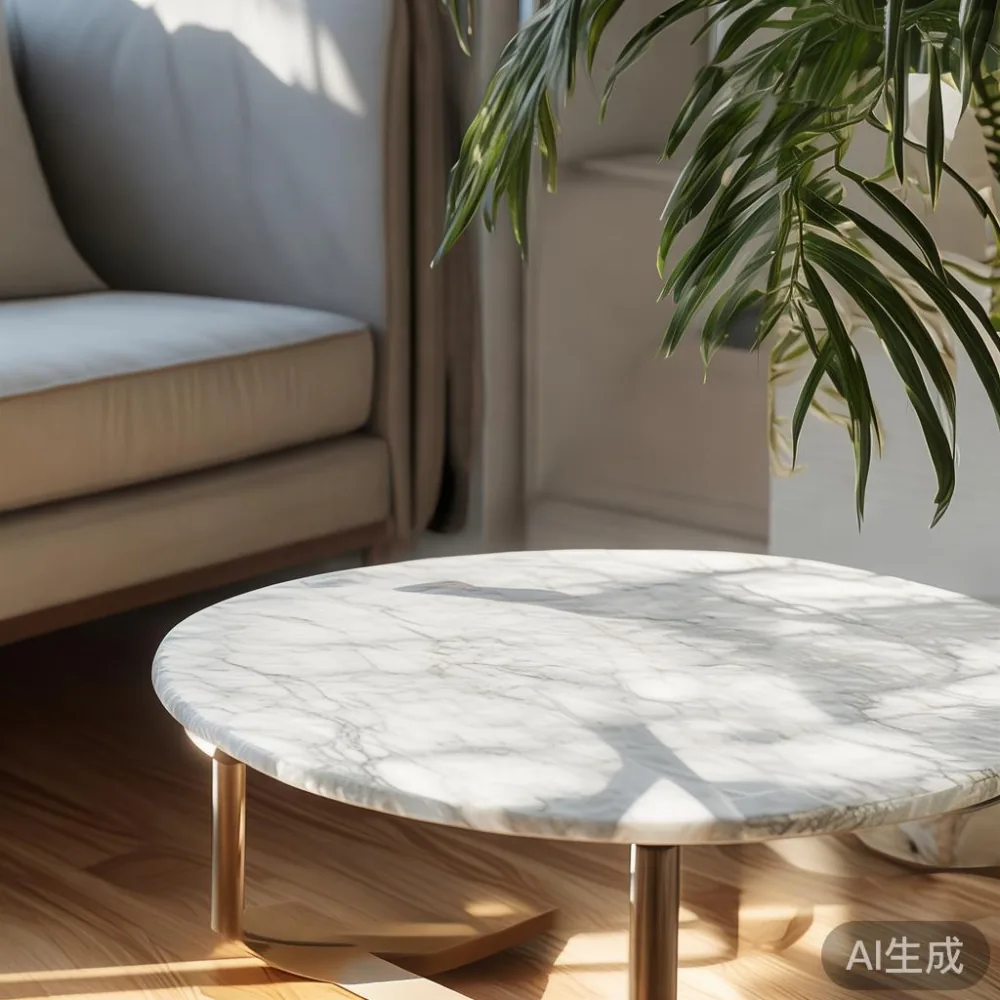
Concretely, a mid-range dining table in a Bedok or Punggol condo will set you back anywhere from S$1,200 to S$4,800 for solid wood, and S$2,500 to S$9,000 for a marble table. At that price, a 10-year structural warranty is meaningful — but only if "structural" is defined. A reputable maker of, say, an American extendable dining table usa will define it in plain language: frame breakage, joint failure, warping beyond 5mm over 1m, and severe cracking of load-bearing members. Anything else — surface scratches, finish discolouration, marble veining, small chips on corners — typically falls outside.
Three quick checks before you buy:
- Length of coverage per component. Frames might be 10 years; drawer runners 2 years; soft-close hinges 1 year; marble table tops sometimes 0 (because marble is sold as a natural product with natural variation).
- Who pays transport? A 14-day return is standard, but a warranty claim from a Punggol address back to a factory in Foshan, China, can cost S$180 to S$420 in shipping alone if the brand does not cover it.
- Is the warranty transferable? If you sell your HDB flat and pass the wardrobe to the next owner, does the warranty reset or die? Most brands void it on resale.
How do I choose a nightstand for a small space?
Pick a nightstand that is between 45 cm and 55 cm tall (to match your mattress height), no deeper than 40 cm (so it does not bump into corridor doors in a typical 3-room HDB), and at least one closed drawer — open shelves collect dust and look cluttered in compact bedrooms. For a 12 sqm master bedroom in a Punggol Build-To-Order flat, a 40 cm wide × 35 cm deep solid wood nightstand with a single soft-close drawer is usually the practical sweet spot. MIDHILL's compact nightstand range, for example, sits at 42 × 38 × 52 cm and ships pre-assembled, which matters when your lift opening is only 80 cm wide and the building management will not let you lean a flat-pack against the wall in the corridor.
What does "structural warranty" actually cover on a marble table?
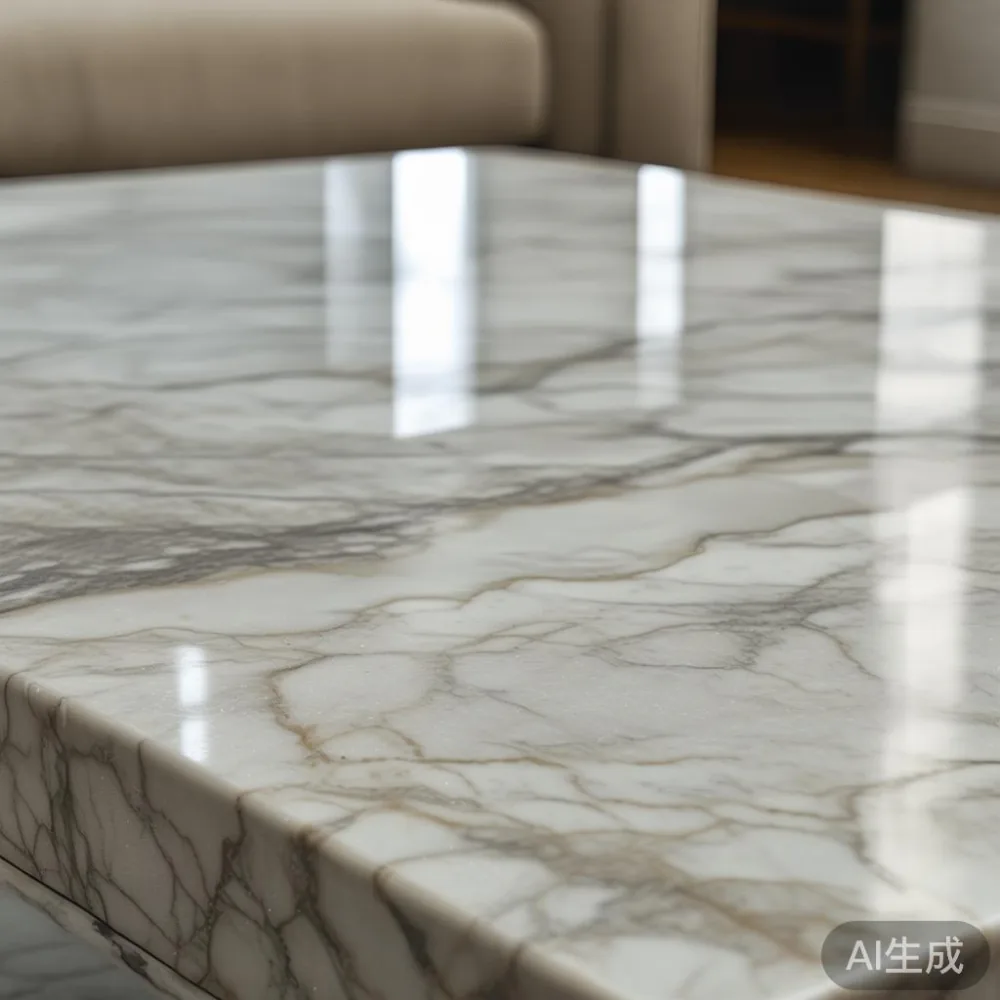
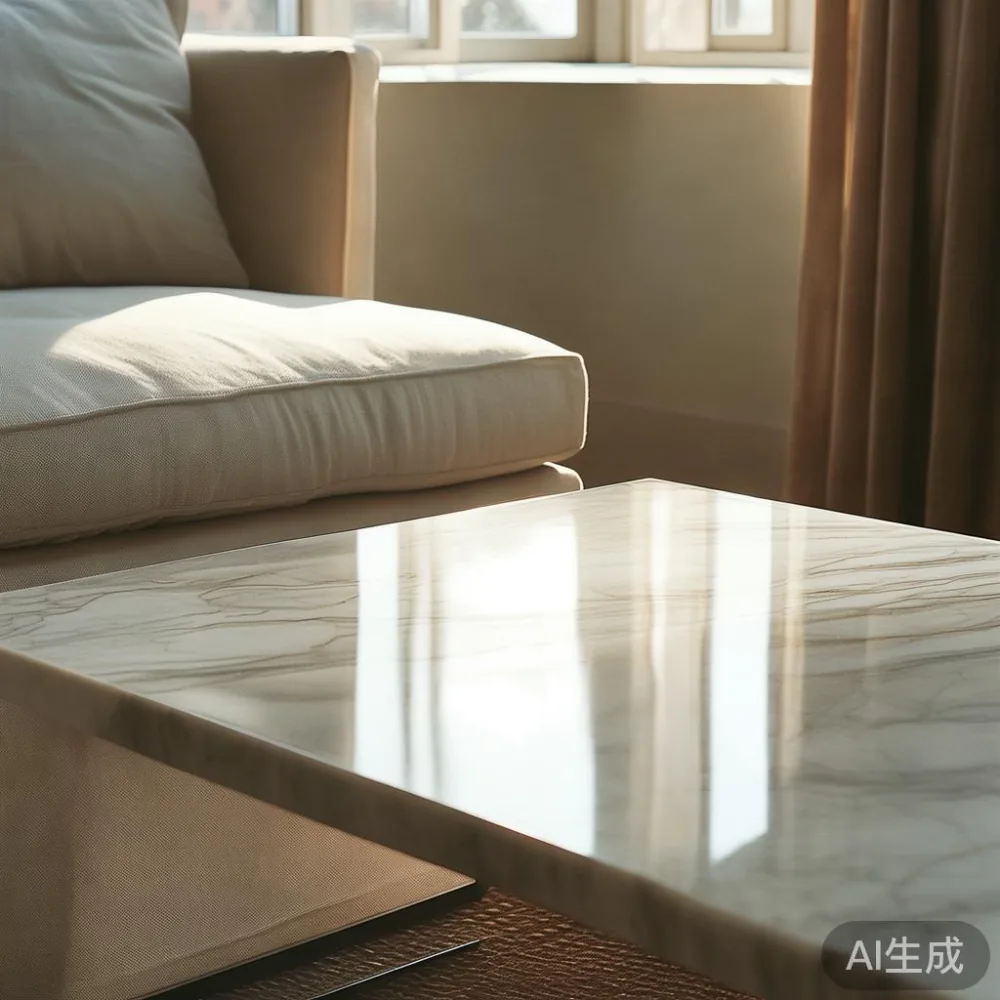
This is where buyers lose the most money. A marble table is, mechanically, three components: the marble top, the substrate or backing board (often plywood or MDF, 18–25 mm), and the base (solid wood, steel, or a mix). A structural warranty on a post-modern light luxury marble table should cover the base joints and the substrate-to-marble bond. It should not be expected to cover:
- Natural veining, colour variation, or small pits — these are inherent to marble, not defects.
- Hairline surface cracks that appear within months of delivery, especially in air-conditioned Singapore flats where humidity can swing from 80% (door open during thunderstorms) to 45% (full blast air-con for eight hours a night).
- Chips caused by impact, including the classic "I dragged it 2 cm and a corner snapped off" scenario.
- Staining from red wine, turmeric, or the curry you forgot to wipe after dinner.
Reputable brands will state this explicitly. I visited a Tampines showroom last month where the warranty card I picked up spent a full page on what marble is and is not. That is a sign you are dealing with people who expect to honour the warranty, not hide behind it.
Solid wood vs engineered wood: which warranty actually protects you longer?
Solid wood furniture — a solid wood sofa frame, bed frame, dining table, wardrobe, or nightstand — carries fewer exclusions because the material is one piece. Warping, cracking along the grain, and joint failure are all clear-cut structural issues. Engineered wood (MDF, particleboard, plywood with veneer) introduces more variables: delamination, swelling from humidity, veneer peeling. A 10-year warranty on engineered wood often excludes humidity damage entirely, which is a problem in Singapore where HDB corridor ventilation can be poor and bedrooms are air-conditioned 14 hours a day.
A solid wood dining table in teak or white oak, 1.4m to 1.8m long, weighs 45 kg to 90 kg. That is heavy. Plan your access: most HDB lifts are 1.1m deep × 1.4m wide with an 80 cm door, and a 1.8m table will not fit standing up. Some buyers in older blocks in Bedok reserve the cargo lift or ask the delivery crew to use the service lift. Ask the brand, in writing, whether the warranty is voided if you self-assemble or if you hire a third-party mover for HDB access. Many void it the moment a non-staff person tightens a bolt.
What hidden costs sit inside a "free shipping" warranty claim?
Free shipping on the original order is not the same as free shipping on a warranty claim. Read the claim process. Common hidden costs I have seen in Singapore:
- Inspection fee: S$50 to S$150 if the brand sends a technician to your flat to assess the damage.
- Return shipping: S$80 to S$250 within Singapore, S$1,200+ if the item must go back to an overseas factory for repair.
- Refinishing fee: Some brands offer lifetime refinishing on solid wood (MIDHILL does, on its core range), but charge a one-way shipping fee of around S$120. Free refinishing at the workshop is rarer than the marketing suggests.
- GST on replacement parts: 9% GST applies to any billable service in Singapore, even warranty work, unless the brand absorbs it.
A concrete example: a French light luxury inspired marble dining table retails around S$6,800. A warranty claim for a cracked base in year three, if the brand charges a S$150 inspection, S$220 return shipping, and 9% GST on parts, can still cost you S$400 to S$600 out of pocket before any repair begins. The warranty is real — but it is rarely zero-cost to invoke.
How do I read the exclusions list without missing the traps?
Read the exclusions list three times. Specifically, look for these phrases, which are the most common gotchas in Singapore:
- "Normal wear and tear." This is undefined on purpose. A finish that wears off a dining table top after three years of daily use is, technically, normal wear and tear.
- "Improper care or maintenance." If you used the wrong cleaning product (anything acidic on marble, for example, including lemon juice or vinegar), the brand can deny the claim.
- "Environmental conditions." Singapore humidity, direct sunlight through a west-facing window, or placing furniture too close to an air-conditioning vent can void coverage on wood movement claims.
- "Commercial or rental use." If you occasionally list your condo on Airbnb, every warranty in your home may be void. Most HDB rules forbid short-term rentals anyway, but the warranty clause does not care about that.
- "Modifications." Drilling a cable hole in the back of a wardrobe, trimming 2 cm off a table leg to level it, or spray-painting a nightstand — all of these void most warranties.
What paperwork should I keep for the next ten years?
Keep the invoice, the warranty card, the delivery order, and any email or WhatsApp correspondence with the sales team. Photograph the item on the day of delivery, including the packaging label, the serial number stamped on the underside of a dining table or inside a wardrobe door, and any existing marks. If a dispute arises in year seven, those photos are often the only thing that proves the issue was not caused by you.
Also: register the warranty if registration is required. Some brands in the Singapore market — including MIDHILL — give you 30 days from delivery to register online. Miss that window and the 10-year structural warranty quietly becomes a 1-year warranty, or nothing at all. The registration form will ask for your HDB block, unit number, and sometimes a photo of the item in situ. Spend the four minutes. Future-you will be grateful.
What is a fair warranty for a S$3,000 to S$8,000 solid wood or marble piece?
A fair warranty in 2025, for a piece in that price range sold in Singapore, looks like this:
- 10 years on the solid wood frame of a sofa, bed, dining table, or wardrobe against breakage and joint failure.
- 5 years on drawer runners, soft-close hinges, and metal hardware.
- 2 years on upholstery fabric, leather, and cushioning against manufacturing defects.
- 1 year on marble table tops against delamination from the substrate, with natural veining and pits explicitly excluded.
- Lifetime refinishing on solid wood surfaces, with the customer paying only one-way shipping.
- 14-day return on stock items, with the brand absorbing return shipping for defects.
MIDHILL's published terms, for reference, sit close to this benchmark — 10-year structural warranty, lifetime refinishing on the core solid wood range, free shipping above US$350 (roughly S$480), and 14-day returns on stocked items. That is a workable contract. The point of reading the warranty is not to find a perfect document. It is to know exactly what you have, what you do not have, and what the brand will actually do when something goes wrong at month 47.
Buy the piece you love. Read the card that comes with it. And keep the box of paperwork in the wardrobe — the one that is, hopefully, also under warranty.