How Southeast Asian Humidity Affects Solid Wood Furniture and Marble Tables
Singapore’s tropical climate can change the dimensions, surface and long-term stability of solid wood furniture faster than many owners expect. Humidity is rarely the visible enemy; warped doors, swelling table tops, sticking drawers and a dull finish often appear before the original moisture problem becomes obvious. In HDB flats and private condos across Tampines, Bedok and Punggol, air-conditioning may make the interior seem consistently dry, but daily swings between a cool living room and a warm corridor can still affect furniture.
This guide explains how humidity affects a dining table, bed frame, wardrobe, nightstand, solid wood sofa and marble table, with practical measurements for Singapore homes. It also covers lift access, delivery planning, protective care and the reasons MIDHILL includes a 10-year structural warranty, lifetime refinishing and free shipping for orders over US$350, equivalent to about SGD 465 at an approximate exchange rate of SGD 1.35 per US$1.
Why does humidity make solid wood furniture move in Singapore?
Wood is a hygroscopic material: it absorbs moisture when the surrounding air is humid and releases it when the air becomes dry. In Singapore, outdoor relative humidity commonly ranges from roughly 65% to 90%, while well-air-conditioned interiors may fall to around 45% to 60%. A dining table or bed frame can therefore experience a daily dimensional change of about 1% to 3% across its width when exposed to these conditions. A 180 cm table top that changes by 1% may move approximately 1.8 mm; repeated movement can stress joints, drawer runners and lacquer.
Seasoning reduces but does not remove this behaviour. Kiln-dried timber still responds to local conditions, especially in a new HDB flat where the building and furnishings may still contain moisture. Southeast Asian hardwoods such as teak, oak, ash, rubberwood and acacia each respond differently, while veneer-backed panels generally move less than solid timber. The construction method matters as much as the species: a solid wood sofa with a well-supported frame can tolerate seasonal movement better than an inadequately braced table with a thin top.
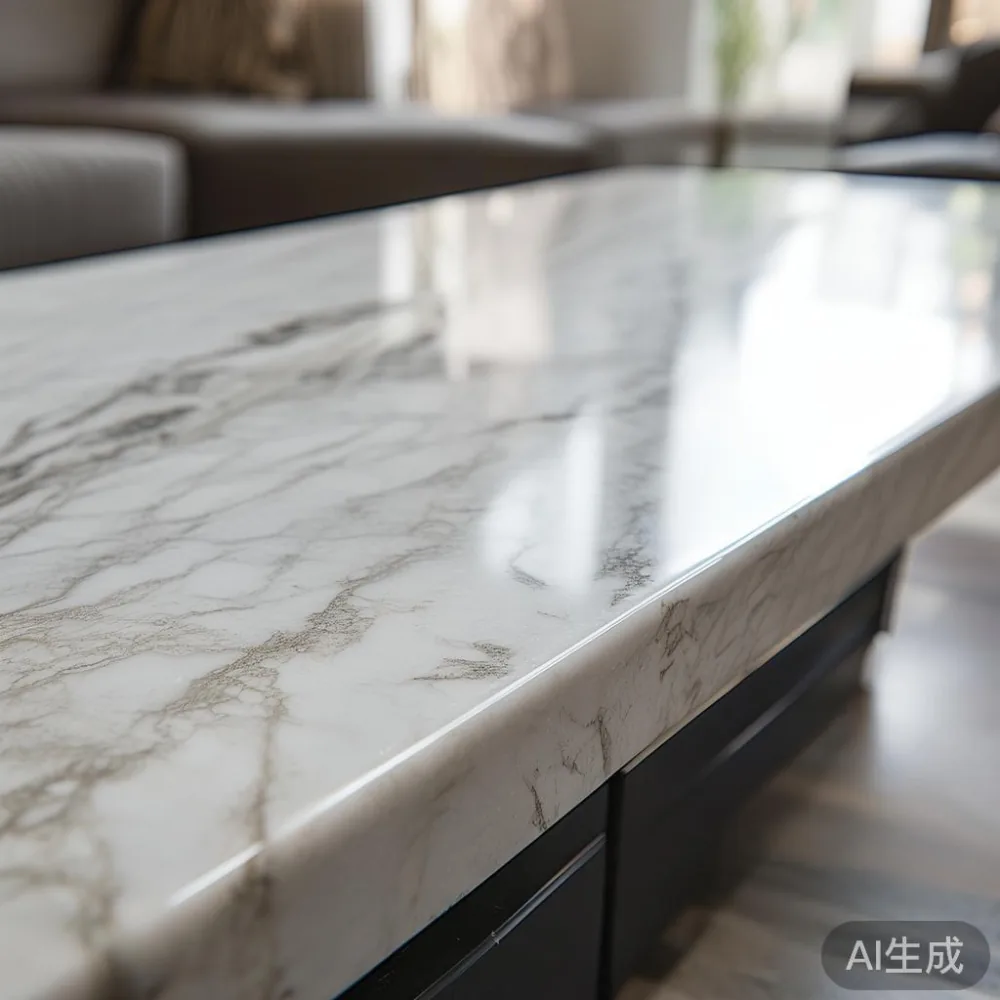
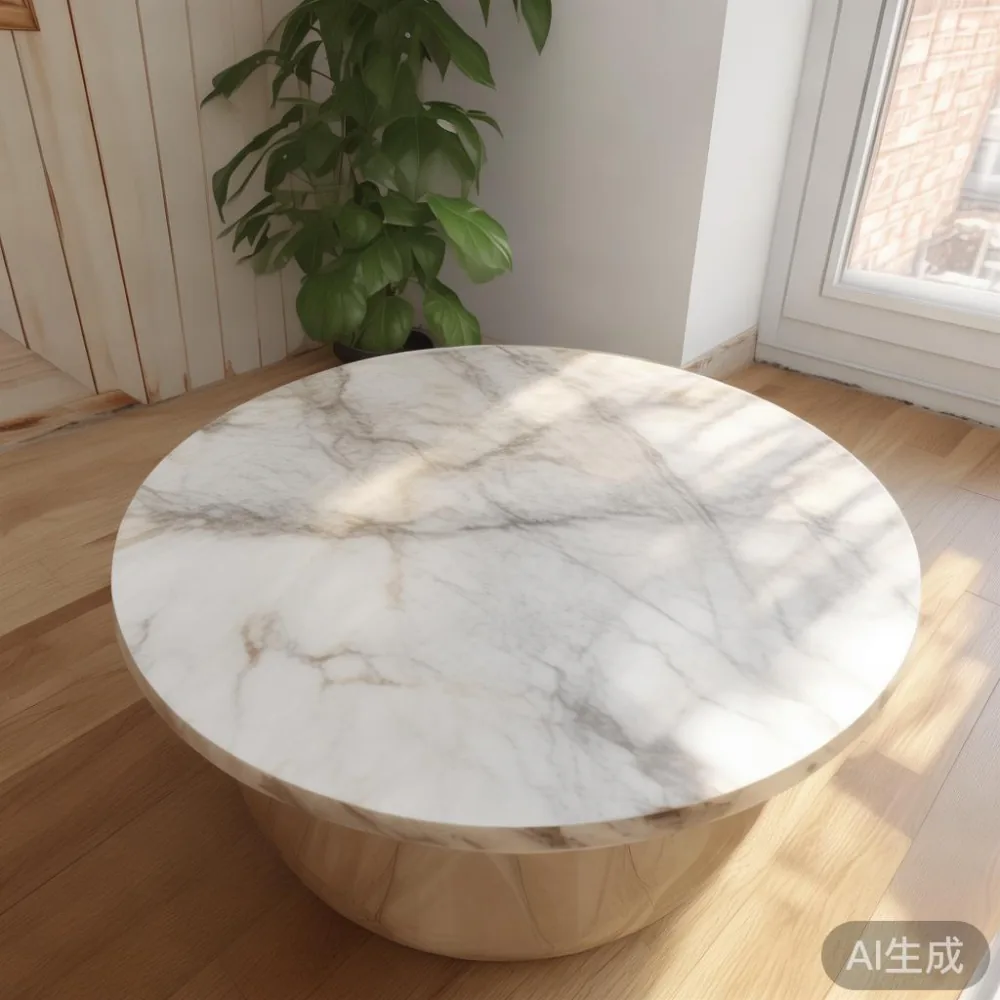
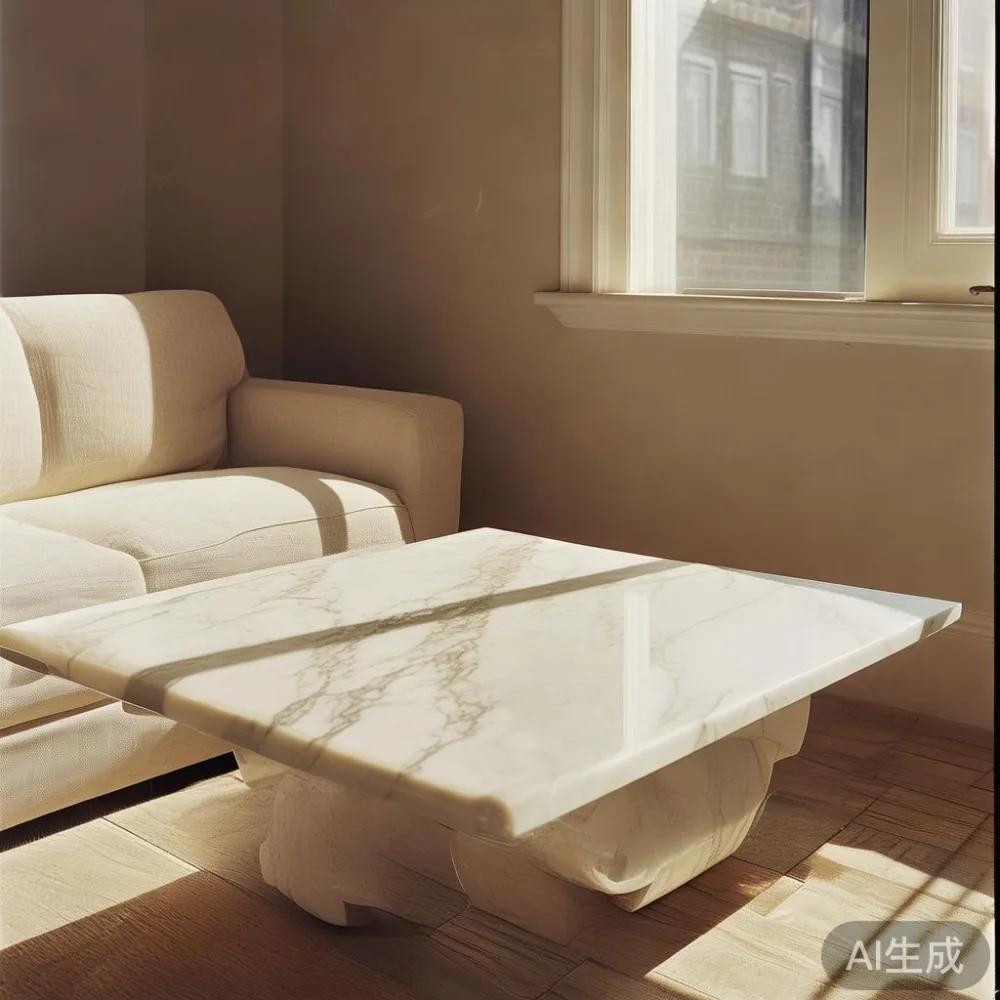
Humidity also affects finishes. Water-based coatings can look slightly lighter as they absorb moisture, while oil and wax finishes tend to deepen temporarily. A polished marble table does not expand like wood, but its stone slab, protective sealer and metal fittings have different tolerances. A 140 cm by 80 cm marble table weighing 65 kg also needs level support so that its corners do not become stressed over time.
What humidity level should you maintain inside an HDB flat or condo?
For most wood furniture in Singapore, a stable indoor relative humidity of 45% to 65% is a sensible target. Aim to avoid prolonged periods above 70% or rapid changes greater than about 5% within 24 hours. Use a calibrated hygrometer rather than relying on a weather application; place it near the furniture but not directly against an air-conditioning vent. A digital model costing SGD 25 to SGD 80 is generally sufficient for monitoring a bedroom or dining area.
In a Tampines HDB flat, position wardrobes away from the bathroom wall and balcony sliding door where practical. In a Punggol condo, keep furniture clear of west-facing glass in the late afternoon, and in a Bedok home near the coast, include outdoor humidity in the adjustment plan rather than assuming the interior is always at 60%. Air-conditioning lowers humidity, but running it only for 2 hours a day may not stabilise a wardrobe near a corridor wall. Set the system to around 24°C and use a moderate fan setting to circulate air without creating repeated temperature swings.
Dehumidifiers are useful in enclosed rooms, particularly for long-stay bedrooms. A model with a 15 L to 25 L daily extraction capacity can keep a 12 m² to 18 m² room within a practical range when doors and windows are closed. Place the outlet away from timber surfaces so that condensation does not wet the base of a nightstand or wardrobe. Empty the tank every 2 to 3 days and clean the filter every 4 weeks, according to the maker’s instructions.
Can a marble table change or warp in a humid climate?
Marble is dimensionally stable under normal humidity, so it will not swell like a solid wood dining table. However, moisture can affect marble indirectly. A stone slab may be bonded to a moisture-sensitive backing, and high humidity can influence sealers, adhesives and support frames. Porous marble can also absorb water if the protective treatment has worn away. Dark spills may penetrate faster than clear water, especially on an unsealed surface.
For a marble table, use a coaster under a cold glass containing about 300 ml of iced water and under a hot cup at 70°C. Wipe liquids within 10 minutes. Avoid acidic cleaners, including vinegar at pH 2 to 3, lemon juice and bathroom scale remover with pH below 5. Neutral stone cleaner should be diluted according to its label and applied with a soft cloth. Never use abrasive pads, steel wool or a pressure washer.
Humidity can also reveal installation problems. If a marble table’s protective feet collect dirt or moisture, the slab may sit unevenly. Check the four supports on a 140 cm table at least once every 3 months and confirm that the top does not rock when pressed lightly at each edge. The stone should be moved by at least 2 people if it exceeds 60 kg; never attempt to slide it across a tiled floor, because one damaged corner can outweigh a small delivery saving.
How should you prevent humidity damage to a bed frame, wardrobe and nightstand?
Begin with spacing. Leave at least 5 cm between a wardrobe side and a wall if ventilation is possible, and keep the rear at least 8 cm from a curtain that may touch the doors. For a bed frame, allow 3 cm to 5 cm of clearance on open sides and use a waterproof, breathable mat beneath it. If the frame has upholstered panels, maintain airflow beneath the base and remove the mattress for 2 to 4 hours every week when the room is humid.
Check moving parts. A wardrobe door should close without force when the room humidity is between 50% and 60%. If it binds after rain, let the room dry gradually and adjust the hinge rather than forcing the door. A nightstand drawer should operate with light finger pressure; applying 2 to 3 drops of suitable lubricant to the runner can reduce friction, but excessive oil may attract dust. For a solid wood sofa, keep cushions from touching the floor and maintain 10 cm to 15 cm of ventilation behind the backrest where the layout allows.
Real wood can develop small checking lines as it adjusts. A 0.2 mm hairline surface mark is different from a split that travels through the panel, and a 2 mm gap around a loose dining-table joint deserves inspection. Photograph movement monthly and compare the images. This simple record helps distinguish normal seasonal response from installation or construction issues.
How do lift and corridor widths affect furniture delivery?
Humidity protection is only useful if furniture reaches the home safely. Singapore’s compact HDB circulation areas make measurement important. Record the lift door width and internal depth rather than assuming a published specification applies to every block. Common HDB lift doors are about 80 cm to 90 cm wide and 100 cm to 130 cm deep, although the usable diagonal may be smaller. A dining table on end can be manoeuvred through a corridor if its relevant dimension clears the narrowest turning point by at least 5 cm.
For example, a dining table with a 160 cm top and 90 cm width may be separated into two 80 cm sections for transport, then joined in the dining area. A marble table may need a separate stone delivery because its slab cannot be safely disassembled. Measure the lift, landing, corridor turns, stair width and the route into the bedroom or living room. If a bed frame’s largest rigid section measures 180 cm by 45 cm, check whether it can turn through a 110 cm corridor corner without contacting the wall.
Protection also reduces humidity exposure during unpacking. Keep solid wood components in their protective packaging for the minimum practical time, ideally under 24 hours. Do not install a wardrobe immediately after a rain shower if the pieces feel cold or damp; let them acclimatise for 12 to 24 hours in a ventilated room. Many Singapore deliveries take 3 to 7 working days after confirmation, but access restrictions, lift bookings and made-to-order production can extend the schedule. Confirm the delivery window in writing and include the block number and floor.
How do you care for a solid wood sofa without trapping moisture?
Vacuum a solid wood sofa every 1 to 2 weeks and clean the frame with a slightly damp cloth that is wrung out. Dry it immediately with a clean, dry cloth. Avoid steam cleaning, saturated cloths and silicone-based polish, which can form a moisture-retaining coating. If the sofa includes a mattress or seat cushion, rotate loose cushions monthly and open any zip covers for 2 hours every fortnight during humid periods.
For those researching how to style Japanese sofa in room ideas, low-profile solid timber frames and restrained upholstery fit a calm residential composition, but placement still matters. Keep the sofa at least 30 cm from a humid exterior wall and 60 cm from a high-output dehumidifier. A 220 cm sofa usually requires at least 75 cm of clearance in a compact living room for a practical circulation route.
Styling should not block airflow behind the piece. Leave 5 cm between the rear legs and the wall where possible, or use a deliberately ventilated gap of 8 cm to 10 cm. For hotel projects, light luxury for hotel specifications often call for durable frames and replaceable cushion covers; requesting a moisture data sheet for the timber, finish and fabric is more useful than relying on a general lifestyle label.
What should you look for in solid wood furniture designed for humid climates?
Look for construction details that permit controlled movement: solid timber panels joined with screws and dowels where appropriate, drawers that use runners designed for seasonal variation, and finishes that can be maintained without stripping the whole surface. A French light luxury treatment may use pale oak, ash or walnut tones, while an American light luxury scheme often combines generous proportions with clean lines. Post-modern light luxury can mix carved timber profiles, softened geometry and a marble table without making the room feel visually crowded.
Buyers comparing luxury European light luxury furniture should ask how the manufacturer prepares timber for tropical conditions, how long the coating takes to cure and whether the supplier can provide component dimensions before dispatch. Ask about the warranty period, finish-renewal terms and the policy for moisture-related movement. MIDHILL was established in 2008 and exports to more than 15 countries, with a 10-year structural warranty and lifetime refinishing. These policies support long-term ownership, while the actual dimensions and timber species should still match the Singapore interior.
A practical sample is a 200 cm solid wood bed frame with a slatted base. The slats should sit with no more than about 5 cm of unsupported span, and the centre rail should provide support across the full length. A 120 cm wardrobe should be anchored to suitable masonry or a structural fixing point where required, with adjustable feet used to level the carcass. A 45 cm nightstand with a drawer needs a back clearance of at least 5 cm in a humid corner. These details are more informative than a broad “tropical quality” claim.
Where can you buy wardrobe from MIDHILL for a Singapore home?
Buyers asking where to buy wardrobe from MIDHILL can review the available ranges and finish options through the company’s online catalogue at m.midhill.co. Provide the finished room width, ceiling height, skirting depth and lift measurements before ordering. Internal cabinet dimensions should account for at least 5 cm for ventilation, door clearances and irregular walls, particularly in older HDB flats.
The same planning discipline applies when searching for for sale French provincial furniture. A 180 cm sideboard may have projecting cornices or handles that increase its effective delivery width by 10 cm to 20 cm. For searches covering best Modern bed for 2026, assess frame clearance, ventilation and mattress support rather than choosing from appearance alone. A 10-year structural warranty can provide confidence, yet correct sizing and installation remain the owner’s responsibility.
Local pricing should be confirmed in SGD because freight, taxes and currency movements can change. Singapore’s 9% GST is normally shown to consumers, while business importers may handle GST differently. Allow a practical contingency of SGD 100 to SGD 300 for delivery to a difficult HDB access point, though this should be agreed before payment. MIDHILL offers free shipping over US$350, or approximately SGD 465, but the delivery quotation should still confirm the local charge, lift-fee arrangement and return terms. Standard returns are available within 14 days, subject to the stated product conditions.
What routine keeps wood and stone furniture stable through 12 humid months?
Check the hygrometer weekly, inspect moving parts every month and clean the marble table every 1 to 2 weeks. In high-humidity months, run a dehumidifier or air-conditioner for at least 8 to 10 hours per day when the property is occupied, adjusting the setting to maintain roughly 50% to 60% relative humidity. Keep 30 cm to 50 cm of space between large furniture and exterior walls where the layout allows, and remove any visible dampness immediately.
Last month I visited a Bedok condo where a new dining table had developed three tight drawer joints. The room gauge read 76% beside a balcony door, while the main living area measured 58%. Moving the table 35 cm away from the sliding door and stabilising the room brought the local reading down within 4 days. The joints relaxed without major repair. That visit reinforced how a simple location change can be more effective than repeatedly tightening hardware.
For long-term care, renew the wood finish when water no longer beads on the surface, typically every 2 to 4 years in a humid home. Use a compatible product and test it on a 20 cm by 20 cm hidden area first. Inspect the marble table sealer annually, repair chips promptly and keep coasters under vessels. If a panel cracks, a joint opens by more than 2 mm or a wardrobe door remains crooked after humidity returns to 55%, document the issue and contact the supplier rather than applying excessive force.
Singapore humidity does not make solid wood furniture unusable. It does make stable construction, controlled indoor conditions and careful placement more important. With sensible moisture management, correct access planning and a finish that can be renewed, a dining table, bed frame, wardrobe, nightstand, solid wood sofa or marble table can remain serviceable for many years. MIDHILL’s established warranty and refinishing support complement that practical approach: buy for the room you actually have, measure the route before dispatch, and manage the moisture the home produces every day.