Solid Wood Prices Decoded: An Insight for Marble Furniture Enthusiasts
Solid wood furniture can range from SGD 690 for a modest dining table to more than SGD 8,000 for a hand-finished wardrobe or marble table. That spread does not mean every piece at one end is poor value. Price reflects timber, construction, hardware, finish, size, logistics, and the level of after-sales support. For Singapore homes, it also reflects practical constraints such as lift dimensions, corridor turns, staircase widths, and GST.
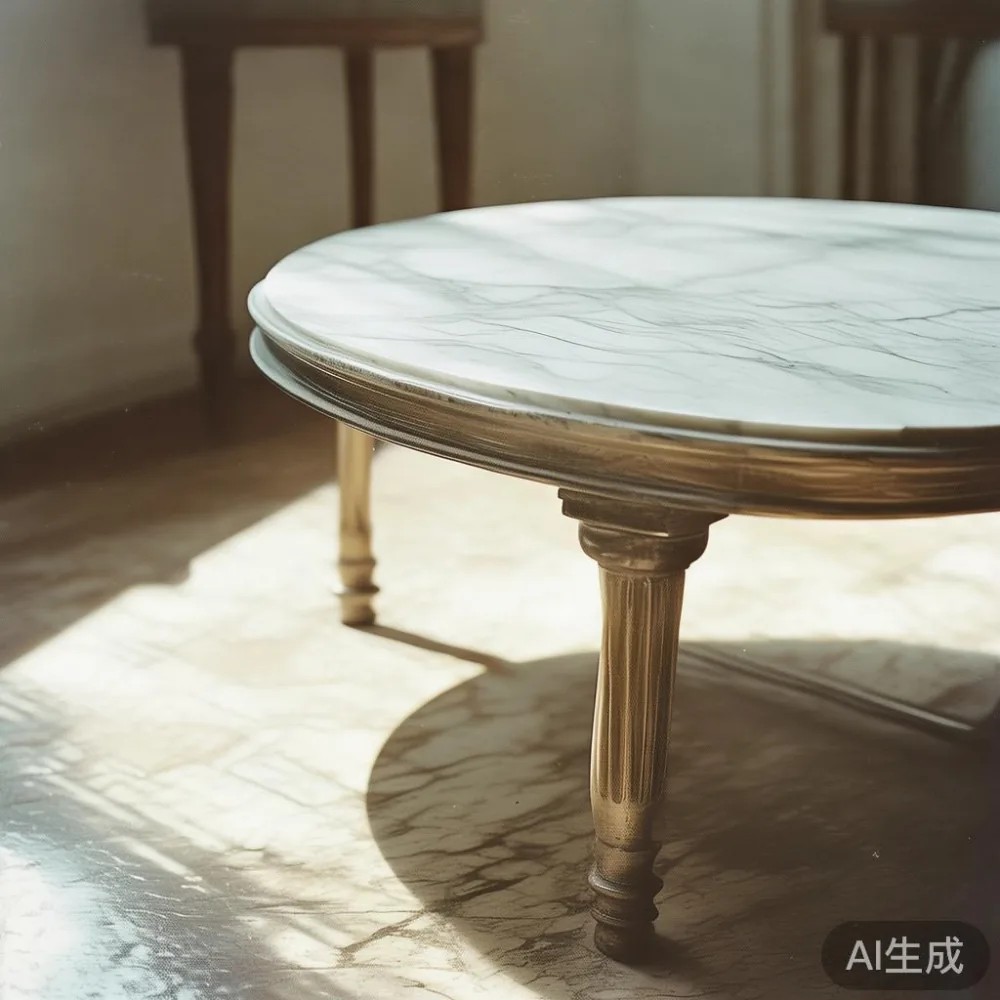
At MIDHILL, a solid wood sofa, bed frame, dining table, wardrobe, or nightstand should be evaluated as a long-term object rather than by its label alone. A product made in Foshan since 2008 may share visible features with a more expensive import, yet differ in board thickness, joinery, moisture control, and the way damage is handled after delivery.
This guide explains where the money goes, why stone and solid timber prices move differently, and how buyers in Tampines, Bedok, Punggol, and private Singapore condos can judge a quotation with more accuracy.

What should a buyer check before paying more for solid wood?
The first question is not “Is it solid wood?” but “Which parts are solid wood, and how are they assembled?” A wardrobe may have solid oak fronts and engineered rear panels. A bed frame may use solid timber for the rails but plywood under the mattress. Neither arrangement is automatically wrong; the price should match the actual specification.
Look for several concrete measures. Check the thickness of the main boards, usually 18–25 mm for many cabinets and tables. Ask whether the drawer boxes are solid timber, plywood, or another material. Confirm that rails, legs, and table aprons are load-bearing components rather than decorative covers. A dining table that supports 200 kg may need a different underside structure from one intended for 100 kg.
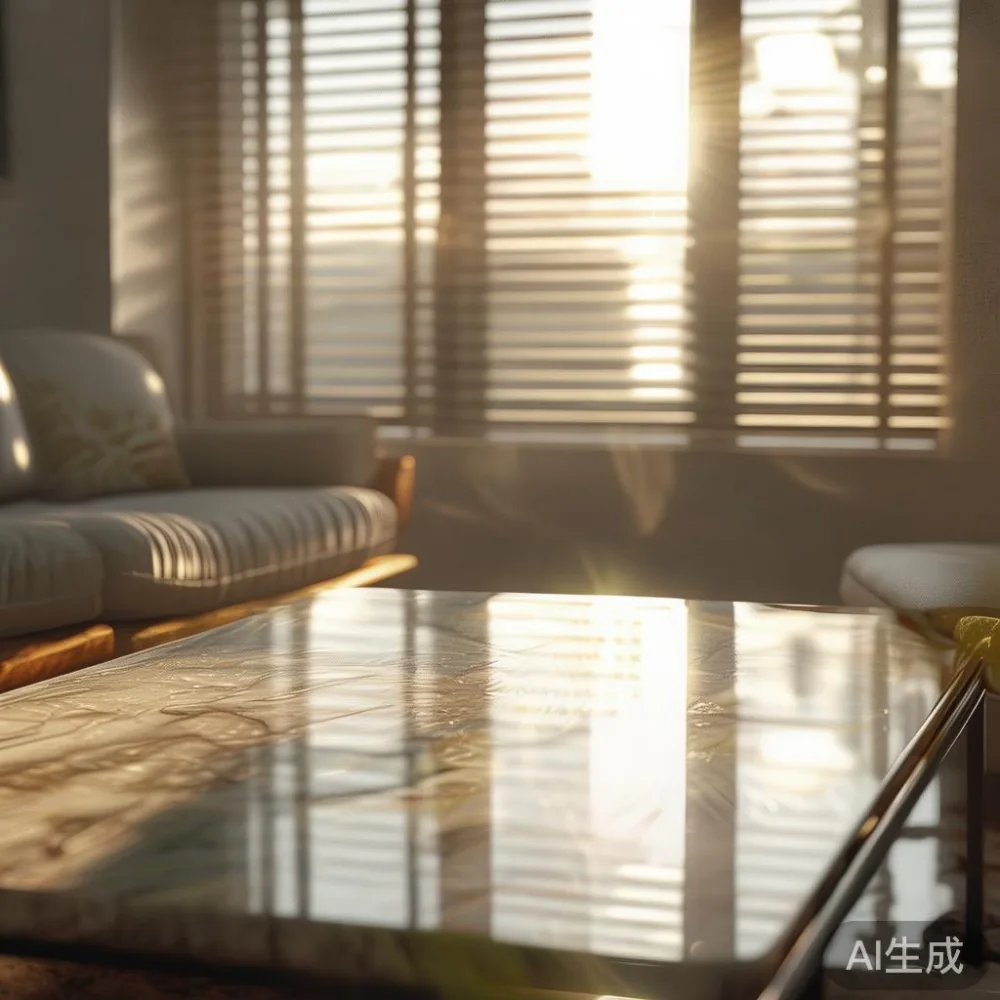
For furniture used in Singapore, finish quality is just as important as species. A water-based coating may be easier to maintain indoors, while oil-wax or lacquer finishes offer different repair options. Ask for the exact sheen, expected care interval, and repair process. A piece with a 10-year structural warranty is more useful when the supplier also explains how scratches, swelling, and movement are treated.
The supplier’s history matters too. MIDHILL has manufactured furniture since 2008 and exports to more than 15 countries. A 10-year structural warranty and lifetime refinishing service indicate a continuing relationship, not just a one-off transaction. Before payment, read the return terms and delivery exclusions. A 14-day return period is useful, but a custom marble table may have different restrictions from a ready-made nightstand.
How much should solid wood cost in Singapore?
There is no single correct price, but realistic Singapore ranges make comparison easier. A simple solid wood nightstand may sit around SGD 280–650. A solid wood dining table for four people often falls between SGD 1,200 and SGD 3,500. A 6–8 seater dining table can range from SGD 2,500 to SGD 6,500. A king bed frame may run from SGD 1,800 to SGD 5,500, while a large wardrobe can move from SGD 3,000 to SGD 9,000 or more.
A marble table can be less expensive than a heavily carved solid timber dining table, because material cost is only one part of the price. A natural marble slab may add SGD 1,000–4,000 depending on size, stone type, cut, and whether the edges are straight or profiled. A marble top with a solid wood base can therefore fall around SGD 2,500–7,500 for a dining setting, but custom dimensions and finishes can raise that figure.
These figures are before or after GST depending on the seller’s pricing practice, so check the final invoice carefully. Singapore’s prevailing goods and services tax can affect the apparent cost of imported furniture. Delivery may also be separate, particularly for a lift move involving a second staircase or a timed loading bay.
Compare quotations using the same specification: timber species, board thickness, finish, dimensions, drawer construction, stone treatment, and warranty. A SGD 900 difference cannot be understood if one quote includes delivery to Bedok while another means delivery to the warehouse.
What actually pushes the price up?
Timber is the starting point, not the whole answer. Oak, ash, walnut, teak, and other solid woods have different supply levels, grain patterns, hardness, and workability. An open-grain walnut board may be harder to machine evenly than a simpler painted component. A premium timber may cost more because of selection, drying, waste, and transport.
Construction affects longevity. Mortise-and-tenon joints, dowelled drawer boxes, reinforced corners, and properly attached legs can take more workshop time than concealed screws and particleboard panels. Good joinery does not guarantee that a cabinet is perfect; it does mean the load is distributed sensibly. A dining table may use 25–30 mm top boards, while a nightstand may use 18–20 mm panels.
Surface finish is a measurable cost. Factory sanding, sealing, colour matching, and multiple coats take time. A smoked finish may need more preparation than a clear matte coating. Some solid wood pieces are supplied with a repairable oil finish; others use a harder lacquer. Ask whether refinishing is included once in the product’s life, or whether transport and coating charges apply.
Hardware is not a decorative afterthought. Soft-close drawer systems, reinforced hinges, adjustable shelf pins, and higher-grade slides can add SGD 40–300 per cabinet or more. A wardrobe with 6 doors and 12 drawers may require more hardware than a small two-door unit. Premium fittings should be named and shown rather than hidden behind the word “luxury.”
Design complexity has a labour cost. A rectangular table with four square legs is usually simpler than a round, tapered, or sculpted piece. Curved edges, carved profiles, inlay, and custom dimensions require more setup, measurement, and inspection. This is why a modern solid wood sofa with loose cushions may cost more than a basic upholstered frame even when both use similar timber.
Stone introduces its own variables. A marble table may use natural slab material, sintered stone, or engineered stone. Natural marble varies in veining, thickness, weight, and fracture risk. A 180 × 90 cm top may weigh roughly 70–120 kg, depending on stone and build-up. The base must be stable, and delivery crews need to understand the route from van to dining room.
Why do marble tables and solid wood tables move differently in price?
Marble tables can look expensive because the stone surface is immediately visible. Yet a large, plain slab may be less costly than a highly worked timber base. Natural marble also creates a cost and risk conversation: the slab must be selected, cut, polished, supported, and installed. If a vein pattern is matched across a wide top, material waste and layout time can increase.
A 160 × 90 cm marble table typically needs a base that prevents flexing. The stone should not be carried by a narrow decorative strip. Confirm whether the top is fixed with discreet clips, epoxy, or mechanical fasteners, and ask what happens if the marble chips after delivery. Stone replacement is usually more specialised than sanding a wooden surface.
Solid wood dining tables have a different price profile. Timber is lighter and more repairable, but the underside, edge profile, and joinery determine how long the piece remains steady. A European-style dining setting may use oak with a 25 mm top and a 180–220 cm length. An Italian light luxury dining table may use walnut, a refined edge, and a base designed to keep the visual lines quiet. Its cost may include design time and sample checks rather than rare stone.
For Singapore interiors, a marble table is attractive near a kitchen or dining zone because the surface tolerates heat and spills when properly sealed. It still needs coasters, gentle cleaning, and stable seating. A dining table bought solely for its veining can be less practical if its size blocks a lift or turns the room into a traffic pinch point.
How do Singapore homes change delivery and installation costs?
The most overlooked price is physical access. A 200 cm wardrobe may fit inside a lift but cannot turn through a corridor corner if packed in the wrong orientation. Bed frames can be delivered in separate sections, while a marble table may arrive as several protected components. The supplier should measure or request photographs of the entrance, lift door, lift car, corridors, and stairs.
In many HDB flats and condos around Tampines, Bedok, and Punggol, standard lift openings are around 80–100 cm wide, though buildings differ. A dining table may have to be carried vertically. A wardrobe with a rigid carcass can be split into modules, but the design should show how panels reconnect and whether the floor remains protected.
Delivery timing also matters. A normal in-stock piece might arrive in 5–10 working days after dispatch. Custom sizes, stone selection, or finish adjustments can take 4–8 weeks or longer. Peak renovation periods can extend installation schedules. A quote that includes delivery to the lift lobby may not include carrying the item to the living room, assembling it, or removing packaging.
Ask whether the delivery team can bring oversized items through a side entrance, whether a second person is required, and what happens if the item does not fit. Free delivery thresholds can be attractive, but they should not replace a proper access check. In Singapore, use the final doorway dimensions, not the floor-plan drawing alone.
Is French light luxury the same as American light luxury?
No. French light luxury usually emphasises carved details, shaped profiles, warm wood tones, and a sense of craftsmanship. American light luxury tends toward generous proportions, upholstered comfort, neutral fabrics, and a more relaxed visual language. Post-modern light luxury often mixes restrained geometry with one striking feature, such as a veined marble table or a sculptural base.
These styles do not dictate a price by themselves. A French-inspired bed frame with carved posts may cost more because of shaping and hand work, not because “French” appears in the description. A solid wood sofa with simple lines and high-quality fabric may look American light luxury, but its cost should be explained through frame construction, cushion density, fabric, and warranty.
One practical comparison is between a Japanese bed vs Nordic bed decision. A low Japanese platform often reduces visual bulk and suits a compact Singapore bedroom; a Nordic bed may use lighter lines, pale timber, and adjustable components. Both can be well made. The better choice depends on ceiling height, mattress access, room width, and whether the bed frame must double as storage.
For compact rooms, Modern for small living room choices should be measured rather than copied wholesale. A 140–160 cm solid wood sofa may leave only 45–60 cm beside it, while a 200–220 cm dining table may require 75–90 cm of circulation space. A nightstand only 40–50 cm wide can be useful beside a queen bed, but it should not obstruct a corridor.
How do bed frames, wardrobes, and nightstands reveal true value?
A bed frame gives a clear view of hidden costs. Check the centre support, side rails, slat spacing, and leg construction. A king bed may weigh 55–95 kg when assembled, so the lifting method matters. A frame with a solid wood headboard and upholstered panel may cost more than a plain platform, but the upholstery itself should be removable or repairable.
For a French bedroom, knowing how to style French provincial bed in room involves more than adding one cushion. A 180–200 cm frame may suit a master bedroom, while the surrounding circulation should remain approximately 60 cm on the main side. Curtains, bedside lamps, and a rug should be scaled to the room. If the bed is too wide, the furniture can feel expensive yet make daily use awkward.
Similarly, when asking how to style European bed in room, compare the headboard height with the ceiling. A tall panel can work in a 260–280 cm room but dominate a low HDB bedroom. A post-modern bed with a simple headboard may allow more flexibility. The bed frame should not be judged only from a showroom photograph.
Wardrobes demand a different audit. Ask for panel thickness, internal shelf spacing, hanging rail height, and the number of moving parts. A 3-door wardrobe may contain 6–12 drawers, but a drawer with solid timber sides and a soft-close runner will cost more than a basic slab drawer. Confirm whether the interior is painted or veneered, and whether the doors are aligned before or after delivery.
A nightstand is small but useful as a value test. Compare its drawer action, wood species, finish, leg height, and shelf capacity with the rest of the range. A 45 × 40 cm nightstand at SGD 280 may be reasonable if the construction is sound; a SGD 650 version may make more sense if it includes better timber, hand-finished edges, and a longer service commitment.
For buyers comparing a top 10 Industrial furniture list, solid wood dining tables, beds, and storage pieces often appear because their materials and dimensions are visible. Industrial styling can use dark oak or walnut, steel, or mixed materials, but the finish should still resist humid conditions. A fashionable category cannot replace a clear specification.
What should a Singapore buyer ask about warranty and service?
Ask what “structural warranty” covers. It may cover frame failure, joint failure, and certain manufacturing defects, but not accidental impact, water damage, or incorrect assembly. Confirm the response time, replacement process, and whether the company supplies spare parts. A 10-year period is meaningful only if the terms are written down.
Lifetime refinishing is another point to clarify. It may mean one service during the product’s lifetime, while labour, transport, stone work, or coating materials may carry separate charges. Ask whether the company can repair a damaged corner, re-oil a dining table, or replace a nightstand drawer. This matters in Singapore, where seasonal humidity and daily use can affect finished surfaces.
MIDHILL’s export experience across more than 15 countries is relevant because packaging and documentation should be designed for real routes. Still, the local contract is the most useful document. Confirm the 14-day returns condition, delivery dates, damage-report deadline, and whether custom pieces or marble tables have special rules.
Payment protection should be chosen carefully. Deposit schedules, currency conversion, and GST should be visible. Do not rely on a verbal promise that every shipment arrives in 7 days; the practical window may be 14–21 days after dispatch, or longer for a custom stone top.
How can you make a sensible buying decision?
Begin by measuring the room and route. Record the lift door, lift car depth, corridor width, and turning points. Then compare products using the same checklist: species, dimensions, thickness, joinery, finish, hardware, weight, delivery, GST, and warranty.
Ask for a full-size drawing or photograph with dimensions. For a dining table, sit on a chair and check knee room; for a bed, open the drawers and walk around it; for a wardrobe, check the lift door before ordering. A marble table should be assessed for edge comfort, stable seating, and safe support. A solid wood sofa should be sat on for at least 10 minutes, not merely viewed for 30 seconds.
Finally, remember that a furniture maker established in 2008 is not automatically more expensive, and a low price is not automatically a failure. The strongest value comes from a specification that survives inspection and a service arrangement that remains available years after the first delivery.
Solid wood furniture costs what it costs because of measurable materials, labour, and logistics. The right question is whether each dollar buys useful construction, a suitable dimension, and dependable support in the home where it will live.