Humidity, Marble Tables and Solid Wood Furniture in Southeast Asian Homes
Singapore’s warm, humid climate can change solid wood furniture faster than many owners expect. In a typical HDB flat, indoor relative humidity may rise from about 55% on a normal evening to 75–85% during prolonged rain, especially where the dining room is close to the kitchen balcony or where corridor air is not well ventilated. A marble table may develop condensation beneath its base, while a solid wood dining table can show small movement along its joints. In high-rise homes such as those in Tampines, Bedok and Punggol, narrow corridors and compact lifts also affect delivery planning: furniture must fit through a 90 cm doorway, turn within a 120 cm corridor corner and remain manageable below 25–35 kg for two-person carrying.
This guide explains how humidity affects wood, marble and leather surfaces, what care each material needs, and how to plan furniture purchases for Singaporean apartments. It also considers delivery, GST, warranties and practical details such as lift reservations. MIDHILL has made solid wood furniture since 2008 and exports to more than 15 countries, so the advice is intended for real tropical conditions rather than a generic showroom climate.
How does humidity change solid wood furniture?
Wood is hygroscopic, which means it absorbs moisture from the surrounding air. In Singapore, relative humidity commonly ranges from 65% to 90%, while air-conditioned rooms may be near 45–55%. That difference can make timber expand by roughly 1–3% across its width over a season, depending on species, thickness and finish. The movement is rarely dramatic in one day, but repeated cycles can loosen drawer runners, open a door slightly or produce fine surface checking on an untreated end grain.
Solid wood is not automatically unsuitable for Singapore. A well-made solid wood sofa, bed frame or dining table can remain stable when it is sized with seasonal movement in mind. Avoid placing a long dining table directly against an air-conditioning vent or beside a window that receives morning sun. Leave about 5 cm from a wall where possible, and use coasters rather than wet glasses. Aim for indoor readings of about 45–65% with a simple digital hygrometer placed near, not inside, a cabinet.
Plywood and engineered boards deserve different treatment. A 12 mm laminated wardrobe panel may be dimensionally stable, but its edge banding can still show moisture damage if exposed to leaking pipes. Inspect every wardrobe after heavy rain, paying attention to the bottom edge and back panel. Use 2–3 mm of ventilation clearance behind freestanding furniture where space allows, and keep damp laundry, wet towels and stored plants away from solid wood pieces.
Why does a marble table bead with water in Singapore?
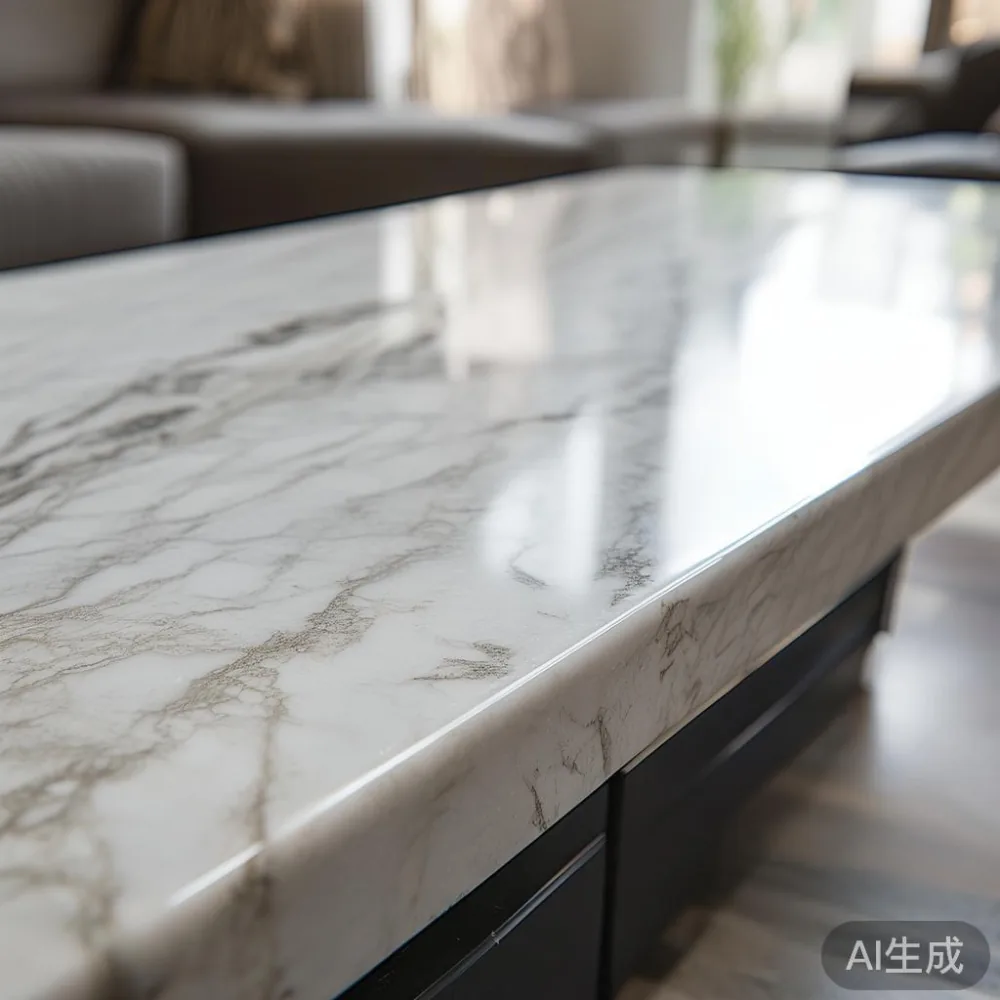
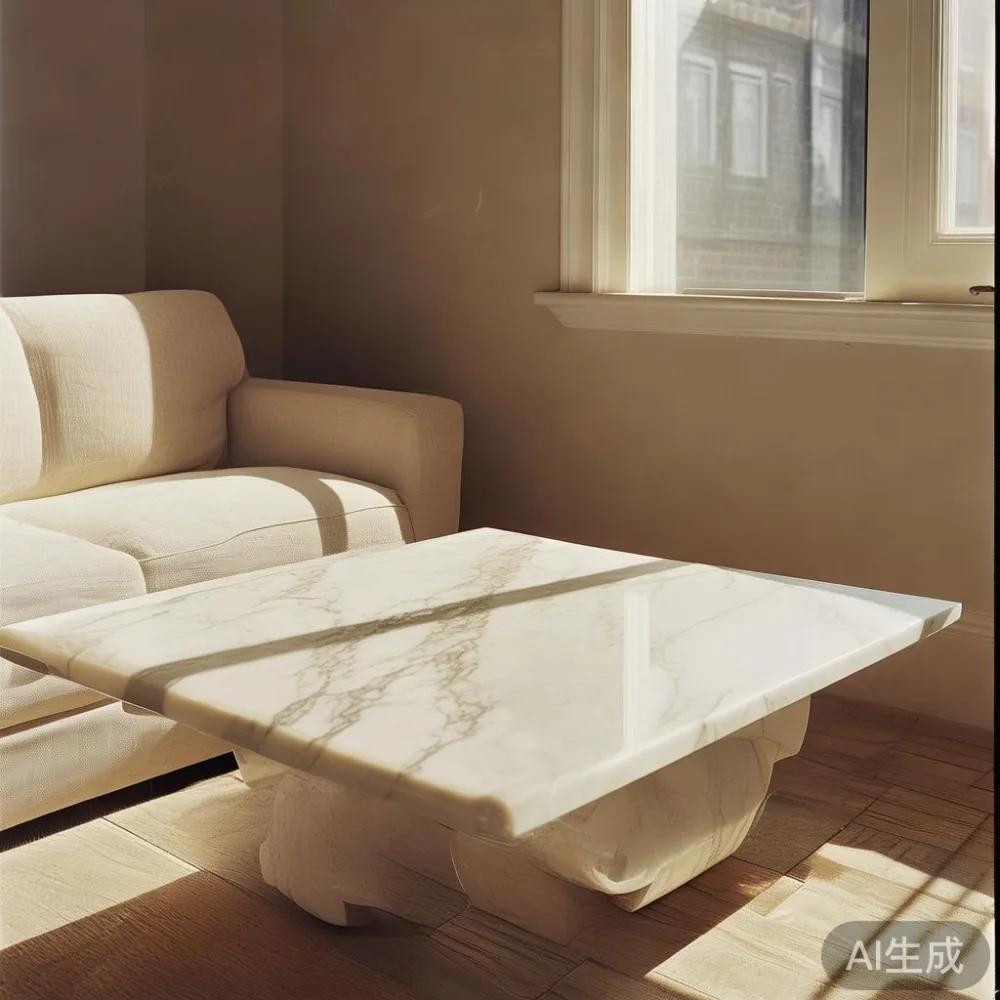
A marble table is affected by humidity indirectly. Marble itself does not absorb water like wood, but polished stone can become colder than room air during a sudden change in temperature. Water vapour in the air then condenses on the surface as tiny droplets. This is especially visible on a pale or dark polished marble table beside an air-conditioning vent, on a cool balcony, or after the outdoor air becomes more humid following a thunderstorm.
The risk is not simply a water ring. If a spill remains on a marble table for 20–30 minutes, acidic drinks can dull the polish, and moisture around a metal fixing may leave a mark. Wipe the surface promptly with a soft microfibre cloth, then dry it with a clean cotton cloth. Do not use vinegar, lemon juice or bleach. Neutral pH soap diluted in approximately 500 ml of water is sufficient for routine cleaning. Under a busy household schedule, reseal a marble table every 12–24 months, subject to stone type and actual use.
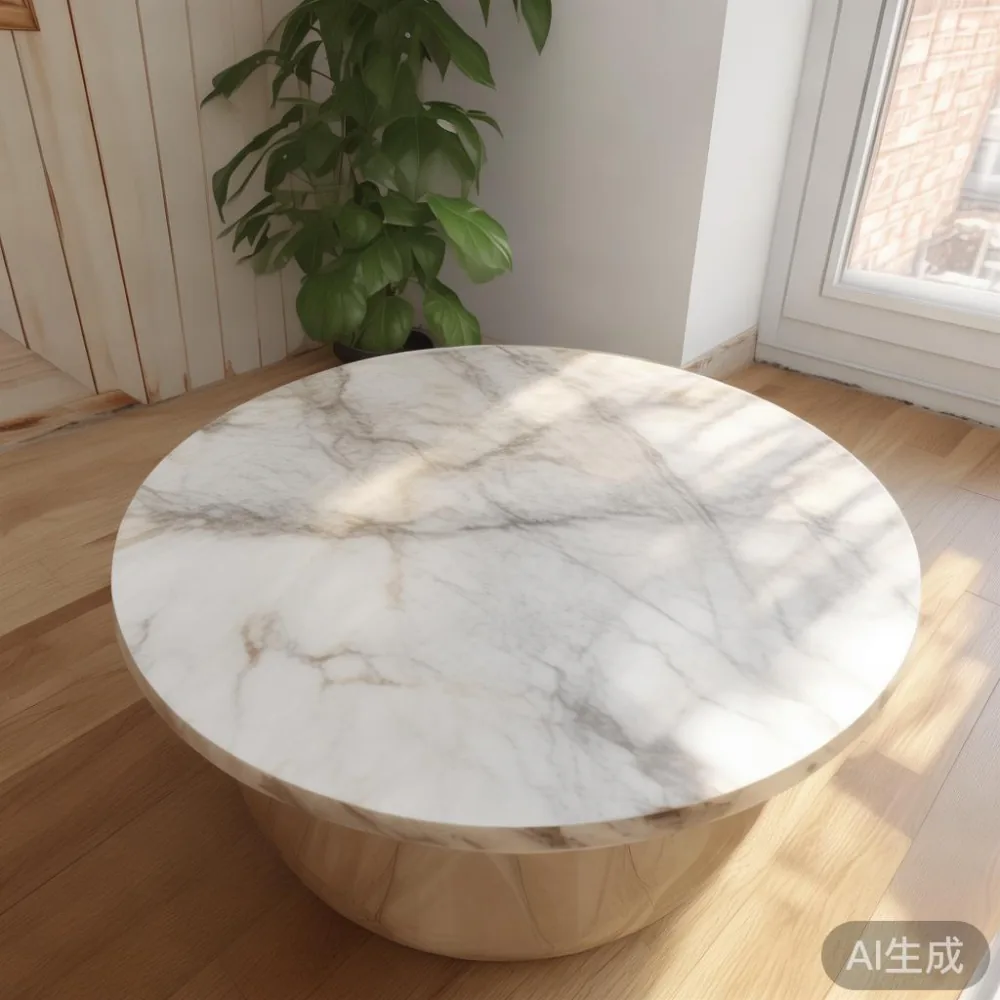
Choose a stone thickness appropriate to the base. A 120–140 cm round marble table should generally use a 10–20 mm top with adequate support; a 200 cm rectangular table may need engineered stone or a properly braced 20 mm slab. Ask for edge protection because a narrow projection can chip. Never drag a marble table by its top; move it empty, use two adults, and lift from beneath the frame after lifting itself onto a furniture dolly.
Can a solid wood bed frame or dining table stay stable?
Yes, with sensible spacing and care. A solid wood bed frame should be allowed to breathe, especially if it has a solid timber headboard or side rails. Check that the bed is not pressed against a cold exterior wall. In a typical Tampines 3-room flat, leave 3–5 cm beside a bed frame when possible, and keep a gap between the mattress and a humid wall so air can circulate. In Bedok and Punggol family rooms, a low moisture reading is more useful than a constant attempt to over-dry the room.
For a dining table, place coasters under bottles and bowls and use a placemat extending at least 2 cm beyond the base of a hot vessel. A humid room is not the same as a table that is regularly soaked. Wipe the top immediately, and do not stack wet dishes on it overnight. If the dining table has an extension leaf stored inside, remove it after use rather than leaving it trapped for several days.
Solid wood furniture that carries a light-luxury appearance can suit compact Singapore interiors well. A restrained French provincial for apartment scheme can work in a 70–90 m² HDB home if the pieces have light proportions, gentle curves and pale finishes. Under 2000 light luxury furniture is a practical budget target for one or two statement items, but humid conditions still matter. A pale finish may show fingerprints while a dark finish shows dust, so select the finish for maintenance tolerance rather than colour alone.
How should I choose furniture for lifts, corridors and GST?
Measure before ordering. Ask the retailer for the packed length, width, height and weight, not just the displayed dimensions. A sofa may fit a lift diagonally, while a bed frame or wardrobe may need partial assembly. For corridors, the useful question is whether the narrowest turn is at least 10–20 cm wider than the largest packed side. A 90 cm HDB entrance door, 100–120 cm common corridor width and 85–90 cm lift door can create a hard limit for a 220 cm wardrobe packed in one piece.
Singapore homes also require planning around service lifts, parking access and peak periods. Allow 3–7 delivery days for a standard in-stock item, but reserve 1–3 days for lift booking and weather delays during heavy rain. A delivery fee of SGD 0–35 is reasonable for a normal local shipment, while carrying up stairs should be quoted separately. Check whether GST is included; a 9% GST adds SGD 81 to a SGD 900 dining table before delivery or service charges.
Furniture weight matters for safety. A solid wood bed frame may weigh 45–80 kg, a dining table 35–65 kg, and a marble table 60–110 kg depending on size and stone thickness. Do not assume a two-person carry is suitable for every staircase. Request a delivery crew for a marble table weighing more than 50 kg, and protect fingers with gloves. Avoid blocking emergency routes or standing items in a corridor overnight.
What should I do after a rainstorm or an air-conditioning change?
Begin by checking the room’s relative humidity. If it reads above 70% for 6–8 hours, open windows only when outdoor air is drier, run the air conditioner, or use a dehumidifier rated for the room size. A 20–30 m² room may need a 10–15 litre dehumidifier, although drainage and noise levels should be checked first. Set a practical target of 50–65% rather than chasing an unrealistically dry number.
Inspect furniture where moisture would collect first. Check the dining table under a window, the nightstand beside a bed, and the underside of a wardrobe near the floor. Wipe any condensation from a marble table within 10 minutes. Remove damp book stacks and paper from solid wood shelves, and rotate small objects so one corner is not permanently exposed to humidity. A nightstand with a closed drawer can hide odours and mildew, so ventilate it briefly every 3–4 days.
Polish solid wood only when the surface is dry. Use a lightly damp cloth, never a dripping one, and apply the product to the cloth rather than directly to the timber. Test an inconspicuous area and wait 24 hours before treating the full panel. If the room has recently received heavy rain, wait until the furniture feels room-temperature and the humidity has fallen below about 70% before applying oil or wax.
Is leather upholstery at risk in a humid climate?
Leather can absorb moisture and develop mildew if it remains damp, but a solid wood sofa does not have to be replaced simply because Singapore is humid. Keep leather away from open windows during monsoon periods, remove cushions so air can move underneath them, and blot spills rather than scrubbing them. Let a wet seat dry naturally with a fan or air-conditioning circulation; a soaked leather cushion should not be enclosed in plastic for 10–15 hours.
For upholstery selection, compare fabric density, seam construction and frame ventilation with the actual room. If a family searches for how to choose American sofa, the important details include seat depth, cushion support, timber or metal frame construction, and whether removable covers are practical. A compact American profile with a 95–105 cm width can fit a Singapore living room better than a very deep sofa, but every measurement should be taken at the narrowest lift point.
Style research is best treated as a comfort exercise rather than a substitute for measurements. A page about the best Vintage sofa for 2026 may describe appealing proportions, yet the actual sofa still needs a 3 cm clearance from a humid wall and enough floor space for cleaning. A light-luxury solid wood bed frame can be paired with one durable textile, while a marble table can provide a bright focal point without filling the room.
How do I compare bed frames and Japanese-style designs?
Humidity makes bed frames particularly worth checking because a mattress traps moisture around its edges. A Japanese bed vs Italian light luxury bed comparison often focuses on visual language, but Singapore owners should also inspect the timber thickness, base clearance, slat spacing and finish. A slatted base with 5–7 cm spacing allows more airflow than a completely sealed platform. Leave 8–12 cm below the frame if the manufacturer permits it, and avoid storing bedding directly against an exterior wall.
For compact rooms, under 2000 Japandi furniture is achievable when the pieces are selected individually rather than as a large matched set. Choose a simple bed frame, one nightstand and a light-coloured dining table rather than buying every cabinet at once. Make sure the frame has been acclimatised to the room for several days before fitting the mattress. If the timber arrives from a cooler climate, allow roughly 7–14 days for moisture adjustment in a well-ventilated room.
When checking an Italian-inspired light-luxury bed, look for stable joints, rounded edges and a finish that can be maintained with basic products. Confirm the mattress size, internal dimensions and delivery packaging. Do not confuse decorative European styling with weaker tropical protection. The same standard applies to a solid wood sofa, wardrobe and dining table: attractive proportions are useful, but stable construction and moisture-aware care determine how the furniture performs after 5 years.
How often should I maintain furniture and what does a warranty cover?
A 3-month care routine is sensible: wipe marble surfaces, check drawer joints, look beneath the dining table and inspect wardrobe edges for dampness. Once a year, clean the castors or floor protectors and check whether the marble table seal needs renewal. Keep a simple record of spills, humidity readings and repairs. If a door begins rubbing, adjust it before the timber or veneer is damaged.
A 10-year structural warranty is useful for long-term confidence, but review its exclusions for moisture exposure, accidental damage and finish wear. Lifetime refinishing should also be defined in writing: it may cover refinishing eligible solid wood pieces, while stone polishing and fabric replacement may have separate terms. Keep invoices, care instructions and photographs of the delivered item. MIDHILL’s 14-day returns policy gives buyers time to inspect scale, finish and condition after delivery, subject to the stated return conditions.
What practical habits protect a Singapore home?
Use coasters, trays and mats; keep furniture at least 5 cm from exterior walls where possible; maintain indoor humidity around 50–65%; and dry surfaces immediately. Measure the lift and corridor before choosing a large wardrobe or bed frame. For a marble table, ask for the sealed weight and a two-person delivery plan. For solid wood, allow seasonal movement rather than tightening every joint in an attempt to prevent it.
Humidity control is not about making Singapore resemble a European showroom. It is about choosing furniture that is proportionate, well finished and cared for with realistic expectations. A carefully maintained marble table, solid wood sofa, bed frame, dining table, wardrobe or nightstand can remain attractive in a condo or HDB flat for many years when moisture, temperature and delivery constraints are considered together.