Southeast Asia Humidity & Wood Furniture: What You Need to Know
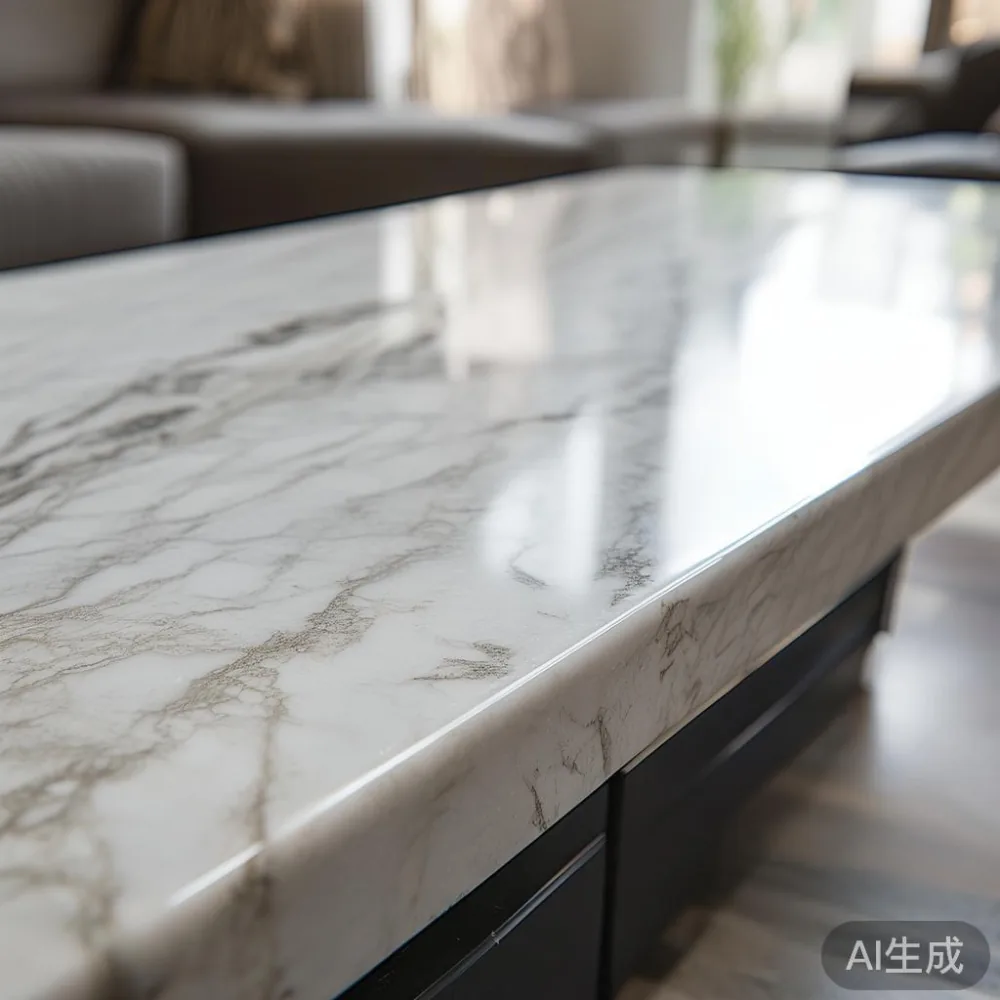
Singapore’s warm, humid climate can change the dimensions, joints and surface finish of solid wood furniture even when every item is kept indoors. Relative humidity often reaches 75–85% during monsoon periods, while air-conditioned HDB flats may fall to 45–55% for hours each day. Repeated movement between these two environments makes timber expand, contract and check along its grain. A marble table faces a different moisture relationship: stone does not swell like wood, but its porous sides and underside can absorb moisture if the protective treatment is damaged.
For homes in Tampines, Bedok and Punggol, practical furniture selection matters because bedrooms are compact, corridors and common lift lobbies experience frequent foot traffic, and polished surfaces show fingerprints, water marks and mould quickly. Good specification, careful acclimatisation and disciplined care can protect furniture for decades. MIDHILL designs its solid wood furniture with this regional operating environment in mind, supported by a 10-year structural warranty and lifetime refinishing service.
Why Singapore’s Humidity Changes Solid Wood
Wood is hygroscopic: it takes on and releases water as the relative humidity around it changes. An oak board measuring 180 cm long and 42 cm wide may move about 1–3 mm across its width through a seasonal cycle. Teak and other denser species generally move less, but every solid wood dining table, wardrobe, bed frame or nightstand still needs air circulation around its edges and back.
Humidity in Southeast Asia is rarely constant. A room near an open window may measure 68% at 8 p.m., while the same room reads 52% after air conditioning starts at 10 p.m. Direct airflow can worsen dimensional stress in a solid wood sofa or bed frame. Place the item at least 30 cm from a wall, leave 10–20 cm behind a wardrobe where practical, and avoid directing vents straight at the timber. Curtains made from polyester or linen can moderate rapid changes without sealing the furniture inside damp air.
Surface moisture needs attention too. Wipe spills promptly rather than allowing a wet ring to sit for 30 minutes. Use a soft cloth wrung out with clean water, follow the grain, and dry the surface immediately with a second cloth. Oils and waxes slow water exchange, but old residue can trap dirt against the grain. Refinish rather than repeatedly layering several incompatible products, because thick deposits can darken pale oak and create a patchy appearance.
How much moisture should a marble table tolerate?
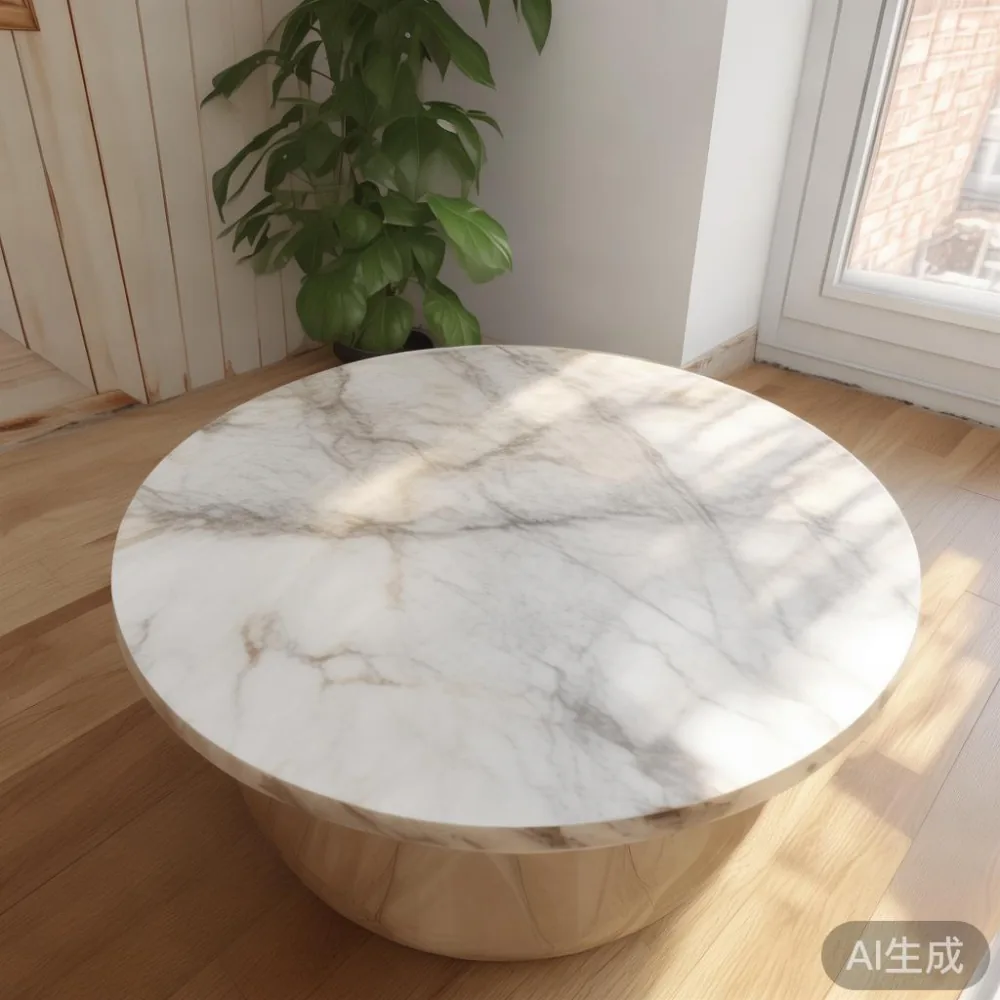
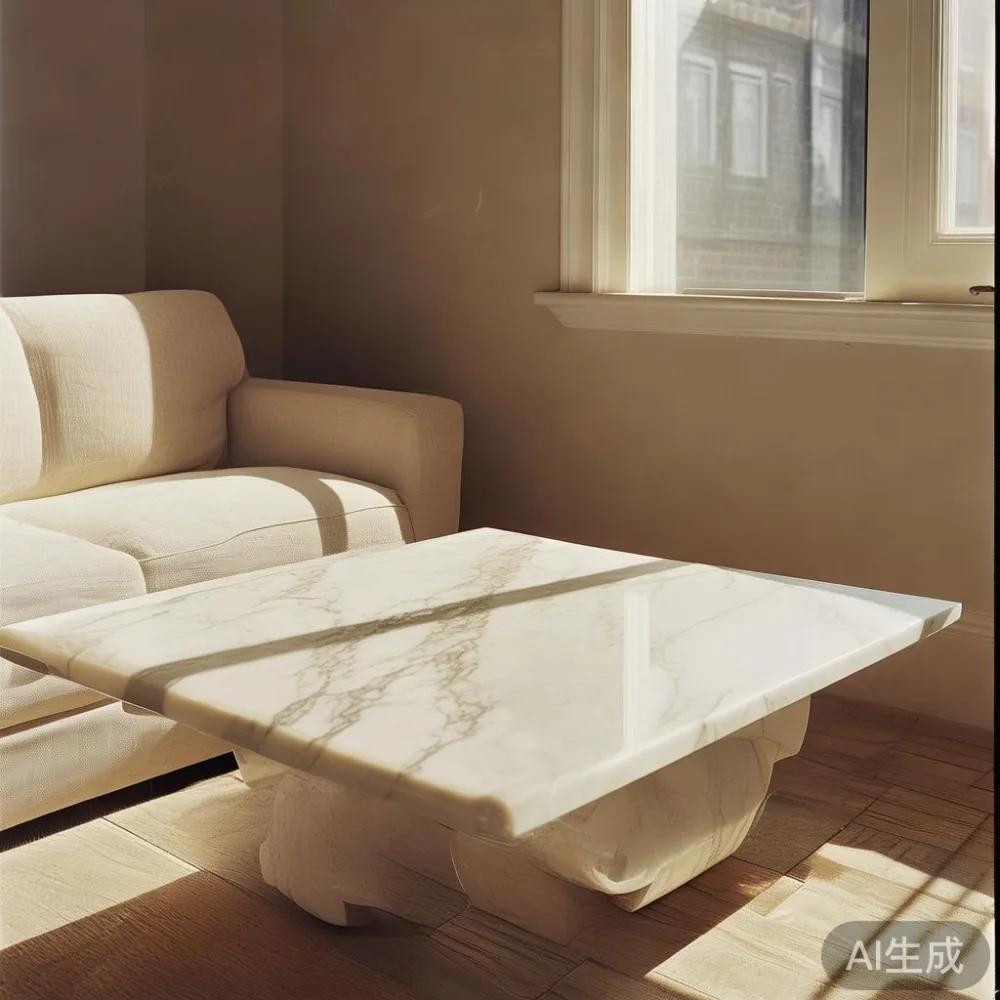
Marble is less dimensionally responsive than solid wood, but it remains vulnerable to water chemistry. A natural stone tabletop may absorb a small amount through an unsealed edge or backing plate. One spilled glass of water left overnight may dull the finish; acidic liquids such as wine, cola and lemon juice can etch polished marble within minutes if the contact area is not rinsed. Avoid soaking a hot dish directly on the stone. A trivet measuring at least 25 × 25 cm protects the surface from a 90°C cooking pot, while coasters with a 3 mm felt base help prevent rings.
For balcony, bathroom-adjacent or ground-floor dining areas, compare local marble options through absorption, flexural strength and sealer performance rather than colour alone. A 120 × 70 cm marble table can weigh roughly 65–95 kg depending on thickness and density, so a reinforced HDB flat must be checked before installation. Freight lifts with a 500 kg capacity and door openings around 90 cm can usually accept a single-piece top, yet turns at corridor junctions may dictate whether the table should arrive as 2 sections.
Before delivery, ask the supplier for the top thickness, weight, packaged dimensions and lifting requirements. A top 180 × 90 cm may require a 2-person move, while a dining base rated for 180 kg should not be loaded beyond its practical limit. For a typical 6-person meal, allow at least 75–90 cm of table length, or 12–15 cm per diner. The compact dining rooms common in Singapore make these numbers useful when balancing seating, traffic and furniture clearance.
Does HDB air conditioning create a hidden humidity problem?
Air conditioning removes moisture rather than producing it. The risk comes from sharp transitions: an exterior wall at 75% RH may cool rapidly against the glass, reducing moisture and producing uneven movement in adjacent timber. A wardrobe near a bedroom window should not be pressed against the reveal, because condensed vapour may wet the cabinet back. Keep 5–10 cm of clearance from cold glass where space permits and inspect that area after heavy rain.
Use a calibrated hygrometer rather than guessing. Install it at roughly 100 cm above the floor and away from vents, dehumidifiers and bathroom doors. Readings around 50–65% RH are sensible for stable timber and comfortable for most residents. During very wet afternoons, a dehumidifier may hold a bedroom near 55%; set its target below the room reading and empty the tank before it reaches the float switch. A model rated for 20–30 m² is appropriate for many HDB bedrooms, subject to the actual humidity load.
Do not chase an exact number every hour. Sudden swings are more damaging than a stable reading above 70%. Keeping doors closed during air conditioning and opening them later can produce a 20% RH change within a few hours, so gradual ventilation is preferable. Check the hygrometer at 8 a.m. and 9 p.m. for 7 days. If the difference exceeds about 10 percentage points twice per week, adjust placement or equipment.
How do lift and corridor dimensions affect furniture delivery?
Humidity protection begins before the furniture reaches the unit. A wrapped solid wood wardrobe may gain 1–2% in weight during rainy transport if packaging is damaged. Furniture should arrive covered in breathable protective material and stand on its own protective feet. Avoid placing an unacclimatised dining table against a cold wall or installing it immediately beside an air-conditioning vent. Allow approximately 24–72 hours for indoor temperature and moisture to settle, following the supplier’s instructions for sealed coatings.
Measure the whole route, not only the flat entrance. Lift cars may measure 140–210 cm high and 110–140 cm deep, while some corridor turns are below 100 cm. A solid wood bed frame sold as 2 boxes can pass through a 90 cm doorway more easily than a rigid 195 cm frame. For an 180 cm mattress, plan at least 5 cm clearance on each side inside the room. A nightstand should leave 60–75 cm for walking space where the bedroom layout allows.
In Singapore, delivery over SGD 350 is free under MIDHILL’s policy, though the service does not replace site measurement. Expect regional delivery windows of about 5–10 working days after stock confirmation. Ask whether GST is shown separately for local transactions; Singapore’s current GST rate is 9%. For a dining table costing SGD 1,280 before tax, the tax component is SGD 115.20. Moving charges may depend on stairs, lift reservations and disassembly, so obtain one written quotation before the crew begins.
What should I check before buying wood furniture for a humid flat?
Ask whether the carcass, drawer interiors and visible surfaces are solid timber, plywood or engineered board. Engineered board can be useful in Singapore when properly sealed, but the panel specification should be stated clearly. A solid wood bed frame may use engineered components for hidden supports; a solid wood sofa may combine timber framing with upholstered cushions. For a dining table, confirm whether the top is solid wood, veneer or stone, and request the finish name rather than relying on a general description of “wood”.
Inspect joinery, ventilation and service access. Drawers should have 2–3 mm of running clearance at the sides and be backed by a stable base. A wardrobe needs internal shelves supported at suitable intervals, plus space for hanging clothes to breathe. A nightstand with a closed compartment should have a rear gap of at least 5 cm. A marble table should have sealed edges, a moisture-resistant backing and a stable base that prevents stone stress after years of use.
For inspiration beyond dining, a useful guide to how to choose European light luxury sofa can help buyers assess seat depth, frame material and cushion recovery. Questions about how to style American wardrobe in bedroom are particularly relevant in an HDB room where a freestanding unit must leave a practical door opening. Design references such as French provincial for hotel can inform warm timber, curved edges and pale upholstery, while still needing local humidity adjustments.
Other searches often produce mixed results. A page about top 10 Industrial furniture may help compare shelf loads, but steel shelving and timber cabinetry react differently to moisture. Guides on how to style Japanese wardrobe in apartment can clarify sliding-door clearances, though ventilation remains necessary. For a vanity, European light luxury dressing table can supply a visual reference, but a Singapore version should use a stone surface with careful edge sealing and allow at least 30 cm between the wall and the dressing stool.
Can mould and water rings be removed from wood furniture?
Surface mould is a warning that the item stayed wet or humid, not a reason to scrub aggressively. Move the furniture into a ventilated area, isolate nearby fabrics and dry it with airflow across a 24–48 hour period. Use a clean cloth lightly dampened with water, not a soaked sponge. A soft brush can lift dried residue from open grain, but test any cleaning product on a hidden 2 × 2 cm section first. Dry the surface to a visible finish, then check again after 12 hours.
Water rings on solid wood may be treated with mild cleaning methods, but outcome depends on the coating. Do not promise that every mark disappears from lacquered, stained or waxed timber. For a marble table, blot rather than rub, rinse with clean water and dry around the ring. Etching has removed the polished layer; repair may involve honing and polishing, which is different from removing a stain.
Use a moisture meter designed for timber as a screening tool, not a pass-or-fail verdict. Readings vary by species, temperature and calibration. Look for refined readings in drawer bottoms, behind cabinets and beneath seat cushions. If a panel remains wet above 20% moisture content or smells musty for more than 48 hours after drying, stop adding finish and obtain an inspection. Structural damage, mould behind a wardrobe back or split stone should be documented with photographs before repair.
What is a sensible maintenance routine for Southeast Asian homes?
A weekly routine takes 10–15 minutes. Check the hygrometer, inspect the marble table top, wipe spills and move cushions so air can circulate beneath them. Vacuum a solid wood sofa with a brush attachment and avoid steam cleaning. Keep dining-table coasters, placemats and felt pads within easy reach. For a wardrobe, leave the interior dry before closing doors and inspect the back every 3 months. For a nightstand, use trays for watches, perfume and damp items that could otherwise create a ring.
Every 6–12 months, clean the touch points and inspect the finish under daylight. Reapply a compatible hardwax oil only according to the product instructions; excessive oil can cause colour buildup. Wax generally needs renewal sooner, while a factory lacquer may require a different maintenance method. Do not mix lemon juice, vinegar or abrasive powder into DIY mixtures. Use neutral products labelled for the specific wood species or stone, and test first.
Keep an indoor plant watering can away from the marble table and use a saucer beneath each pot. If plants need frequent watering, the living room may already be at 75–85% RH. A bedroom ideal for a solid wood bed frame can remain calmer at 55–65%. Seasonal changes can be managed over 7–14 days, but a sudden leak, dishwasher overflow or air-conditioning failure needs immediate drying.
What should homeowners do after monsoon weather?
After heavy rain, close windows during the heaviest downpour, then ventilate gradually over 1–2 hours. Do not place damp clothing against a wardrobe or solid wood sofa. Check the area behind a bed frame for condensation and wipe any water from the floor beneath a nightstand. Record the hygrometer at morning, evening and bedtime; if readings stay above 70% for more than 24 hours, run a dehumidifier or consult the building management.
When new furniture arrives, inspect packaging before signing. Photograph the protective wrap, edges and stone surfaces, especially if a corridor or lift transfer was difficult. Confirm the item matches the order and leave dry acclimatisation space. A solid wood dining table should be kept away from a damp service yard or balcony drying area. The same rule applies to a marble table: avoid leaving it outdoors under a covered but ventilated passage, where salt air and rain can reach the edges.
Humidity does not make solid wood furniture unusable in Singapore. It makes construction, placement and maintenance more demanding. Stable indoor readings, sensible gaps, careful cleaning and timely refinishing reduce movement and water-related damage. MIDHILL’s lifetime refinishing policy is relevant here because wood can be maintained and refreshed rather than discarded after a single humid season. For customers planning a purchase through midhillco, request the timber species, finish, weight, delivery route and care instructions in writing, then keep the same measurements and maintenance dates for the next 12 months.