Caring for a Lacquered Surface in a Tropical Climate: A Guide for Singaporean Homeowners
Living in Singapore, with its consistently high humidity and ambient temperatures, presents a unique set of challenges for maintaining the pristine appearance of fine furniture. For those who have invested in a statement piece like a marble table, the glossy, lacquered finish is a key part of its aesthetic appeal. However, this same finish can be vulnerable to the environmental conditions found in our HDB flats and condos, from the coastal humidity in Punggol to the heat build-up in lift corridors of Tampines. Understanding how to care for this surface is not just about preservation; it's about ensuring your investment remains a beautiful part of your home for years to come.
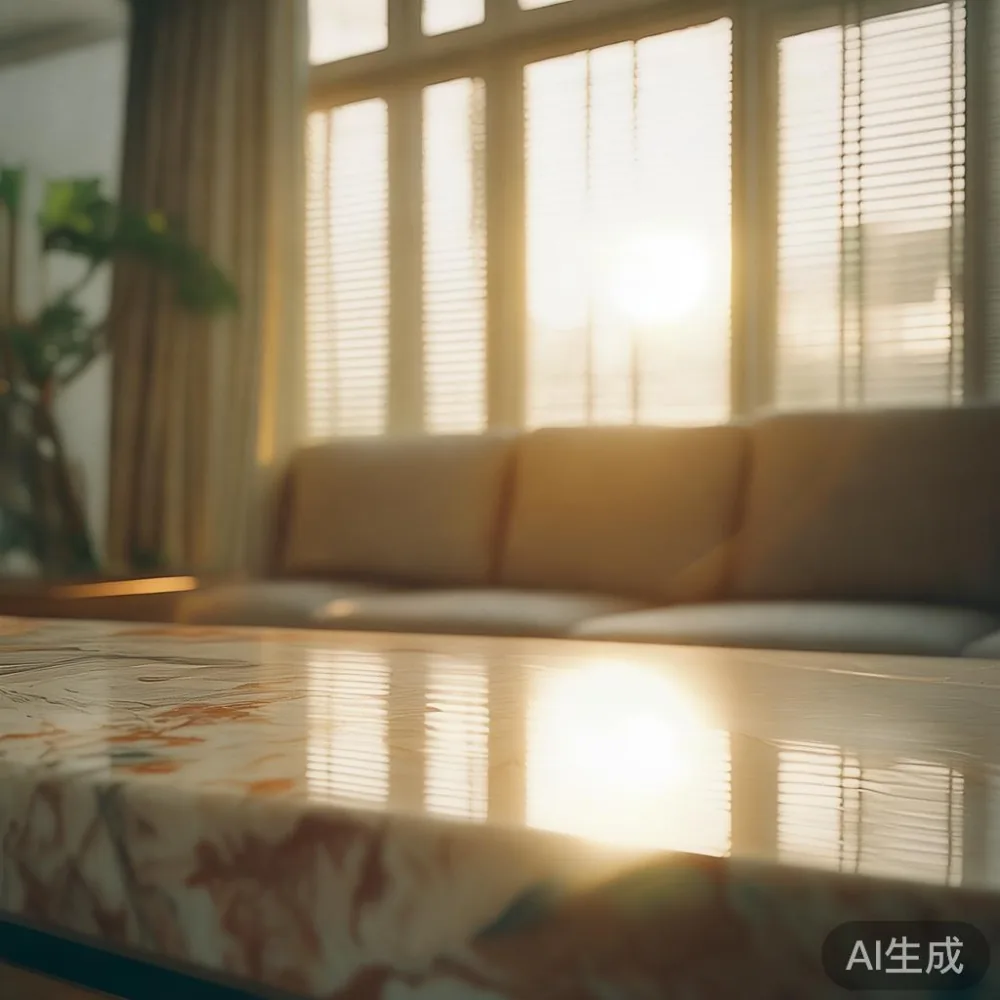
Understanding Your Lacquered Marble Table
A marble table, especially one with a lacquered finish, is a sophisticated piece of furniture. The process involves applying multiple layers of a clear, hard resin—often a polyurethane or acrylic lacquer—over the wood or, in some cases, directly onto the marble itself. This creates a durable, non-porous surface that is highly resistant to stains and scratches. The result is a high-gloss, mirror-like sheen that reflects light beautifully, making it a centrepiece in any dining or living area. The lacquer acts as a protective barrier, shielding the underlying material from everyday wear and tear. This is why a marble table from a reputable Foshan factory, with its 10-year structural warranty, represents a long-term commitment to quality. The finish is designed to withstand normal use, but its arch-enemy is a sudden and extreme change in environmental conditions, which are common in Singapore.
How Humidity and Heat Affect Lacquered Surfaces
Singapore's tropical climate is characterised by humidity levels that often hover between 70% and 90% and an average temperature of around 31°C. While humans adapt to this, lacquer does not. The high moisture content in the air can be absorbed into the wood substrate of the furniture, even if the lacquer itself is sealed. This causes the wood to expand slightly. When the air conditioning is turned on, the room temperature and humidity drop rapidly. The wood then contracts. This constant cycle of expansion and contraction puts immense stress on the lacquer layer. Over time, this stress can manifest as fine, hairline cracks in the finish, a phenomenon known as 'crazing.'
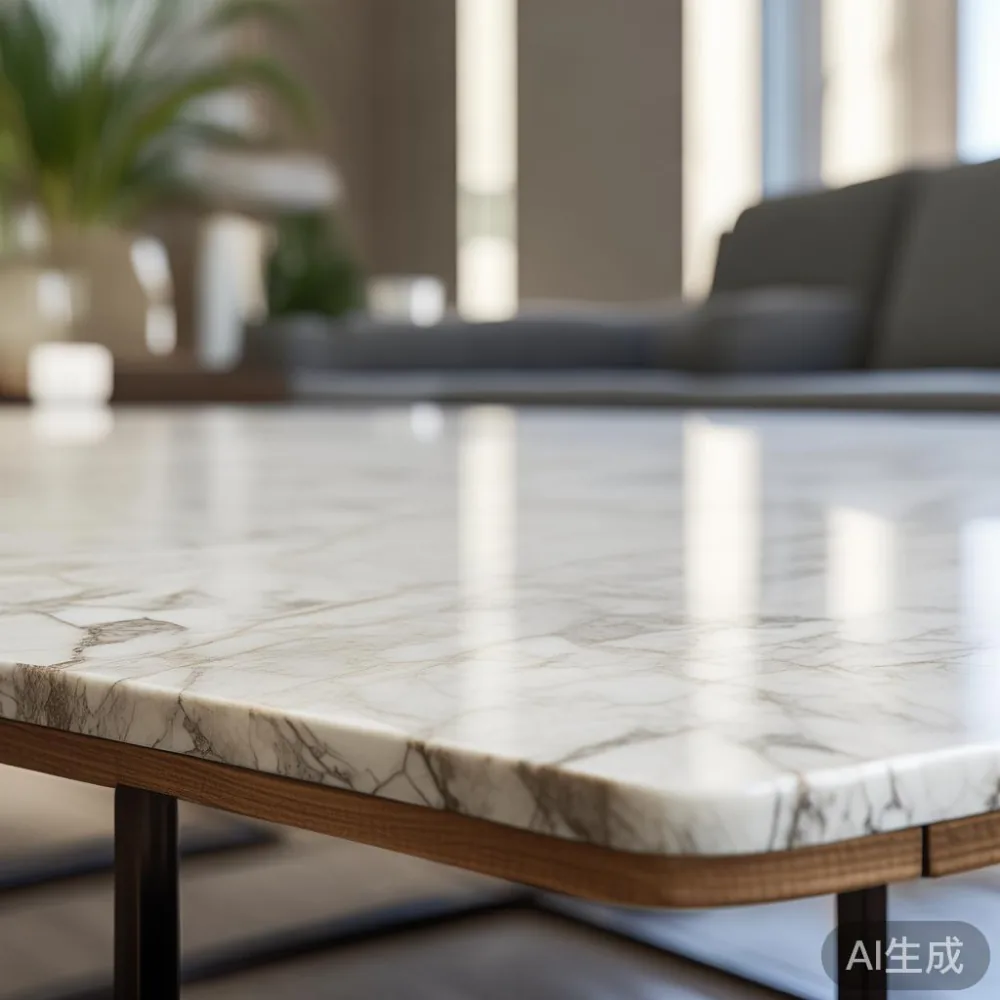
Heat is another factor. A marble table placed near a window that receives direct afternoon sun can experience surface temperatures exceeding 50°C. This intense heat can soften the lacquer, making it more susceptible to marring and indentation. For instance, placing a hot plate directly from the stove onto the table can create a permanent ring or dull spot. The combination of heat and humidity can also accelerate the natural aging process of the lacquer, causing it to yellow slightly or lose its original lustre. My colleague visited a client's condo in Bedok last month and saw a beautiful dining table where the finish had yellowed significantly. The owner admitted they kept the curtains drawn most of the day to protect the furniture, inadvertently creating a greenhouse effect that was even more damaging.
Is it Safe to Use Regular Furniture Polish on My Lacquered Marble Table?
This is a common and important question for many homeowners. The short answer is no, you should avoid most standard furniture polishes. Many commercial polishes contain silicone, oils, or waxes. While they might provide a temporary shine, these ingredients can build up over time. This creates a cloudy, filmy layer on your lacquered surface, which actually traps dust and can interfere with the finish's ability to breathe. Also, some polishes contain alcohol or strong solvents that can strip away or damage the delicate lacquer coating. The best practice is to use a cleaner specifically formulated for lacquered or high-gloss finishes. These products are typically pH-neutral and designed to clean without leaving a residue or harming the protective layer. A simple microfiber cloth lightly dampened with water is often sufficient for daily dusting, reserving the special cleaner for a deeper clean every few weeks.
Practical Daily and Weekly Care Routine
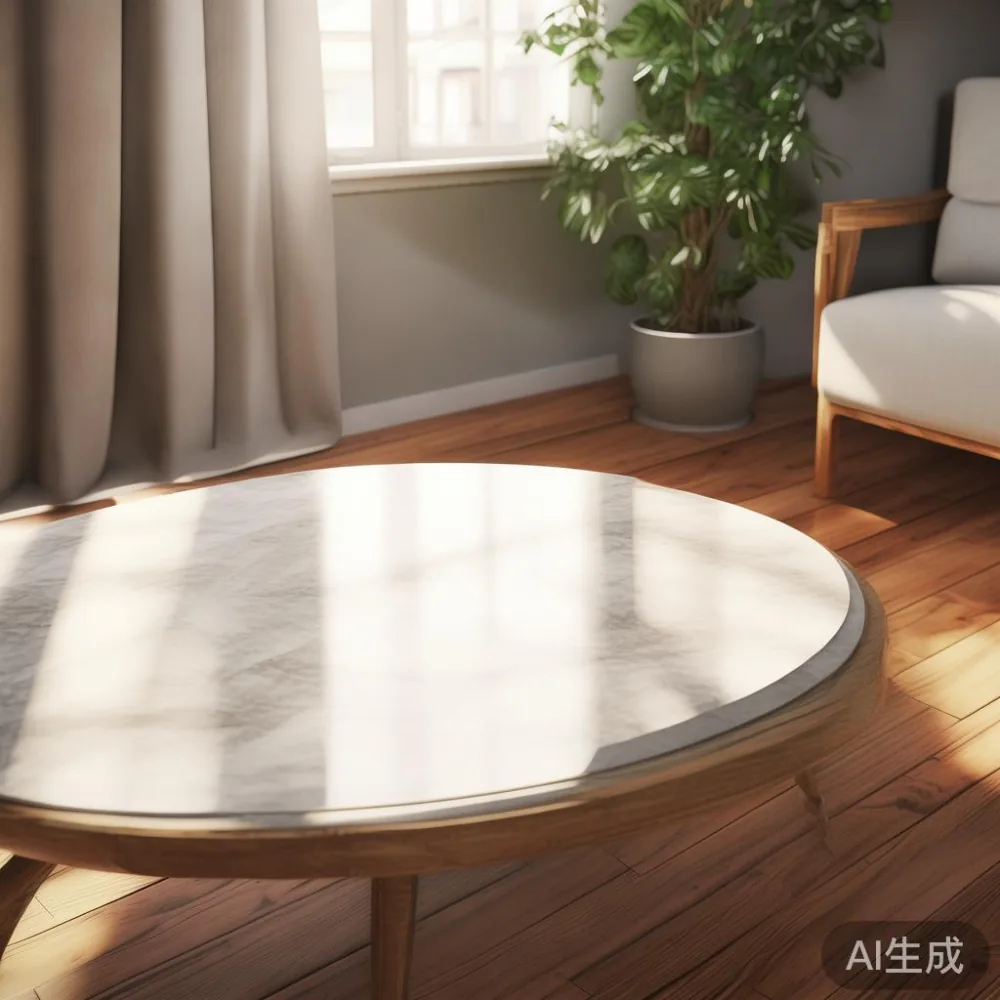
Maintaining the beauty of your marble table is a simple matter of consistent, gentle care. A daily routine takes only a minute. Use a soft, dry, lint-free microfiber cloth to wipe down the surface. This removes dust particles that can act like fine sandpaper if rubbed against the finish. For weekly cleaning, use a well-wrung-out cloth with just a small amount of water. The key is to use as little moisture as possible. After wiping, immediately follow with a dry microfiber cloth to buff the surface to a shine. Avoid spraying any cleaner directly onto the table. Instead, spray it onto the cloth to prevent liquid from seeping into any potential microscopic cracks or the wood joints. For stubborn marks, a dedicated lacquer cleaner applied to a cloth is the safest option. Never use abrasive scrubbing pads or harsh chemical cleaners like bleach or ammonia-based products, as they will permanently damage the finish.
Positioning and Placement for Long-Term Preservation
Where you place your marble table is as important as how you clean it. In Singaporean homes, the placement of furniture is often constrained by the layout of HDB flats and condos. Standard lift and corridor widths in older estates might be around 120cm, influencing how you move a large piece of furniture into your home. Once in place, avoid positioning your table in direct sunlight. The UV rays are a primary cause of lacquer yellowing and wood fading. If your dining area has large windows, install good quality UV-blocking curtains or blinds. Similarly, keep the table away from direct sources of heat like air-conditioning vents, radiators, or stoves. The constant blast of cold air from an AC unit directly above or beside the table can create the rapid temperature fluctuations that lead to cracking. Maintaining a stable room environment with an air conditioner set to a comfortable 24-25°C is ideal for the furniture.
Protecting Your Table from Everyday Use
A marble table is meant to be used, but a few precautions can prevent accidental damage. Always use placemats and coasters. Placemats protect the surface from scratches from plates and cutlery, while coasters prevent water rings from glasses and hot marks from mugs. The use of coasters is non-negotiable. A glass of ice-cold water left on a lacquered surface for even an hour in our climate can create condensation that seeps into the wood pores, potentially causing a white stain. For hot dishes, always use a trivet or a heat-resistant mat. Never place a hot pot, pan, or dish directly onto the table. Heavy objects should also be handled with care. Dropping a heavy vase or a cast-iron skillet can chip the marble or, more likely, crack the lacquer and the wood underneath. When moving the table for cleaning, always lift it; never drag it across the floor, as this will scratch both the floor and the table's base or legs.
What to Do When Damage Occurs
Despite your best efforts, accidents can happen. A small scratch or a minor water stain can often be buffed out. For a light scratch, a high-quality scratch repair marker or a specific lacquer touch-up pen can work wonders. Apply it sparingly and buff gently with a soft cloth. For water stains, try applying a small amount of baking soda mixed with a few drops of water to form a paste. Gently rub the paste over the stain in a circular motion with a soft cloth, then wipe clean. If the damage is more significant, such as a deep crack or a large area of crazing, it is best to seek professional help. Attempting a DIY repair with the wrong products can make the damage worse. A professional furniture refinisher has the tools and expertise to strip and re-lacquer the affected area, restoring the table to its original condition. This is where a brand's lifetime refinishing warranty, like the one offered by some makers, becomes invaluable.
Integrating Your Marble Table with Light Luxury Styles
A marble table is a versatile piece that can anchor various interior design styles, including popular light luxury aesthetics. For a French light luxury look, pair your marble table with upholstered chairs in soft pastel colours like blush or sage green. Add a crystal chandelier above and a large, ornate mirror on the wall to create an atmosphere of elegant opulence. If your preference leans towards American light luxury, the focus is on comfort and grandeur. Combine the marble table with a solid wood sofa in a rich, neutral-toned fabric and a substantial bed frame with tufted headboard in the adjacent living area. The marble's cool, sleek surface provides a perfect contrast to the warm, inviting textures of the upholstery. For a post-modern light luxury style, embrace clean lines and bold contrasts. The marble table can be the centrepiece, complemented by minimalist wardrobe designs and nightstands with geometric metal accents. The key is to let the marble table be the star, using other furniture to enhance its natural beauty rather than compete with it.
When considering a new marble table, it's worth exploring the broader furniture ecosystem. For example, finding the best American sofa for 2026 might involve looking for pieces that share the same commitment to quality and design as your table. The choice between a French sofa vs Italian light luxury sofa often comes down to a preference for ornate detailing versus clean, sculptural forms. For the bedroom, one might seek Italian light luxury for bedroom pieces, such as a sleek bed frame with integrated nightstands. The question of how to style a European wardrobe in a room is answered by ensuring its lines complement the other furniture, perhaps using a marble-top nightstand beside it. While for sale Scandinavian furniture offers a different, more minimalist aesthetic, luxury Italian light luxury furniture provides a sense of drama and sophistication that a marble table embodies perfectly. Ultimately, each piece, from the dining table to the wardrobe, should work in harmony to create a cohesive and beautiful living space.