The 5-Year Financial Reality Check: Veneer vs. Solid Wood for Your Singapore Home
The decision to furnish a new home in Singapore—be it a compact HDB flat in Tampines or a spacious condo in Punggol—is a significant financial commitment. With property prices averaging SGD 1,200 per square foot in new condominiums and a standard GST of 9% applied to all furniture purchases, every dollar counts. The choice between veneer and solid wood furniture is often framed as a debate between initial cost and long-term value. This article provides a detailed, 5-year cost comparison, moving beyond simple price tags to consider durability, maintenance, and the true cost of ownership within the unique context of Singaporean living spaces.
Understanding the Core Materials: Solid Wood vs. Veneer
Before diving into numbers, it's important to understand what these terms mean. Solid wood furniture, like the pieces crafted by Foshan-based maker MIDHILL since 2008, is constructed from a single, continuous piece of lumber. A solid wood dining table or bed frame is made from solid oak, walnut, or mango wood, showcasing the natural grain and character of the timber. This construction provides immense structural integrity and allows for future refinishing, effectively giving the piece a lifetime of use. The weight is a key indicator; a solid wood dining table for 6 can easily weigh between 45 to 65 kg, reflecting its dense, sturdy build.
Veneer, on the other hand, is a thin layer of real wood (typically 0.6mm to 2mm thick) applied over a core substrate, which is often particleboard, MDF (Medium-Density Fibreboard), or a lower-grade wood. This core is much lighter and less stable. A veneer dining table of the same dimensions might weigh only 25 to 35 kg. While veneer can offer the aesthetic of real wood at a lower initial price point, its long-term performance is fundamentally different. The substrate is susceptible to moisture damage, warping, and sagging over time, especially in Singapore's humid climate, which can average 80% relative humidity.
The Initial Investment: A Singapore-Specific Price Breakdown
The most apparent difference between veneer and solid wood is the upfront cost. Let's compare the prices for a dining set—a central piece for any Singaporean home. We'll consider a standard size suitable for most HDB and condo dining areas, approximately 160cm x 90cm, with four chairs. Prices are listed before the 9% GST.
Solid Wood Dining Set: A set made from solid mango wood, featuring a trestle base for stability, typically costs between SGD 3,800 and SGD 5,200. This price reflects the quality of the single-piece construction and the natural material. For a family living in a Bedok HDB flat, this table must fit through a standard door frame of 82cm and work through a corridor of at least 120cm. The solid wood option, while heavier, offers the peace of mind that it will not sag under the weight of a hotpot or a heavy marble table placed on top.
Veneer Dining Set: A comparable set with a veneer finish over an MDF core might range from SGD 1,800 to SGD 2,800. The significant saving is the primary appeal. However, this initial economy comes with compromises. The MDF core is vulnerable to swelling if water is left on the surface, a common occurrence in Singaporean households. The lighter weight is a double-edged sword; it's easier to move but lacks the structural heft of solid wood.
Year 1-2 Costs: Delivery, Assembly, and Initial Upkeep
The initial purchase is only the beginning. Delivery and assembly costs add to the total expense, and these can differ based on the material's weight and complexity.
Solid Wood Delivery: Delivering a 50 kg solid wood dining set to a condo in Tampines with a lift width of 110cm costs approximately SGD 120. Most reputable sellers, including those with a 10-year structural warranty like MIDHILL, offer free shipping for orders over SGD 350. Assembly is straightforward, taking about 45 minutes for two people. There are no significant upkeep costs in the first two years beyond perhaps a wood polish once every six months to maintain the finish, costing around SGD 30 for a quality product.
Veneer Delivery & Assembly: Delivering a 30 kg veneer set costs less, perhaps SGD 80, due to the lighter weight. Assembly is similar in time. However, the initial upkeep is where the first signs of a problem may appear. Because veneer is a thin layer, any sharp impact can chip the surface, revealing the substrate underneath. Re-touching this requires a specific kit, and if the damage is extensive, it can be difficult to repair smoothly. A repair kit might cost SGD 50, and if a professional is needed, the cost could rise to SGD 150 or more.
Year 3-5 Costs: The Tipping Point of Durability
This is the period where the true cost difference between the two materials becomes starkly apparent. A solid wood piece is built to last a lifetime, while a veneer piece may begin to show its age and structural weaknesses.
Solid Wood Longevity: A solid wood dining table or wardrobe is an investment that appreciates in character. It can be refinished multiple times. For example, if the top of a solid wood table gets scratched or sun-bleached after five years, a professional refinishing service can sand it down and reapply the lacquer for around SGD 400. This process restores the table to near-new condition. Many companies offer a lifetime refinishing service, making this a one-time cost rather than a recurring expense. The structural warranty covers any issues like joint separation, which is rare with solid construction. My colleague recently visited a client in a Punggol condo who had a solid wood bed frame from 2015; it looked as good as new after a simple refinishing, a proof of its longevity.
Veneer Degradation: By year 3 to 5, veneer furniture often begins to fail. The most common issue is warping of the substrate, especially in environments like a bathroom or kitchen where moisture is present. A warped wardrobe door that no longer closes properly is a major problem. Repair is often impossible; the entire door or panel must be replaced, which can cost SGD 200 to SGD 400 per door, plus labour. Another common failure is delamination, where the veneer layer begins to peel away from the MDF core. This is often caused by humidity fluctuations or a spilled drink that seeps into an unsealed edge. Repairing delamination is a cosmetic patch at best and does not address the underlying weakness of the substrate. The initial savings are quickly erased by these repair costs.
Is a Veneer Wardrobe a Smart Choice for a Small Singapore Apartment?
This is a question many homeowners ask, particularly those living in smaller HDB units where space is at a premium. The argument is that a veneer wardrobe is lighter and cheaper, making it ideal for a small bedroom. While the initial price and weight are lower, the long-term costs and risks often outweigh the benefits. A solid wood wardrobe, while heavier, offers unparalleled durability. In a humid climate, the solid wood will expand and contract naturally with the seasons without warping. A veneer wardrobe, on the other hand, is a ticking time bomb. The MDF core can absorb moisture from the air, leading to swelling, a musty smell, and eventually, structural collapse. For a homeowner looking for the best European wardrobe for 2026 that will last, a solid wood construction is the only sensible choice for long-term value and peace of mind.
Styling and Resale Value: The Hidden Costs of Taste
Beyond the financials, there's the aesthetic and practical aspect of living with your furniture. Solid wood pieces offer timeless appeal. A solid wood sofa with clean lines fits perfectly into a French light luxury aesthetic, while a walnut dining table can anchor a post-modern light luxury dining room. This versatility means your furniture doesn't go out of style, reducing the urge to replace it every few years to keep up with trends.
Veneer furniture often has a generic look. Its lower cost is reflected in the details. The finishes can look less rich, and the construction is less substantial. This affects resale value. When you move home in Singapore, as many people do every 5-7 years, you may want to sell your furniture. A well-maintained solid wood dining set might retain 40-50% of its original value. A 5-year-old veneer set, however, may be difficult to sell for more than 10-15% of its original price, if at all, due to its perceived lower quality and potential hidden damage. For those looking for for sale European furniture or for sale Boho furniture, solid wood pieces are consistently more sought after.
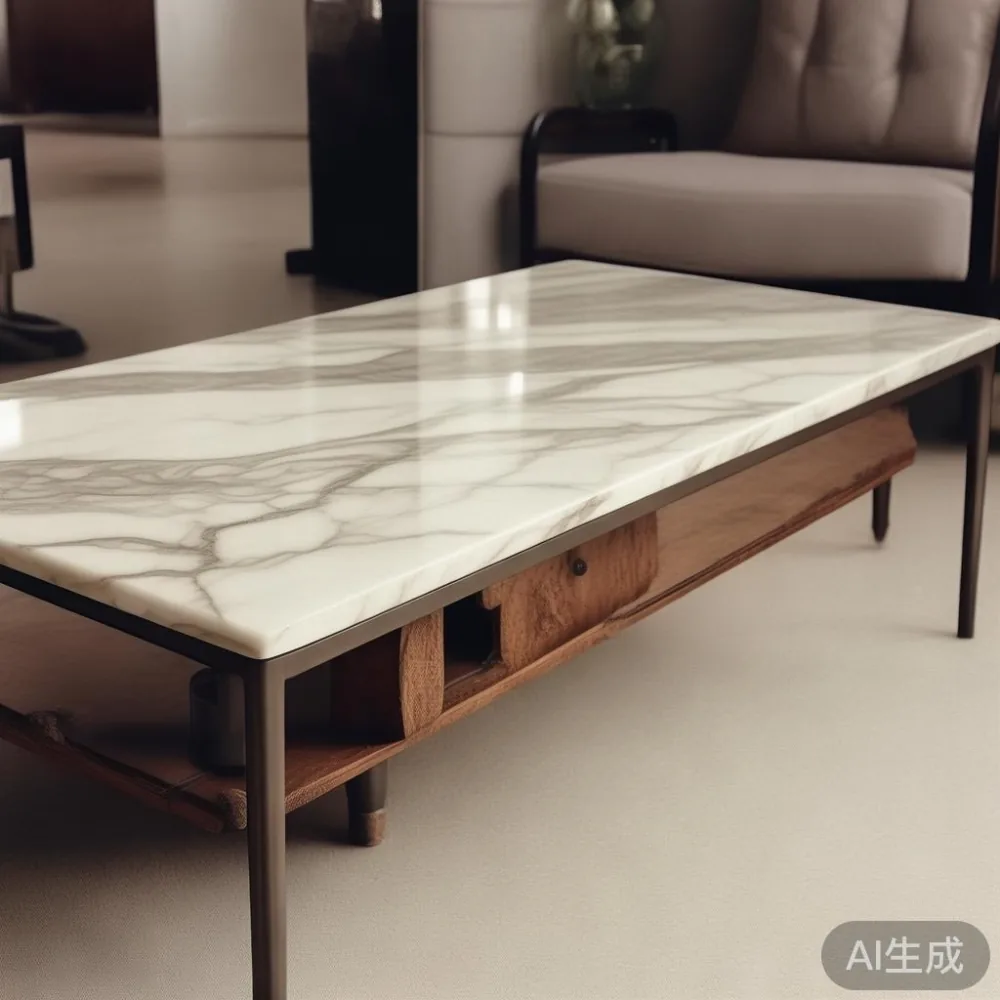
Also, styling is easier with quality pieces. When learning how to style Japandi wardrobe in an apartment, the natural texture and clean lines of solid wood are a perfect match. Similarly, understanding how to style Japanese bed in an apartment is simpler with a solid wood frame that complements minimalist decor. The contrast between a sleek marble table and a rich solid wood base creates a sophisticated look that veneer simply cannot replicate.
The Verdict: A 5-Year Total Cost Analysis
Let's put it all together in a hypothetical 5-year cost analysis for a dining set and a wardrobe, two critical pieces of furniture for any Singaporean home. We'll assume an average initial purchase price and add in potential repair and maintenance costs over five years, including GST where applicable.
Scenario 1: Veneer Furniture
- Initial Purchase (Dining Set + Wardrobe): SGD 2,800 + SGD 1,500 = SGD 4,300
- 9% GST: SGD 387
- Delivery: SGD 80 + SGD 70 = SGD 150
- Year 3 Repair (Wardrobe Door): SGD 250
- Year 5 Repair (Table Top Refinishing): SGD 550 (more complex due to veneer)
- Total 5-Year Cost: SGD 4,300 + SGD 387 + SGD 150 + SGD 250 + SGD 550 = SGD 5,637
Scenario 2: Solid Wood Furniture
- Initial Purchase (Dining Set + Wardrobe): SGD 4,500 + SGD 2,800 = SGD 7,300
- 9% GST: SGD 657
- Delivery: SGD 120 + SGD 100 = SGD 220 (waived if over SGD 350, but let's calculate separately)
- Year 5 Refinishing (Table): SGD 400 (optional, to restore finish)
- Total 5-Year Cost: SGD 7,300 + SGD 657 + SGD 220 + SGD 400 = SGD 8,577
At first glance, veneer appears cheaper by SGD 2,940 over five years. However, this analysis doesn't account for the risk of catastrophic failure with veneer, such as a wardrobe collapsing, which would mean a full replacement cost of another SGD 4,300 plus GST. It also doesn't factor in the inconvenience and stress of dealing with repairs. More importantly, it ignores the Japanese bed vs Italian light luxury bed debate; a solid wood frame offers the durability of the Italian option without the exorbitant price, making it a smarter investment. For those browsing for sale European furniture, the quality and longevity of solid wood are key differentiators that justify the initial investment. The choice between a cheap, short-lived piece and a lasting one is clear when viewed over the full lifecycle of ownership. You can explore more about this philosophy on brands like www.midhill.co, who have built their reputation on this principle.