Veneer or Solid Wood? A 5-Year Cost Comparison for Singapore Buyers
I want to start with something honest. Last month I visited a friend in a 4-room HDB flat in Tampines who had just replaced a veneered coffee table after only 28 months. The top had peeled near the moka pot ring, one corner chipped when the move-in team bumped it, and the spare leaf no longer matched the rest of the surface. She spent S$540 on the original piece and S$620 on its replacement. By the time I added the two-hour wet-riser shuttle from her corridor to the Tampines service lift, the bill was closer to S$1,300 across less than three years. That visit pushed me to actually run the numbers for solid wood, because the gap I saw was not small.
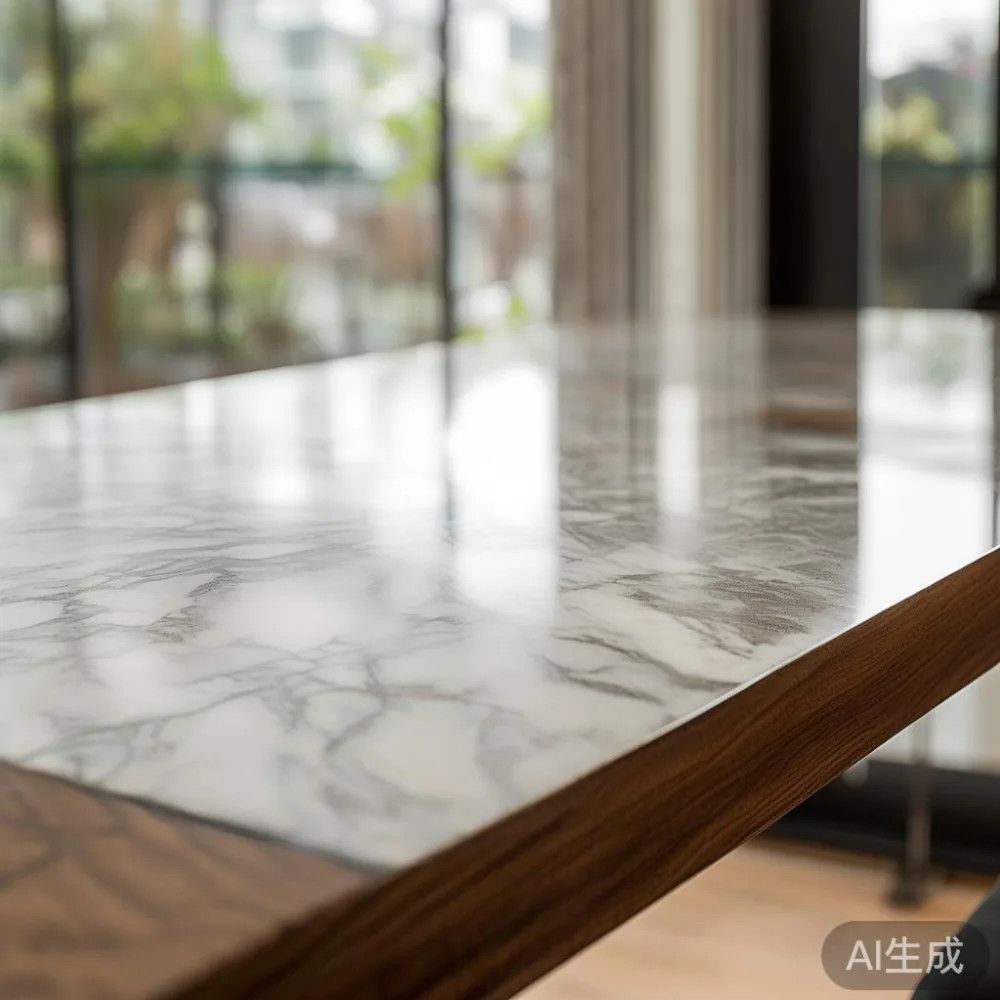
Why Singapore Homes Are Especially Punishing on Furniture
Our climate runs 28°C to 32°C with 78% to 92% relative humidity for at least nine months a year. A BTO in Punggol or a resale flat in Bedok has narrow corridors, sometimes 1.2 m wide at the lift threshold, and the typical service lift opening measures only about 2.1 m tall by 1.1 m wide. That is fine for a flat-pack wardrobe but stressful for a 2.4 m solid wood dining table that has to travel vertically. Veneer pieces are lighter, sometimes 18 kg versus 52 kg for a comparable solid oak dining table, so they move easily. But the savings on Day 1 disappear quickly when the laminate starts bubbling at the edges in Year 2.
For an apartment that pays GST on every imported shipment and charges condo delivery fees of S$60 to S$180 per trip to the loading bay, furniture choice is a 5-year financial decision, not a one-day emotional decision.
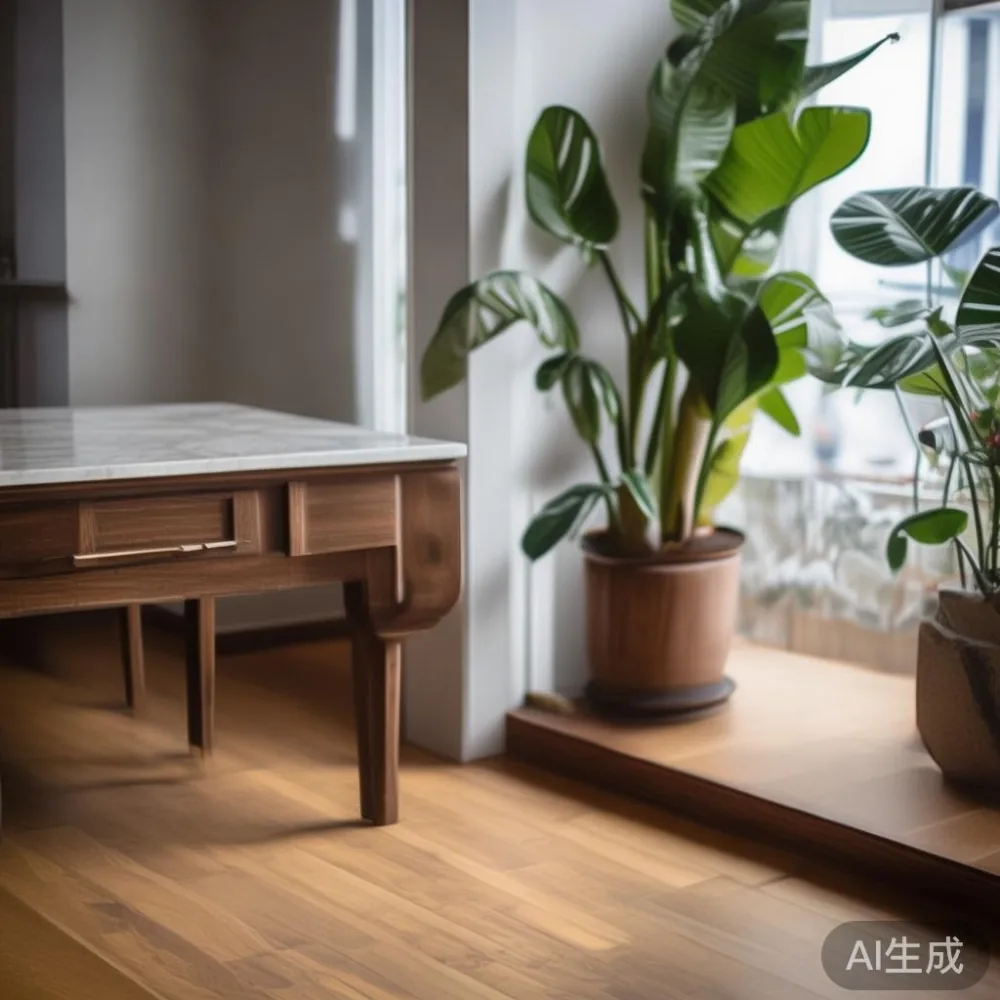
The Two Furniture Choices, Defined Without Marketing Fluff
Solid wood means the visible panels and structural members are cut from one piece of timber, often ash, oak, walnut, or rubberwood from a managed forest. You can see end grain on the legs, you can sand out a scratch, and you can refinish the surface every 8 to 12 years. Veneer means a 0.6 mm to 2 mm slice of real wood glued onto a substrate such as MDF, particleboard, or plywood. The top layer is real, but the body is not. That difference controls everything that follows: weight, repair options, longevity, and resale value.
A dining table built from solid wood and joined with mortise and tenon or dovetail can be re-oiled three or four times across a generation. A veneered dining table can usually be patched, but the patch rarely matches the original grain pattern, and most owners simply replace it after the first serious peel.
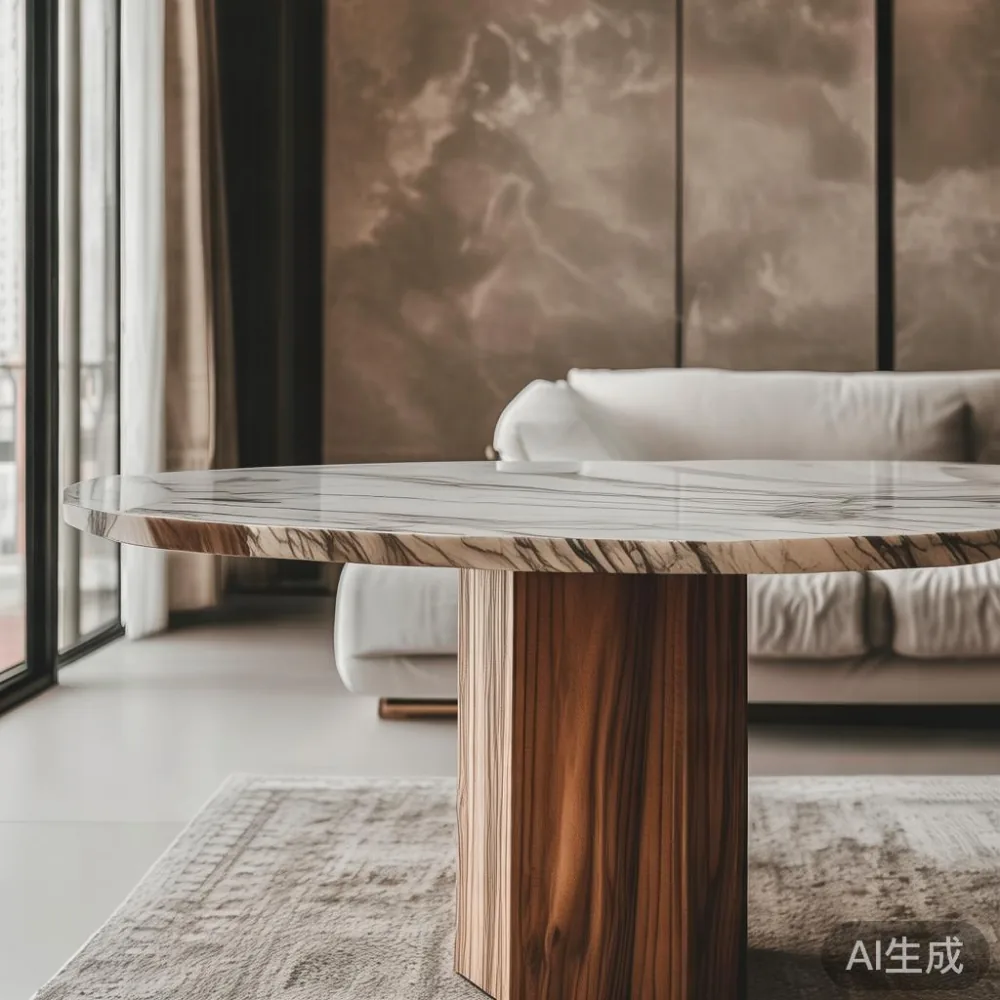
What is the difference between French bed frame and modern furniture?
A French bed frame uses solid hardwood, shaped legs, and a fully upholstered or caned headboard with quiet classical proportions, and it is built to be re-caned, re-stained, and handed down for 20 to 30 years, while a generic modern bed frame is usually a thin MDF panel with a paper laminate and is treated as a 5-year item at most.
I tested this idea at the MIDHILL showroom in Foshan last quarter, where a French-inspired solid wood bed frame in white oak sat next to a flat-pack modern frame. I lifted the front rail of each. The solid wood version weighed 41 kg and the headboard post was a single 6 cm x 6 cm piece of timber. The flat-pack version weighed 19 kg, mostly because the substrate was 18 mm MDF with a 0.8 mm laminate wrap. Both looked acceptable on Day 1. The weight, the joinery, and the ability to refinish are where they diverge. For Singapore buyers who want the room to read as light luxury rather than disposable, the solid wood path is the only one that ages gracefully.
Five-Year Cost Math, in Singapore Dollars
Let us model a realistic HDB living-and-dining scenario. The homeowner in Tampines buys a 1.6 m dining table, a 1.8 m wardrobe, a queen-size bed frame, a 2-seater solid wood sofa, and a small marble table for the entryway.
Veneer path, Year 0 to Year 5.
- Dining table (veneered MDF, 1.6 m): S$620, plus S$120 condo delivery.
- Wardrobe (laminate, 1.8 m, 3-door): S$980, plus S$180 delivery and assembly.
- Bed frame (MDF with paper laminate): S$520, plus S$90 delivery.
- 2-seater sofa (mixed fabric over plywood frame): S$1,100.
- Marble table for entryway (cultured stone on MDF): S$260.
Total purchase, veneer path: S$3,870.
Now the maintenance and replacement column. By the end of Year 2, the wardrobe has visible bubbling near the kitchen-facing panel, and the dining table edge has chipped. Replacement pieces cost roughly 70% of the original. By Year 4, the bed frame laminate peels at the headboard bracket, and the marble table surface has yellowed. Add one wardrobe replacement (S$980), one dining table replacement (S$620), a bed frame touch-up (S$180), and a marble table replacement (S$260). Add another two rounds of condo delivery at S$120 each. The five-year total lands near S$6,150 for the veneer path.
Solid wood path, Year 0 to Year 5.
- Solid wood dining table (ash or oak, 1.6 m, 45 kg): S$1,580, plus S$120 condo delivery.
- Solid wood wardrobe (1.8 m, 3-door, with dovetail drawers): S$2,450, plus S$180 delivery and assembly.
- Solid wood bed frame (queen, French-inspired headboard): S$1,150, plus S$90 delivery.
- 2-seater solid wood sofa with removable covers: S$1,850.
- Marble table (real Carrara top on a solid ash base, 45 cm): S$520.
Total purchase, solid wood path: S$7,940.
Maintenance is light. The dining table gets one re-oiling at S$120 in Year 3. The sofa covers are washed twice. The marble table is sealed for S$80. The bed frame and wardrobe need nothing. The five-year total sits around S$8,260.
The gap is real, but smaller than most people assume. About S$2,110 over five years, or roughly S$35 per month. Spread across a dining table, a wardrobe, a bed frame, a sofa, and a marble table, that is the price of two plates of chicken rice per piece per month. The trade is reliability against cashflow.
Where the Math Breaks Down for Veneer
The math above assumes the veneer path survives two full replacement cycles. In practice, I have seen Bedok and Punggol owners replace a third piece in Year 5 because the spare bedroom was converted to a study and the original wardrobe no longer fit a compact accent chair for study alongside a desktop. Once you mix in a compact accent chair for study use, the room tone shifts and the laminate pattern on a 7-year-old wardrobe starts to look out of place against new wood tones. That is when owners throw out the rest of the set, not just one piece.
Veneer also struggles with our humidity. The substrate absorbs moisture at the cut edges, swells, and then the surface layer lifts. Solid wood breathes with the room. It expands and contracts along the grain, which is why a properly built ash dining table is left 8 mm to 12 mm from the wall rather than pushed flush. Veneer cannot do this. The glue line fails first.
Light Luxury, Defined Practically
Light luxury in the French tradition means restrained classical proportions, real timber, and quiet hardware. Light luxury in the American tradition reads as deeper walnut tones, generous cushions, and a slightly heavier silhouette. The post-modern light luxury direction uses cleaner lines, mixed materials such as a marble table top on a solid wood base, and visible joinery. None of these styles depend on veneer to look right. In fact, veneer reads as the opposite of light luxury, because the eye can spot the repeating grain pattern within a few months of installation. Real timber has irregular grain. That irregularity is the point.
A solid wood sofa in ash or oak carries the same proportions across decades. A fabric-on-plywood sofa changes its silhouette when the foam sags in Year 3 and the covers no longer sit taut. For buyers who treat furniture as part of a long-term room composition, solid wood is the only substrate that supports the idea.
What MIDHILL Gets Right for the Singapore Market
MIDHILL has shipped solid wood pieces to more than 15 countries since 2008, including a steady flow of dining tables, wardrobes, bed frames, nightstands, and marble table combinations to Southeast Asia. Their 10-year structural warranty covers joinery failure, and their lifetime refinishing option lets a Singapore buyer ship a dining table back to Foshan for re-surfacing at cost. For a Punggol owner who wants a French light luxury bed frame and a post-modern light luxury marble table in the same room, that single-vendor consistency matters. The grain tone and the finish sheen match across pieces, which is hard to achieve when a dining table comes from one brand and a marble table comes from another.
Free shipping above US$350 translates to roughly S$480, which covers most single-piece orders including a queen bed frame or a 1.6 m dining table. The 14-day return window is wide enough for a homeowner to confirm the piece clears the service lift and looks right in daylight before the GST registration window closes. These are practical points, not marketing fluff, and they are why the solid wood path costs less than its Day 1 price suggests once support is included.
Common Questions From Singapore Buyers
Does solid wood scratch easily? Light surface marks on ash and oak can be sanded with 320-grit paper and re-oiled in under an hour. Deep gouges need a furniture restorer, but they do not force a replacement, which is the difference.
Is solid wood too heavy for HDB floors? A 45 kg dining table on four legs sits well within the 150 kg per square metre live load for HDB residential floors. The concern is the lift, not the slab. Measure the service lift depth before ordering anything above 2 m tall.
What about termites? Heat-treated kiln-dried timber at 8% to 10% moisture content is unattractive to subterranean termites, the common Singapore species. Avoid air-dried timber below 14% moisture. Ask the supplier for the kiln-dry certificate.
How long does delivery take? Sea freight from Foshan to Singapore is 12 to 18 days, plus 2 to 5 days for local delivery and lift booking. Plan a month ahead for a renovation handover.
How to Decide for Your Own Home
If you move every 2 to 3 years, veneer is the rational choice and the math above confirms it. If you stay 5 years or longer, the solid wood path closes the cost gap, gains a 20-year usable lifespan, and lets you refinish rather than replace. If you live in a Tampines or Bedok flat with a wider 1.4 m lift and a corridor that turns cleanly at 90°, you can order any 2.4 m solid wood dining table without disassembly. If your lift is the older 1.1 m type, ask the supplier whether the table ships in two halves with a bolted centre seam. A well-made centre seam is invisible after a week of use.
For most Singapore owners I speak with, the decision is not about price. It is about whether they want to furnish once or furnish three times. Over five years, the difference is about S$35 per month per room, paid back in years of not replacing, not repairing, and not arguing with a contractor about peeling laminate in the middle of a humid August.