Key Sofa Features to Consider Before Purchase
A sofa can look generous in a showroom and still fail in a Singapore home. The seat may be too deep, the corridor too narrow, or the frame too weak for the way you actually use it. Buying a sofa without sitting on it, measuring it, and testing its delivery route requires more care than the photograph suggests. This guide explains how to assess comfort, dimensions, construction, access, and long-term value before placing an order.
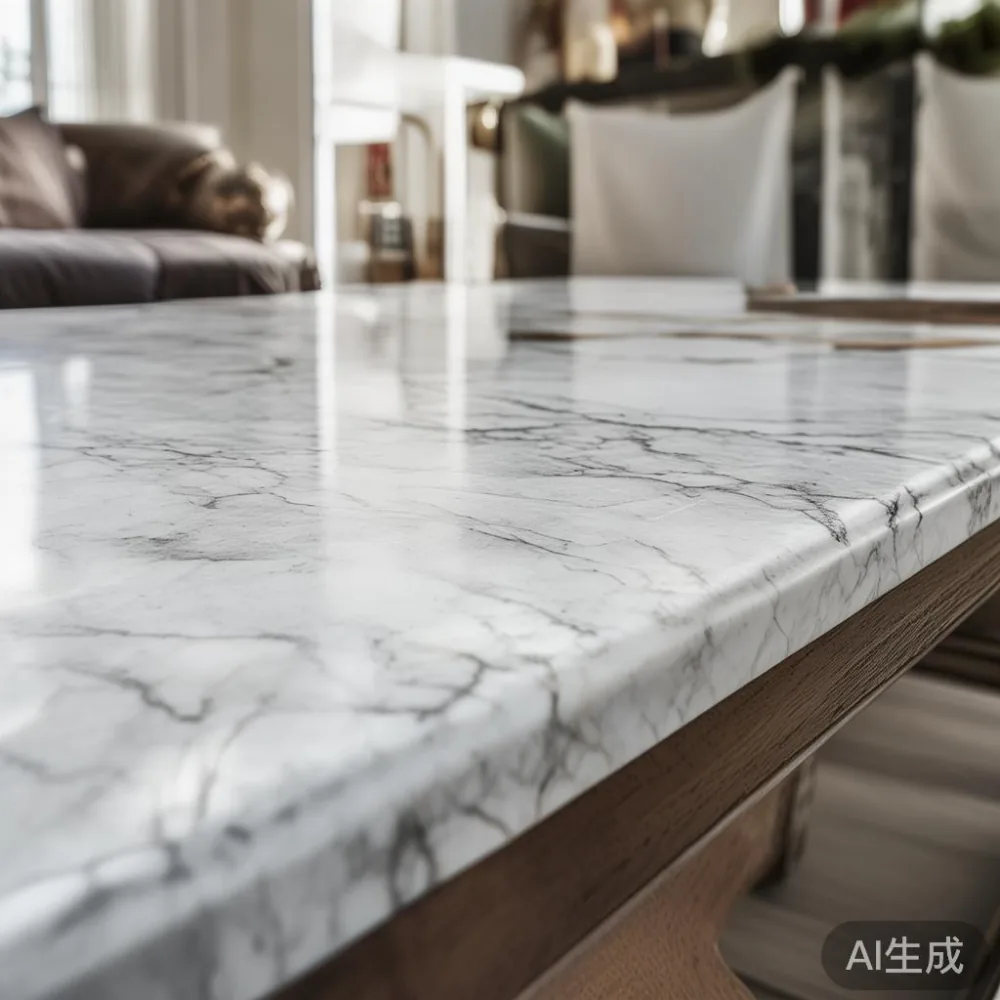
At MIDHILL, we make solid wood furniture for practical interiors, including solid wood sofa frames, bed frames, dining tables, wardrobes, and marble table designs. Our approach is compatible with French light luxury, American light luxury, and post-modern light luxury, but appearance never replaces measurements. A 10-year structural warranty can provide confidence, while a lifetime refinishing policy can protect a well-chosen solid wood frame for years.
Why do sofa showrooms make every sofa look comfortable?
Showroom sofas are arranged to create an impression: cushions are plumped, arms are spaced widely, and the viewing distance hides the depth of the seat. A model that suits a 250 cm living room in Tampines may be awkward in a compact HDB flat, while a deep sofa that feels generous in a condo showroom can leave you sliding forward when you sit.
Before buying, imagine your normal posture. Do you sit upright to read, lounge with your feet on the floor, or recline across the seat? A seat depth of 58–62 cm suits many upright sitters, while 65–72 cm can suit people who prefer a deeper lounge position but may feel uncomfortable for shorter users. Seat height also matters: approximately 40–44 cm is often easier to rise from than a very low 35 cm sofa.
Test the sofa for at least 10 minutes if possible. Sit at different times of the day if showroom hours allow, because foam can feel firmer when cold and softer after warming. Check whether the back supports your shoulders without forcing your neck forward. Place your hands behind your neck, bend your knees, and change position. If you feel pressure under your thighs after 15 minutes, the depth or cushion density may not suit you.
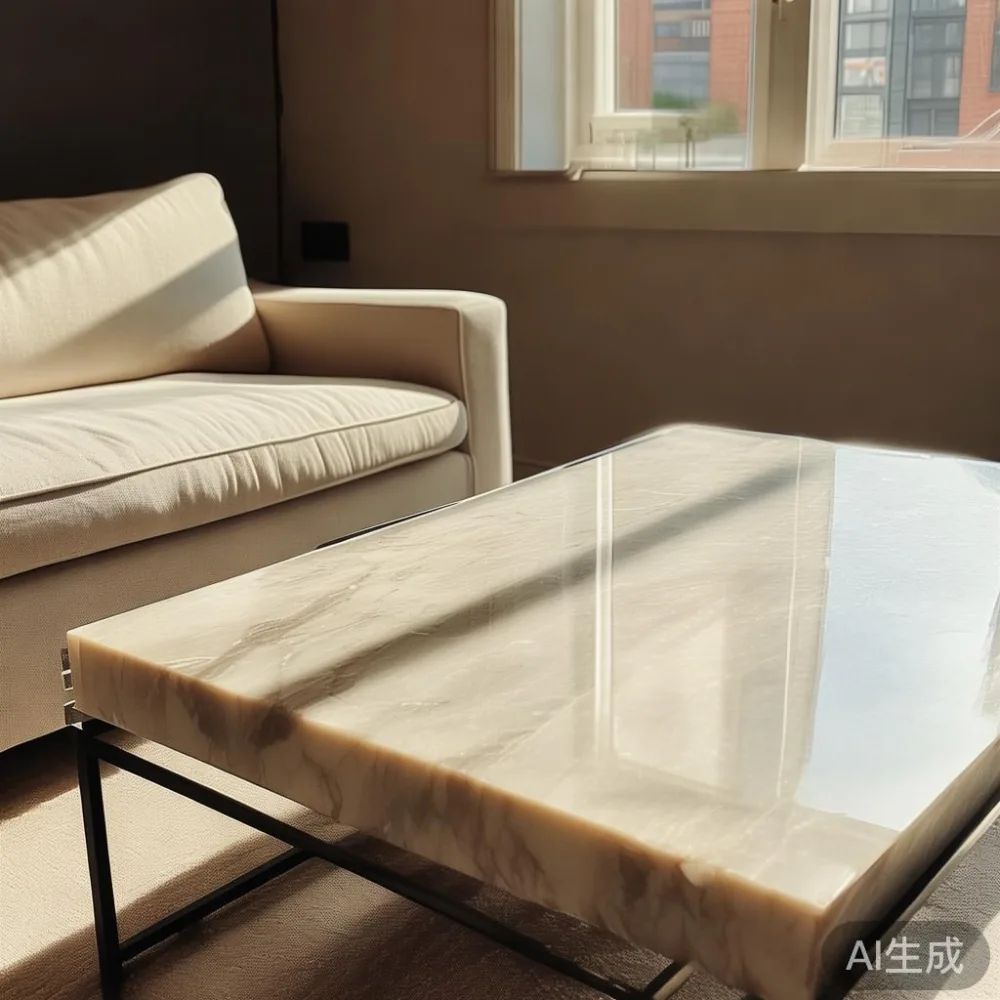
A showroom may also conceal the actual size of the frame. Measure the sofa from its widest point, including arms and protruding feet, rather than relying on the labelled width. Allow at least 90 cm of clear circulation in front of a frequently used sofa. In a narrow living room, a 210 cm model may leave only 60 cm between the sofa and coffee table, making movement uncomfortable even when the dimensions technically fit.
What measurements should you take before ordering a sofa?
Measure the room, the doors, the lift, and the route from the van to the sofa position. In many Singapore HDB flats, the lift opening is around 80–90 cm, though older buildings and renovated lobbies can differ. A sofa with a 205 cm body may fit through a 90 cm opening diagonally, but added packaging, arms, and legs can change the calculation. Ask for the packed dimensions, not just the assembled dimensions.
Corridors can become the deciding factor. A sofa width of 220 cm might travel around a 120 cm corridor corner only if the frame can be tilted without damaging the joints. Protective wrapping should cover corners and legs, and the delivery team should know whether the route includes thresholds higher than 2 cm. If the sofa must enter through a service entrance, measure its clear width at floor level as well as its height.
Leave 5–10 cm of clearance around a solid wood sofa when positioning it near a wall or cabinet. This prevents scraping during cleaning and gives you room to inspect the frame. For a dining table nearby, maintain at least 75–90 cm between the table edge and the sofa if people need to pass behind seated guests. These figures are more useful than a showroom impression.
Record the room length and width in centimetres before shopping. A 320 cm by 280 cm living room may accept a 220 cm sofa but not a 250 cm version with a wide chaise. If you are comparing a marble table with the sofa, remember that a marble table needs its own access and safety checks: the tabletop may weigh 45–80 kg, while a marble table base can be difficult to manoeuvre through a tight corridor.
How do you check sofa comfort without buying it?
Start with the seat feel. High-resilience foam often provides a firmer support, while softer foam may feel comfortable initially but compress unevenly over time. Ask what density is used in the cushions and whether the seat can be flipped or replaced. A density of roughly 35–45 kg/m³ can be suitable for many daily-use sofas, but the whole suspension matters too.
Check the back cushion, arm height, and seat edge. Arms between 58–65 cm may support the elbow without making the sofa feel enclosed. A low arm can help a small room appear open, although it offers less support when lying down. The backrest should feel supportive rather than hard. Press it with your palm and notice whether it returns to shape quickly.
Look for a frame that can withstand repeated movement. A solid wood sofa frame should use properly joined timber, not only decorative panels. Ask whether the joints are dowelled, screwed, mortise-and-tenon, or assembled with lower-strength fittings. If you lift one side of the sofa, it should not twist sharply. A frame weighing at least 30–40 kg for a 3-seat model can indicate substantial timber, although weight alone does not prove quality.
Sit on the edge and rock gently. Check for creaking, wobbling, and shifting cushions. If the showroom staff refuse to let you test the sofa for more than 2 minutes, explain that you need to compare it with your seating habits. Buying without a real sit-down trial is riskier than taking an extra 15 minutes.
For a light-luxury design, French light luxury usually favours relaxed upholstery and elegant proportions, while American light luxury tends to use deeper cushions and a more generous silhouette. Nordic styles generally favour cleaner lines and firmer, space-conscious seating. Comparing a European light luxury sofa vs Nordic sofa should begin with body depth, cushion firmness, arm profile, and your available floor area rather than style labels.
How can you judge solid wood construction from outside the showroom?
Look at the underside, arms, legs, and joints. A solid wood frame may be covered by upholstery, so ask the retailer to show a sample cross-section or an exposed corner. Check the grain direction: timber that appears to be random veneer, particle board, or thin MDF should not be described as solid wood without clarification.
Ask for the wood species. Rubberwood, beech, ash, oak, and similar materials have different densities and appearances. A rubberwood frame may be practical for an upholstered sofa, while oak can suit a visible frame or post-modern design. Moisture control matters in Singapore’s humid climate. The frame should be dry inside, with ventilation behind the upholstery and no exposed area that can collect water.
Tap the wood gently and inspect screw positions, dowels, and corner blocks. A manufacturer that explains its joinery can usually provide clearer information than one relying only on words such as “heavy-duty.” MIDHILL offers a 10-year structural warranty, which is useful evidence of manufacturer confidence, but warranty terms should still be read carefully. Confirm whether the warranty covers frame failure, separation, and approved domestic use, and ask what documentation is required.
Lifetime refinishing can be valuable for a visible solid wood bed frame, dining table, or wardrobe, but it does not automatically cover upholstery, foam, or accidental damage. Ask how refinishing is arranged and whether refinishing affects the current finish. A solid wood sofa may benefit from maintenance rather than frequent cosmetic refinishing.
What should you ask about delivery, returns, and GST?
Delivery is part of the product experience in Singapore. Ask for the estimated delivery window in days, not only the date shown in a sales app. A sofa ordered today might arrive in 7–14 days, but a made-to-order frame can take 30–45 days. Custom upholstery or special timber may add time. MIDHILL provides free shipping over US$350 on qualifying orders, but international shipping thresholds should not be confused with a local Singapore delivery promise.
For a local purchase, request the full price with GST included. Singapore GST is currently 9%, so a pre-GST price of SGD 2,000 becomes SGD 2,180. Compare the final payable amount, delivery charge, lift booking fee, and return handling cost. A quoted sofa price of SGD 1,688 before GST should not appear in your planning as SGD 1,688 unless the seller clearly states the tax treatment.
Confirm whether delivery includes carrying the sofa to the room, unpacking, assembly, and removal of packaging. A “curb delivery” service may leave the sofa outside the building, adding another 20–40 minutes of handling depending on the route. In a high-rise condo, reserve the service lift and check whether the building requires a protective floor cover or an approved moving slot.
A 14-day return window gives you time to assess the sofa after delivery. Photograph the sofa before allowing the delivery team to leave. Check the frame, cushions, feet, and finish in daylight. Remove a little dust and look for stains, scratches, or odours. If damage occurred during transport, report it before the packaging is discarded.
Some sellers treat furniture as non-returnable after use because hygiene rules can apply to sofas. Understand the policy before delivery, especially if you cannot sit on the model in the showroom. Ask whether a floor sample or written comfort specification is available.
What should you compare before choosing a light-luxury sofa?
Create a comparison sheet with at least five figures: width, depth, seat height, arm height, and packed delivery size. Add the cushion type, frame material, warranty, return period, and final GST-inclusive price. This prevents a persuasive fabric or colour from hiding an unsuitable measurement.
French light luxury may suit a 205–230 cm sofa with balanced proportions and softly tailored cushions. American light luxury often favours a 230–250 cm profile, although the depth can become excessive. Post-modern light luxury may use a lower profile, geometric arms, or mixed materials. The right choice depends on your room and posture, not the label.
If you are also researching a light luxury bed vs Nordic bed, compare the same measurable details: frame height, slat spacing, mattress clearance, finish, and access route. A solid wood bed frame should be checked for centre support at intervals no greater than about 10–12 cm if the mattress requires even support. A dining table needs a clear leg zone, while a wardrobe requires a front opening angle of at least 90 cm. These examples show why adjacent furniture should not be judged from a photograph either.
Some shopping guides use broad phrases such as under 2000 European furniture, but a price range cannot tell you whether a sofa fits your lift. Likewise, a query about best Industrial bed for 2026 needs to be answered with dimensions, load expectations, slat construction, and warranty terms. These comparisons are useful only when the specifications are concrete.
For a coordinated interior, searching how to style French provincial wardrobe in room can help you plan visual relationships, but check wardrobe depth before buying. A typical wardrobe may project 58–65 cm, while a bedroom door may open only 70–80 cm. If you are deciding how to style European bed in room, compare the bed’s footprint and the path to both side tables. A marble table should have a stable base, rounded corners where children are present, and enough clearance from the sofa to prevent knee contact.
What did I learn from a real sofa delivery test?
Last month I visited a client in Bedok who had ordered a sofa after choosing it from a showroom photograph. The showroom model measured 218 cm wide and 86 cm deep. The client’s lift opening was 88 cm, but the packaged sofa measured 224 cm because the protective carton and detachable legs added width.
The sofa could not enter the lift upright. We rotated it onto its side, protected the arms with 2 cm foam pads, and moved it through a 120 cm corridor using two people. The process took 18 minutes and avoided a damaged hallway corner. The lesson was simple: the product fit was acceptable, but the delivery route required preparation.
I also sat on the delivered sofa for 20 minutes. The seat depth was 64 cm, which suited the client’s 174 cm height, while the showroom seat had felt too soft after only 5 minutes. The finished frame was stable, and the warranty information was easy to understand. This experience reinforced why I check the packed size and sit on the actual model whenever possible.
How can you place the order with confidence?
Use a 10-point check before payment. Confirm the frame material, cushion density, dimensions, seat depth, seat height, arm clearance, packed size, delivery days, warranty, return policy, and GST-inclusive price. If a salesperson cannot answer a question, ask for it in writing. Keep the quotation, floor plan, and delivery photographs together.
Measure the sofa’s intended position and walk from the door to that position. Test the movement with the largest removable part, not just the assembled body. Ask the seller to arrange a delivery slot that matches the lift booking. Confirm whether the team will assemble the legs and remove the packaging.
Choose comfort for your body and room before selecting a style name. A solid wood sofa can offer dependable construction, but only the right seat proportions will make it pleasant to use. A marble table can complete a light-luxury living area, but its weight and safe placement belong in the same planning exercise. Take your measurements, take your time, and make the showroom or home trial do the work it should.