Caring for Lacquered Marble Tables in Singapore’s Climate
A lacquered marble table can look quietly luxurious in a Tampines HDB flat, a Bedok condo, or a Punggol home, yet Singapore’s heat, humidity, salt, and frequent indoor air-conditioning create a demanding care environment. Lacquer is not a permanent shield against water, heat, stains, and scratches. It can dull, cloud, or develop fine marks after daily meals, mugs of kopi, cooking splashes, and the movement of furniture through narrow lift lobbies and corridors.
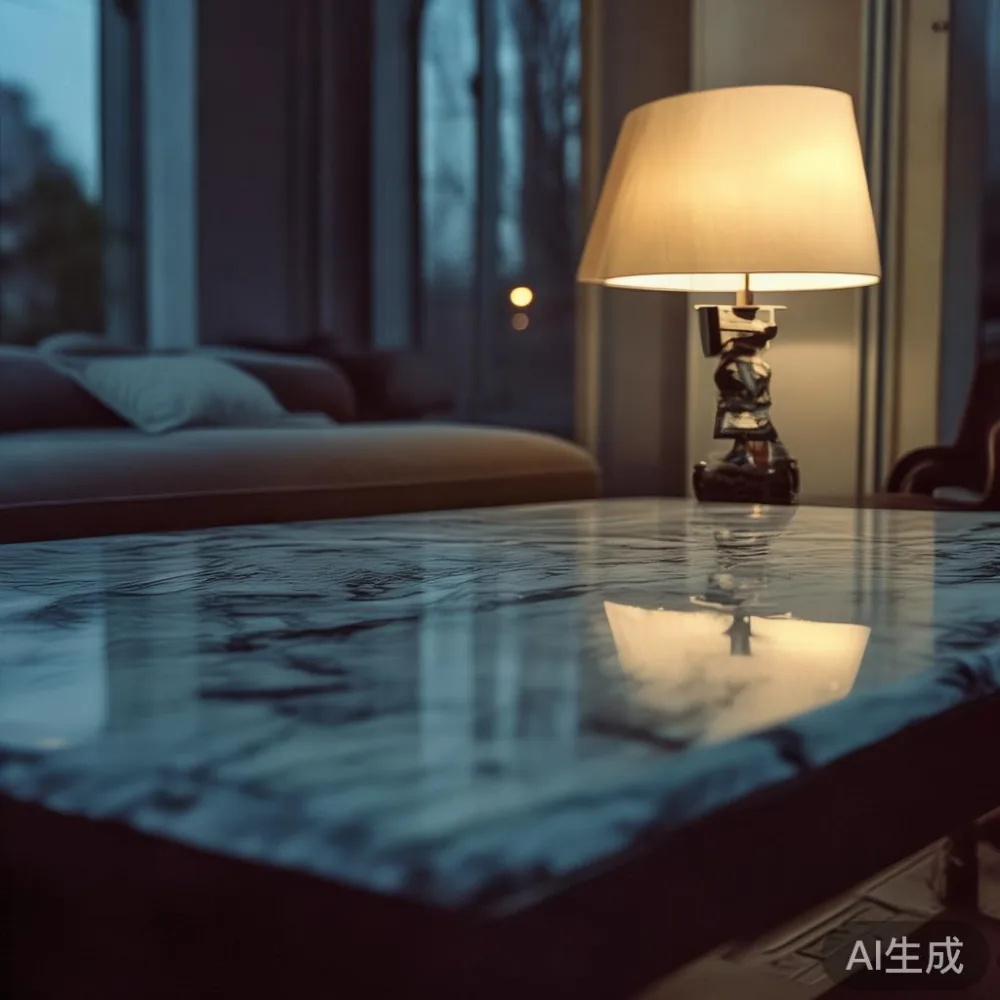
This guide explains how to inspect a lacquered surface, clean it safely, control moisture exposure, and arrange repairs. It also considers the practical constraints of local homes: HDB corridors may measure only about 90–120 cm wide, many passenger lifts have internal depths around 110–140 cm, and a marble table may weigh 70–180 kg before packing. The aim is simple: preserve the finish for years without treating a natural stone surface as if it were a disposable item.
What does lacquer do to a marble table?
<Lacquer on furniture is a cured resin or polyurethane finish applied in thin layers. It gives a marble table a smoother, more tactile surface and can make some pores less receptive to liquids. However, lacquer does not make the table waterproof. It slows moisture penetration and staining, but joints, edges, drilled areas, and worn patches remain vulnerable.
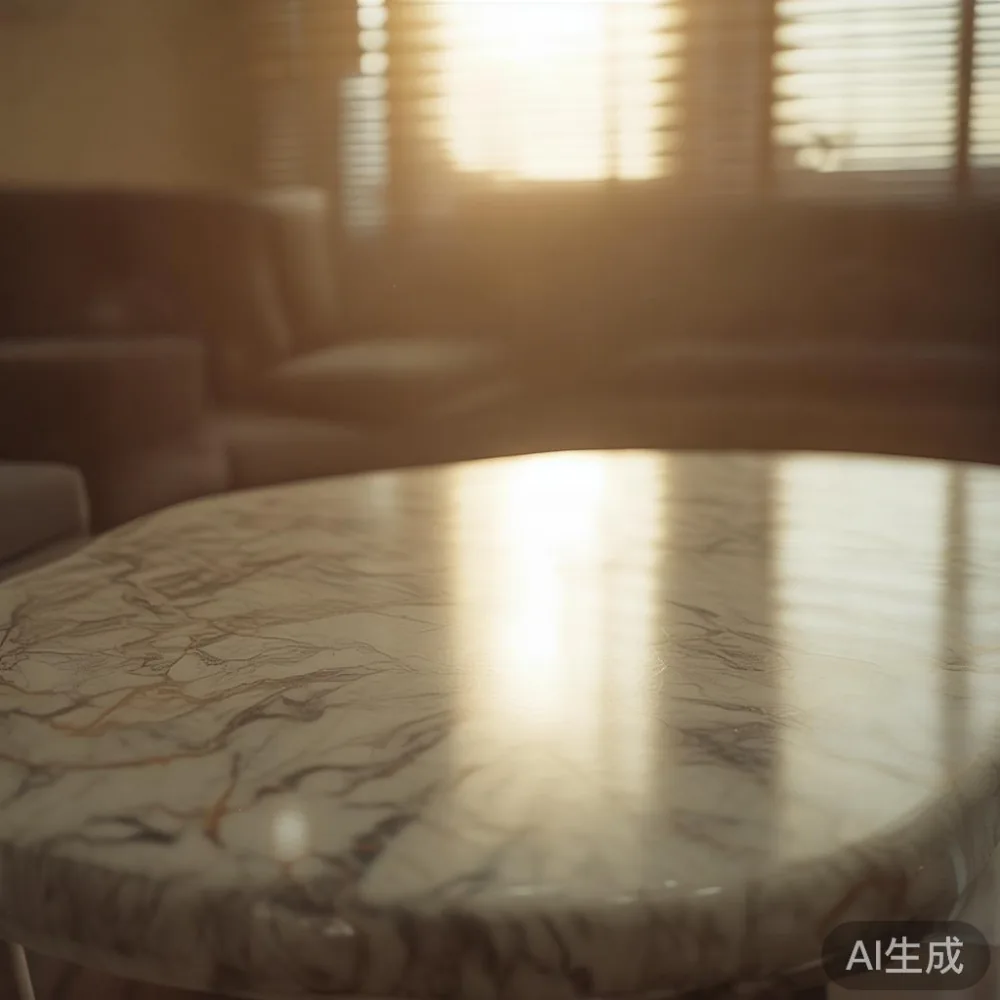
“Marble” is also a broad commercial description. Calacatta-style marble may have a white ground with grey or gold veining, while darker varieties may contain brown, green, or black lines. The vein pattern can guide cleaning because pale surfaces reveal yellow tea stains quickly, whereas darker marks may blend into the stone. Inspect the slab under daylight and with a warm lamp, paying attention to pinholes, microcracks, dull patches, and variations in sheen.
Light-luxury furniture should also be judged by proportion rather than decoration alone. A French light luxury dining table often has a calm profile and restrained veining. A post-modern light luxury composition may introduce stronger geometry or contrast. In either case, the finish should remain compatible with the marble rather than imitate a high-gloss plastic surface.
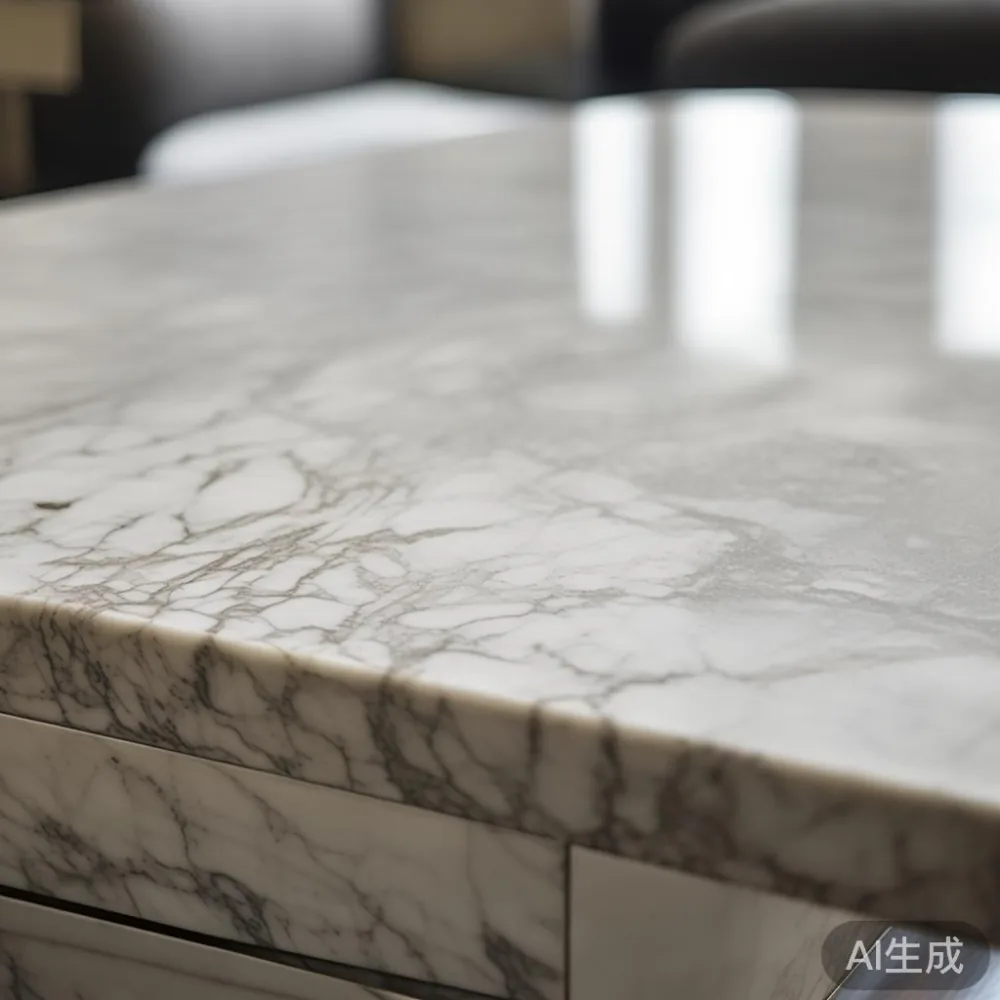
A lacquered dining table, marble table, or solid wood sofa may have different cleaning tolerances, so manufacturer instructions take priority. If the supplier supplied a coating identifier such as PU, UV, or water-based lacquer, use that guidance when selecting a cleaner.
How should I clean a lacquered marble table every day?
Use a soft, lint-free microfibre cloth and plain lukewarm water for routine wiping. A 30 × 30 cm cloth gives enough contact area for a 90 cm side table and remains manageable around edges. Moisten the cloth rather than the stone: the fabric should feel damp, never dripping. Wipe in small circles, then dry with a separate clean cloth.
For a weekly clean, dilute one teaspoon of pH-neutral stone cleaner in roughly 250 ml of water. Apply it to the cloth, not directly to the marble table. Test the mixture on a 5 cm area hidden below the table for 10 minutes. If the finish changes colour or loses gloss, stop using it and seek specialist advice.
Keep these materials away from lacquer:
- Citrus, vinegar, vinegar-based glass cleaner, and acidic bathroom sprays.
- Bleach, ammonia, alcohol, acetone, and abrasive scouring powder.
- Silicone polish, furniture wax, and “marble polish” unless the coating manufacturer explicitly approves them.
- Metal scouring pads, nylon brushes with stiff bristles, and dishwashers.
Spills should be addressed within 5 minutes. Blot rather than scrub, especially with coffee, red wine, curry sauce, or turmeric. Use cool—not boiling—water around the mark. Avoid placing hot pots directly on the surface. A trivets measuring 25–30 cm and rated for at least 80°C are sensible for a 120 cm dining table.
Do not drag items across the top. Coasters and placemats reduce ring formation, but felt-bottom versions can collect grit. Clean the underside of each coaster monthly and replace compressed felt every 12 months. Use a separate trivet for cookware and a coaster for cups; one mat should not do both jobs.
Can humidity cause lacquer to peel in Singapore?
Persistent humidity can weaken coatings and adhesive joints, especially if water repeatedly sits along an edge. Singapore’s outdoor relative humidity frequently reaches 70–90%, while air-conditioned interiors may sit near 50–65%. Sudden transitions between a corridor at 29°C and a bedroom at 23°C can cause condensation on a cold surface.
Keep the table away from direct air-conditioner discharge and unglazed exterior walls. A sensible indoor range is about 20–27°C with 40–65% relative humidity. In a typical HDB flat, avoid placing the table directly beside a bathroom or kitchen doorway. In a Punggol or Tampines condo, check whether reflective glass and west-facing windows increase afternoon heat; the surface temperature can exceed room temperature by 10–15°C.
Leave 15–20 cm between the table edge and curtains, radiators, or exterior walls where possible. If the table is against a wall, inspect the rear edge every 3 months for softness, lifting, or a chalky residue. Do not try to press peeling lacquer flat with your finger or tape. Photograph the affected area, measure the damaged zone in centimetres, and ask a coatings specialist to assess the whole panel.
Wood movement matters as well. A solid wood sofa or bed frame may expand across grain with seasonal changes, while a marble table has very little tolerance for twisting. Do not tighten a moving dining table by wedging it against a wall. Leave 3–5 cm of ventilation space and use shims if a small item rocks.
How can I prevent scratches, heat marks, and cloudy patches?
Prevention is less risky than restoration. Give a marble table a stable route from delivery to its final position. Measure the narrowest corridor and lift door before booking. Compare these figures with the packed table’s longest dimension, not merely its tabletop width. A table that is 160 cm long may have a 152 cm top and removable legs, but the shipping carton can still exceed 180 cm after corner protection is added.
Protect corners with 5–8 cm foam guards, wrap the stone in a 2–3 cm layer, and secure the legs separately. Never lift a 70–180 kg stone table by its thin apron or by a polished edge. Use at least four trained people for a large table, or a rated lifting trolley rated above the packed weight. Keep a 100 cm turning area near the lift and avoid twisting the top while turning through a 110 cm door.
For scratches, isolate the cause before treating the mark. A knife score may cut through lacquer and stone, whereas a dull line may be residue from a dirty cloth. Lift away loose grit with a dry microfibre cloth; never sand a lacquered tabletop on your own. Coarse abrasive paper can cross veins and create a repair more visible than the original mark.
Cloudy patches can come from mineral residue, etching, or degraded coating. Wipe once with plain water and dry. If the patch remains, use the approved pH-neutral cleaner in the test area described earlier. If it has not changed after 24 hours, repeated cleaning will not restore it. A furniture refinisher can test the coating’s solvent compatibility and advise whether spot repair or full refinishing is more appropriate.
When should I arrange professional refinishing?
Consider professional attention when the lacquer no longer looks uniform under angled light, when a spill mark persists for more than 7 days, or when scratches extend through the coating. A practical annual inspection can be done in December, before the year’s busiest entertaining period. Check the tabletop for 5–10 minutes under a 400–600 lumen lamp, then examine the underside and edges with a 10× loupe.
Record a few baseline photographs in daylight. Include one image and 2 close-ups of the most used area. This creates a useful record for warranty discussions and helps identify gradual changes. A 10-year structural warranty addresses structural defects, but surface wear, impact damage, and improper cleaning are separate questions. Ask the supplier what the lacquer warranty terms cover and what evidence they require.
Professional refinishing may involve cleaning, abrasion, sealing, and recoating, but it can alter the gloss and colour. It may also be impossible to match a natural marble vein exactly after a stone repair. Refinishing should therefore be planned as a complete panel treatment rather than a quick cosmetic patch whenever the affected area is larger than 10 cm.
If a separate coffee table is used in the living room, include it in the same inspection schedule. Searches for a MIDHILL coffee table often lead to several styles, but finish care still depends on the exact coating and stone. Likewise, if the marble table sits near a solid wood sofa, keep cushioning, cleaning sprays, and drink condensation away from the stone edge.
How do I style European light luxury wardrobe in room beside a marble table?
A dining or living area can borrow the disciplined proportions of a European light luxury wardrobe without turning the room into a showroom catalogue. Use the wardrobe’s visual language—vertical lines, warm metal, pale timber, and quiet handles—as a reference for the surrounding pieces. Keep the marble table at least 60–90 cm from a frequently opened wardrobe door to prevent impact.
For a 120 cm table, place two chairs on each long side and leave 75–90 cm from chair backs to the nearest wall. In a compact HDB dining zone, this measurement matters more than squeezing in another chair. A 200–240 cm rug can visually connect the table to the rest of the room, provided at least 20 cm remains between the rug edge and the wall behind the chairs.
Lighting should reveal, not exaggerate, surface defects. A pendant centred 70–80 cm above the tabletop may create glare on lacquer, while an offset wall light at 300–400 lux can show texture more clearly. Use a warm 2700–3000K bulb and check the finish from several angles before accepting a delivery condition. The restrained balance often associated with American light luxury works well here: comfortable seating, clean lines, and durable materials rather than excessive ornament.
Wardrobe choice also requires local context. Searches for the best American wardrobe for 2026 or the best light luxury wardrobe for 2026 may point to larger European-style cabinets, but the unit must still fit the bedroom door and lift. An Italian light luxury wardrobe with projecting trim can need 5–10 cm extra clearance; measure the open door’s arc, not only the cabinet face. Searches for Italian light luxury dining table and Italian light luxury wardrobe should likewise be followed by physical measurements, not visual assumptions.
Curated lists such as the top 10 Post-modern furniture can help with shape and colour, but they cannot predict a lacquer’s behaviour in 80% humidity. For the dining table, keep the palette to 2–3 dominant colours and let one vertical element carry the room. This avoids making the marble pattern compete with doors, panelling, and upholstery.
What should I check before delivery and after installation?
Before delivery, ask for the packed dimensions, gross weight, finish specification, and expected delivery window. Singapore deliveries are usually planned over 1–3 working days after stock confirmation, but coastal weather and lift bookings can add 1–2 days. GST should appear clearly on the invoice, and the final amount should be stated in SGD.
On arrival, inspect the table before the installers remove the protective packaging. Look for chips, cracks, stains, or finish changes around all 4 sides. A 5 cm cardboard ruler placed against the edge helps document a suspected length. Check the legs, apron, fasteners, and protective pads. Photograph each face under daylight and with the room lights switched on.
Installers should lift the top rather than drag it, and any leg assembly should be checked for level within 3 mm per metre. A 120 × 60 cm dining table may flex slightly under a distributed load, but a 100 kg point load at the edge is not a normal test. Do not use the table as a step, storage shelf, or workbench.
Local retailer terms can add practical protection. A 14-day return window allows a buyer to assess colour and scale after the table reaches the home. Free shipping over US$350 can simplify larger orders, though the threshold appears in another currency and should be confirmed before payment. A lifetime refinishing service can be valuable for genuine surface wear, but the terms should distinguish refinishing from free repair of accidental damage.
How do I maintain the finish throughout the year?
A simple schedule reduces surprises:
- Daily: Clear cups and plates within 15 minutes, blot spills, and use coasters under drinks.
- Weekly: Wipe the full top with a damp microfibre cloth, then dry it. Clean chair-contact zones gently.
- Monthly: Check under coasters and trivet edges for grit or stickiness. Dust the legs and underside.
- Every 3 months: Inspect the perimeter, joints, and wall-facing edge for lifting, swelling, or trapped moisture.
- Every 12 months: Review the finish in daylight, photograph changes, and arrange professional advice if gloss has become uneven.
Maintain the room rather than over-cleaning the table. Keep blinds or curtains closed during intense afternoon sun, and use the air conditioner to moderate humidity. Do not place a damp cloth over the surface overnight; trapped moisture can create a dull outline. Always use clean cloths because embedded grit causes micro-scratches.
For delivery planning in Bedok, Tampines, and Punggol, share lift dimensions, corridor turns, and parking restrictions at least 3 days before the booked date. If the route is too tight, a professional mover may remove the table top and reattach the base on site. That procedure should be covered in the service terms, particularly when the packed weight exceeds 100 kg.
A well-maintained lacquered marble table can hold its clarity and depth for many years. The combination of pH-neutral cleaning, controlled humidity, heat protection, careful movement, and periodic inspection preserves the stone’s natural variation while supporting the light-luxury character of the room. Treat the finish as a living surface: notice small changes early, keep liquids away from edges, and involve a qualified refinisher before a minor blemish becomes widespread damage.