Marble Table: How to Read a Furniture Warranty Without Getting Caught Out
Buying a new piece of furniture, especially a marble table, is a significant investment for any home. In Singapore, where space is a premium and quality is paramount, understanding the fine print of a warranty can save you from unexpected costs and headaches. A warranty is a promise, but it's a written document with specific terms and conditions. Misinterpreting these can leave you with a damaged piece and no recourse. This guide will walk you through the key clauses to watch for, using local context like Singaporean apartment living to illustrate common pitfalls.

What Exactly is Covered by a Furniture Warranty?
A furniture warranty is a manufacturer's or seller's promise to repair or replace a defective product within a specified period. However, the scope of this promise varies dramatically. For a marble table from a reputable brand like MIDHILL, the warranty might cover structural integrity for 10 years, but it will not cover damage from placing a hot pot directly on the marble surface. The first step is to identify what is explicitly included. Look for terms like 'structural defects,' 'material failure,' and 'workmanship.' These are the core areas a warranty should cover. A structural defect for a dining table might mean a leg detaching from the tabletop under normal load, which should be covered. However, a scratch on the marble from everyday use is considered normal wear and tear and is not covered. Understanding this distinction is the foundation of reading any warranty.
What Does 'Normal Use' Actually Mean in a Singaporean Context?
This is one of the most ambiguous and frequently disputed clauses in any furniture warranty. 'Normal use' is subjective, and warranties often lack a precise definition. For a marble table, 'normal use' generally means dining, placing decorative items, and regular cleaning. It does not mean using it as a workbench, chopping vegetables directly on the surface, or moving it with heavy appliances on top. In Singapore, many HDB flats and condos have narrow lift corridors, especially in older estates like Tampines and Bedok. When a marble table arrives, the delivery team might need to work through a 90cm wide corridor to get it into your living room. A warranty will not cover damage that occurs if you, the owner, attempt to move the table yourself through a tight space and it gets scratched. The warranty covers the product's performance under intended conditions, not accidents resulting from misuse. Always ask for clarification on what constitutes 'normal use' before finalising your purchase.

Are Delivery and Installation Included, or Are They Hidden Costs?
The price you see online or in a showroom is rarely the final price. Delivery and installation fees can add a significant amount, sometimes up to SGD 150 or more for a large item like a marble table. A good warranty or sales policy should clearly state what is included. For example, a company might offer free shipping for orders over SGD 350, which is a common practice. But what about installation? Is the assembly of your dining table included, or is that an extra charge? Last month, I visited a colleague's new condo in Punggol. He had bought a solid wood dining table online. The table arrived, but the delivery team only brought it to his door. He was then faced with the task of assembling the 80kg tabletop and base himself, which was a two-person job. His warranty was void on assembly-related damage because he didn't use the professional installation service. Always check if 'white glove delivery' or professional assembly is part of the package or an optional extra. This can save you time, effort, and potential damage to your new furniture.
What Happens if You Need to Return the Item?
A clear return policy is just as important as a warranty. Life is unpredictable, and you might need to return a piece of furniture that doesn't fit your space or style. A 14-day return window is a standard and fair policy. However, the devil is in the details. Can you return a marble table simply because you don't like the colour? Probably not. Most returns are only accepted for items that are defective upon arrival or were incorrectly delivered. You will also likely be responsible for the return shipping costs, which for a heavy item like a marble table could be substantial. Before agreeing to a purchase, confirm the exact return process. Is the item picked up from your home, or do you have to arrange for a courier? Who pays for the return shipping? Understanding these steps prevents nasty surprises if you need to initiate a return. For example, returning a wardrobe because you found a better option might not be possible, whereas returning a nightstand with a cracked leg should be straightforward.
Is a Lifetime Refinishing Warranty Really for a Lifetime?
The phrase 'lifetime refinishing' sounds incredibly reassuring, but it often comes with significant caveats. This type of warranty is common for solid wood furniture like bed frames and wardrobes. It promises that the manufacturer will refinish the wood if the original finish fails. However, 'lifetime' usually refers to the lifetime of the original purchaser, not an infinite period. More importantly, it almost always requires you to use specific, approved cleaning and maintenance products. If you use a generic furniture polish or a harsh chemical that damages the wood finish, you may void the lifetime refinishing warranty. For a marble table, the equivalent might be a warranty against etching from acidic substances, but this is rare. The warranty would specify that you must clean spills immediately with a pH-neutral cleaner. A colleague of mine learned this the hard way; he used a vinegar solution to clean his solid wood coffee table, and the manufacturer refused to honour the refinishing warranty because he used an unapproved product. Always read the maintenance requirements to keep your warranty valid.
How Do Singapore's GST and Other Taxes Affect Your Warranty?
In Singapore, the Goods and Services Tax (GST) is applied to most goods and services, including furniture. The price you pay includes 9% GST. This is important because when a warranty claim is processed, any replacement parts or labour are also subject to GST. A warranty should clarify whether these costs are covered by the manufacturer or if you, the customer, are expected to pay the GST on the repair or replacement. For instance, if a leg on your marble table needs to be replaced under warranty, the cost of the new leg might be covered, but the 9% GST on that part might not be. This is a small but important detail to be aware of. Reputable companies will often absorb these taxes as part of their service, but it's wise to confirm. This is especially relevant for high-value items. For example, the difference between a European light luxury bed vs French provincial bed can be thousands of SGD, and the GST on a repair component could add up.
What's the Difference Between a Structural Warranty and a Material Warranty?
Not all warranties are created equal. A structural warranty covers the frame and foundational components of your furniture. For a dining table, this means the tabletop, legs, and any internal supports. A material warranty covers the surface materials, like the wood veneer, marble, or fabric. A 10-year structural warranty is a strong indicator of quality. It means the manufacturer stands by the integrity of the piece's construction. However, a material warranty might be much shorter. For example, the finish on a solid wood sofa might have a 2-year warranty against fading, while the frame has a 10-year warranty. When choosing a marble table, the structural warranty on the base (e.g., a cast iron or steel frame) is important. The marble top itself is a natural material and is more susceptible to chips and stains, which are typically not covered under a standard warranty. Understanding this separation helps you set realistic expectations about what the warranty will protect.
Is a Japanese Wardrobe Worth It if the Warranty is Vague?
When shopping for specific items like a wardrobe, the warranty can be a deciding factor. A Japanese wardrobe, known for its minimalist design and often high-quality sliding mechanisms, might seem like a perfect fit for a Singaporean condo bedroom. But is Japanese wardrobe worth it if the warranty on the sliding mechanism is only one year? A high-quality wardrobe should have a warranty that reflects its durability. A 5-year warranty on the sliding tracks and drawer mechanisms would be a sign of confidence from the manufacturer. Similarly, when considering a new bed, you might compare a light luxury for apartment style to a Nordic for dining room style. The warranty on a light luxury bed vs Nordic bed might differ in scope. A light luxury bed might have a more comprehensive warranty on its upholstery, while a Nordic bed might focus on the structural frame of the bed itself. Always compare warranties on a like-for-like basis when making a decision.
Why is a 10-Year Structural Warranty a Sign of Quality?
A 10-year structural warranty is a substantial commitment from a furniture maker. It suggests that the company uses high-quality materials and construction techniques that are built to last. For a piece like a marble table, a 10-year warranty on the base means the manufacturer believes the frame will not warp, crack, or fail under normal use for a decade. This is a key differentiator from cheaper brands that might offer only a 1 or 2-year warranty. When you see a long warranty like this, it's a good sign that the company stands behind its products. A colleague of mine recently purchased a MIDHILL dining table and was impressed by the 10-year structural warranty. He said it gave him peace of mind, knowing that the investment he made was protected for many years to come. This kind of long-term assurance is especially important for large, expensive items that are meant to be a permanent part of your home.
Does the Warranty Cover Damage During Moving House?
This is a critical question for anyone living in Singapore, where moving between apartments is common. A standard furniture warranty covers defects in materials and workmanship, not damage caused by transportation or moving. If you hire movers to transport your marble table from your Bedok flat to a new condo in Punggol, any chips or scratches that occur during the move are your responsibility. The warranty will not cover this. Some companies offer 'moving protection' as an add-on service, which is in effect insurance for the item during transit. If you plan to move your furniture, it's worth asking if this is an option. Alternatively, you can disassemble the furniture yourself and reassemble it at the new location, but you must follow the manufacturer's instructions to avoid voiding the warranty. For a complex item like a wardrobe, improper disassembly can lead to structural damage that isn't covered.
What Should You Do Before the Warranty Expires?
Don't wait until your furniture is broken to think about the warranty. As the end of the warranty period approaches, it's a good idea to have a professional inspection, especially for large items like a dining table or bed frame. Look for any signs of structural weakness, such as wobbling legs, cracks in the wood, or loose joints. Document any issues with photos and contact the manufacturer or seller well before the warranty expires. This gives you time to process a claim without the pressure of a deadline. For a marble table, check for any hairline cracks or chips that might be developing. Addressing these small issues under warranty can prevent them from becoming larger, more expensive problems later. Remember, a warranty is a contract, and like any contract, it has an expiration date. Proactive maintenance and timely claims are the best ways to get the full benefit of your warranty.
Is French Wardrobe Worth It if the Warranty Doesn't Cover Customisation?
A French wardrobe might offer a classic, elegant aesthetic that appeals to many homeowners. But is French wardrobe worth it if the warranty specifically excludes damage from custom modifications? Many warranties state that any alterations made to the original product void the warranty. This could include adding new handles, changing the internal shelving, or painting the exterior. If you purchase a wardrobe and decide to customise it, you do so at your own risk. The warranty will no longer cover any issues that arise from the original structure or materials. This is an important consideration if you like to personalise your furniture. The same principle applies to other pieces. For example, if you buy a European light luxury bed vs French provincial bed, the warranty on the former might be more flexible regarding fabric choices, while the latter might have stricter terms. Always read the fine print regarding modifications before making a purchase.
Does the Warranty Cover Issues Caused by Singapore's Humidity?
Singapore's tropical climate, with high humidity levels, can be tough for furniture, especially solid wood. Wood can expand and contract with changes in humidity, which might lead to warping or cracking. A good warranty should address environmental factors. It might specify that the furniture is designed for normal humidity conditions and exclude damage from extreme or prolonged exposure to moisture. For example, if you place a solid wood sofa too close to an air-conditioning vent or in a bathroom, the resulting damage might not be covered. When buying a marble table, ensure it is properly sealed to protect against Singapore's humidity. A reputable manufacturer will use materials and finishes that are suitable for the local climate. If you have concerns, ask the seller if their furniture is specifically designed for tropical conditions. This can save you from dealing with issues like wood rot or mould growth down the line.
What's the Real Cost of Not Having a Good Warranty?
The initial price of a marble table is only part of the story. The true cost includes potential repair or replacement expenses if something goes wrong. A cheap table with no warranty might seem like a bargain until a leg breaks after a year, and you have to pay SGD 500 for a replacement. A more expensive table with a 10-year warranty might cost more upfront, but it protects you from these unforeseen costs. When you consider the long-term value, a good warranty is an investment in peace of mind. For instance, a MIDHILL dining table might be priced higher than a generic one, but the 10-year structural warranty and lifetime refinishing service mean you won't have to worry about major repairs for a decade. This can save you thousands of SGD over the life of the furniture. Always weigh the initial cost against the protection offered by the warranty.
How Does Warranty Service Work in Practice?
Understanding the claims process is just as important as the warranty terms themselves. When you need to make a claim, how do you do it? Is there a dedicated customer service line? Do you need to provide photos or a video of the damage? A clear and straightforward claims process is a sign of a good company. For example, if you notice a crack in the marble top of your table, you should be able to contact the company, submit a few photos, and have a technician assess the issue without too much hassle. Some companies might require an on-site inspection, which could involve a service fee. Ask about the typical timeline for a claim. Will it take a week or a month to get a replacement part? In a fast-paced city like Singapore, you want a company that can resolve issues efficiently. A long and complicated claims process can turn a simple repair into a major inconvenience.
Are There Any Hidden Fees in the Warranty?
Beyond the obvious costs like delivery and installation, there can be hidden fees associated with warranty claims. For example, some warranties require you to pay for the labour cost of the repair, even if the parts are covered. Others might charge a service call fee for a technician to come to your home. Always ask for a complete breakdown of what the warranty covers. Does it include the cost of labour? Are there any diagnostic fees? For a heavy item like a marble table, the cost of labour for repair or replacement can be significant. A warranty that covers both parts and labour is the most comprehensive and valuable. Be wary of warranties that seem too good to be true. A lifetime warranty that has a long list of exclusions and fees might not be as beneficial as a shorter, more straightforward warranty with fewer conditions.
What's the Difference Between a Company Warranty and an Extended Warranty?
Some retailers offer an extended warranty for an additional fee. This extends the coverage period beyond the manufacturer's standard warranty. Before purchasing an extended warranty, consider whether it's necessary. A high-quality product from a reputable brand like MIDHILL might already have a comprehensive warranty that covers the product for its expected lifespan. An extended warranty might be more useful for cheaper items that are more prone to failure. Also, check if the extended warranty is provided by the manufacturer or a third party. Manufacturer-backed warranties are generally more reliable. For example, if you buy a solid wood sofa, the manufacturer's 5-year warranty on the frame might be sufficient. Paying extra for an extended warranty to 10 years might not be cost-effective if the sofa is unlikely to have issues after 5 years.
Does the Warranty Cover Accidental Damage?
Most standard furniture warranties do not cover accidental damage. This is a common point of confusion for consumers. Accidental damage includes things like a child drawing on the marble table with a permanent marker, a pet scratching the wood, or dropping something heavy on the surface. These are considered instances of misuse, not defects in materials or workmanship. If you want coverage for accidental damage, you would need to purchase a separate insurance policy or a specific 'protection plan' from the seller. Some companies offer these as add-ons. For example, you might be able to add a protection plan to your marble table purchase for an extra SGD 100 per year. This would cover things like stains, chips, and scratches. If you have children or pets, this type of additional coverage might be worth considering.
How Do You Verify a Company's Warranty Claims?
If a company makes bold warranty claims, it's a good idea to verify them. Check online reviews from other customers, especially those who have made warranty claims. Look for feedback on how easy or difficult the claims process was. You can also check the company's website for detailed warranty information. A reputable company will have a clear, easy-to-find warranty section that outlines all the terms and conditions. If the warranty information is vague or hard to find, it might be a red flag. For example, a company that claims to offer a 'lifetime warranty' but provides no details on what is covered or how to make a claim should be approached with caution. Transparency is key. A company that stands behind its products will be open and honest about its warranty terms.
What's the Best Way to Store Your Warranty Information?
Once you've purchased your furniture, keep all the warranty information in a safe place. This includes the original receipt, the warranty certificate, and any instruction manuals. It's a good idea to take photos of the warranty document and save them on your phone or computer. You should also note the start and end dates of the warranty coverage. If you need to make a claim in the future, having all this information readily available will make the process much smoother. For example, if you have a problem with your marble table five years after purchase, you'll need to refer to the original warranty terms to see if the issue is still covered. Keeping organised records of your purchases and warranties is a simple but effective way to protect your investment.
Why Is It Important to Register Your Furniture Purchase?
Many manufacturers require you to register your product online to activate the warranty. This is an important step that many people overlook. By registering, you provide the company with your contact information and proof of purchase. This makes it easier for them to process a claim if you ever need to. It also ensures that you receive important updates or notifications about your product. For example, if there is a recall or a known issue with a certain model of dining table, the company can contact you directly. Registering your purchase is usually a quick and simple process that can be done on the company's website. It's a small step that can save you a lot of trouble in the long run. Don't skip this part when you buy new furniture.
Are There Any Specific Warranties for Marble Tables?
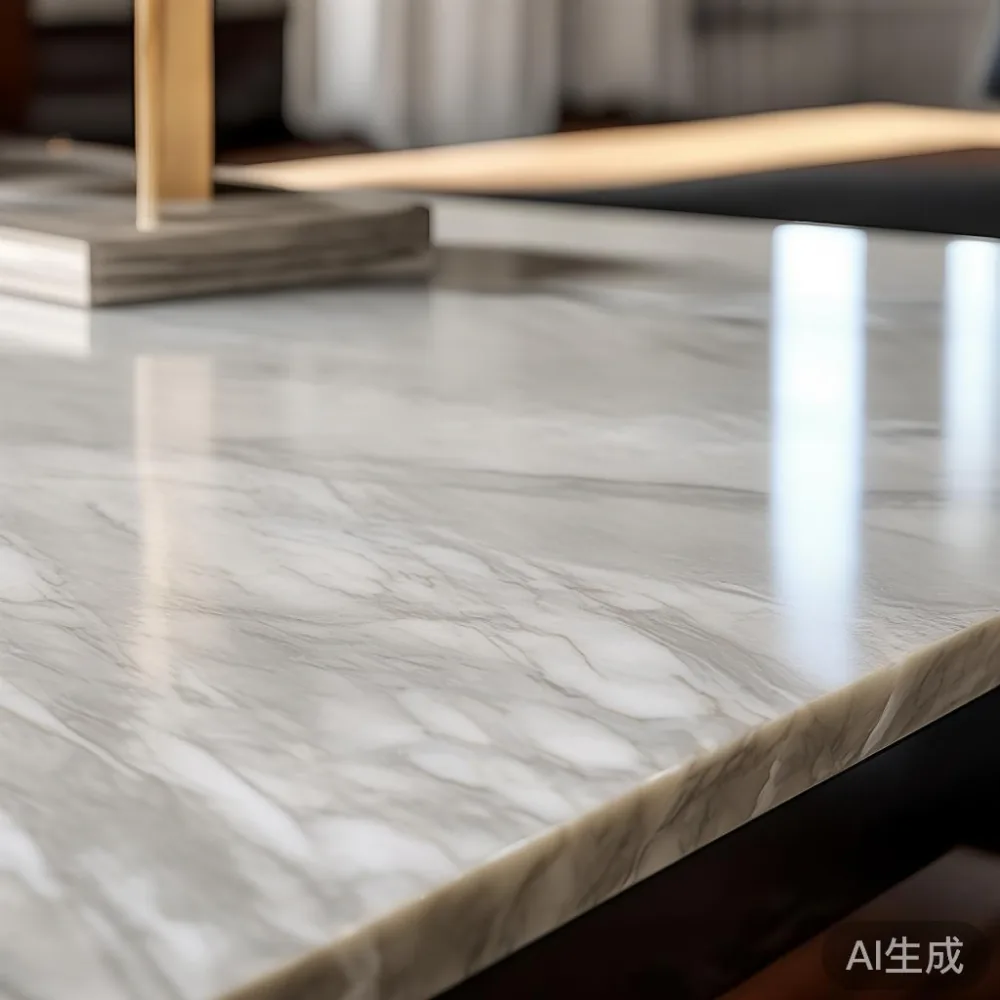
Marble is a natural material, and its warranty terms can be different from those for solid wood or metal. When buying a marble table, pay close attention to the warranty for the marble top itself. A good warranty might cover cracks or fractures in the marble, but it will not cover etching from acidic substances like wine, coffee, or lemon juice. Etching is a natural reaction and is considered normal wear and tear. The warranty should also specify the thickness of the marble. A thicker slab (e.g., 2cm) is less likely to chip than a thinner one (e.g., 1.5cm). Some warranties might also cover the sealing of the marble. Ask how often the marble needs to be resealed and whether this maintenance is included in the warranty. Understanding the specific warranty for a marble table is important because natural stone has unique care requirements.
What's the Verdict on Furniture Warranties?
A furniture warranty is a valuable tool for protecting your investment, but it's not a free pass for misuse. To get the most out of your warranty, read it carefully, understand what is and isn't covered, and follow the maintenance instructions. Ask questions before you buy, and keep all your documentation in a safe place. For a marble table, this means knowing that hot plates can cause thermal shock, and acidic spills can etch the surface. For a solid wood bed frame, it means using the correct polish to maintain the finish. A good warranty, like the one offered by MIDHILL, provides peace of mind and ensures that your furniture will last for years to come. By taking the time to understand the terms, you can avoid getting caught out and enjoy your new furniture with confidence.