Styling Small Singapore Apartments: The Art of Space and Light
In the dense urban fabric of Singapore, where space is a premium commodity, designing a home that feels both expansive and intimate is a unique challenge. For residents of HDB flats in Tampines or sleek condos in Punggol, the corridors are narrow, the lifts are shared, and every square centimetre counts. The goal is not to fill a space with furniture, but to curate an environment that breathes. It requires a thoughtful approach, choosing pieces that serve a purpose, enhance light, and create an illusion of grandeur without the physical footprint. This guide explores practical strategies for styling a small apartment, focusing on furniture selection and layout principles that can transform even the most compact living quarters into a sophisticated sanctuary.
Why Your Furniture Choice Matters More Than You Think
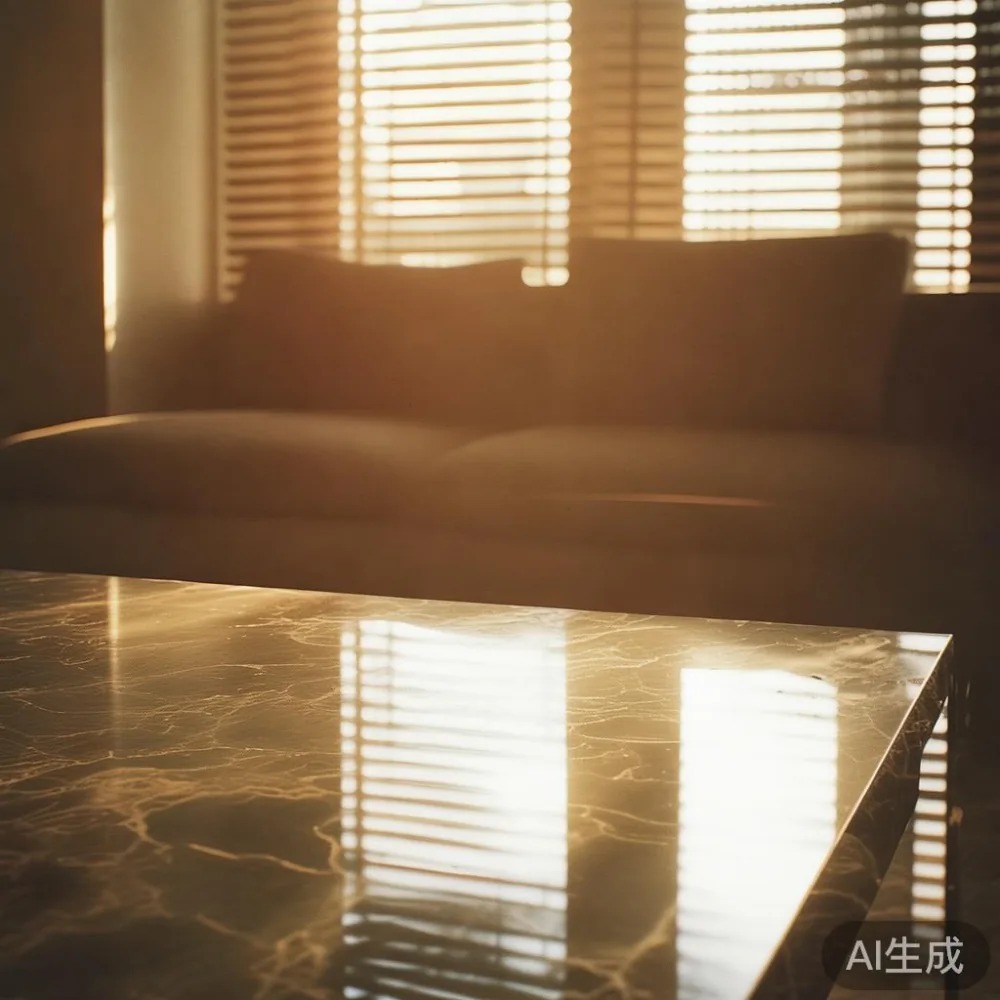
The furniture you select does more than just provide a place to sit or eat; it defines the very character and flow of your home. In a small Singaporean apartment, where the average living room might measure 3.5 metres by 4.5 metres, a bulky, dark wood cabinet can instantly shrink the perceived space. Conversely, a well-chosen piece can act as a visual anchor, drawing the eye and creating a sense of purpose. The material, colour, and scale of each item are critical considerations. Light colours tend to reflect ambient light, making a room feel larger and airier, while dark colours absorb light, which can make a space feel more enclosed. The legs of furniture are also a subtle but powerful tool. Pieces with exposed legs, like a solid wood sofa on slender chrome feet, allow light to pass underneath, creating a visual continuity with the floor and preventing the room from feeling cut off and heavy. This principle applies to every piece, from the dining table to the nightstand, and it is a foundational element in achieving a light, uncluttered aesthetic.
How to Choose the Right Dining Table for a Compact Space
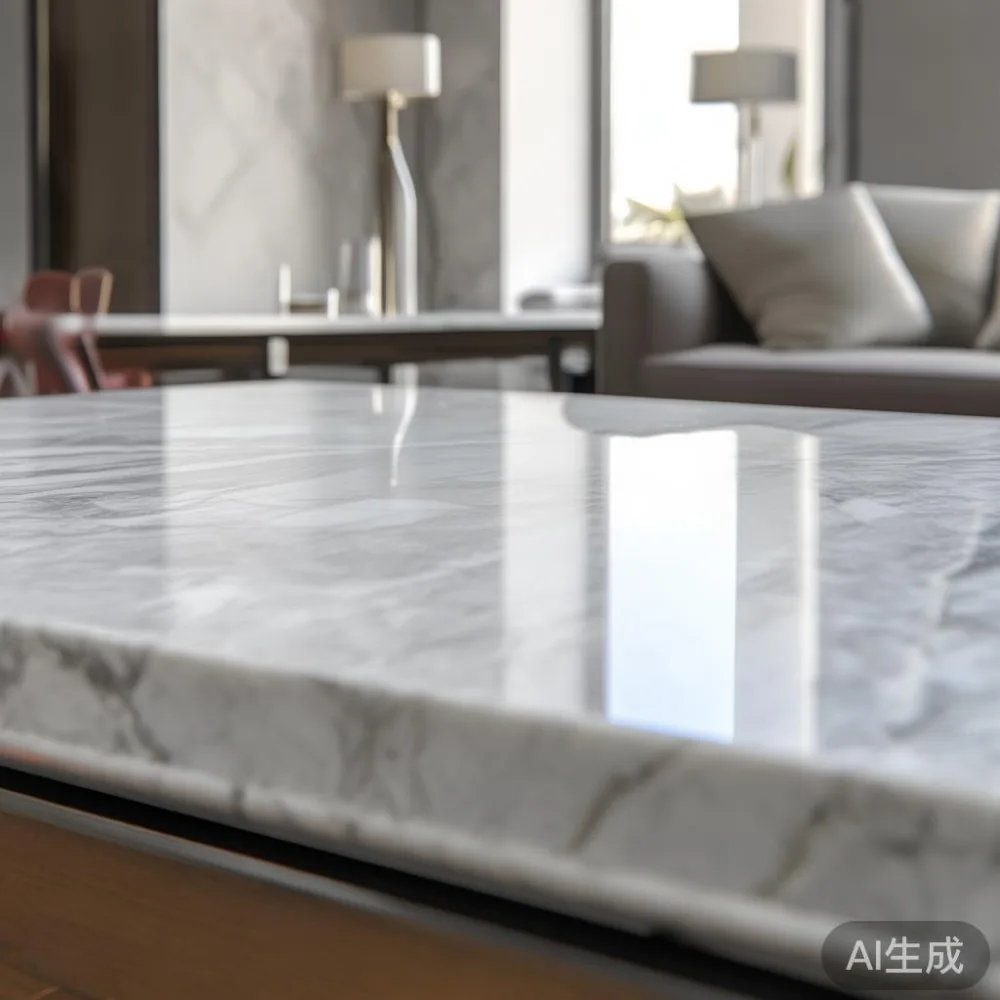
The dining area is often the heart of the home, a place for meals, conversations, and work. In a small apartment, however, it can also be a major source of visual clutter. The key is to find a dining table that is both functional and unobtrusive. A round or oval table is generally a better choice than a large rectangular one, as it eliminates sharp corners and creates a softer, more intimate flow. A table with a pedestal base is superior to one with four legs, as it provides more legroom and creates a less obstructed view of the floor. For a truly sophisticated touch, consider a marble table. The natural veining and reflective surface of marble can add a sense of luxury and light to a dining area. I tested a 120cm diameter marble table in my colleague’s Bedok apartment last month. The cool, polished surface reflected the light from the window beautifully, making the 12-square-metre dining area feel significantly brighter and more open than it did with her previous dark, heavy wooden table. The weight of the marble is a consideration; a 120cm marble top can weigh over 40kg, so ensure your floor can support it and that you have help for delivery.
Is a Large Sofa a Mistake in a Small Living Room?
This is a common question for anyone furnishing a compact living space. The instinct might be to choose the largest possible solid wood sofa to maximise seating, but this is often a recipe for making the room feel crowded. A large, overstuffed sofa can dominate the space, blocking sightlines and consuming precious floor area. A better strategy is to think creatively about seating. A well-proportioned, two-seater sofa can be just as comfortable as a three-seater, especially when paired with a stylish armchair or a pair of upholstered stools. This creates a more dynamic and flexible arrangement. When selecting a solid wood sofa, look for a low-profile design. A sofa with a tall, deep back will create a solid wall, making the ceiling feel lower. A sofa with a lower back and exposed legs will maintain a sense of openness. The material is also important. A tight-back sofa in a light, neutral fabric like linen or a light grey wool will reflect light and maintain a clean, modern silhouette, whereas a deep, plush velvet might feel too heavy for a small room.
Creating a Luxurious Bedroom Without the Bulk
The bedroom should be a serene retreat, and in a small apartment, this means avoiding furniture that feels oppressive. The bed is the largest piece of furniture in the room, so its choice is paramount. A platform bed, where the mattress sits directly on the frame without a box spring, is an excellent option for saving space. It creates a clean, streamlined look. For a more traditional feel, a bed with a tall headboard can add a sense of grandeur, but ensure it doesn’t overwhelm the room. When considering how to style European bed in bedroom, focus on proportions. A tall, tufted headboard can be beautiful, but in a small room, opt for one that is visually lighter, perhaps with open slats or a fabric that isn't overly dark. The bed frame itself should have legs to allow light to pass underneath. For storage, a wardrobe with sliding doors is far more space-efficient than one that swings open, which can require a clearance of 80cm or more. A nightstand should be slim; a narrow table, perhaps 40cm wide, provides a surface for a lamp and a book without encroaching on valuable walking space.
The Strategic Placement of Your Marble Table
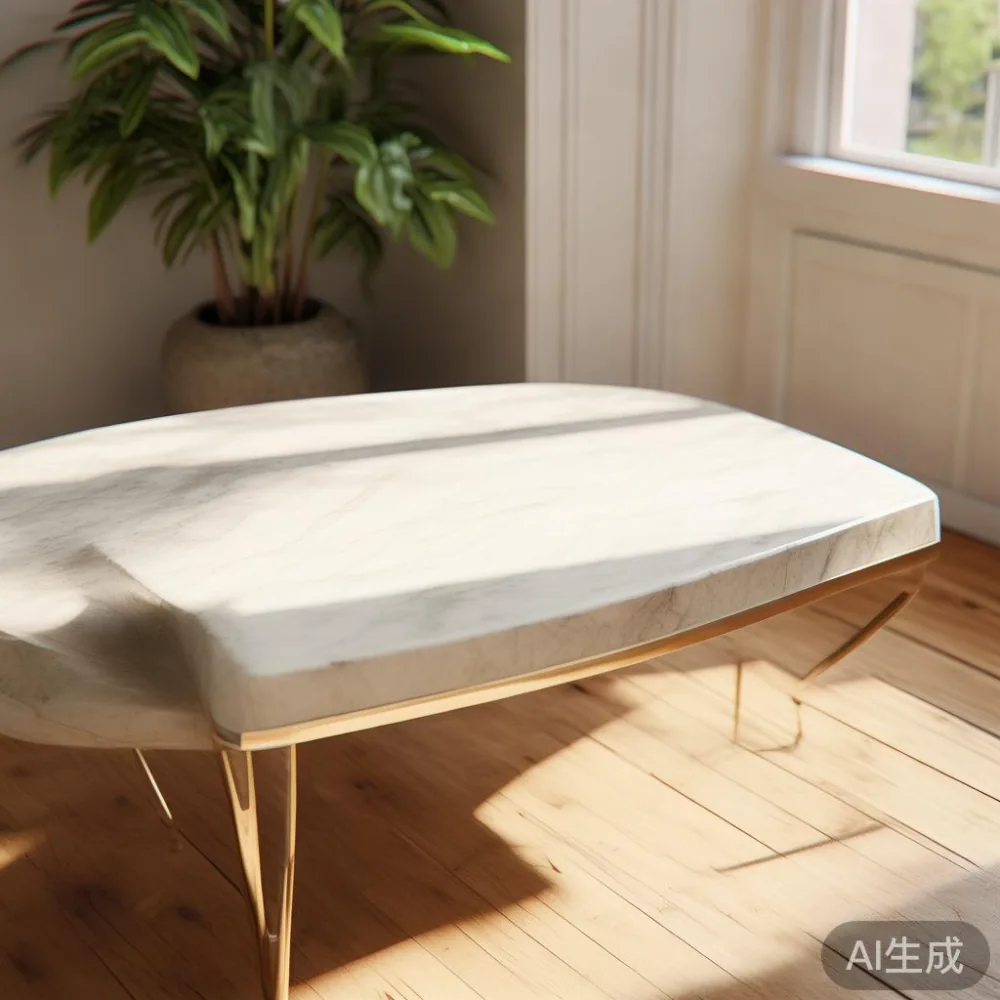
A marble table, whether used as a console, a small dining table, or a side table, is a statement of understated luxury. Its placement can dramatically affect the perception of space. Placing a console table behind a sofa is a classic trick. It defines the back of the seating area without blocking it, and the reflective surface of the marble can help bounce light deeper into the room. If you use it as a small dining table, position it in a spot that is easily accessible but not in a major pathway. In my Tampines HDB flat, I placed a 90cm round marble table in a corner of the living area, creating a charming little nook for breakfast or working from my laptop. The reflective surface catches the light from the window, making that corner feel bright and inviting. The key is to ensure there is at least 70cm of clearance around the table for comfortable movement. This prevents it from feeling like an obstacle and integrates it smoothly into the room's layout.
Lighting and Colour: The Final Touches
Once your core furniture is in place, lighting and colour are the final elements that will tie the room together and enhance its sense of space. In Singapore, where natural light is abundant, make the most of it. Use light, sheer curtains that allow maximum sunlight to filter through. For artificial lighting, a combination of light sources is best. An overhead light provides general illumination, while table lamps and floor lamps create pools of warm, ambient light. A floor lamp with a tall, slender profile takes up minimal floor space while casting light upwards, making the ceiling feel higher. For colour, a palette of light neutrals—whites, creams, soft greys—will create a calm and airy backdrop. You can introduce colour through textiles like cushions, throws, and rugs. A small, textured rug under a solid wood sofa or dining table can define the area and add a touch of warmth and personality without overwhelming the space.
Where to Find Quality Furniture in Singapore
Furnishing a stylish and functional home requires sourcing pieces that are well-made, durable, and aesthetically pleasing. Singapore offers a range of options, from high-end showrooms to online retailers. When shopping for a dining table or a bed frame, it's worth considering brands with a strong reputation for quality. For instance, exploring top 10 Italian light luxury furniture brands can provide inspiration for pieces that blend exquisite craftsmanship with a modern, minimalist design that is perfect for small spaces. Many of these brands offer pieces that are designed to be both beautiful and practical. For those who prefer a more integrated shopping experience, platforms like api.midhill.co provide a curated selection of furniture that often caters to the needs of modern urban living. These platforms can be a convenient way to compare styles and specifications, ensuring you find the perfect piece for your home without the hassle of visiting multiple stores. Remember to factor in delivery times, which can range from 3 to 8 weeks for custom or imported pieces, and check if the retailer offers services like assembly or disposal of your old furniture.
Understanding Costs and Value in Singapore
Investing in quality furniture is an investment in your comfort and the longevity of your home. It's important to understand the market and what you're paying for. A well-made solid wood sofa from a reputable brand like MIDHILL, which has been crafting pieces since 2008, might cost between SGD 2,500 and SGD 4,500. This price reflects the use of solid wood frames, high-density foam, and durable upholstery. While the initial outlay is higher than for a mass-produced piece, the longevity and comfort are superior. When budgeting, don't forget to factor in additional costs. Goods and Services Tax (GST) in Singapore is 9%, so ensure this is included in your quoted price. Delivery fees can also add up, with many companies offering free shipping for orders over SGD 350. Finally, consider the warranty. A 10-year structural warranty, as offered by some established makers, provides peace of mind, protecting your investment against defects in materials and workmanship. This level of assurance is a key indicator of a product's quality and the manufacturer's confidence in their craftsmanship.
The Importance of a Flexible Layout
In a small apartment, your needs may change from day to day. A layout that is too rigid can limit how you use your space. Embracing flexibility allows you to get the most out of every room. Consider furniture that can serve multiple purposes. A storage ottoman that doubles as seating or a coffee table can be a valuable asset. In the dining area, a marble table with leaves that can be extended is perfect for hosting guests and then folded back down for everyday use. The arrangement of furniture should also be adaptable. In a living room, you might push the solid wood sofa closer to the wall to create a larger open area for play or exercise, and then pull it forward when watching television. This adaptability is a hallmark of a well-designed small space. It allows your home to evolve with your lifestyle, ensuring that it remains functional and comfortable under any condition.
Bringing It All Together
Styling a small apartment is a balancing act between aesthetics and practicality. It’s about making deliberate choices that enhance the space rather than clutter it. By selecting furniture with a light and airy profile, such as a solid wood sofa with low legs or a marble table with a reflective surface, you can create an environment that feels open and sophisticated. Strategic placement, smart lighting, and a cohesive colour palette are all important elements in this process. Remember, the goal is not to create a home that looks like it belongs in a design magazine, but to create a space that is a true reflection of you—one that is comfortable, functional, and a joy to live in every day.