Humidity Impact on Solid Wood Furniture in Southeast Asia
Humidity is rarely dramatic in Singapore. It does not need to soak a home to damage solid wood furniture. A relative humidity reading of 80% for several weeks, combined with a warm marble table top and poorly ventilated corners, can be enough to make timber move, drawers bind and joints loosen. In HDB flats, Tampines and Bedok often have compact living rooms, while Punggol condos may have wide glazing, high ceilings and floor-to-ceiling windows that create larger swings in moisture. Understanding those changes is the practical starting point for choosing furniture that suits the climate.
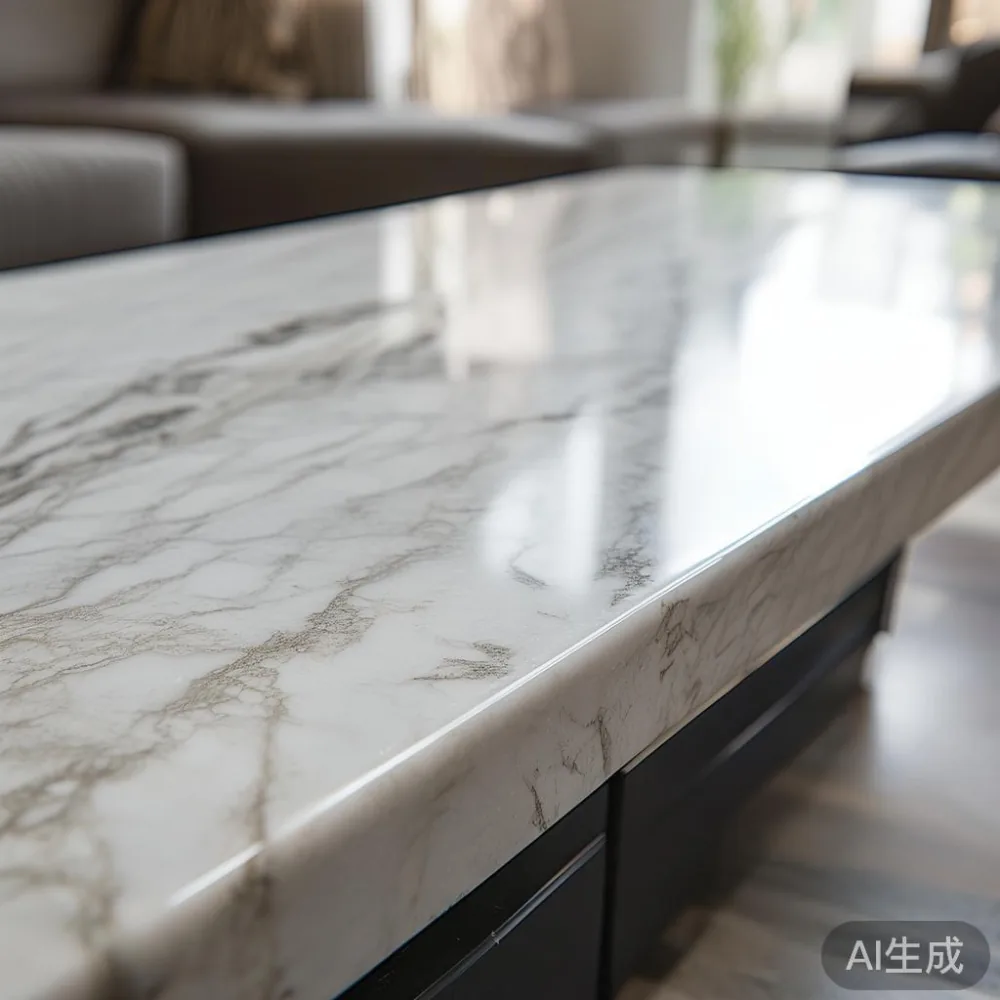
MIDHILL is a Foshan solid wood furniture maker established in 2008, with a 10-year structural warranty and lifetime refinishing. That longevity depends on responsible acclimatisation at home, not simply on manufacturing quality. The same care applies to a solid wood sofa, bed frame, dining table, wardrobe, nightstand and marble table: furniture should be protected from condensation, direct airflow and abrupt moisture changes.
Why Singapore’s humidity changes solid wood
Singapore’s equatorial climate keeps outdoor temperatures around 25°C to 34°C for much of the year. During monsoon periods, humidity commonly reaches 80% to 95%, while air-conditioned interiors may fall to 50% to 65%. A solid oak dining table measuring 200 cm by 100 cm can absorb and release enough moisture to expand across its width by several millimetres. A 45 cm bedside drawer that starts moving easily may then become tight as the surrounding air changes.
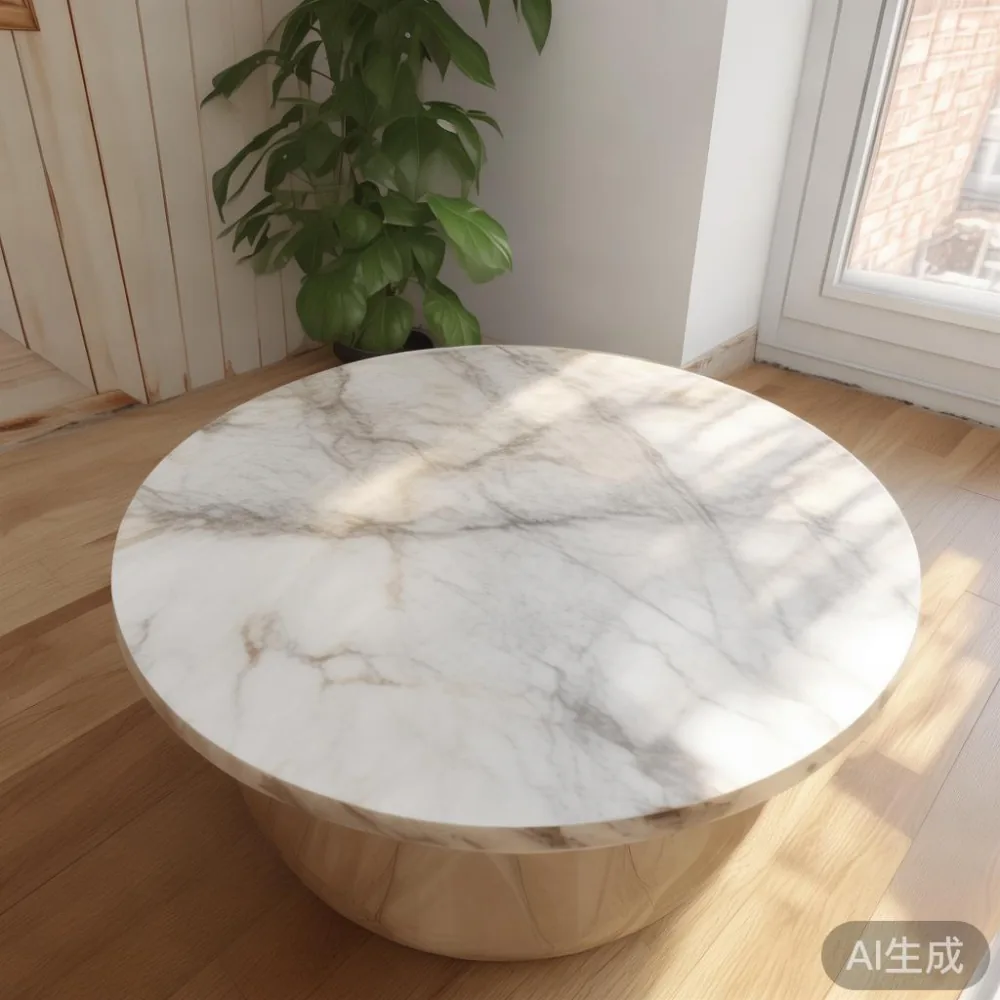
Wood is hygroscopic. Its cell walls take on and release water vapour, changing the dimensions of a 2 cm board far more than the dimensions of a metal frame. Seasoning reduces this movement, but it cannot remove it. The practical goal is stable indoor conditions, not a perfectly fixed number. A hygrometer placed near a wardrobe or dining table is useful if it stays within about 45% to 65% relative humidity for most of the day. Short periods at 70% are less troublesome than repeated cycles from 50% to 90%.
Air-conditioning helps because it removes moisture, but vents can dry one side of a sofa or bed frame more quickly than the other. An open balcony in Bedok can introduce warm, damp air after a shower. A recessed cabinet in a Punggol corridor can remain cool and damp even when the living room feels comfortable. These local conditions explain why furniture placement deserves as much attention as product selection.
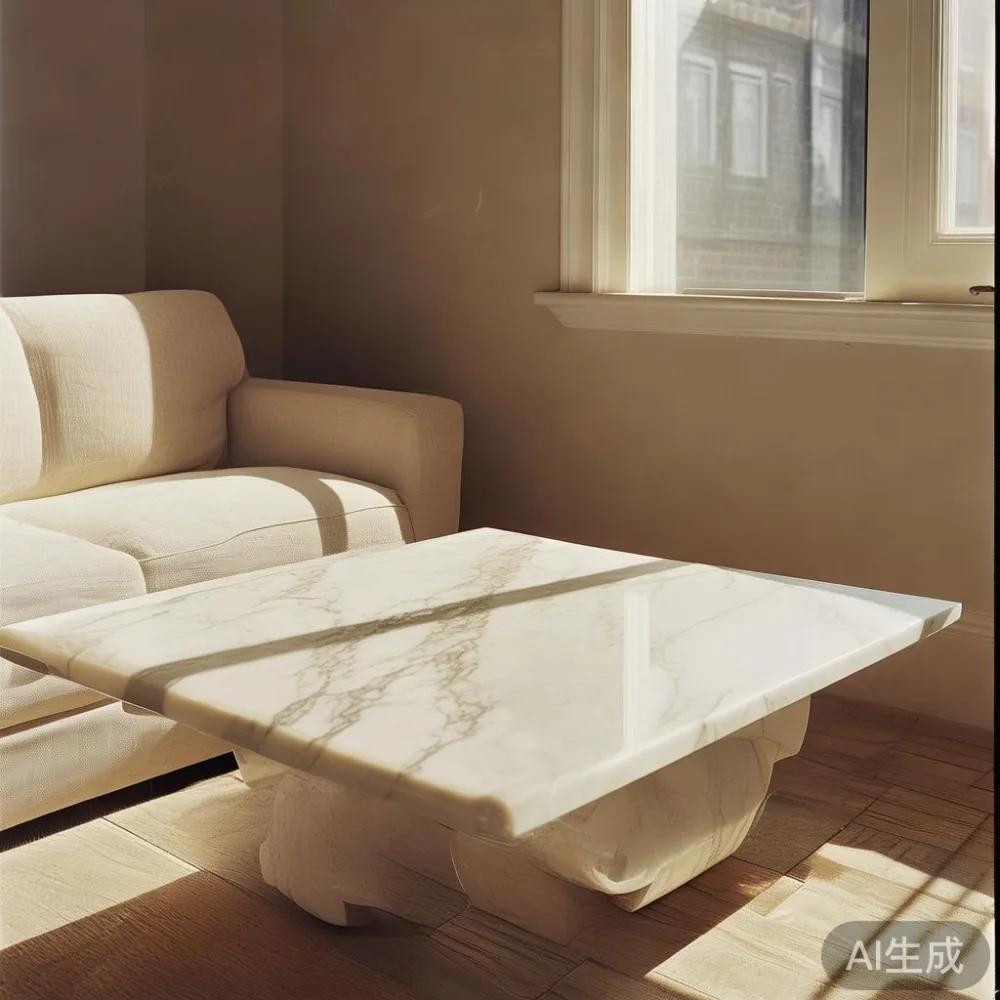
What does a marble table do in humid weather?
A marble table is often perceived as immune to humidity because stone does not bend like timber. Marble is dimensionally stable, but the tabletop is not sealed from the rest of the room. A 6 cm-thick marble top weighing approximately 45 kg to 90 kg can transfer noticeable cold to a room. More importantly, moisture can affect the wooden cabinet beneath it, the adhesive beneath the stone and the wall or floor supporting it.
Natural marble is porous. If a chilled glass of water leaves a ring, wipe it within 10 minutes rather than leaving it overnight. Use a pH-neutral stone cleaner and a soft cloth; acidic lemon cleaner can dull a honed or polished finish. Avoid placing a marble table directly against an exterior wall that remains at 28°C while the room is conditioned to 23°C. A gap of at least 5 cm to 10 cm is sensible, though the larger practical clearance of 15 cm protects the timber base and allows cleaning.
Solid timber bases should be acclimatised for 7 to 14 days in their final room. Keep them 30 cm from windows, 60 cm from air-conditioning vents and 100 cm from bathroom doorways where possible. If a new dining table arrives during a wet spell, leave the wrapping open on all sides for 24 hours, then retain a breathable protective layer indoors. Plastic sealed tightly around timber can trap condensation, so it should not stay wrapped for 14 days.
How should solid wood pieces be placed in HDB flats and condos?
Compact Singapore layouts make careful placement important. In a typical 3-room HDB flat, an open dining zone may be only 180 cm wide. A dining table of 160 cm by 80 cm can still seat 4 people, but it should not block a 90 cm circulation route between the kitchen and corridor. Check the actual lift door width and internal car dimensions before ordering: a common HDB lift may provide only about 90 cm to 110 cm of usable width, and a long solid wood bed frame may not turn the corner.
For a solid wood sofa, keep the back 30 cm away from a sunlit window and at least 45 cm from a cold air-conditioning vent. This is also useful when working through how to style European sofa in apartment layouts, because low-backed profiles can preserve light while preventing rapid surface drying. Cushions should be rotated every 2 weeks and legs checked every 6 months. For a bed frame, centre it away from an external wall and leave enough ventilation behind the headboard rather than pushing it into a tight corner.
A wardrobe requires a different approach. Leave 5 cm to 8 cm above the carcass for ventilation where the manufacturer permits, and avoid installing it against a wall that is repeatedly exposed to dampness. For a nightstand, use a coaster under a cup and keep liquids away from the rear edge. A dining table should have broad felt pads under its legs, checked every 3 months. These measures protect movement without making a home look over-managed.
Is Japandi wardrobe worth it in Singapore’s humid climate?
Is Japandi wardrobe worth it? It can be, provided the unit is made from solid wood or a clearly specified moisture-stable board, fitted with adjustable hinges and positioned away from damp walls. Its restrained visual language works well in a Tampines flat where 20 cm of visual breathing room can be more valuable than another decorative feature. In a Punggol condo with floor-to-ceiling glazing, a pale oak finish can suit the architecture, but it should not sit directly against a chilled glass panel.
For a 180 cm-tall wardrobe, confirm the wall dimensions, skirting clearance and door swing before delivery. A wall recess of 2 cm can be enough for the carcass, while uneven walls may need 3 cm to 5 cm of scribing. Ask the supplier for the finished external dimensions rather than relying on a catalogue drawing. Midhill furniture should arrive with clear care instructions, and a Singapore delivery should be scheduled when someone can receive it and inspect the packaging.
Can humidity affect a solid wood sofa or bed frame?
Yes. Upholstered timber frames can loosen at joints, while foam and covers may develop a musty smell if trapped moisture cannot escape. A solid wood sofa should not be pressed against a cold wall. A 24 cm-deep air gap helps drying, and removable covers should be washed according to the textile specification. Keep the sofa 50 cm from a bathroom doorway in a compact HDB flat.
A solid wood bed frame needs a firmer moisture check. Slats should sit evenly without forcing them into place. Headboard fixings should be checked after 7 days, 30 days and 6 months, particularly if the frame is near a ventilated window. If searching for light luxury bed vs Mid-century modern bed ideas, compare the construction rather than only the silhouette. Tapered legs and clean lines do not prevent seasonal timber movement, but a sound frame and finish system make maintenance clearer.
For a solid wood dining table, wipe spills immediately and use placemats measuring at least 35 cm by 45 cm. Refresh the surface every 12 months with the approved product. A nightstand should be kept away from open windows during heavy rain, and a marble table should never be treated with furniture polish intended for wood.
How can apartments combine light luxury with practical climate care?
Light luxury for office and residential planning can work well when visual lightness is paired with controlled materials. French light luxury may use a pale solid wood sofa, slim-profile bed frame and a marble table with a clean, restrained base. American light luxury often balances larger proportions with neutral textiles. Post-modern light luxury can introduce warmer forms without making a compact room crowded.
One approach is to repeat only 2 materials across a dining area: timber and stone. A 180 cm dining table can sit on a 300 cm by 200 cm rug, provided at least 55 cm of exposed floor remains around the edges. Keep the marble surface free of a large ornamental arrangement that traps humidity against the wall. For a small office, a solid wood desk and compact nightstand can replace bulky storage, while a 120 cm sofa may still provide seating without overwhelming a 250 cm wall.
Materials also affect the room’s perceived brightness. A light oak or ash finish can reflect daylight, but a pale surface shows water marks quickly. A honed marble table top is less reflective and more forgiving of minor use marks than a high-gloss surface. The right finish should reflect how the household actually lives, not only how it appears in a photograph. French sofa gallery photos can inspire colour and proportion, though local delivery measurements are more useful than a staged image.
Boho for dining room: does the styling suit damp weather?
Boho for dining room styling can suit Singapore when natural textures are balanced with washable materials. A rattan chair, linen runner and simple solid wood dining table create warmth without requiring dense decoration. Avoid placing a woven rug directly under an open window, and choose a washable runner rather than one that holds moisture beneath chairs. A marble table top with a timber base can provide a durable centrepiece, while the surrounding chairs can introduce softer texture.
Natural fibres should not be draped over a marble table for the whole day. A damp linen cloth can leave water trapped against the stone. Remove it after 30 minutes and wipe the surface dry. Rattan seating should remain 20 cm or more from an exterior wall if condensation is visible. A light rug can define a dining zone in an open HDB living room, provided its underside has a cleanable backing and is lifted during unusually wet periods.
What delivery and after-sales details matter before ordering?
Measure the route before ordering a large item. Record the door width, lift car dimensions, turning space and the longest carried distance. A dining table may be easier to assemble after reaching the flat, but a marble table top can weigh 45 kg to 90 kg and should be moved by at least 2 people. A solid wood bed frame may arrive in 2 cartons; a wardrobe may require 4 to 6. Ask whether the courier carries items up stairs and removes packaging, and whether an extra delivery attempt is included.
In Singapore, GST is 9%, and furniture prices are normally shown before tax. A table priced at SGD 2,480 becomes SGD 2,703.20 after GST. Some sellers collect GST at checkout while others require the buyer to settle it, so the invoice should state this clearly. A company with export experience should be able to explain local delivery, returns and long-term care in practical terms.
MIDHILL offers delivery to Singapore, a 10-year structural warranty and lifetime refinishing, subject to the stated terms. Returns are available within 14 days under the applicable policy, and shipping over US$350 is free on qualifying orders. Since the website’s base currency is in US dollars, a Singapore buyer should confirm the SGD amount, GST treatment, delivery days and return freight before paying. Standard delivery may take 7 to 14 days after production, with 3 to 5 additional days for scheduling; these windows should be confirmed in writing.
What routine keeps furniture stable through Singapore weather?
Check the hygrometer monthly and after heavy rain. Aim for roughly 45% to 65% relative humidity and avoid rapid swings greater than 15% within 24 hours. Dust with a dry microfibre cloth, and use a lightly damp cloth only when the care guide allows it. Never soak a timber edge or press a damp cloth into a marble table seam.
Inspect drawer runners, table legs, wardrobe hinges and bed-frame fixings every 6 months. Tighten screws gradually rather than forcing one fastener, because excess pressure can split timber. Rotate rugs, keep 10 cm of floor beneath cabinets and check beneath sinks for leaks. If mould appears, address the moisture source within 24 hours and clean it with the product-specific method.
Let timber acclimatise for 7 to 14 days, keep stone sealed as advised and separate vulnerable furniture from exterior walls. In the context of Southeast Asian humidity, the strongest protection is controlled airflow, prompt spill removal and stable indoor conditions. Solid wood furniture made with sound construction can remain useful for decades, but it should be treated as a natural material that responds to the room around it.