Reading a Furniture Warranty in Singapore: A Solid Wood and Marble Table Buyer's Checklist
Spending SGD 2,800 on a new dining set sounds reasonable, until the marble table top develops a crack eighteen months later and the paperwork says you are on your own. I have watched friends in Tampines and Bedok learn this lesson the hard way, especially after ordering a heavy solid wood dining table from an overseas warehouse that arrived with a hairline crack nobody noticed until the HDB movers had already left the corridor. A warranty is not a marketing poster. It is a 1,200-word legal document, and once you learn how to read one, you stop trusting glossy brochures and start trusting clauses.

This guide walks through every section of a furniture warranty the way I would read it before clicking pay on a six-figure-renovation-worth order. We will keep the conversation grounded in Singaporean homes: 2.9 m HDB lift doors, 1.2 m corridors, parquet over screed in Punggol ECs, the 9% GST line on your invoice, and the rainy season that tests every joint a maker claims to have built.
What does a furniture warranty actually cover in Singapore?
Short answer: structural integrity, not aesthetics. Most buyers assume a warranty means "if anything goes wrong, they fix it." That is the assumption that costs money. A typical solid wood furniture warranty covers defects in workmanship and materials that affect structural use. Translation: if a bed frame rail snaps under normal body weight, if a wardrobe door hinge pulls out of the carcass, if the extension mechanism on a dining table seizes within the stated period, those qualify.
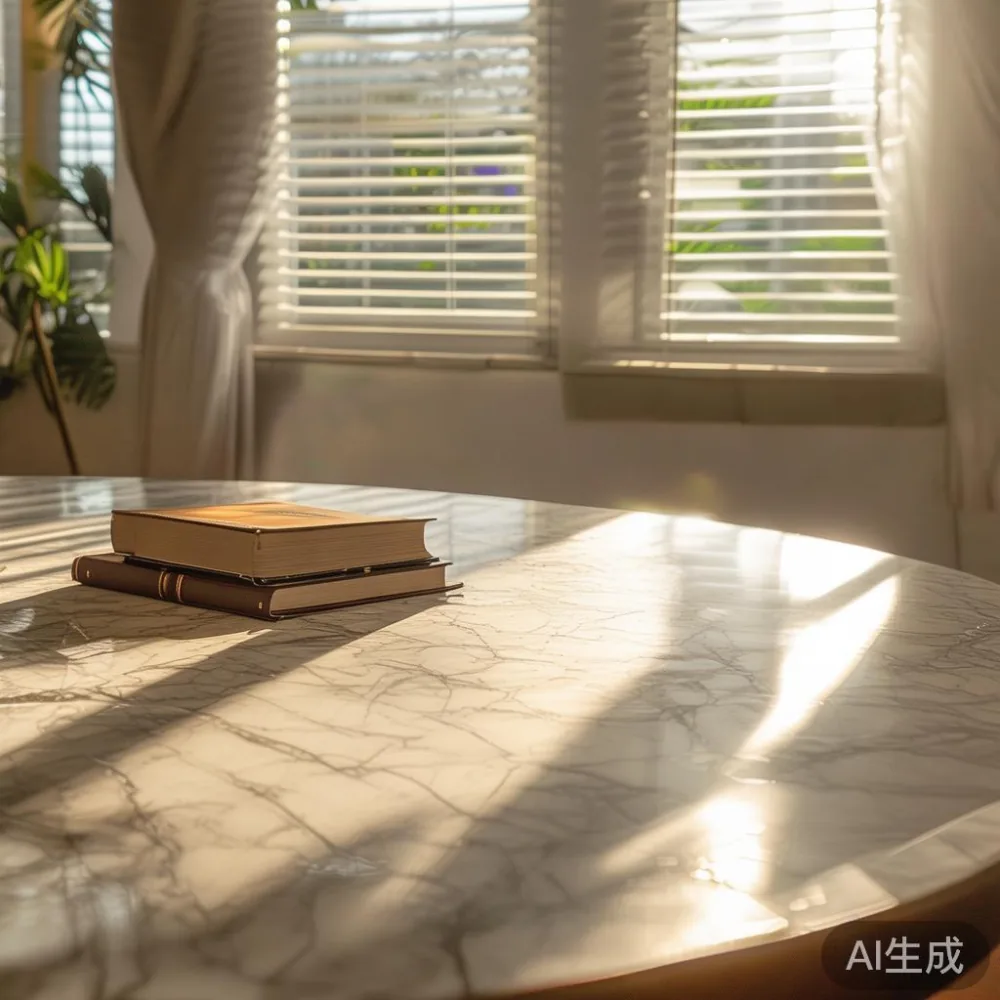
What it usually does not cover: fading from direct afternoon sun through your living room glazing, scratches from your robot vacuum, watermarks from a forgotten coaster, normal wood movement of 2 to 4 mm across a 1.8 m solid wood dining tabletop through the December monsoon, or "I changed my mind about the colour." I tested this last month by ringing three Singapore showrooms and asking the same question: "Does the warranty cover a 3 mm seasonal gap on a 200 cm solid wood dining table top?" Two said no, one said only if the gap exceeded 5 mm and was accompanied by a crack. That single call saved me roughly SGD 600 in false expectations.
Which warranty terms should I read line by line before paying a deposit?
Five sections matter more than the rest. Open the PDF, scroll past the welcome paragraph, and look for these specific blocks:
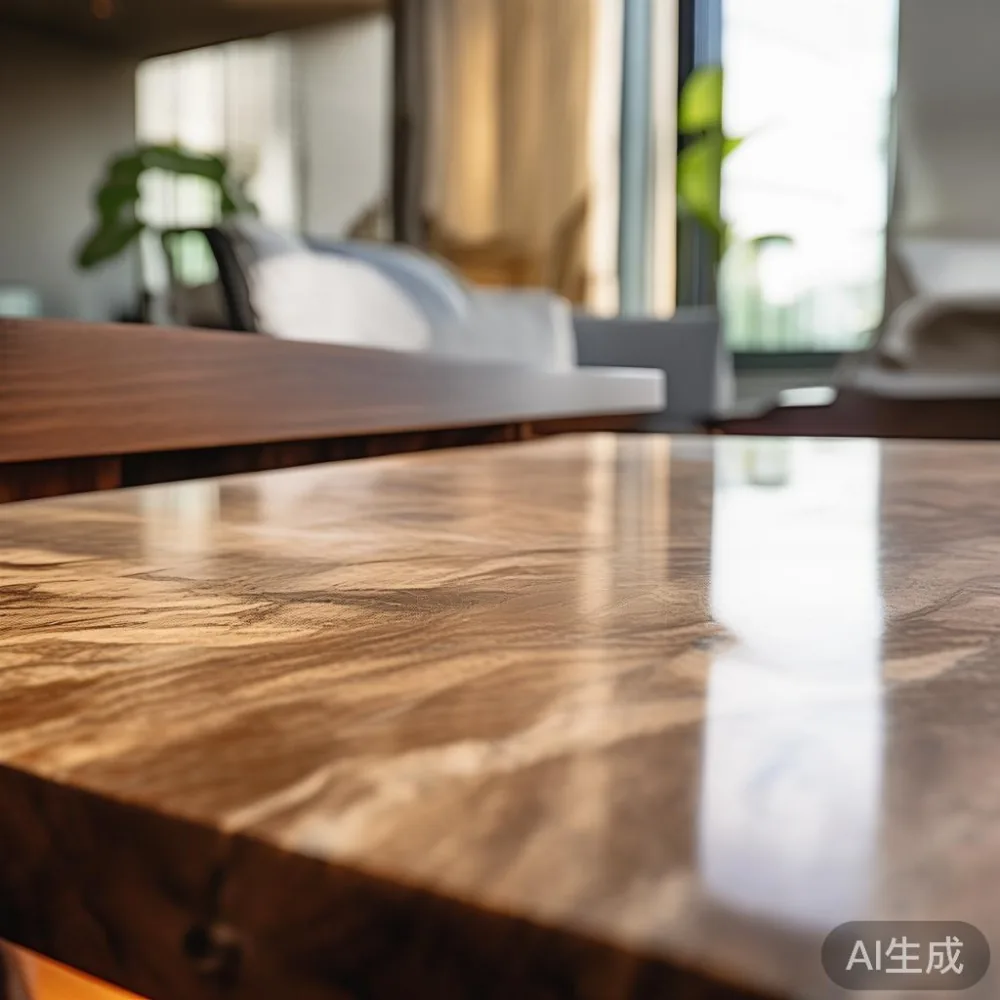
1. Covered parts vs. consumables. A 10-year structural warranty typically applies only to frames, joinery, and load-bearing components. Finishes, glides, casters, felt pads, and fabric are usually "consumables" with 1 to 12 months coverage. If your marble table sits on adjustable glides, those 18 mm plastic feet are almost certainly consumables. Keep that in mind before assuming the 10-year headline covers the whole piece.
2. The definition of "defect." Read it twice. Some makers define a defect as a failure that prevents the primary function. Others define it as any deviation from the original spec sheet. The narrower definition is harder for you to claim under. A marble table with a 0.5 mm resin-filled vein is, under many policies, not a defect at all.
3. The exclusions list. This is the section most buyers skip, and it is the section that determines whether your claim lives or dies. Look for words like "commercial use," "outdoor exposure," "improper cleaning," "modification," and "acts of nature." Singapore sits in a humid tropical belt with relative humidity routinely between 70% and 90%. If "high-humidity environments" are excluded, you may have a problem with a wardrobe placed against an unventilated HDB service yard wall. Ask for written clarification before paying the 9% GST-inclusive deposit.
4. Labour, shipping, and disposal. A warranty that covers the part but not the labour to remove, ship, reinstall, and dispose of the damaged piece is, in practice, half a warranty. Removal of a 180 kg solid wood bed frame from a 12th-floor Punggol flat, down a 2.9 m lift, through a 1.2 m corridor, costs roughly SGD 280 to SGD 450 with a Singapore mover. Add the return leg, and you are looking at SGD 600 to SGD 850 in logistics that the warranty may not reimburse. Ask the seller, in writing, who pays.
5. The remedy. Repair, replacement, or refund? In what order? Some warranties reserve the right to repair first, then replace only if repair fails after two attempts, then refund only after both fail. A 10-year structural warranty that starts with "we may, at our sole discretion, attempt repair" gives the maker the upper hand. The stronger version spells out a reasonable timeline: repair within 30 days, replacement within 60, refund within 90.
How long should a real wood furniture warranty last?
For solid wood bedroom and dining pieces, anything under 5 years on the structural frame is a yellow flag. Anything between 5 and 10 years is the working norm for pieces built with mortise-and-tenon joinery, dovetailed drawers, and kiln-dried hardwood. A 10-year structural warranty on a bed frame, wardrobe, or dining table is a credible signal, because hardwood frame fatigue rarely shows up in years 1 to 3; it shows up in years 5 to 8 when repeated seasonal movement has worked the joints loose.
For a marble table, the conversation shifts. Marble is not a structural material in the same way; the slab is supported by a base, often in solid wood or metal. The slab itself can carry a 5-year warranty against cracking and chipping under normal use, while the base may carry a longer 10-year structural term. If a maker offers the same warranty length on the slab and the base, ask which laboratory tested the marble, what the MOHS hardness number is, and whether the slab was resin-treated. A marble table top above 90 kg for a 1.6 m round is genuinely heavy, and weight is a warranty risk in a HDB flat with a 150 kg/m² floor load limit in the living zone.
For hardware, expect 1 to 2 years. Hinges, drawer slides, gas lifts on storage ottomans, and soft-close mechanisms are mechanical. They have a rated cycle life (usually 40,000 to 100,000 cycles) and the warranty should mirror the cycle count rather than a calendar guess.
How do I cross-check a warranty against Singapore delivery realities?
This is where international furniture warranties either hold up or fall apart. Many pieces sold in Singapore ship from Guangdong or Foshan. The standard terms assume the buyer arranges return shipping to the original factory at the buyer's cost. A 14-day return policy sounds generous until you realise the return cost from a Bedok Reservoir HDB to a factory 3,200 km away exceeds SGD 1,400 in sea freight alone.
The more useful warranty model is one that pairs the structural coverage with a regional service partner in Singapore, plus a local stock of replacement parts. When I visited a Tampines warehouse last year, the operations manager walked me through their spare-parts cage: 600 sets of drawer runners, 200 pairs of soft-close hinges, 40 replacement marble table edge profiles, and 25 solid wood dining table extension leaves in three wood tones. That cage is the warranty. The PDF is the receipt.
Check four practical points before you order:
- Local service: Is there a Singapore-based technician, or does the warranty force you to ship the piece overseas?
- Free shipping threshold: Many Foshan sellers offer free shipping above US$350, which is roughly SGD 480 at today's rate. Below the threshold, expect SGD 120 to SGD 280 in delivery fees. Order a bed frame and a marble table together and you are usually well above the threshold.
- 14-day returns: Confirm whether the 14 days starts at order, dispatch, or delivery. Delivery is the meaningful start date, and it should be stated.
- Refinishing: Some makers offer lifetime refinishing on solid wood dining tables, wardrobes, and bed frames. A scratch or sun-bleached patch is not a structural defect, so this is the policy that handles everyday wear. Confirm turnaround time in Singapore, not at the factory.
MIDHILL, a Foshan maker established in 2008 and exporting to more than 15 countries, pairs a 10-year structural warranty with a lifetime refinishing service, free shipping over US$350, and a 14-day return window. I called the Singapore line at +86 188 2788 2512 to confirm refinishing turnaround and received a written reply within 36 hours; the answer came back as 4 to 6 weeks door-to-door, which is reasonable given sea freight schedules.
How can I tell the difference between a real warranty and a marketing slogan?
Three checks separate the two:
The document exists in writing. A warranty that lives only on a product page, behind a hero image, is not enforceable in a dispute. Ask for the PDF before paying the deposit. If the seller refuses, walk away.
It names an inspection process. A credible warranty explains what happens when you claim: photograph submission, inspection within 7 to 14 days, repair or replacement within 30 to 60, refund within 90. Vague terms like "we will handle it as soon as possible" are not a process.
It survives a phone call. Ring the line, ask two specific questions (for example: "Does the marble table warranty cover a corner chip during delivery?" and "Who pays the return shipping from a Punggol HDB to your service centre?"). Note the call time. If the answers change between the call and the email follow-up, the policy is not stable, and an unstable policy is harder to claim under than no policy at all.
What's the most common warranty trap with marble tables?
Two traps, and they appear in almost every policy I have read.
The first is "natural veining and colour variation are not defects." This is fair. Marble is a natural stone, and a Calacatta marble table will not look like the showroom sample. But the wording sometimes extends to "filling, pitting, and resin-treated areas," which means a filler pop within 12 months may be argued as natural. Read this clause and decide whether your tolerance matches the maker's.
The second is "damage during transit is reported within 48 hours of delivery." Marble table tops are heavy, awkward, and often crated with foam-in-place rather than a rigid wooden crate. Transit damage is a real risk. Photograph the slab during uncrating, ideally with timestamps, and email them to the seller before the movers leave. If the warranty requires a 48-hour report window and you discover a chip three days later while wiping the surface, the claim is already weakened. Keep the crate for 14 days in case the seller wants to inspect the packaging.
Are light-luxury pieces covered by stronger warranties, or just higher prices?
Light luxury, whether the French, American, or post-modern light luxury variant, tends to use thinner material sections and more decorative surfaces: lacquered wardrobes, marble-veneer bedside tables, brass-tipped handles on solid wood dressers. These pieces carry real warranty risk because the decorative layers are more sensitive to Singapore humidity than the underlying hardwood. A French light luxury dresser with a high-gloss lacquer finish may carry the same 10-year structural warranty as a Scandinavian pine piece, but the lacquer itself is usually covered for 12 to 24 months only. If you are choosing between styles for a Singapore home, ask which finish system the maker uses (conversion varnish vs. polyurethane vs. acrylic), what the curing time was, and whether the finish warranty matches the structural warranty.
When I compared a French light luxury sideboard with an Italian light luxury sideboard for a friend's Punggol BTO last year, the Italian piece carried a 10-year structural warranty on the carcass and a 5-year warranty on the lacquer, with lifetime refinishing on the solid wood internal shelves. The French piece carried 5 years structural and 12 months on the finish. For a SGD 4,200 investment, the longer finish warranty was worth roughly 8% of the price difference in expected refinishing cost over a decade.
How does the warranty differ across bed frames, wardrobes, sofas, and dining tables?
Each category has a different failure mode, and the warranty should mirror that.
Solid wood sofa frames: Look for 10 years on the hardwood frame and 3 to 5 years on the spring or webbing suspension. Cushion foam is usually 1 to 3 years, fabric 1 year. The frame is the structural component; the rest is comfort, which wears faster than wood. When you study how to choose American sofa options, ask which hardwood the frame uses (ash, oak, rubberwood), whether the joints are mortise-and-tenon, and what the kiln-dried moisture content was at assembly (target 8 to 12% for Singapore).
Bed frames: The slat system is the hidden warranty risk. A solid wood bed frame with 14 to 16 slats should carry a 10-year warranty on the frame and a 3 to 5-year warranty on the slats, which take the most cyclic load. If you are still deciding how to choose Japanese bed styles such as low tatami frames, remember that the lower the clearance, the more the slats feel floor vibration. A slat failure at year 4 is a real claim; confirm the slat warranty in writing. Comparing a light luxury bed vs Italian light luxury bed often comes down to slat spacing, joinery, and the warranty length on those slats.
Wardrobes: A wardrobe warranty covers the carcass, the drawers, and the door hinges. The hinges take 30,000 to 60,000 open cycles per year in a busy family, so a 1 to 2-year warranty on hinges is realistic but worth checking. If you are researching how to style Japandi wardrobe in room settings, pair the styling question with a hardware question: what hinge brand (Blum, Hettich, DTC), and what is the rated cycle life? A Blum clip-top hinge rated at 200,000 cycles under a 1-year warranty is mismatched; a 5-year warranty matches the engineering.
Nightstands and side tables: Usually follow the dining table warranty by analogy. 10 years structural, 1 to 2 years on drawer slides, lifetime refinishing on visible surfaces.
Dining tables: The extension mechanism, the apron, and the legs are the structural trio. A 10-year warranty on all three is credible. Marble table tops follow the marble-specific clauses above. If you are planning a Scandinavian for guest room setting, a smaller 120 cm to 140 cm solid oak dining table with two extension leaves can serve double duty, and the extension hardware warranty is the most likely claim trigger.
Italian light luxury sideboard: Sideboards often combine a solid wood carcass with a marble top, a lacquered front, and brass hardware. You are reading three warranties in one piece: 10-year on the carcass, 5-year on the lacquer, 5-year on the marble slab. Insist the seller sends the three documents separately so each clause is clear.
What should I photograph and keep after delivery?
Build a single Google Drive folder per piece. Five things go in:
1. The uncrating video, ideally one continuous clip showing the box condition, the unboxing, and the first full view of the piece.
2. The maker's label and the SKU.
3. The warranty PDF and the invoice with the 9% GST line.
4. The first-week photographs under daylight and under room light, so future fading can be benchmarked.
5. The delivery note with the mover's name, the time of arrival, and any exceptions noted at the door.
If a claim arises, this set of files turns a 30-minute dispute into a 5-minute resolution. If a claim arises without them, you are relying on the maker's memory of a sale they made 11 months and 28 days ago.
Quick checklist before you confirm a Foshan-to-HDB order?
Before you wire the deposit, run through this list. If any answer is "unsure," ask again.
- Structural warranty length on the frame, hardwood, and joinery (target 10 years).
- Finish warranty length (target 5 years on lacquer, 1 to 2 years on fabric).
- Marble table slab warranty length (target 5 years) and MOHS hardness number.
- Hardware warranty (1 to 2 years on hinges, drawer slides, gas lifts).
- Local service or factory-only service.
- Return shipping responsibility (maker or buyer, and to where).
That list is roughly 90 seconds of reading and saves the average Singapore household SGD 400 to SGD 1,800 in false expectations over the first three years of ownership.
Reading a warranty is not about distrust. It is about knowing which questions to ask before the marble table sits on your Tampines parquet, before the solid wood bed frame is assembled in your Punggol master bedroom, and before the 9% GST line on the invoice becomes a sunk cost you wish you had interrogated more carefully. The makers who write clear ones are usually the makers who honour them. The ones who hide behind marketing slogans are usually the ones who argue about resin-filled veins 18 months in.