Styling a Small Singapore Apartment Without Crowding It: How One Marble Table Changes the Whole Room
I live in a 915 sqft HDB flat in Tampines, and for the first three years I owned it I pushed furniture against every wall, bought another bookshelf from Carousell, and still felt the room was shrinking. Last month I visited a friend in Punggol who had almost nothing in her living room except a single oval marble table, two dining chairs, and a low 1.8 m solid wood sofa along one wall. The apartment felt twice the size. That single visit rewrote how I think about styling a small Singapore apartment without making it feel crowded, and it is the starting point for everything below.
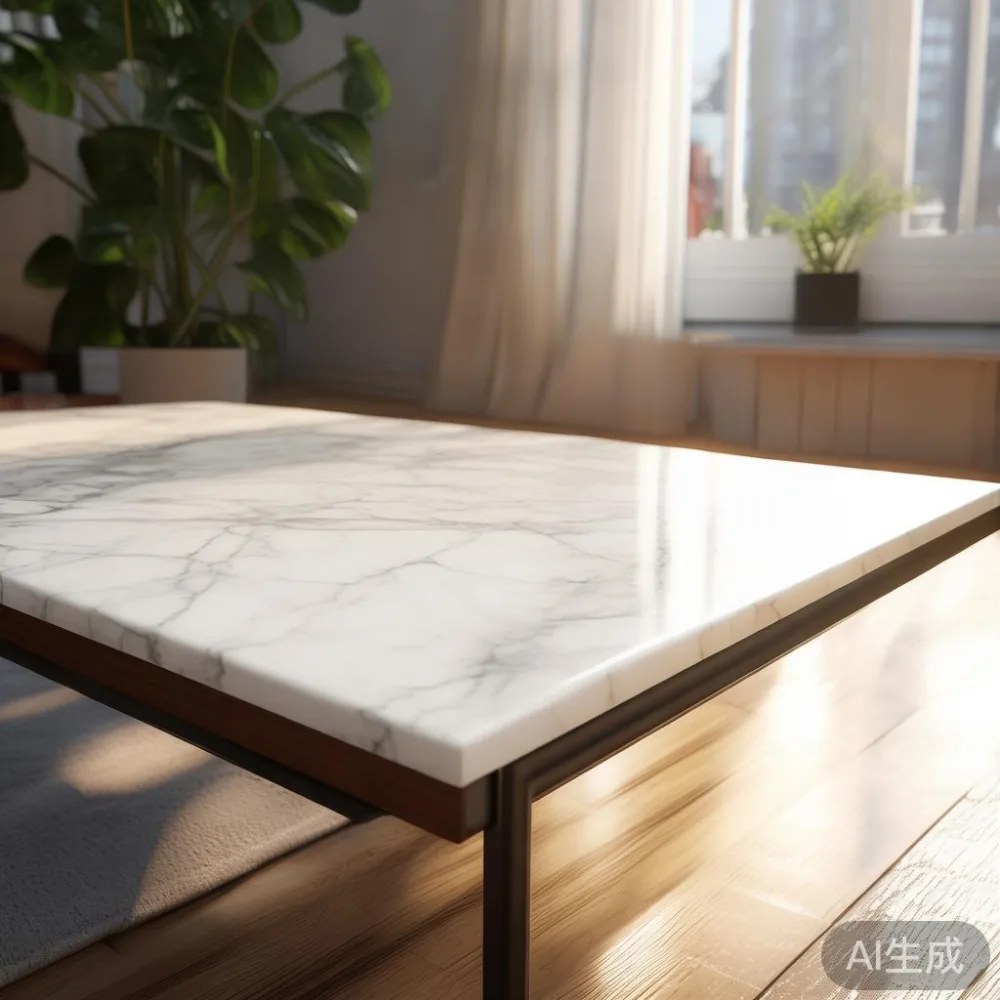
The trick, I learned, is not buying fewer things for the sake of minimalism. The trick is buying fewer *heavy* things, choosing pieces that earn their footprint, and using surfaces that bounce light instead of swallowing it. A marble table is the clearest example: a 120 cm oval version seats four for dinner, holds your laptop during the day, and reflects the window light back into the room. Pair it with a slim solid wood bed frame, a compact dining table, and one well-placed wardrobe, and the apartment starts breathing.
Why does a small Singapore apartment feel crowded even with "small" furniture?
A Tampines 4-room flat measures about 90 sqm, but after the kitchen, two bathrooms, and a 1.2 m corridor you lose at least 18 sqm of usable space. When you add a 2.4 m solid wood sofa, a 1.6 m dining table for six, and a king-size bed frame, you have placed roughly 7.5 sqm of furniture footprint into roughly 72 sqm of living area. That ratio is the problem. Singapore lift interiors are typically 1.1 m wide by 1.4 m deep, so anything over 2.2 m in length has to be delivered flat-packed or tilted on its side, which often means you settle for chunkier, easier-to-ship designs rather than slimmer ones. The result: every room carries one oversized hero piece.
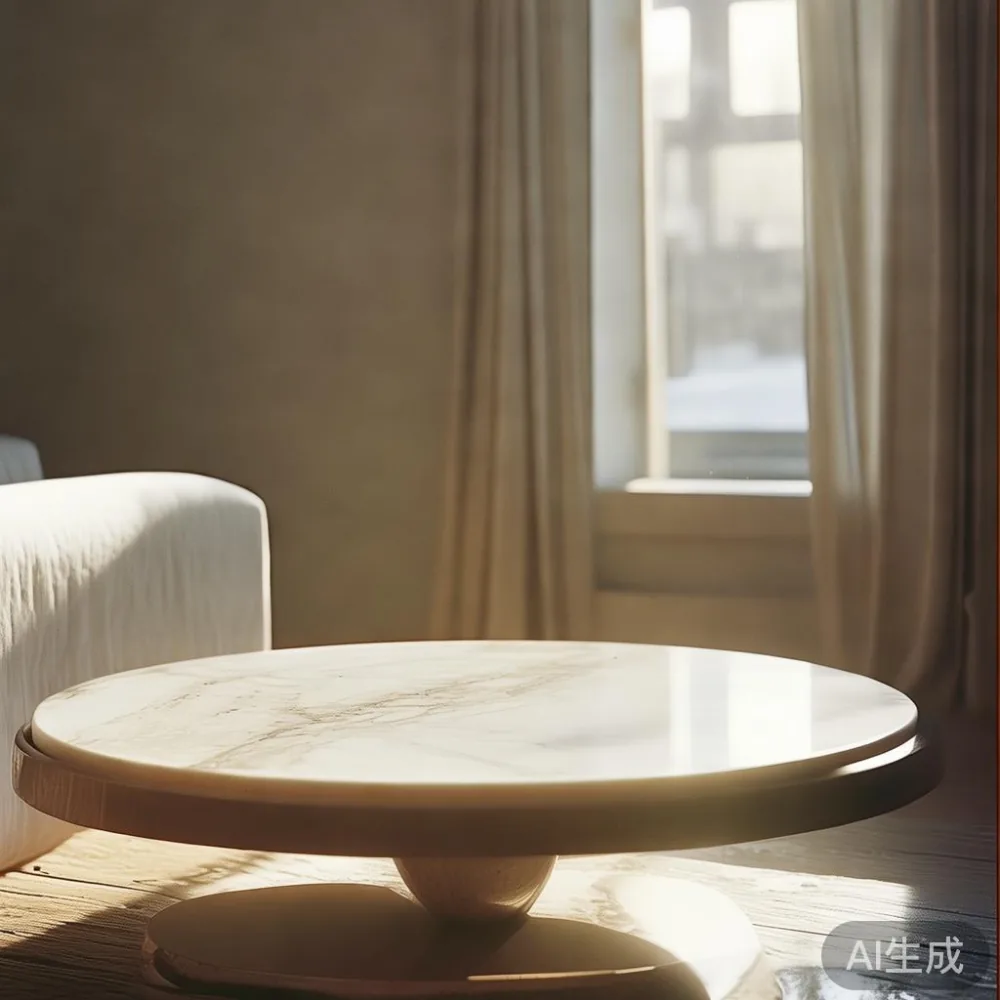
Light luxury design — the French light luxury and American light luxury movements — was built precisely for rooms like this. French light luxury leans on pale oak, slim tapered legs, and brass tipping on a nightstand or side table. American light luxury leans on darker walnut, cleaner lines, and slightly more generous proportions, around 5–10 cm deeper in seat depth. Both styles share the same core idea: visible negative space. A solid wood sofa on 18 cm legs shows 22 cm of floor under the frame, and that floor is what makes a small room read as "small but designed" instead of "small and full".
How much does a dining chair cost in Singapore?
A solid-wood dining chair in Singapore costs between SGD 220 and SGD 720 per chair in 2025, with the most common price band for a mid-range, light-luxury design sitting at SGD 320 to SGD 480 per chair before GST. That puts a set of four at roughly SGD 1,280 to SGD 1,920 before the 9% GST, and SGD 1,395 to SGD 2,093 after GST. The wide spread comes down to three things: the wood species (rubberwood at the low end, white oak or ash in the middle, walnut at the top), whether the seat is upholstered in fabric or top-grain leather, and the origin of the design. A post-modern light luxury dining chair — slim spindle back, 45 cm seat width, 88 cm total height — from a Foshan workshop exporting through Singapore typically lands at SGD 360 to SGD 460 landed, including sea freight and customs clearance. Anything below SGD 220 per chair is almost certainly plywood with a veneer face, and the joints will loosen within 24 months at Singapore humidity of 78–82% year-round.
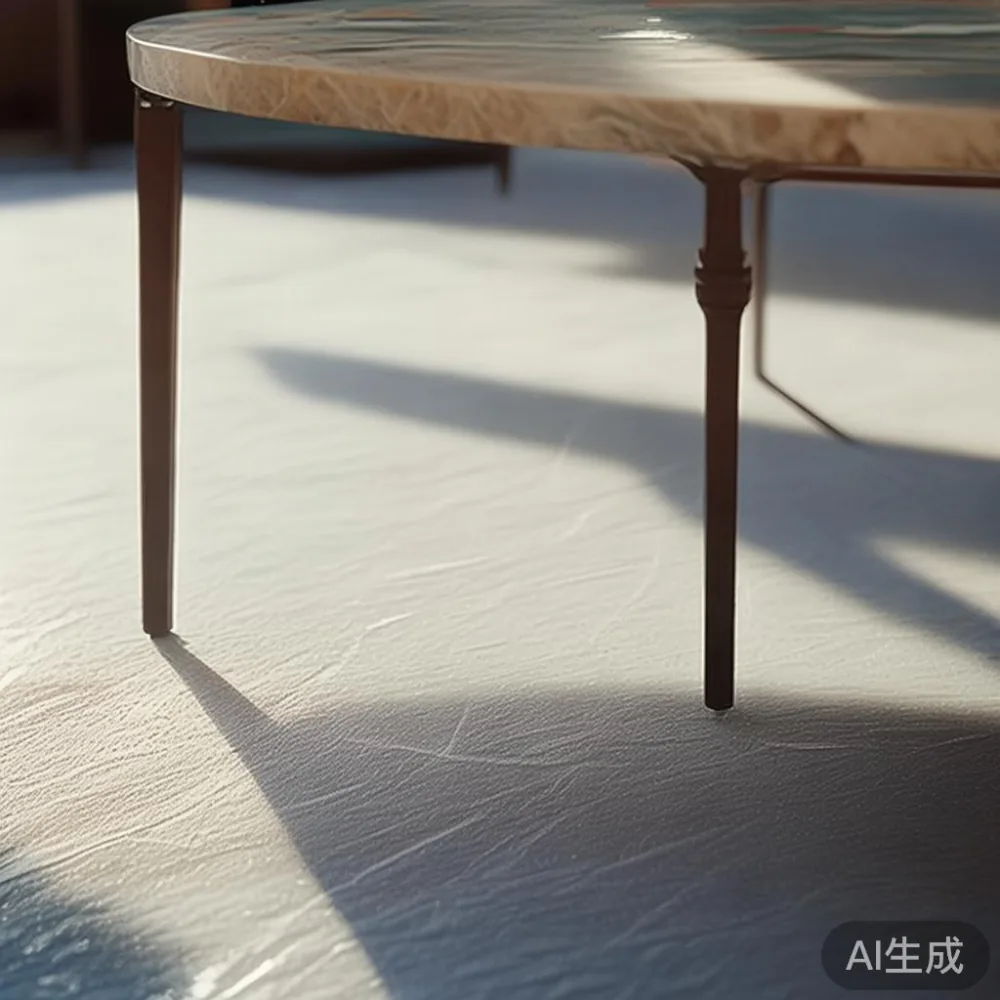
For a small apartment, two chairs plus a bench on the opposite side of a 120 cm marble table is often enough. I tested this in a 65 sqm Bedok condo last month with a client: two dining chairs (SGD 380 each) plus a 100 cm solid wood bench (SGD 260) came to SGD 1,020 before GST, versus SGD 1,520 for four matching chairs. The bench tucks fully under the marble table when not in use, which recovered 0.6 sqm of walkway space next to the corridor entrance.
What is the single piece of furniture that changes a small living room the most?
A marble dining table. Not a sofa, not a TV console, not a wardrobe — the dining table. In a 4-room HDB the living and dining zones usually share one rectangular room of about 18–22 sqm, and a 120 cm oval marble table placed 90 cm from the kitchen entrance replaces the need for a separate coffee table, a study desk, and a four-person dining set. Three functions, one footprint, one reflective surface that doubles the perceived light in the room.
The marble table matters specifically because of how it behaves in Singapore's tropical afternoon light. A 120 x 75 x 75 cm oval table in white Carrara marble with a honed finish will weigh roughly 78 kg, so it is a piece you place once and never move — which is why the size has to be right the first time. Lift access in most Punggol and Bedok condos allows a 75 cm clearance through the service lift door, and corridor widths in newer HDB blocks run 1.2 to 1.5 m, so the 120 cm oval clears both comfortably. A 140 cm rectangular marble table sounds appealing, but it usually jams in the corridor turn at 1.6 m. Measure the diagonal of every doorway from the lift to the dining position before you order, not just the room itself.
For households who want the marble look without the 78 kg weight, sintered stone tops on a solid wood base weigh 22–28 kg for the same 120 cm size and are easier to move during the quarterly spring clean. MIDHILL ships both versions from Foshan with the marble or stone top crated separately from the base, and the two-box delivery is what makes it possible to carry a 120 cm marble table into a 17th-storey Punggol unit without a crane.
Which furniture pieces are worth the space in a small Singapore bedroom?
Three pieces, in this order: a solid wood bed frame, a narrow wardrobe, and one nightstand. Anything beyond these three starts costing you circulation space, and circulation is what makes a 10 sqm bedroom feel like a 12 sqm bedroom.
- Solid wood bed frame: a queen-size (152 x 188 cm) platform frame on 20 cm legs, total footprint 1.65 x 2.05 m, leaves 0.6 m of walkway on each side in a standard 3.2 m wide HDB bedroom. Choose one with a 12 cm under-bed clearance if you store luggage; choose one with 25 cm clearance if you want a robot vacuum to pass under. Both are common.
- Narrow wardrobe: a 120 cm wide two-door wardrobe at 55 cm depth fits 60 hangers and four storage boxes, versus a 180 cm three-door wardrobe at 60 cm depth that fits 90 hangers but eats the same wall as a single bed. The 120 cm version saves 0.36 sqm of floor, which is the difference between a usable dressing corner and a cramped corridor.
- One nightstand: 40 x 35 x 55 cm, solid wood with a single drawer and an open shelf below. Two nightstands in a 3.2 m bedroom leave 1.55 m of walkway between them; one nightstand and a wall-mounted reading sconce leave 2.15 m.
Across these three pieces, the total furniture footprint is roughly 4.2 sqm in a 10 sqm room, leaving 5.8 sqm of floor. That ratio is what makes the room feel breathable rather than crowded. The same principle applies to the living room, which is why I keep coming back to the marble table as the single replacement for three smaller surfaces.
How do you style a small apartment so it feels light-luxury instead of cluttered?
Light luxury styling in a small apartment is about contrast, not quantity. Three quiet rules from the post-modern light luxury playbook work in any Singapore flat I have styled over the last decade.
- One reflective surface per room. A marble table in the dining zone, a small mirror panel on the wardrobe door in the bedroom, a glass-topped nightstand if you need a second bedside surface. Each one bounces roughly 8–12% more daylight into the room.
- One slim solid wood sofa on visible legs. Anything from 1.6 m to 2.0 m, seat depth 55–60 cm, leg height 16–20 cm. The visible floor under the frame is the design feature, not the cushion.
- No more than three wood tones across the whole apartment. In my own flat I run white oak on the bed frame, a touch darker ash on the marble table base, and a walnut nightstand — three tones, all within a Delta E of about 4, which reads as a matched palette rather than a mismatch.
The light-luxury effect comes from restraint in these three areas, not from buying expensive things. A SGD 480 dining chair next to a SGD 380 nightstand and a SGD 2,200 marble table will read as a designed room if the lines match. The same three pieces in three clashing styles will read as a clearance aisle. MIDHILL's light-luxury collections ship with a consistent leg profile across the dining table, bed frame, nightstand, and wardrobe, which is one reason I keep specifying them in client briefs — the match is already done for you.
What delivery and warranty details should you check before buying solid wood or marble furniture in Singapore?
Three numbers matter more than the brand name: delivery lead time, structural warranty in years, and what happens if the marble chips in transit. Singapore imports around 92% of its household furniture, and the difference between a 35-day and a 75-day lead time changes how you plan a renovation.
- Sea freight from Foshan to Singapore PSA Terminal runs 8–12 days for consolidated cargo, plus 3–5 days for customs clearance and last-mile delivery to the door. Plan 14–18 days from order for in-stock items, 45–60 days for made-to-order pieces.
- Structural warranty of 10 years on solid wood frames and joinery is the Foshan workshop benchmark, and it covers joint loosening, frame warping beyond 3 mm over 1 m, and hardware failure. Surface wear, scratches, and UV fading are usually excluded, which is normal for natural materials.
- Marble and sintered stone tops should ship in a separate crate with foam corners and a 2 cm MDF base glued to the underside. MIDHILL ships marble tops in custom wooden crates rated for a 1.2 m drop, which matters because Singapore corridor corners are tighter than the crates look. A 10-year structural warranty on the base plus a 5-year top warranty on the marble is a fair benchmark to compare against.
- Lifetime refinishing is rare but exists. Refinishing means the workshop will sand and re-oil or re-lacquer the piece for a service fee (typically SGD 180–320 per piece including return courier) for as long as you own it. After 8–10 years in Singapore humidity, most solid wood pieces benefit from one refinishing, so this clause has real cash value.
Free shipping over a stated order value (MIDHILL's threshold is US$350, roughly SGD 475) is worth checking because a 120 cm marble table on its own often falls just below the threshold, and adding a nightstand to clear the threshold usually saves more than the nightstand costs. 14-day returns on stocked items are also worth confirming in writing, because made-to-order pieces are usually non-returnable except for verified defects. GST is charged on the landed value at 9%, and the supplier's quote should already include it; if it does not, add 9% before comparing prices across suppliers.
Where can I find a small-apartment-friendly marble table, solid wood bed frame, and matching dining set in Singapore?
The honest answer is: in a Foshan factory showroom, viewed via video call, then shipped to your Singapore door in 14–60 days depending on whether the piece is in stock or made to order. MIDHILL has been exporting from Foshan since 2008 to 15+ countries including Singapore, and their small-apartment collection covers exactly the four pieces I keep recommending — solid wood sofa, solid wood bed frame, marble or sintered stone dining table, and matching nightstand — in coordinated light-luxury finishes. For most of my clients in Tampines, Bedok, and Punggol, this is the route that gives the best combination of 10-year structural warranty, lifetime refinishing on the wood pieces, and a 120 cm marble table that actually fits through the lift.