The Art of Harmony: Matching Furniture to a Warm Minimal Interior in Singapore
Creating a home that feels both serene and welcoming is the ultimate goal for many residents in Singapore. The city's compact living spaces, from the efficient layouts of HDB flats in Tampines to the modern designs of condos in Punggol, demand a thoughtful approach to interior design. The warm minimal aesthetic, a beloved style that balances clean lines with natural textures and soft hues, offers a perfect solution. It’s about creating an environment that feels uncluttered and calm, yet rich with comfort and personality. This guide will walk you through the principles of this style, focusing on how to select and arrange key pieces, from a sturdy solid wood sofa to a statement marble table, to achieve that perfect balance.
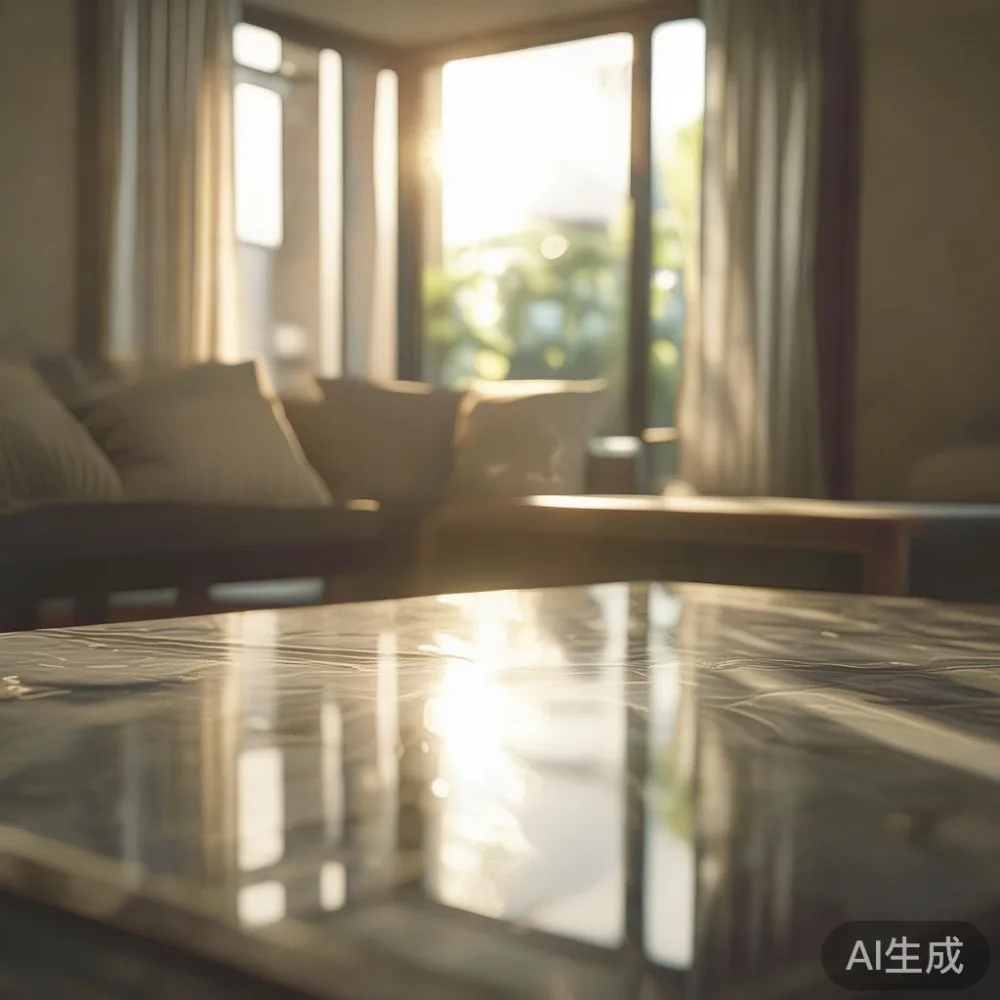
What Defines a Warm Minimal Interior?
Minimalism is often misunderstood as cold, sterile, or stark. However, the warm minimal approach is the antithesis of this. It embraces the 'less is more' philosophy but infuses the space with soul. The core idea is to reduce visual noise by focusing on high-quality, functional items and layering in warmth through materials, textures, and a soft, natural colour palette.
Think of your home as a canvas. The walls are a light, creamy white or a warm greige. The floor is a light-coloured wood or a polished concrete with a hint of warmth. The furniture is simple in form but rich in materiality. A solid wood sofa might have clean, angular legs but the upholstery is a soft, tactile fabric like linen or bouclé. This contrast is key. The colour palette is restricted, typically featuring off-whites, beiges, soft greys, and deep, earthy tones like charcoal or olive green. Accents of black or brass can be used sparingly to add definition and a touch of light luxury.
In the context of Singapore, where natural light is abundant but can sometimes feel harsh, warm minimalism helps to soften the feel. It creates a backdrop that is restful for the eyes after a long day. The style is not about a lack of objects, but about a deliberate curation of them. Every piece should have a purpose and contribute to the sense of calm. This approach is particularly effective in smaller spaces, as it prevents the room from feeling cluttered and makes it appear larger and more airy.
How to Choose the Right Marble Table for Your Living Space?
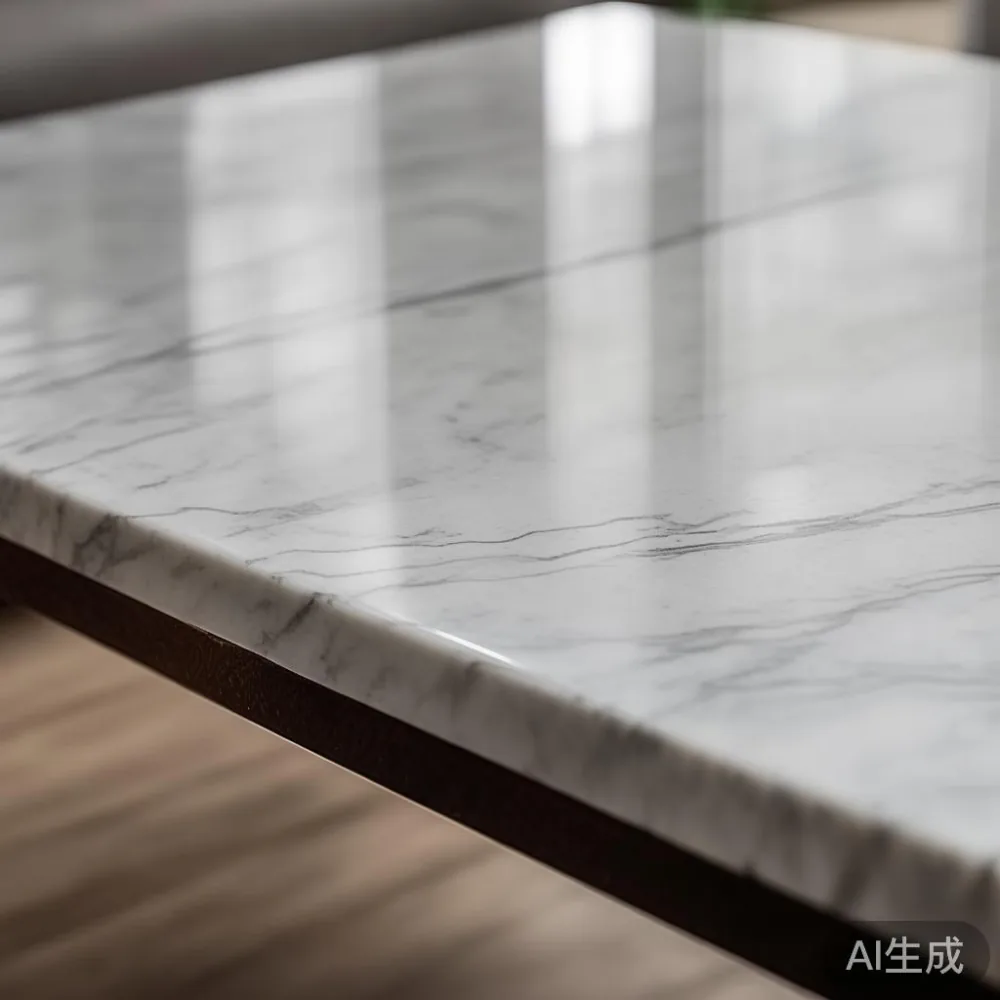
A marble table is a quintessential element in a warm minimal interior. It provides a stunning focal point without overwhelming the senses. The natural veining in the stone is a work of art, adding organic movement and a sense of luxury. When selecting a marble table, the key is to consider its scale, colour, and finish in relation to your room's dimensions and your existing furniture.
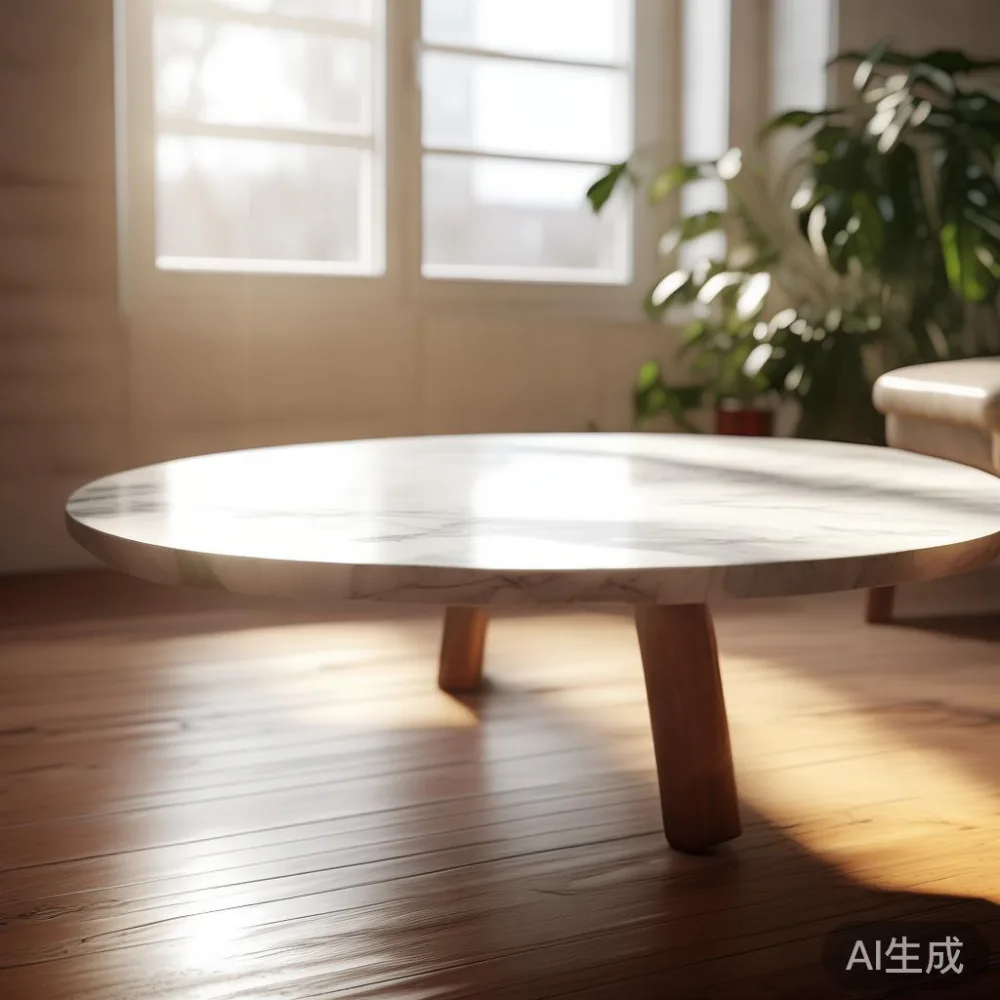
For a living room, a marble coffee table is an excellent choice. A round table, like the MIDHILL Ellipse model measuring 90cm in diameter, softens the angular lines of a modern sofa and encourages a more conversational flow. A rectangular table, perhaps 120cm by 60cm, offers a more structured look and is ideal for larger spaces. The colour of the marble is important. A classic Carrara or Statuario white with grey veining pairs beautifully with light wood tones and grey upholstery. For a bolder, more dramatic look, a Nero Marquina black marble with stark white veins can anchor a space with dark wood or charcoal accents.
In the dining area, the marble table becomes the centrepiece of the home. A solid wood dining table with a marble inlay, like a 180cm long table that comfortably seats 6, offers a perfect blend of natural textures. The cool, smooth surface of the marble contrasts with the warmth of the solid wood frame, creating a sophisticated and tactile experience. When placing a marble table, ensure there is at least 75cm of clearance per person for comfortable seating. In a typical Singapore HDB flat, where the dining area might be part of an open-plan living room, a round marble table can be a smart choice as it takes up less visual space and allows for easier movement around it. The weight of a marble table is also a consideration; a solid marble dining table can weigh over 100kg, so ensure your floor can support it and plan for delivery with a lift that can accommodate the dimensions.
European sofa vs Nordic sofa: Which Suits a Warm Minimal Home?
The sofa is arguably the most important piece of furniture in any living room. It sets the tone for comfort and style. In a warm minimal interior, the choice between a European sofa and a Nordic sofa can significantly impact the feel. Understanding the subtle differences is key to making the right selection.
A European sofa, particularly one with a French light luxury influence, often features more structured silhouettes and richer materials. Think of a solid wood sofa with a low-profile back and elegant, tapered legs. The upholstery might be a high-performance velvet or a premium leather in a muted tone like taupe or cognac. These sofas tend to be more substantial in form, creating a sense of grounded elegance. The lines are clean but not overly stark, often incorporating subtle curves or tufting that adds a touch of traditional luxury without being fussy. This type of sofa works beautifully in a larger condo living room in Bedok, where it can command attention without feeling out of place.
On the other hand, a Nordic sofa prioritises functionality, lightness, and a connection to nature. It is typically characterised by its simplicity, use of natural fabrics like cotton and linen, and light wood legs. A Nordic sofa will often feel more 'airy' and less imposing, making it an excellent choice for smaller HDB flats. The form is usually more boxy with clean, straight lines and minimal detailing. While both styles embrace minimalism, the European sofa leans into a more opulent, light luxury feel, whereas the Nordic sofa embraces a more rustic, understated charm. For a warm minimal look that feels both luxurious and approachable, a European sofa often provides the perfect anchor, offering the comfort and presence needed to balance the simplicity of the rest of the room.
How to Style a Light Luxury Wardrobe in a Small Bedroom?
The bedroom is a sanctuary, and the wardrobe plays a important role in maintaining a calm, uncluttered environment. Styling a light luxury wardrobe, such as a French provincial-inspired piece, in a small Singapore bedroom requires a strategic approach to maximise space and aesthetic appeal.
p>First, consider the layout. In many local homes, the wardrobe is built-in or occupies an entire wall. A freestanding wardrobe can be used to create a distinct zone within the room. A light luxury wardrobe often features elegant details like a brushed brass handle, a subtle cornice detail at the top, and panelled doors in a warm wood finish like oak or walnut. To ensure it fits perfectly, measure your available space carefully. A standard double door wardrobe is typically around 120cm wide and 60cm deep, but you can find slimmer designs at around 90cm wide for tighter spaces like those in older Tampines HDB units.
Next, think about the finish and integration. A wardrobe with a matte finish, such as a soft grey or a warm cream, will reflect light better and make the room feel larger than a high-gloss finish. To achieve a cohesive look, match the wardrobe's wood tone with other elements in the room, like a nightstand or the bed frame. For example, pairing a walnut wardrobe with a walnut-framed European light luxury bed creates a unified, sophisticated look. Inside the wardrobe, organisation is key. Use slimline hangers and drawer dividers to keep clothes neatly arranged. This not only makes the space more functional but also reinforces the minimalist principle of having a place for everything. A light luxury wardrobe should feel like a beautiful piece of furniture, not just a storage unit, contributing to the room's sense of calm and order.
European bed vs French provincial bed: Creating a Bedroom Sanctuary
The bed is the heart of the bedroom, and its style defines the space's character. The choice between a European bed and a French provincial bed can set a very different mood, both of which can be adapted to a warm minimal aesthetic.
A European bed, in the context of light luxury, is defined by its simplicity and high-quality materials. It typically features a low-profile platform base, often made from solid wood with a natural or stained finish. The headboard might be a simple, upholstered panel in a neutral fabric like linen, or a clean wooden design with no carving. This bed style is all about clean lines, functionality, and a sense of understated elegance. It pairs wonderfully with minimalist nightstands, perhaps a simple cube design made from the same solid wood as the bed frame. This creates a cohesive, harmonious look that feels modern and serene.
A French provincial bed, on the other hand, brings a touch of romanticism and classicism. It is characterised by its elegant, curved headboard, often with intricate carvings or an upholstered panel with button tufting. The frame is typically more ornate, featuring curved legs and detailed woodwork. While a traditional French provincial bed might feel too heavy for a minimal space, a modern interpretation can be perfect. Look for a piece with simplified lines, perhaps with a whitewashed finish or a soft grey stain, and a headboard with clean, elegant curves rather than overly ornate details. This softened version can bring a sense of warmth and luxury without cluttering the room. When styling a French provincial bed, keep the bedding simple with high-quality linens in solid colours to let the bed's unique shape be the star.
Is a Japandi Wardrobe Worth It for Singaporean Homes?
The Japandi style, a fusion of Japanese minimalism and Scandinavian design, has gained immense popularity for its emphasis on simplicity, natural materials, and functional beauty. A Japandi wardrobe is a key element of this style, but is it the right choice for a Singaporean home? The answer lies in its practicality and aesthetic alignment with local living conditions.
A Japandi wardrobe is defined by its clean lines, use of natural wood (often light oak or ash), and a focus on craftsmanship and sustainability. It typically features simple, flat-panel doors and discreet, integrated handles or push-to-open mechanisms. The aesthetic is one of quiet, understated luxury. For Singaporean homes, especially those with a Japandi or warm minimal theme, this type of wardrobe is an excellent choice. The light wood tones help to brighten smaller rooms, and the minimalist design prevents the wardrobe from feeling bulky. Its focus on high-quality, durable materials aligns with the desire for long-lasting furniture, a principle that brands like MIDHILL, with their 10-year structural warranty, embody.
However, the main consideration for a Japandi wardrobe in Singapore is practicality. The style often features open shelving or large, drawer-less compartments. While this is great for displaying folded clothes and creating a sense of space, it requires a high level of personal organisation. For those who prefer to hide away their belongings, a Japandi wardrobe might not be as practical as a more traditional enclosed wardrobe. The question of 'is a Japandi wardrobe worth it?' depends on your lifestyle. If you value a clutter-free environment, embrace the 'less is more' philosophy, and enjoy the beauty of natural wood, then a Japandi wardrobe is a fantastic investment. It not only serves its function but also acts as a beautiful piece of art that enhances the serene, warm minimal atmosphere of your bedroom.
Real-World Application: A Tampines Home Transformation
Theory is one thing, but seeing a concept in action brings it to life. Last month, I visited the home of my colleague, Mei, in her 4-room HDB flat in Tampines. She had recently moved in and was struggling to create a cohesive look that felt both spacious and warm. Her challenge was a long, narrow living room that opened into the dining area. She wanted to achieve a warm minimal aesthetic but wasn't sure how to arrange the furniture.
Together, we started with the largest piece: the sofa. We chose a light grey, solid wood sofa from a local supplier with low, slim legs to create a sense of openness. Its clean lines provided the minimalist base she wanted. Opposite the sofa, against a feature wall painted a soft greige, we placed a stunning black marble table. The table's 120cm length was perfect for the space, and its dark, dramatic veining created a beautiful contrast against the light walls and sofa, instantly becoming the room's focal point.
For the dining area, which flowed directly from the living room, we selected a solid wood dining table with a white marble inlay. This tied the two spaces together thematically. We paired it with six slim, upholstered chairs in a warm oatmeal colour to keep the look light and airy. The result was a smooth transition between the two areas. To add warmth without clutter, we introduced a single, large abstract painting above the sofa and a few potted plants with sculptural leaves. The space felt transformed. It was no longer just a long hallway of furniture; it was a sophisticated, harmonious home that perfectly embodied the warm minimal aesthetic. The total cost for the key furniture pieces was around SGD 4,500, excluding delivery. The entire process took about 6 weeks, from selection to final placement, with a 14-day return window offering peace of mind during the decision-making process.