The Silent Battle: How Singapore's Humidity Affects Your Marble Table and Solid Wood Furniture
Living in Singapore, where the air is thick with moisture and the climate is a relentless cycle of sun and rain, presents a unique challenge for homeowners. The lush greenery and tropical ambiance come at a cost, particularly for the furniture we bring into our homes. A beautiful marble table, a sturdy solid wood bed frame, or an elegant European light luxury wardrobe can quickly show signs of wear if not understood and cared for in our specific environment. This isn't about aesthetics alone; it's about the structural integrity and longevity of your investment. The constant humidity, often hovering between 70% and 90%, is an ever-present force that interacts with natural materials in predictable, yet sometimes surprising, ways.
Why Your Marble Table and Wood Furniture React to Humidity
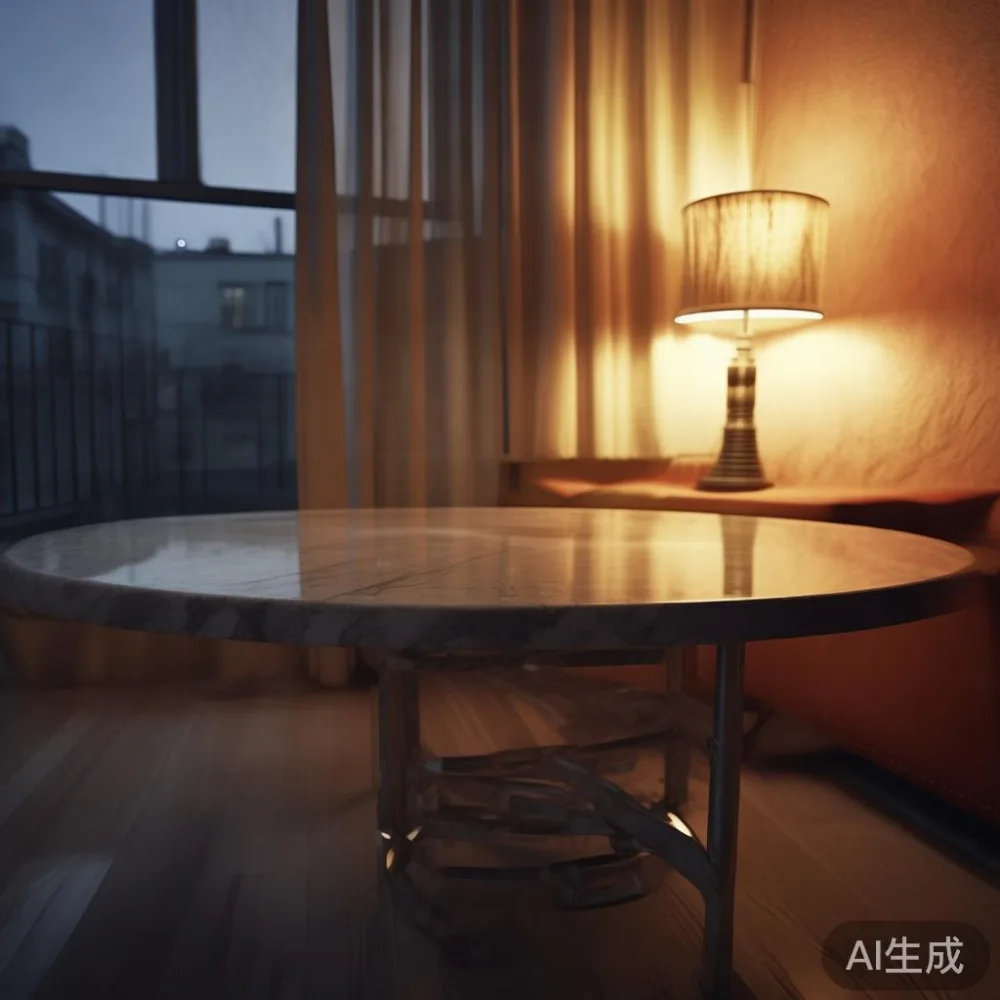
At its core, the issue is about moisture content. Wood is a hygroscopic material, meaning it naturally absorbs and releases water vapour from the surrounding air. In a place like Singapore, where the air is saturated, wood constantly absorbs moisture. This process causes the wood fibres to swell. Conversely, during a drier spell or when air-conditioning is running, the wood releases moisture and contracts. This continuous swelling and shrinking, known as movement, is the primary reason furniture can warp, crack, or lose its finish. A marble table, while not porous like wood, is not immune. The surface can develop a hazy appearance, and the stone itself can be affected by the humidity in the air, especially if the base is made of wood.
Consider the practical dimensions. A dining table measuring 180cm x 90cm might expand by 1-2mm across its width during the wet season. While this sounds minor, over years of this cycle, the stress on the joints can weaken them. For a solid wood sofa, the frame might experience more significant movement, leading to creaking sounds or a sagging feel. The problem is amplified in HDB flats and condos, where cross-ventilation can be limited, trapping humid air indoors. This is especially true in newer estates like Tampines or Punggol, where modern construction focuses on airtightness for energy efficiency, inadvertently creating a perfect incubator for humidity-related issues.
Visible Signs of Humidity Damage on Your Furniture
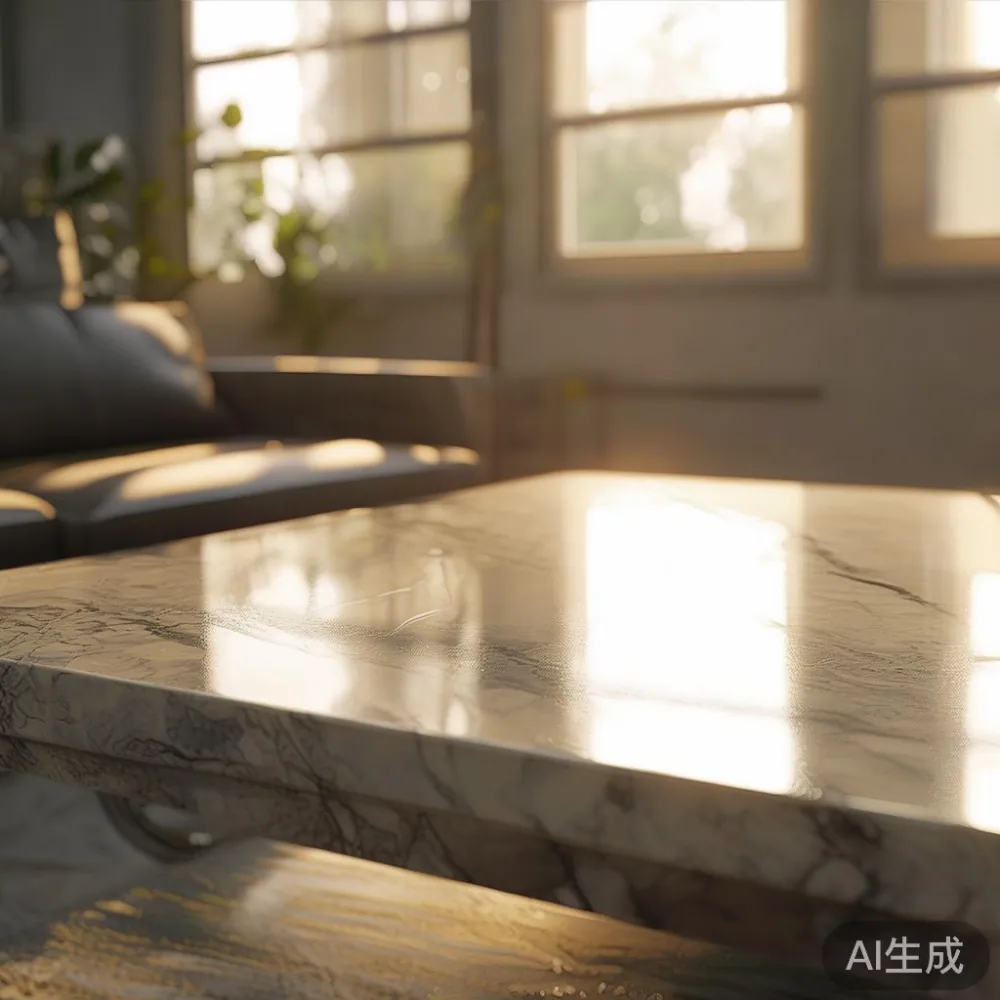
The effects of Singapore's climate on furniture are not always subtle. Learning to recognise the early warning signs can save you from costly repairs or replacements. The most common indicator is warping. This can manifest as a dining table top or a marble table surface bowing in the centre, leaving a distinct gap at the edges when you place a straight edge across it. Doors on a wardrobe or nightstand might begin to stick, rubbing against the frame as the wood swells.
Finishes are another casualty. The high humidity can cause the lacquer or varnish on a solid wood bed frame to turn milky or white. This is moisture trapped beneath the surface, a sign that the protective barrier has been compromised. You might also notice tiny cracks, known as checks, appearing on the surface of the wood, particularly on the end grains where moisture escapes most easily. For a marble table, the issue might be less about the stone itself and more about the wooden legs or base, which can swell and become misaligned, making the table wobble. My colleague, Sarah, who lives in a Bedok HDB flat, noticed her solid wood coffee table legs had become slightly splayed over two years. She initially thought it was poor craftsmanship, but upon inspection, we traced it back to the lack of air conditioning in her living room and the constant exposure to humid air.
How to Style a Japanese Wardrobe in a Humid Singapore Room
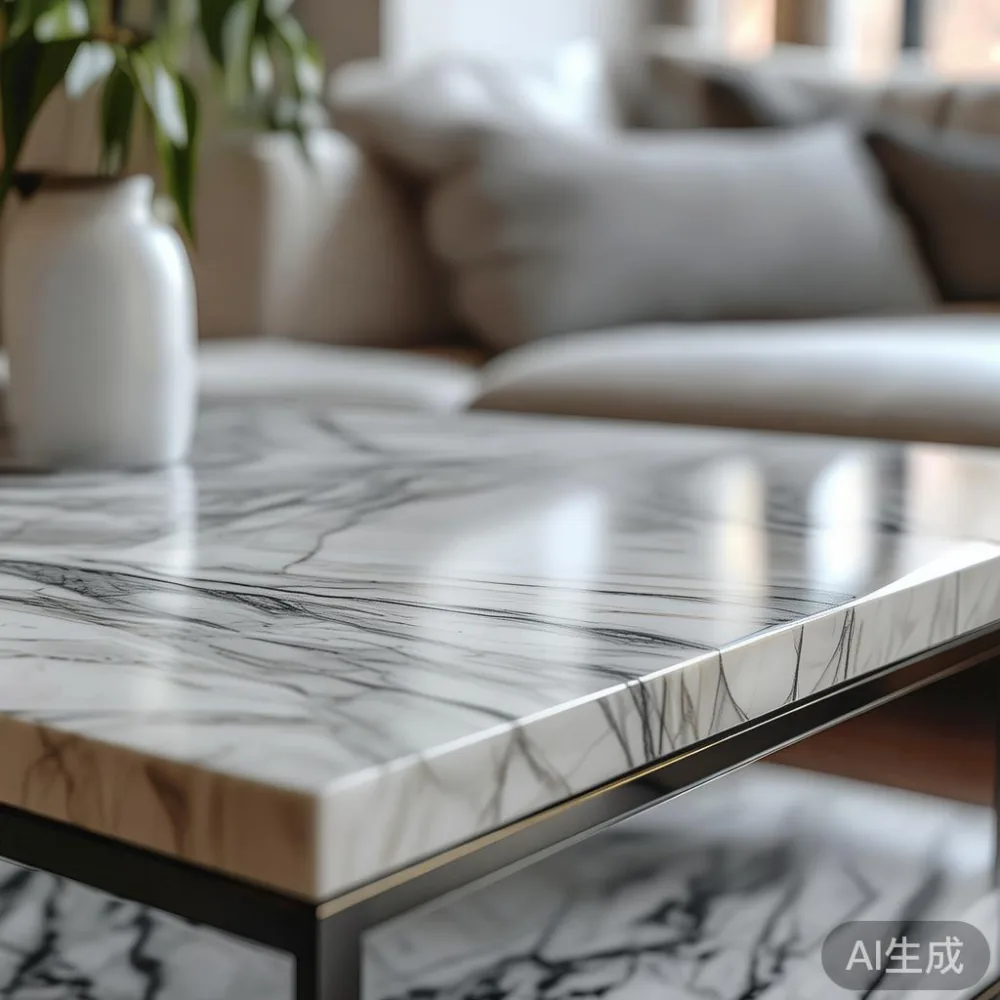
Integrating furniture like a Japanese wardrobe into a Singaporean home requires a thoughtful approach that balances aesthetics with practicality. The clean lines and minimalist aesthetic of a Japanese wardrobe are perfect for creating a sense of calm. To make it work in our climate, placement is key. Avoid placing it directly against an external wall, which can be damp, or in a corner with poor air circulation. Instead, position it in a spot where it receives some indirect airflow. This simple step can prevent the wood from absorbing excess moisture from a stale corner.
Styling the wardrobe itself can also help manage the micro-environment. Instead of pushing it flush against the wall, leave a 2-3cm gap at the back. This allows for air to circulate behind the unit, preventing moisture from getting trapped. The inside of the wardrobe is another critical area. Use moisture-absorbing silica gel packs or small dehumidifiers, especially for storing items like leather bags or woollen blankets which are sensitive to dampness. When thinking about how to style Japanese wardrobe in room, consider the materials of the other furniture around it. Pairing it with a marble table, for instance, creates a beautiful contrast of natural wood and cool stone, both of which benefit from a well-regulated environment.
Protecting Your Investment: Practical Care Tips
Protecting your furniture from humidity doesn't require expensive equipment or drastic lifestyle changes. It's about consistent, mindful habits. The first and most effective tool is the humble dehumidifier. Running a dehumidifier in the room where your most valuable furniture is kept, such as the bedroom with a solid wood bed frame or the dining area with a marble table, can make a world of difference. Aim to keep the indoor humidity level between 45% and 60%. A good quality dehumidifier can extract 20-30 litres of water from the air per day, significantly reducing the amount of moisture your furniture has to contend with.
Regular maintenance is non-negotiable. For wood furniture, use a high-quality furniture polish or oil every 3-6 months. This replenishes the natural oils in the wood and helps maintain a protective barrier against moisture. Always wipe up spills immediately with a dry cloth. For a marble table, clean it with a pH-neutral stone cleaner and dry it thoroughly with a soft towel to prevent water spots and etching. Pay attention to your air-conditioning. While it cools the room, it also acts as a dehumidifier. Ensure your AC unit is regularly serviced to operate efficiently. A simple habit of opening windows for 15-20 minutes daily in the early morning, when the air is drier, can also help refresh the indoor air without letting in too much moisture.
Is a Marble Table a Good Choice for Singapore's Humid Climate?
This is a question many homeowners ask when considering statement pieces for their dining or living areas. The answer is a nuanced yes. A marble table offers a timeless elegance that few other materials can match. Its cool surface is a welcome relief on a hot Singaporean day. However, the choice of marble is important. Opt for a honed or leathered finish rather than a high-gloss polish. A polished finish can show water spots and smudges more easily, whereas a honed finish has a matte appearance that is more forgiving and hides minor imperfections.
The real consideration with a marble table is its base. A solid wood base, while beautiful, will be subject to the same swelling and shrinking as any other wooden furniture. A better option for a humid climate is a metal or stone base, which is not affected by humidity. This combination—the beauty of marble on top with a stable, non-porous base below—is an excellent choice for Singapore. When sourcing a MIDHILL coffee table with a marble top, for instance, paying attention to the construction of the base is as important as admiring the top. The table should feel stable and not wobble, which is a sign of a well-constructed piece designed to handle environmental changes.
Making Smart Furniture Choices for Your Home
When shopping for furniture in Singapore, being an informed consumer means asking the right questions about construction and materials. The term wholesale light luxury furniture often refers to pieces that offer high-end design at a more accessible price point. These can be excellent choices, but you must look beyond the style. Inspect the furniture for signs of quality craftsmanship. Drawers should dovetail joints, not just nailed or stapled. Doors should close smoothly without binding. Solid wood construction is preferable to veneered MDF, as it can withstand movement better, even if it requires more care.
Understanding the differences between styles can also guide your choice. The debate between an American bed vs French provincial bed often comes down to scale and ornamentation. An American bed might be larger and more substantial, while a French provincial bed is often more ornate. Both can be made from solid wood, but the key is to choose a reputable brand that understands the local climate. For example, a well-made Japanese bed vs Japandi bed might share a similar low-profile aesthetic, but the Japandi style, a fusion of Japanese and Scandinavian design, often incorporates more textiles and lighter woods, which might require a more controlled environment than a traditional, solid wood Japanese bed frame.
Price is another factor. While you might find cheap Mid-century modern furniture online, these pieces are often mass-produced with lower-quality materials that may not fare well in Singapore's humidity. A solid wood dining table might cost SGD 2,500 to SGD 5,000, but it's an investment that can last for decades with proper care. In contrast, a cheap alternative might warp within a year or two. Remember to factor in costs like delivery (many reputable stores offer free shipping over SGD 350) and the 9% GST. A 14-day return policy is also a good indicator of a seller's confidence in their product's quality and suitability for the local climate. A brand that offers a 10-year structural warranty demonstrates a deep understanding of how furniture should perform over time in various conditions, providing peace of mind for the long term.