The Silent Enemy: How Humidity Affects Your Marble Table in Singapore
Singapore is a city of marvels, a tropical paradise where the air is thick with the scent of frangipani and the sound of life never ceases. We work through our HDB flats in Tampines, our condos in Punggol, and our busy corridors with a sense of pride and belonging. We understand the rules of our lift widths, the timings of our GST sales, and the value of a good deal. But there's a silent, ever-present force in our homes that we often overlook: humidity. For owners of fine furniture, particularly a stunning marble table, this constant moisture in the air can be a subtle but persistent adversary.
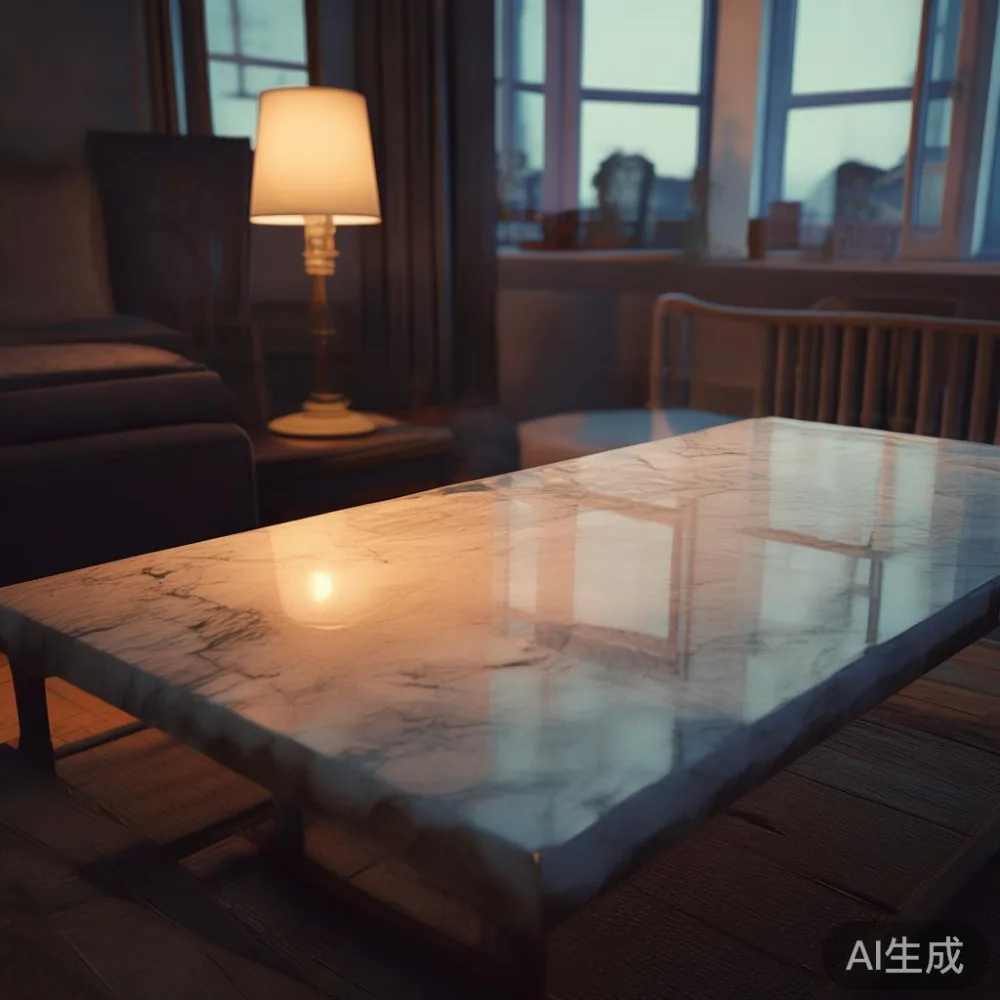
What Exactly is Humidity and Why Does It Matter in Singapore?
Humidity, at its simplest, is the amount of water vapour present in the air. In Singapore, this isn't a seasonal issue; it's a year-round reality. The island's average relative humidity hovers between 70% and 90%, a level that can feel like a damp blanket on your skin. For a piece of furniture, especially one made of natural materials like wood and stone, this constant exposure to moisture is a significant environmental factor.
A marble table, for instance, is not just a flat surface. It's a composite of natural minerals pressed and formed over millennia. While it is incredibly hard and durable, it is not immune to its surroundings. Similarly, the solid wood legs or base supporting your marble table are living materials. They expand and contract with changes in humidity. Understanding this dynamic is the first step in protecting your investment and ensuring your furniture retains its beauty for years to come.
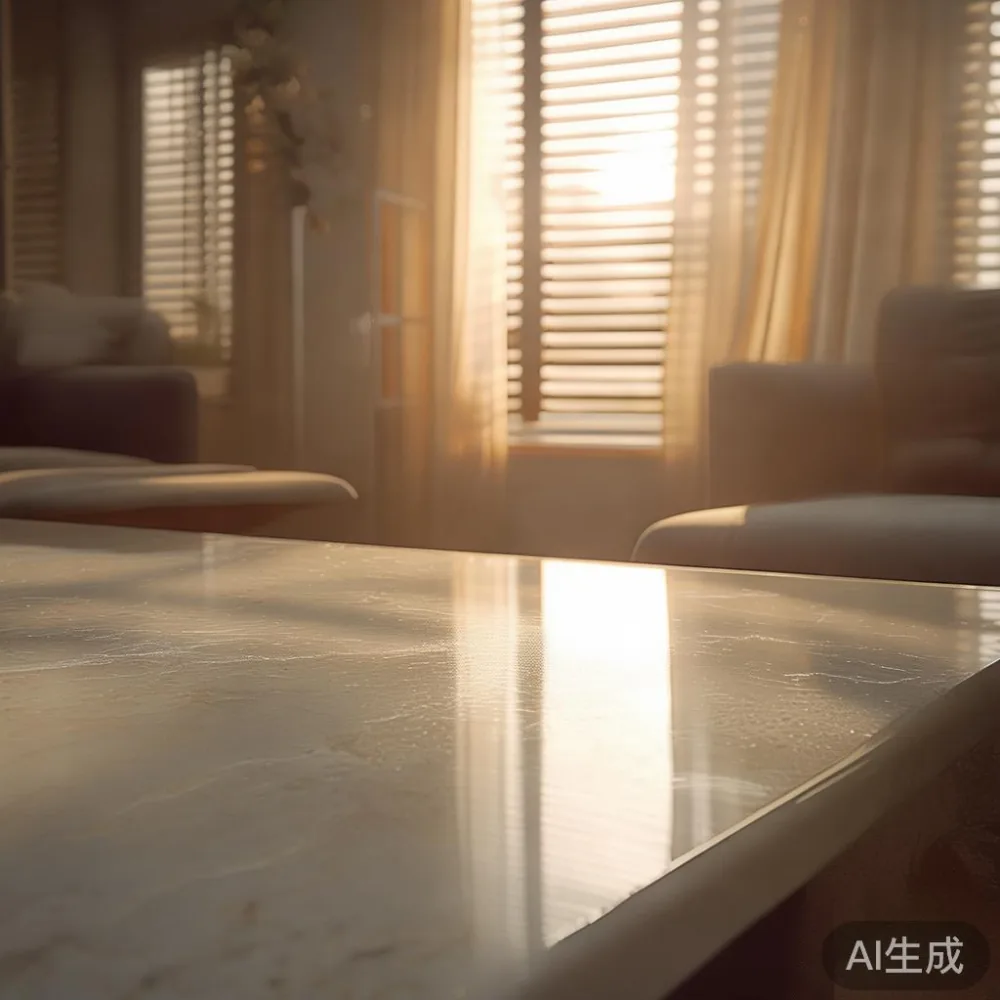
How Humidity Affects the Different Parts of Your Marble Table
The impact of humidity is not uniform across a marble table. The materials involved—stone and wood—react in different ways, creating a complex interplay that can affect the table's integrity and appearance.
Let's start with the marble top. Marble is a porous stone, meaning it has tiny, microscopic holes that can absorb liquids and moisture from the air. In a high-humidity environment like Singapore, this constant, slow absorption can lead to subtle changes. The surface might feel slightly cooler to the touch, and over a very long period, the stone's colour can deepen or develop a subtle patina. While many people appreciate this natural ageing, it's important to be aware of it. Spills, from a morning coffee to an evening wine, become more problematic in humid conditions as the porous stone absorbs liquids faster, potentially leading to stains that are more difficult to remove.
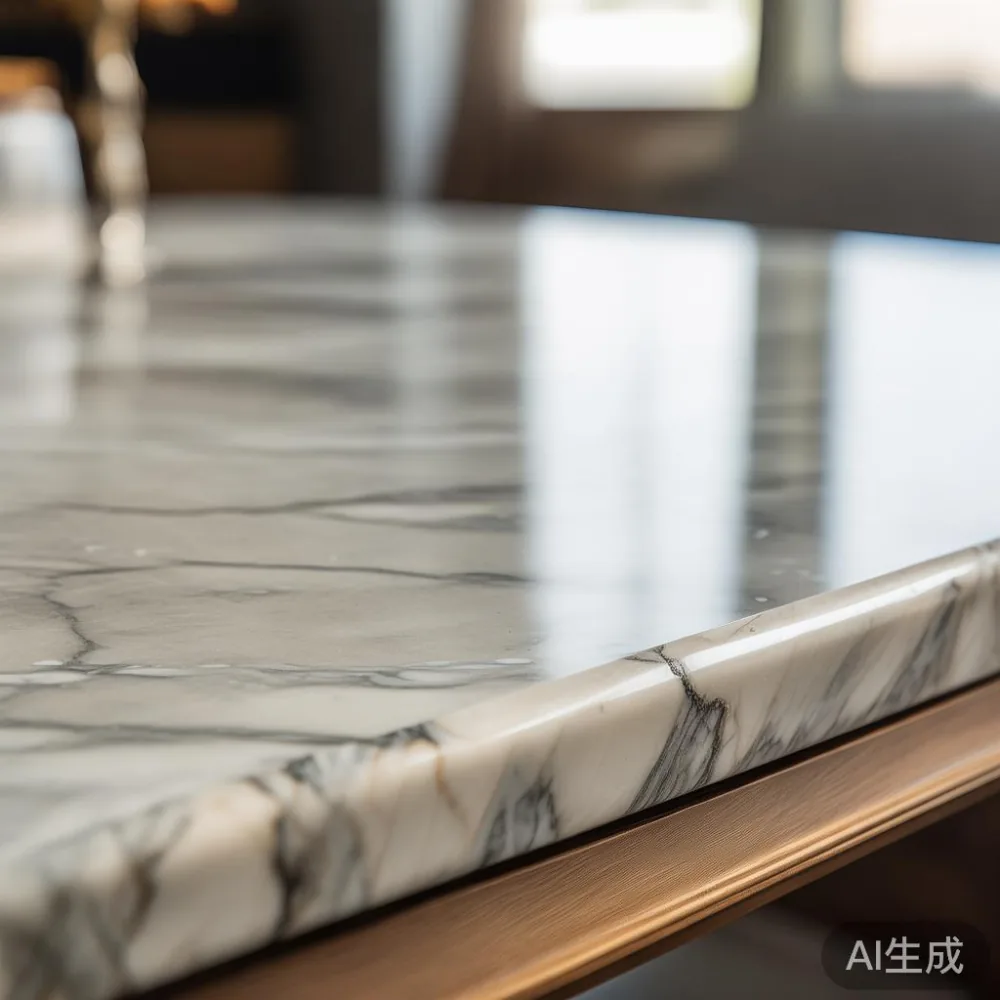
The wooden components of the table, such as the legs, apron, or any inlays, face a different challenge. Wood is hygroscopic, meaning it absorbs and releases moisture from the air to balance itself with the surrounding environment. When the humidity is high, as it is in Singapore for most of the year, wood absorbs moisture and swells. Conversely, during the occasional drier periods or when air-conditioning is running constantly, it releases moisture and shrinks.
This constant cycle of expansion and contraction can cause several issues. A solid wood base might swell to the point where it binds against the marble top, creating stress points. The finish on the wood, which protects it, can become compromised as the wood fibres move underneath it, leading to fine cracks or a cloudy appearance. In extreme cases, poorly constructed furniture might even develop structural weaknesses, with joints loosening or warping. This is why a 10-year structural warranty, like the one offered by some manufacturers, provides significant peace of mind for homeowners dealing with these environmental challenges.
How to Protect Your Marble Table in Singapore's Climate
Living with high humidity doesn't mean you can't enjoy beautiful furniture. It simply requires a little more attention and care. Protecting your marble table is about managing the environment and the material itself.
First, consider your home's climate control. Air-conditioning is your best friend. While it cools the air, it also acts as a powerful dehumidifier, pulling moisture from the air and creating a more stable environment for your furniture. Try to maintain a consistent temperature and humidity level in the room where your marble table is located. Avoid placing the table directly in front of an air-conditioning vent, as the rapid, cold air can cause localized condensation and uneven drying, which is just as harmful as high humidity.
Second, regular maintenance is key. For the marble top, a simple routine of wiping it down with a soft, damp cloth followed by a dry microfiber cloth can prevent the buildup of grime and dust, which can trap moisture. Every few months, consider applying a high-quality marble sealer. This creates a protective barrier on the stone's surface, significantly reducing its porosity and making it more resistant to stains and moisture absorption. A good sealer can last for 1-2 years with proper care.
For the wooden parts, dusting is important. Dust can hold moisture against the wood's surface. Use a soft, dry cloth or a brush with natural bristles to keep the wood clean. Avoid using harsh chemical cleaners or excessive water, which can seep into the wood and damage the finish. If you notice the wood looking dry, a high-quality furniture polish or oil can help nourish the wood and restore its lustre, creating a protective layer that helps buffer it from the ambient moisture.
What Kind of Marble Table is Best for Singapore's Humidity?
When selecting a marble table for a Singaporean home, the choice of marble and the construction of the base are critical factors. Not all marbles are created equal, and the same goes for the wood and craftsmanship used in the table's frame.
Marble comes in two main types: polished and honed. A polished finish has a high sheen and is very smooth. While beautiful, it can show water spots and fingerprints more easily. A honed finish has a matte, soft-sheen appearance. It is less reflective and tends to hide minor imperfections and water marks better, making it a more practical choice for everyday family life in a humid climate. For instance, a honed Calacatta Gold or Carrara marble can add a touch of understated elegance to a condo in Bedok without the high maintenance of a polished surface.
The base of the table is equally important. Look for tables made with high-quality, kiln-dried solid wood. The kiln-drying process removes excess moisture from the wood before it is crafted into furniture, making it more stable and less prone to warping in response to humidity changes. The construction should be solid, with mortise and tenon joints or other sturdy joinery methods that can withstand the natural movement of the wood. A poorly made table with glued and screwed joints will quickly fail in Singapore's climate. The weight of the marble top, often between 40 kg and 80 kg depending on size and thickness, puts significant stress on the base, so solid construction is non-negotiable.
Another consideration is the design of the table. A table with a solid wood apron connecting the legs might look classic, but it has more surface area to expand and contract. A pedestal base, where a single central column supports the top, can be a more stable option as it has fewer joints exposed to the humidity. The choice between these designs often comes down to personal style and the specific layout of your space, including the width of your corridor for delivery. A standard dining table is usually 75-90 cm wide, but ensure the path to your dining area is clear.
Is a Marble Table a Practical Choice for My HDB Flat?
This is a question many homeowners in Singapore ask themselves. The aesthetic appeal of a marble table is undeniable—it brings a sense of light luxury and sophistication to any dining room. But the practical concerns, especially regarding humidity and maintenance, are valid. The answer is a qualified yes, but with the right approach.
A marble table can be a very practical choice, provided you select the right piece and are prepared to care for it. The key is to move beyond the idea that furniture is purely decorative and see it as an investment in your home's environment. The initial cost of a quality marble table can range from SGD 1,500 to over SGD 5,000, depending on the size, type of marble, and craftsmanship. This is a significant purchase, so it's wise to protect it.
Think about your lifestyle. If you have young children or frequently host large gatherings, a honed finish might be more forgiving than a polished one. If you live in an older HDB flat with less consistent air-conditioning, a table with a more stable, solid wood base becomes even more important. The practicality also extends to logistics. A marble table is heavy and fragile. Delivery from a reputable company like MIDHILL, which offers free shipping for orders over SGD 350 and a 14-day return window, ensures your furniture arrives safely and gives you peace of mind during the decision-making process.
Ultimately, a marble table is not just a piece of furniture; it's a centrepiece for your home. It's where family meals are shared, where friends gather for conversations, and where memories are made. The slight patina it develops over the years, a proof of its life in your home, can become part of its charm. By understanding the effects of humidity and taking simple, proactive steps to protect it, your marble table can remain a beautiful and functional part of your Singaporean home for a lifetime.
Real Experiences: One Homeowner's Journey with a Marble Table
Nothing is more telling than a real-world experience. Last month, I visited the home of my colleague, Priya, who lives in a lovely three-room HDB flat in Tampines. She had recently purchased a stunning marble table from a well-regarded brand, and she was eager to show it to me. The table was a beautiful modern light luxury piece, with a sleek white marble top and a dark walnut base. It was the focal point of her dining area, looking both elegant and inviting.
"It's my dream table," she told me, "but I was so worried about the humidity. I read so many things online about marble staining and wood warping." Her concerns were valid. I asked her about her care routine. She explained that she wipes the table down after every meal with a soft cloth and makes sure to dry it immediately. She also runs her air-conditioning in the dining room most of the day, which she says has made a huge difference. "The wood feels stable, and the marble hasn't had any issues, even during the rainy season," she said.
Her experience highlights a simple truth: with the right information and a little care, a marble table can thrive in a Singaporean home. She had done her homework, chosen a quality piece, and established a simple maintenance habit. Her story is a perfect example of how practicality and beauty can coexist, proving that a marble table can be a cherished part of your home for years to come.
Conclusion: A Beautiful Partnership Between Furniture and Environment
Living in Singapore means embracing a unique set of environmental conditions. High humidity is not a flaw to be eradicated but a reality to be managed. For furniture, particularly a statement piece like a marble table, this management is key to preserving its beauty and function.
By understanding how humidity affects both the marble and the wood, you can make informed choices about the type of table you bring into your home. Regular, simple care routines can prevent most issues before they start. And with the support of reliable warranties and delivery services, you can enjoy your furniture without the stress of potential problems. A marble table is more than just a surface; it's a long-term companion in your home's story, and with the right care, it will continue to grace your HDB flat or condo with its light luxury presence for decades.