Veneer vs Solid Wood Over 5 Years: A Practical Singapore Cost Comparison
Furniture shopping in Singapore often starts with a simple visual: the warmth of timber, the clean lines of a marble table, and the question of how much the piece will cost to own. For a HDB flat in Tampines, a compact condominium in Bedok, or a new home in Punggol, the decision between veneer and solid wood can influence not only the purchase price but also the furniture’s long-term appearance, repair needs, and resale value.
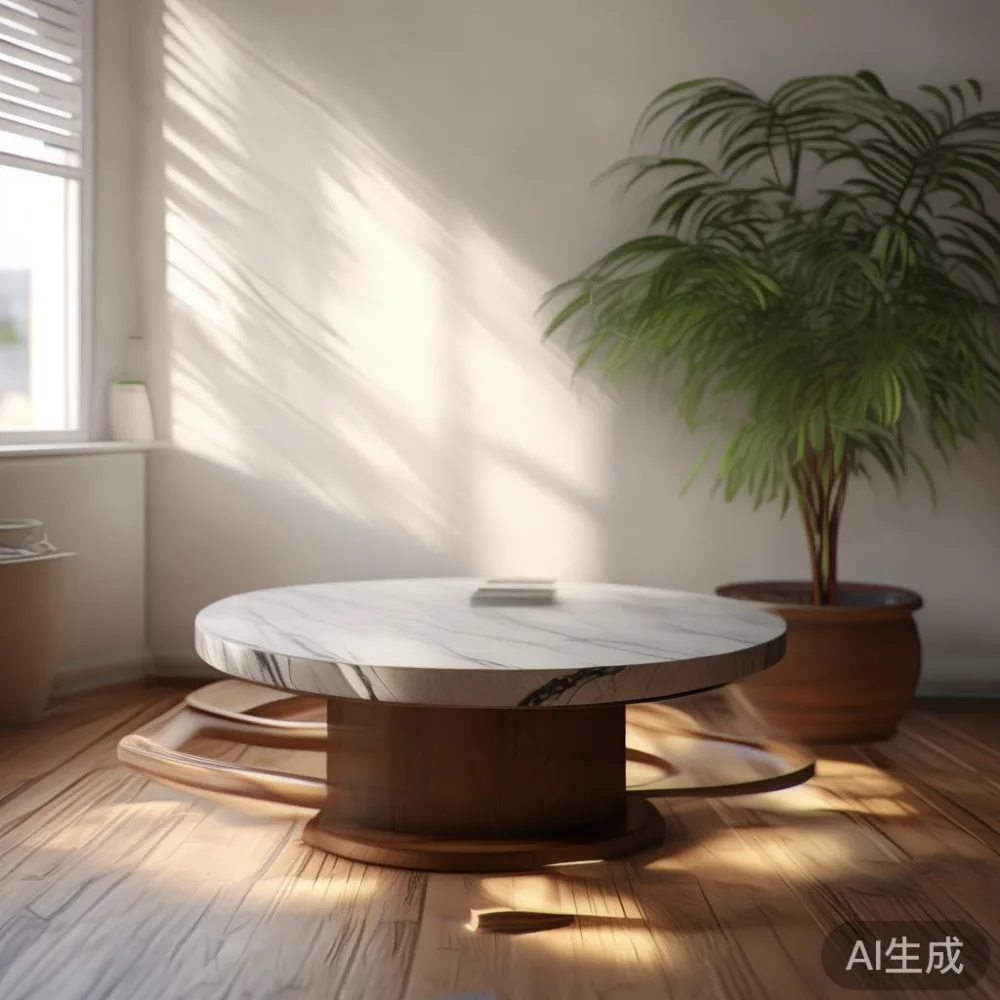
This comparison follows one common 5-year ownership period. I use a dining table as the main example, then apply the same reasoning to a wardrobe, bed frame, nightstand, and solid wood sofa. Marble remains a surface choice rather than a wood construction choice, so a marble table may combine a marble top with a solid wood or engineered base. Prices are shown in SGD, include an assumed 9% GST where relevant, and use Singapore delivery assumptions of 7 to 14 working days after production confirmation.
For Singapore interiors, the practical question is not simply whether one material looks more luxurious. It is whether the construction suits the home’s dimensions, humidity, lift access, maintenance habits, and expected level of daily use.
What is the difference between veneer and solid wood over 5 years?
Veneer is a thin layer of real timber, usually about 0.3 mm to 1.2 mm, bonded to a core board such as MDF or plywood. The visible face is genuine wood, but the panel beneath it is manufactured. Solid wood furniture uses timber throughout the structural components, often with hardwood species such as oak, ash, walnut, or teak. The exact construction varies between makers, so the product specification matters more than the broad label.
For this comparison, I assume a dining table with a top measuring 180 cm by 90 cm, a height of 75 cm, and an estimated assembled weight of 48 kg for veneer and 62 kg for solid wood. The solid wood table is more demanding to carry into a HDB lift and along a narrow corridor. A lift car of 90 cm by 140 cm may accept the table in a protected diagonal position, but the 180 cm top may need to be turned vertically. Residents should measure the route before ordering, especially in older blocks where corridor widths are approximately 100 cm to 120 cm.
Over 5 years, the total cost includes more than the invoice. I add delivery, basic assembly, expected refinishing, repair reserve, and a replacement reserve for a damaged top. I do not count personal time at an hourly rate, since that would differ between readers. I also exclude electricity and insurance.
The table below compares two representative dining tables. The figures are planning estimates, not quotations, and the final price changes with timber, finish, dimensions, and custom work.
Veneer dining table estimate: SGD 1,450 including 9% GST; delivery SGD 80; assembly SGD 90; one controlled refinishing at SGD 260 in year 4; repair reserve SGD 180; replacement reserve SGD 400. The estimated 5-year cash cost is SGD 2,460, excluding personal labour.
Solid wood dining table estimate: SGD 2,350 including 9% GST; delivery SGD 120; assembly SGD 120; one refinishing at SGD 380 in year 3; repair reserve SGD 150; replacement reserve SGD 300. The estimated 5-year cash cost is SGD 3,420, excluding personal labour.
On this model, veneer costs about SGD 960 less over 5 years, or roughly SGD 192 per year. Solid wood has a higher initial price but can retain timber character when maintained, while veneer can make more efficient use of expensive timber. Neither outcome is automatic: moisture exposure, direct sunlight, and poor care can shorten the life of either surface.
How much should I budget for a dining table in Singapore?
A practical dining table budget for a Singapore apartment begins around SGD 900 for a simpler veneer model and rises to about SGD 1,800 for a larger engineered table with a stone or marble top. A solid wood dining table commonly ranges from SGD 1,700 to SGD 3,500, depending on species, joinery, edge profile, and whether the top is solid throughout.
For a 4-person home, a 140 cm by 80 cm table can be more comfortable than a 180 cm by 90 cm table if circulation space is limited. A 6-person home may need 180 cm by 90 cm. The table should sit at least 75 cm from a wall or major obstruction. In a compact HDB dining area, the open route from the kitchen to the lift should remain approximately 90 cm wide whenever possible.
Marble changes the comparison because the top is not repaired in the same way as timber. A marble table may use a 20 mm to 30 mm stone slab with a timber or metal base. Marble is valued for its veining and cool visual effect, but it can stain, chip, and crack if struck. A sealed, professionally installed top with a stable base is more practical for everyday meals than a thin decorative slab placed on an unsuitable support.
For local buyers, the 5-year cost should include edge treatment and stone maintenance rather than assuming a timber refinishing cycle. Budget approximately SGD 150 to SGD 350 for a professional clean, polish, or minor repair during the period, depending on the finish and use. A round marble table with a 120 cm diameter may fit more easily into a lift than a rectangular 180 cm top, although its weight still needs checking.
MIDHILL’s approach is relevant here because a furniture maker serving international customers must account for packaging, handling, and regional delivery conditions. A project arriving in Singapore may require an additional 3 to 7 days for final inspection or delivery coordination. For a marble table, the packaging should separate the stone from the base and clearly identify the lifting points.
Is solid wood cheaper to maintain than veneer?
Not necessarily. The repair cost depends on the damage and on whether the piece has a replaceable component. Veneer can be sanded and refinished several times when the substrate remains sound, although deep moisture damage may require a panel replacement. Solid wood can also be sanded, but the available thickness is often limited. A large surface repair on a solid wood table can therefore cost more in labour than a similar repair on a well-made veneer table.
Singapore’s humidity makes controlled care important. Relative humidity often changes through the day, particularly in air-conditioned rooms and near windows. A stable indoor environment around 40% to 65% relative humidity reduces movement in timber. Avoid placing a dining table directly against a wet kitchen backsplash, beside a laundry tub, or under an open window with persistent condensation.
Use coasters and trivets rather than damp rings. Wipe veneer with a slightly damp cloth and dry it immediately. For solid wood, clean with a pH-neutral product suitable for the finish. For marble, use a neutral stone cleaner and avoid acidic liquids such as lemon juice or vinegar. A simple maintenance budget of SGD 20 to SGD 40 per month for a dining table and marble table set is reasonable for a 5-year plan, but the table above uses larger one-off service reserves.
Solid wood may show small marks and colour variations as it ages, giving it a lived-in appearance. Veneer may have more uniform colour across a large panel, yet the colour can become flat when an old finish wears away. For buyers who want natural variation and can accept minor changes, solid wood offers a distinctive material story. For buyers who want a consistent visual and easier replacement planning, veneer may be more manageable.
The important point is to compare equivalent products. A low-cost solid wood table with a thin top and poor joinery should not be compared with a reinforced veneer table using premium hardware. Ask for the core material, veneer thickness, solid wood components, joint construction, finish type, and warranty terms before making the calculation.
Can a marble table be paired with either material?
Yes, but the base needs to be judged separately from the stone. A marble table with a solid wood base can provide warmth against a cool top, while a marble table with a powder-coated metal or engineered base can suit a more restrained apartment. The base must resist long-term loading and keep the stone supported along its intended contact area.
For a 180 cm by 90 cm marble table, a base with at least 4 legs and a centre support may be more stable than two simple end panels. The maker should explain the maximum load, the recommended fixing method, and whether the top is supplied separately. A heavy stone top may weigh between 70 kg and 140 kg depending on thickness and dimensions, so two-person delivery or professional handling can add SGD 80 to SGD 250.
For a Modern light luxury for apartment scheme, I would choose a lightly veined marble top with a slim oak or walnut base, provided the proportions remain practical. For French light luxury, a pale stone top, softened edges, and warm timber create a gentler room. American light luxury often uses a substantial stone surface with a simple architectural base. The style label does not change the 5-year cost, but it influences the weight, edge profile, hardware, and maintenance expectations.
When I visited a client’s Bedok condominium last month, I tested a 140 cm marble table with a solid oak base and compared its stability with a similar veneer-base version. The solid wood base felt more rigid during the check, but the key issue was installation: the marble arrived in 2 cartons, and the narrow corridor required careful turning. The client’s total installed cost was SGD 2,180, including delivery and assembly. The lesson was practical. The best material choice still had to work with the route from the service lift.
What does a 5-year cost comparison look like for other apartment furniture?
The dining table is only one part of a home. A wardrobe and bed frame often have a greater effect on the purchase budget, while a nightstand and solid wood sofa affect daily comfort and appearance. These products can contain both veneer and solid wood, so the comparison should focus on the structural parts rather than a blanket claim.
For a wardrobe with 3 doors and internal shelving, a veneer model may cost SGD 1,250, plus SGD 150 delivery and SGD 180 assembly. Add SGD 220 for refinishing and SGD 200 for a repair reserve over 5 years, giving an estimated SGD 2,000. A comparable solid wood wardrobe may cost SGD 2,300, plus SGD 180 delivery, SGD 220 assembly, SGD 280 refinishing, and SGD 180 repair reserve, giving an estimated SGD 3,160. The difference is about SGD 1,160 before personal labour.
For a queen bed frame, assume SGD 950 for veneer, SGD 2,000 for solid wood, and delivery of SGD 90 to SGD 130. A 5-year budget including assembly and minor repairs would be around SGD 1,280 for veneer and SGD 2,390 for solid wood. When comparing an American bed vs Mid-century modern bed, buyers often focus on the headboard shape, but the more important issue in a 3-bedroom HDB flat is the clear floor area. A queen mattress measures about 152 cm by 191 cm, so the bed frame should allow at least 60 cm beside the main side where possible.
A nightstand may cost SGD 280 in veneer and SGD 480 in solid wood. The difference is modest over 5 years, so the material can be chosen according to touch, drawer movement, and finish. A small 45 cm wide nightstand weighing 12 kg to 18 kg is easier to move through a corridor than a large marble table.
A solid wood sofa is a different purchase. A 2-seater with a timber frame may range from SGD 2,200 to SGD 5,000, while a veneer or engineered-frame version may range from SGD 1,400 to SGD 3,800. Over 5 years, include fabric cleaning, frame inspection, and cushion replacement reserves. For a lightly used sofa, set aside roughly SGD 350 for cleaning and SGD 500 for one cushion or firmness adjustment. These amounts are more meaningful than assuming that a frame will never need attention.
For buyers researching under 2000 Mid-century modern furniture, the phrase is easy to find but the dimensions need checking. A tapered leg, walnut-toned finish, and clean silhouette can create the look within a compact budget, yet a 220 cm sofa may be too wide for a Punggol living room. Measure the room, the television console, and the lift route before choosing the seat width.
For the Japandi for dining room style, pair a 160 cm to 180 cm table with uncluttered chairs, warm neutral walls, and one textured pendant light. Solid wood may suit a natural timber treatment, while veneer can provide a controlled colour match. A marble table can introduce contrast, but its visual weight should be balanced with simple furniture and 2700K to 3000K lighting.
Which option gives better long-term value in a Singapore home?
Value depends on the expected holding period, the room, and the buyer’s priorities. If the furniture will stay in one HDB flat for 2 to 3 years and then move, veneer may lower the initial and transport cost. If the owner expects to keep a solid wood dining table, wardrobe, or bed frame for 8 to 10 years and values refinishing, solid wood can be economically attractive despite the higher starting price.
Here is a simple guide for comparing quotations over 5 years:
Calculation: purchase price including GST + delivery + assembly + planned refinishing + repair reserve + expected replacement cost. Subtract any resale estimate only if you are confident the piece will sell and the deduction is supported by a local resale value rather than a wish.
For the example dining table, veneer gives an estimated cost of SGD 2,460 over 5 years, compared with SGD 3,420 for solid wood. If the veneer table must be replaced in year 5 because of moisture damage, the comparison changes. If the solid wood table can be refinished for SGD 380 and continue in use, its effective annual cost may be lower than the initial gap suggests.
Consider the warranty as part of the calculation, but read the terms carefully. MIDHILL provides a 10-year structural warranty on eligible furniture, while lifetime refinishing support is a service commitment with conditions attached. Ask for the written definition of structural coverage, the process for making a claim, and the expected response time. A warranty without clear documentation offers less protection.
Singapore buyers should also compare the practical service promises that affect the total cost. MIDHILL offers free shipping above US$350, but an international threshold is not the same as a Singapore delivery quote. Confirm the local landed cost, GST, delivery days, return conditions, and whether a heavy marble table requires special handling. The stated 14-day return period should be checked against the product category and the condition required for return.
Do not let a low headline price hide delivery surcharges. A 62 kg solid wood dining table may need a scheduled two-person delivery in Singapore, while a 48 kg veneer table may fit a standard service. That can create a difference of SGD 70 to SGD 180 before the furniture even reaches the flat.
How do I choose between veneer and solid wood before ordering?
Start with the use, not the material label. A dining table needs a stable top, a base that resists wobble, and a finish that can be maintained. A wardrobe needs reliable hinges, drawer runners, hanging space, and panels that do not warp. A bed frame needs solid support at the centre and correct slat spacing. A nightstand needs a drawer that closes quietly. A solid wood sofa needs a frame that remains stable under daily sitting, plus comfortable cushions and removable covers.
Ask for a drawing with dimensions, the species or veneer name, core material, thickness, and weight. For solid wood, confirm whether the top, rails, and legs are solid or whether only visible surfaces are solid. For veneer, request the veneer thickness and substrate specification. For a marble table, request the stone thickness, base construction, edge treatment, and installed weight.
Then measure the home. Record the lift door width, lift car dimensions, corridor turns, stair width, and the location of the dining area. Allow a delivery buffer of 10 cm to 20 cm around the planned route when a table can be tilted or turned. A 180 cm rectangular top should not be ordered solely because it looks generous in a showroom.
Consider finishes. Water-based matte finishes are often easier to repair than thick gloss coatings, but they still need sensible care. Natural oil finishes may need more frequent attention, especially around a dining table. Marble sealers can reduce staining, although they do not make the stone immune to impact. Request a sample and test it in the actual room if possible.
For the best European light luxury bed for 2026, buyers should compare frame construction, slat support, noise control, and mattress clearance with decorative details. For the best American wardrobe for 2026, internal organisation and door alignment can matter more than the exterior finish. These searches often lead to many options, but the purchase decision becomes clearer when every quotation includes the same cost categories.
Finally, compare the full 5-year cash plan. A table at SGD 1,450 with SGD 470 of likely service and reserve costs may be more sensible than a table at SGD 1,950 with almost no maintenance allowance. A table at SGD 2,350 with solid construction may be worthwhile if it will be refinished and used for a decade. The right choice is the one that fits the room, the household routine, and the expected ownership period.
For a Singapore home, solid wood offers tactile character and repair potential, while veneer can deliver a controlled appearance at a lower cash cost. Marble adds a strong focal point but brings weight and specialist handling. Measure the route, request clear specifications, include GST and delivery in the total, and plan for maintenance before signing. That way, the 5-year comparison reflects the furniture you will actually live with, not just the item shown in the catalogue.