Solid Wood, Marble and Light Luxury: What Really Determines the Price?
Furniture prices can look deceptively simple online: compare two solid wood dining tables, and one appears to offer more value than the other. In reality, price is shaped by timber grade, construction, finish, hardware, dimensions, weight, delivery constraints and the level of detail demanded by the design. The same applies to a marble table, a solid wood sofa, a bed frame, a wardrobe and a nightstand.
This guide explains the cost factors in practical terms, with examples relevant to Singapore HDB flats and condos in Tampines, Bedok and Punggol. It also considers how French light luxury, American light luxury and post-modern light luxury affect labour and pricing without making price the only measure of quality.
MIDHILL is a Foshan solid wood furniture maker established in 2008, exporting to more than 15 countries. Its furniture carries a 10-year structural warranty, with lifetime refinishing available. Orders above US$350 qualify for free shipping, and customers have 14 days to request a return. Local Singapore prices below are illustrative and should be confirmed before purchase.
Is a French provincial wardrobe worth it if timber and construction are right?
The question “is French provincial wardrobe worth it” is not answered by the style label alone. A well-made French provincial wardrobe can suit a bedroom with curved profiles, moulded details and a warmer, more decorative character than a flat-front design. It becomes worthwhile when the timber, joinery and moving parts support the visual complexity.
A typical Singapore wardrobe might measure 180 cm wide, 60 cm deep and 220 cm tall. A full-height timber model can weigh 100–150 kg, while a smaller unit may weigh 50–80 kg. That weight affects labour during assembly, delivery to the unit and the number of installers required. A lift lobby that accepts a 100 cm trolley and a corridor with at least 95 cm of turning clearance is simpler than a service route with steps, a narrow 70 cm passage or multiple 90-degree corners.
French provincial detailing also takes time. Shaped cornices, raised panels and bevelled edges require setup and hand-finishing beyond a simple rectangular carcass. An indicative Singapore price might be SGD 1,900 for a 120 cm two-door timber wardrobe with standard hardware, rising to SGD 3,200 for a 180 cm unit with adjustable internal fittings and more decorative profiles.
For an HDB bedroom, the storage requirement matters more than the style name. A 150 cm wardrobe with hanging space, shelves and drawers may cost SGD 1,600–2,400. A French provincial version with the same internal specification may reach SGD 2,200–3,600. The premium pays for visible detailing and additional production work, not for a vague claim of prestige.
What timber costs—and why the same species has different prices
Solid wood pricing begins with the board. Grade, moisture content, grain pattern, defects and machining accuracy all influence the usable yield. A dining table using defect-free boards may require 15–20% more raw timber than one using carefully selected knots and colour variations. Higher-grade material generally costs more because more boards are rejected or narrowed to a smaller usable size.
Oak, ash, beech, walnut, cherry and other hardwoods occupy different price bands because of availability, drying time, yield and market demand. An indicative solid wood dining table in Singapore may retail for SGD 1,400–2,600 for a 160 cm model, while a design using premium figured timber or substantially thicker components may reach SGD 3,200–5,500.
Thickness is easy to see, but structural performance depends on more than the top board. A dining table with a 25 mm top and sound joinery can outperform a poorly braced table with a 40 mm top. Inspect the apron, legs, fasteners and corner joints. Ask whether shrinkage and expansion have been accounted for; seasonal movement in Singapore’s humid conditions is normal even with indoor air-conditioning.
Wood also has a major hidden cost: preparation. Kiln drying, sanding, sealing the underside, matching colour and applying multiple coats add production days. These steps should be quoted explicitly. A table that arrives with only a thin sealer may save SGD 80–200, but maintenance and repair can become harder later.
How much does joinery and construction add to a solid wood sofa or bed frame?
Joinery is where many online comparisons become misleading. Dowels, mortise-and-tenon joints, corner blocks, screws and concealed hardware each have different load characteristics. A solid wood sofa may use solid timber in the visible frame and engineered components in concealed areas; that is not automatically a defect, provided the supplier explains the construction.
For a bed frame, the key figures are the load rating, centre support and slat spacing. A queen bed measuring 152 cm by 203 cm may support 300–400 kg when properly engineered. Slats spaced more than 10–12 cm apart can create uncomfortable gaps, while weak centre supports may allow the mattress to sag after 18–24 months of use.
People comparing a light luxury bed vs Modern bed often focus on the headboard. The practical question is what happens below the mattress. Solid timber rails, bridged joints, good wall fixing and a stable centre rail are more relevant than a padded feature that cannot be serviced. A queen solid wood bed frame may be priced from SGD 1,200 to SGD 3,400, depending on timber, detailing and the finish package.
For a solid wood sofa, the frame is only one part of the price. Seat density, foam specification, suspension, cover material and tailoring affect cost. A three-seat model around 210–230 cm long may range from SGD 1,800 for a straightforward frame-and-foam construction to SGD 4,500 for a more tailored light luxury design with better cushioning and detailed seams.
Last month I visited a supplier’s assembly area and watched a three-seat sofa frame being checked. The worker pressed the joints, tested the back rail and checked each fastener by hand. One slightly uneven corner was sent back for correction. That inspection took about 12 minutes; it is part of production, although catalogues rarely show it.
Why do finishes, hardware and curved details change the final figure?
Finish is one of the clearest price levers. A water-based coating that can be maintained at home may add SGD 100–300 to a dining table or bed frame. A multi-layer factory finish with stronger colour depth, finer sanding and more protective preparation can add SGD 250–700. The material matters too: lacquer, oil, wax and conversion finishes have different application methods, repair options and appearances.
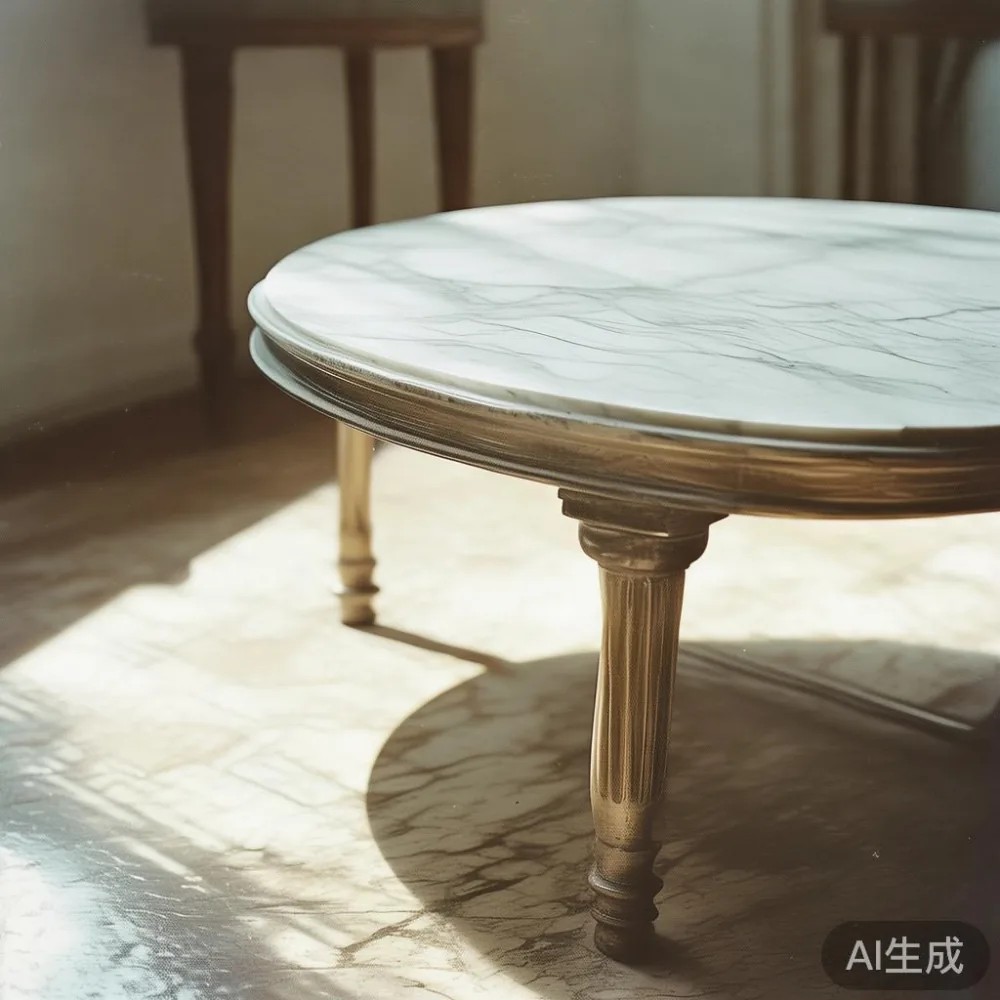
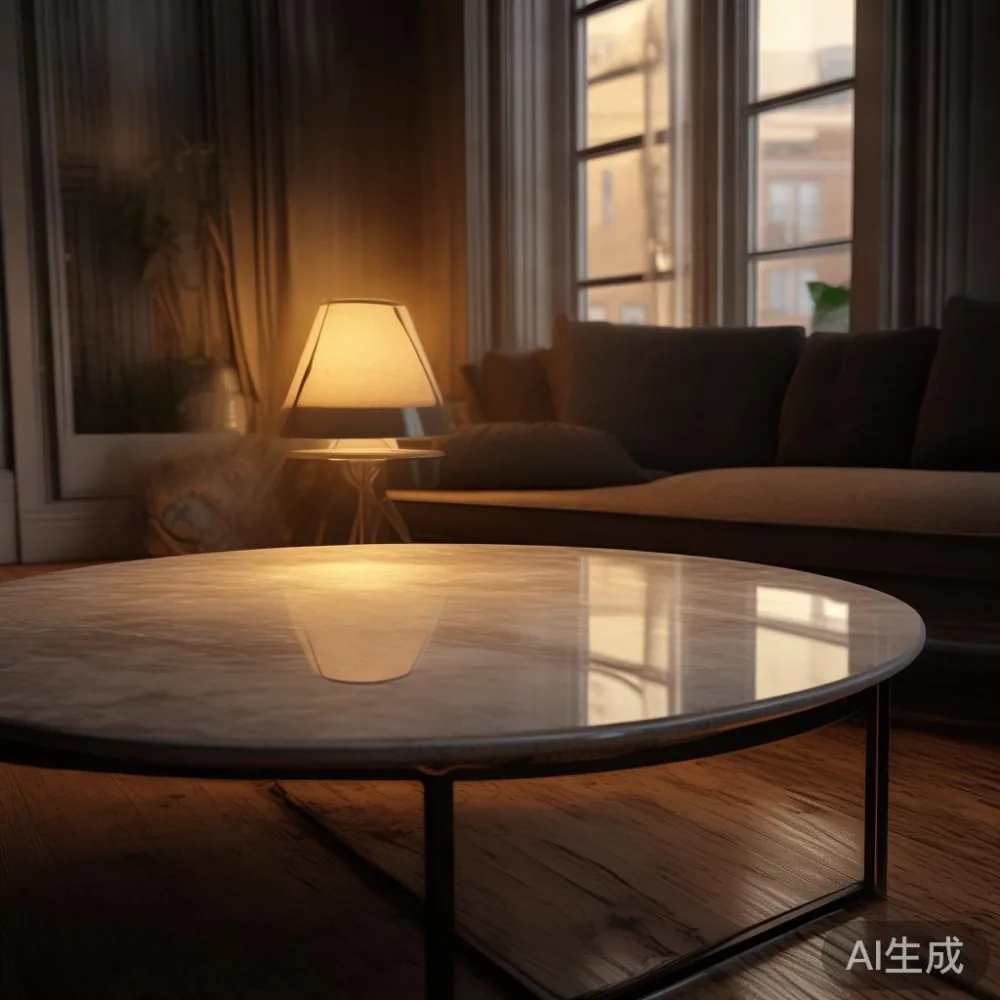
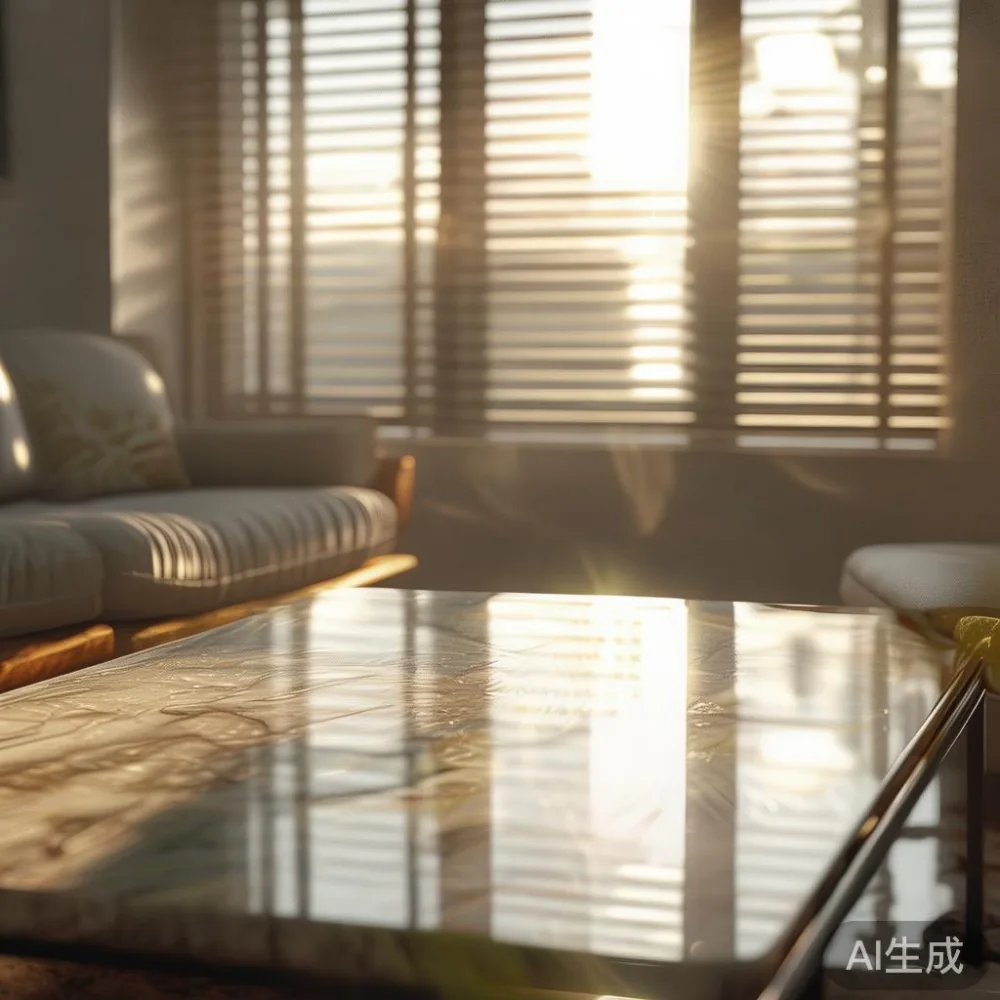
Light can expose uneven colour, so consistent finish across the top, edges, legs and underside requires careful sequencing. On a marble table, the stone slab, base, fixing method and protective treatment create another cost structure. A 120 cm marble table may be offered around SGD 1,500–3,800 depending on the stone type, thickness and base, while a larger 160 cm design with a substantial metal or timber support may reach SGD 4,000–7,500.
Natural marble varies in veining, tone and internal structure. Two slabs from the same nominal material can therefore have different commercial values. A 20 mm tabletop weighs roughly 65–75 kg per square metre, before the base; a 30 mm slab can weigh approximately 95–110 kg per square metre. That influences delivery, lifting and installation charges.
Hardware should be priced by function. A soft-close drawer system, better drawer runner or metal hinge can add SGD 60–250 per wardrobe or nightstand. Small improvements accumulate. A two-drawer nightstand may be SGD 380–650 with ordinary slides and SGD 520–900 with upgraded runners and a more detailed finish.
Curves and ornamentation also affect labour. A post-modern light luxury dining table with softened corners, sculpted supports and precisely aligned joints requires more sanding, templates and quality control than a rectilinear model. A straight-edged table may cost SGD 1,700; a comparable sculpted version may cost SGD 2,600 even if both use the same grade of timber.
What should I check before paying for delivery to a Singapore home?
Measure the route before ordering, not after delivery day. Ask for the packaged dimensions and total weight of the largest carton. A bed frame box might measure 165 cm by 28 cm by 22 cm and weigh 55–85 kg. A dining table package may be 170 cm long and 80–120 kg. These figures help determine whether the lift door, corridor and turning space can accommodate it.
For a condo, confirm the loading bay booking, floor, parking distance and lift reservation rules. A free delivery threshold in another currency does not mean free delivery in Singapore. Request the local delivery charge in SGD, including stairs and assembly where applicable. Typical charges might be SGD 80–180 for a normal HDB delivery, SGD 120–300 for a heavy dining table and SGD 250–600 for difficult access or upper-floor handling.
GST is another factor. Singapore’s standard GST is 9%, and the treatment shown on your quotation should be clear. Compare the tax-inclusive payable amount rather than the headline price. A dining table listed at SGD 2,200 before applicable tax becomes SGD 2,398 with 9% GST. Retail display prices in Singapore commonly include GST, while cross-border quotations may not.
Allow 7–14 delivery days for a ready Singapore order, and 21–45 days for some made-to-order or consolidated shipments. Longer production can reduce the risk of a rushed finish, but the supplier should provide a written dispatch window. For a wardrobe, add another 1–3 days for on-site assembly and alignment.
Return arrangements are equally important. MIDHILL provides 14-day returns, while its 10-year structural warranty covers the frame over the long term. A finish complaint, minor shade difference or stone variation is usually a different category from a structural failure, so read the terms rather than assuming all issues are treated alike.
How do I compare a marble table with a solid wood dining table?
A marble table and a solid wood dining table serve similar functions but have different working characteristics. Marble is hard, cool and visually prominent; it suits French light luxury or post-modern interiors where the stone becomes a focal point. It may be less forgiving of heavy knocks, and certain porous varieties need careful sealing.
Solid timber offers warmth, easier repair and a different tactile character. It can be refinished, which matters for scratches and colour changes. MIDHILL includes lifetime refinishing for qualifying solid wood pieces, a meaningful advantage for a dining table expected to remain in use for 15 years or more.
For daily family use in a Tampines or Punggol home, compare maintenance preferences as much as appearance. A 180 cm solid wood dining table may be SGD 2,000–4,200; a 180 cm marble table may be SGD 2,800–6,500. Marble may carry a higher material and weight cost, while the solid wood price can rise sharply when premium timber, thick edges or complex joinery are specified.
Consider clearance as well. A 200 cm table needs roughly 90–100 cm on each side for chairs and circulation. In a compact dining zone, a 140–160 cm table may be more practical. A 150 cm marble table with a slim pedestal base can improve legroom, but pedestal bases have their own stability requirements. Check the base material, fixings and stated load capacity.
How do style labels affect the price of a wardrobe, nightstand or sofa?
Style affects labour, component complexity and perceived demand. American light luxury often uses clean silhouettes, warm timber and restrained detailing, with pricing concentrated on material quality and comfort. French light luxury introduces curves, carved profiles and decorative hardware, which increase finishing time. Post-modern light luxury may combine contrasting shapes, precise edges and mixed materials, requiring tighter tolerances and more involved production.
When learning how to style French sofa in room, consider scale and visual balance before buying. A curving three-seat solid wood sofa around 220 cm wide can look too large in a 3.2 m by 3.6 m HDB living room. A 190–210 cm model may fit more comfortably. If the sofa is intended for a bedroom, the question of how to style French sofa in bedroom becomes more practical: check the door swing, bedside clearance and remaining walkway space.
For wardrobes, decorative fronts may hide a straightforward internal system, so request drawer and hanging dimensions. A 120 cm French-style wardrobe may include 2 hanging sections, 3 shelves and 1 drawer, with internal width around 114–116 cm. A nightstand should have a top large enough for a 28 cm cup, a power socket within 60 cm of the bed, and a drawer that opens without hitting the wall.
Design vocabulary can also be used to disguise budget. “Modern,” “European” and “luxury” are not manufacturing specifications. Ask for the timber species, finish, joinery, hardware model, moisture target, load rating and warranty in writing. Those 7 details usually tell you more than 3 style adjectives.
What questions should I ask a solid wood furniture supplier?
Ask for a bill of materials with actual dimensions. “Solid wood” should not remain the only specification. A dining table might use 25 mm oak tops, 70 mm legs, dowelled aprons and corner blocks. A bed frame should state the slat material and spacing, centre-support arrangement, wall fixing and maximum load. A wardrobe should state internal clear dimensions, drawer runners and hanging-rail capacity.
Then ask how service is handled. A 10-year structural warranty can be useful, but confirm which components it covers and how a claim is assessed. Clarify whether finish, stone and other supplied components are included, and what evidence is needed. A supplier established in 2008 with exports to more than 15 countries may have established processes, but the contract still needs to match the local purchase.
For a marble table, request information about slab thickness, natural variation, weight, fixing and protection during installation. For timber, request care guidance suited to Singapore humidity. For a solid wood sofa, ask how the cover can be removed, whether replacement cushions are available and how long typical lead time is.
Price is therefore not a single mystery number. Timber represents roughly 25–45% of a typical solid wood product’s cost; joinery, finishing and assembly may add another 20–35%; hardware, packaging and delivery account for much of the remainder, although the exact split changes by design. The most useful quotation is one that shows what the money buys, how the item will reach your home and which risks remain after delivery.
For direct specifications, sizes and current Singapore pricing, you can contact MIDHILL at midhillco@gmail.com. Compare quotations on the same basis: tax inclusion, exact dimensions, timber grade, finish, hardware, delivery days, assembly and warranty. That comparison will reveal whether one piece is genuinely more expensive or simply specified differently.