Pricing Factors in Solid Wood Furniture for Marble Tables
Solid wood furniture is often priced as if every piece shares the same formula: multiply the material cost by a factor, add a delivery charge, and apply a decorative finish. That shortcut misses the details that determine whether a dining table feels stable in a Tampines flat, whether a bed frame can pass through a lift, or whether a wardrobe remains useful after 8 years of humid weather. The real price is driven by timber, construction, dimensions, hardware, finish, logistics, and service—not simply by the word “solid.”
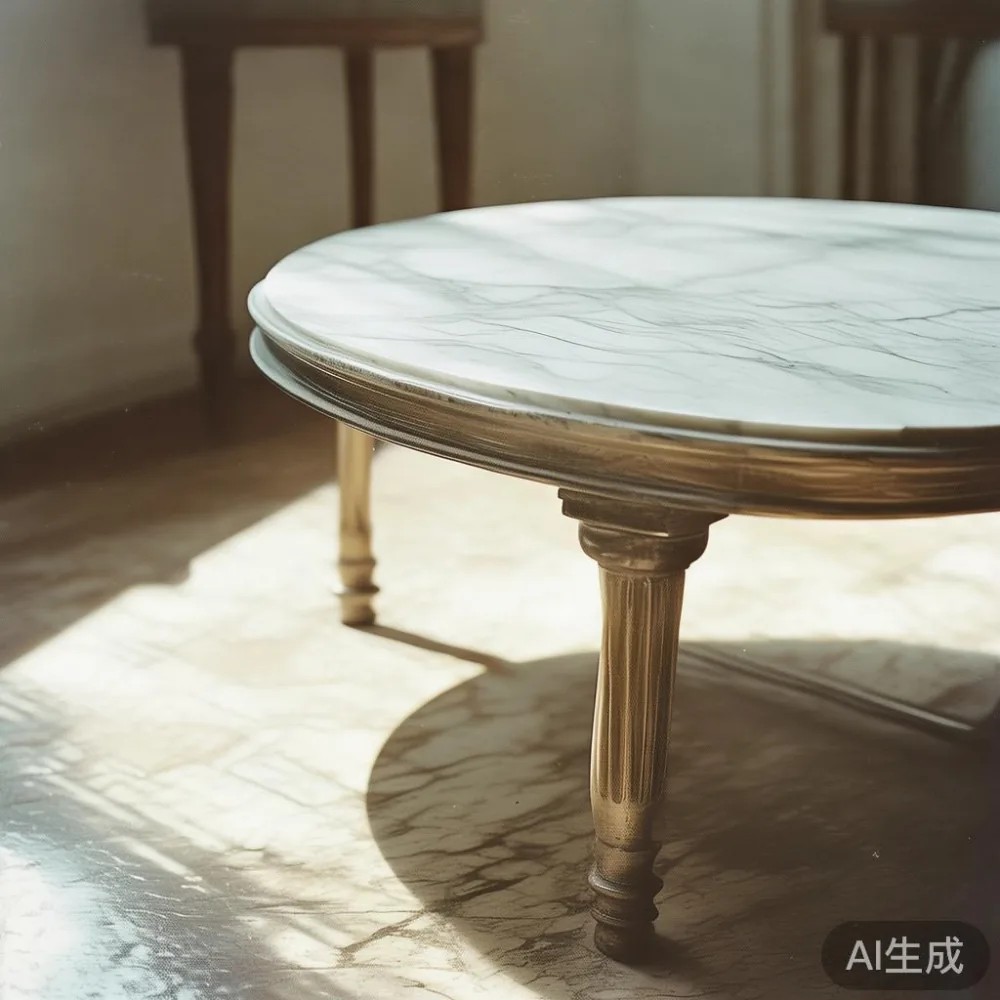
For Singapore buyers, those factors become easier to judge in Singapore dollars. A 180 cm dining table may sit comfortably in most HDB dining areas, while a 240 cm table can dictate the room layout. A 55 cm corridor turns a 65 cm wardrobe into a moving problem. A marble table may add prestige and stone-specific character, but its weight can exceed what a standard apartment lift was designed to carry comfortably. Understanding the breakdown helps buyers compare quotations with the same ruler.
Why does solid wood furniture cost more than engineered wood?
The first driver is the board itself. Solid timber uses a continuous section of wood, usually described by species, grade, thickness, and cut. Oak, ash, beech, teak, rubberwood, and walnut behave differently in price because of availability, grain, workability, and durability. A 25 mm solid oak top is not economically equivalent to a 16 mm veneered panel with an oak face. The former requires more raw material, selection, machining, and preparation for movement.
Grade matters too. In a dining table, “select grade” may mean carefully matched boards with fewer knots and more consistent colour. That reduces waste because a visual defect in one board does not spoil the full surface. A lower grade can still be structurally sound, but it may show knots, sapwood, colour variation, or repaired areas. Those are not automatically defects; they are simply different decisions about appearance and cost.
Joinery separates price from appearance. A solid wood sofa frame should be load-bearing, not just a decorative timber shell. A bed frame needs strong joints at the headboard, side rails, and centre support. A wardrobe must resist racking when doors are opened. Dowels, mortise-and-tenon joints, corner blocks, screws, and brackets each contribute to labour and performance. A cabinet that only looks solid may cost less, yet fail earlier.
Thickness should be checked at the product level rather than inferred from a photograph. Look for a 20–25 mm table top, a 30–50 mm apron where proportions require it, and solid rails and legs. A bed frame may use 140–180 mm side rails depending on the design. A nightstand may need a 15–20 mm top, a 12–15 mm carcass, and a drawer bottom stiff enough to carry documents. Exact dimensions vary by design, but unusually thin structural members deserve an explanation.
There is also a hidden cost in cutting. Finger joints and glued laminated components can make efficient use of shorter timber, while one-piece boards demand larger logs and more careful stock selection. Curved edges, tapered legs, hand-finished corners, and shaped drawer fronts require more machine time or craft work than square components. That labour sits inside the quotation.
How much should a solid wood dining table cost in Singapore?
Useful entry points are common, but specifications determine the answer. In Singapore, a straightforward solid wood dining table with a 140–180 cm top and a simple base may begin around SGD 900–1,600. A 180–220 cm table in selected hardwood with shaped legs, stronger aprons, and a harder-wearing finish may range from SGD 1,700–3,500. A more sculptural European light luxury dining table can exceed SGD 4,000 because of detailed joinery, premium timber, and complex finishing.
Do not compare only the top. Check the leaf construction, extension method, underside, support system, and total shipping weight. A 200 cm table that weighs 72 kg may require a two-person carry and careful lift booking. A 200 cm table weighing 48 kg may be easier to move, even if it looks less massive. Extension leaves should match the main top in thickness and finish, and hardware should be rated for repeated use over at least 10 years.
For local spaces, measure before selecting size. Allow roughly 90 cm of circulation behind each occupied chair and about 75 cm between the table edge and a wall in a compact dining zone. An open-plan condo kitchen may accommodate a 200–220 cm table, while a narrower HDB dining bay may suit 140–160 cm. Compact arms and corners can create more usable clearance than a smaller table placed in the wrong position.
One useful comparison is the question “under 2000 Coastal furniture” for a real budget. A light oak dining table with restrained coastal lines can fit below SGD 2,000 if the design is kept simple and the finish is standard. The same budget usually will not support a heavily carved European-style table made from expensive hardwood. The practical limit is not a brand promise; it is the combination of timber, dimensions, complexity, and finish included in the specification.
What makes a marble table different from a solid wood dining table?
A marble table is not a solid wood product, although both may appear in the same interior project. Its price is driven by the stone slab or tiles, base design, fabrication, and installation. Natural marble varies in pattern, so two tables with identical dimensions can differ in price if one requires more slab selection or cutting. Marble commonly weighs about 70 kg per square metre at 20 mm thickness. A 180 × 90 cm natural-stone top can therefore weigh roughly 115 kg, excluding the base.
That weight affects delivery days, labour, and building access. A standard HDB lift with internal dimensions around 100 × 120 cm may not suit a packaged stone top with protective corners. Long packaging can prevent the piece from turning through a corridor. MIDHILL should therefore be given the building’s lift width, lift depth, doorway measurements, landing turns, and floor number before a marble table is confirmed.
Stone fabrication also has real costs. A 20 mm top with a mitred edge and 40–60 mm thickness may require reinforcement. A thicker 30 mm slab weighs about 150 kg for the same 180 × 90 cm surface. Wall-mounting is not automatically simpler because the substrate, anchors, and load distribution must be engineered. A stone base may increase weight again, while a timber or metal base can reduce it.
Marble needs different care from timber. Acidic liquids, wine, coffee, and oily liquids can etch or stain porous varieties. It responds to temperature changes differently from wood and can chip at exposed edges if struck. Its advantages include a cool touch, a distinctive pattern, and strong visual presence. They do not erase the need for coasters, prompt wiping, and sensible handling.
When comparing a marble table with a solid wood dining table, compare the complete object. A walnut dining table weighing 58 kg, a stone table weighing 132 kg, and an engineered table weighing 31 kg offer different installation and maintenance profiles. Stone may be selected for the focal point of a living room; wood may be selected for warmth, repairability, and a warmer everyday feel.
How should I compare a solid wood bed frame?
A bed-frame quotation should identify the timber, slat spacing, centre support, joint method, and finish. A 150 × 200 cm queen-size frame may weigh from 35 kg for a simple model to more than 75 kg for a thick, carved, or high-end timber version. That difference influences delivery and assembly more than many buyers expect.
Support affects both price and comfort. Slats at roughly 5–8 cm centres can provide responsive support; wider gaps may allow a mattress to dip between them. A centre leg and cross brace improve stability, especially for slats, while a solid platform may suit some mattress types. The headboard should be fixed to the side rails through mechanical joints, not only adhesive.
Finish is another major variable. A standard matte coating may fit an uncomplicated brief. Smoked, fumed, wire-brushed, or deeply textured finishes need more preparation and may conceal or highlight grain differently. They should also be described accurately, because “dark oak” can refer to colour, fuming, staining, or a combination.
For buyers asking “is light luxury bed worth it,” the value appears in proportion, touch, and construction rather than excess ornament. A softly curved headboard, tapered legs, aligned grain, and stable slat system can create a light-luxury mood without making the frame difficult to clean. In a Punggol or Tampines bedroom, a queen frame with a 40–55 cm headboard may suit a 3.0 × 3.6 m room better than a large model with a 75 cm headboard.
The phrase “best Scandinavian bed for 2026” points toward restrained proportions, pale timber, and useful storage, but a useful specification is more dependable than a trend label. Buyers should ask for actual dimensions, drawer clearances, mattress compatibility, and the centre-support arrangement. A 30 cm bedside gap may hold a small table; a 40 cm gap may allow a drawer to open more fully.
What should I check before buying a solid wood sofa?
A solid wood sofa combines a timber frame with suspension, cushioning, upholstery, and assembly. The frame may use solid hardwood or mixed structural timber, so the material should be stated by component. Seat rails, corner blocks, and the rear frame should resist twisting. The sofa should also include labelled cushions for every seat and back, rather than loose foam filling that can shift.
Dimensions need to fit the lift and corridor as well as the living room. A three-seat sofa of 220 × 95 × 85 cm may weigh 55–80 kg and often arrive in 2–4 packages. A modular design can reduce package size, but more modules mean more connectors and assembly. Check whether the sofa can pass through a 90 cm doorway after unpacking and whether removable legs provide enough clearance beneath the frame.
The comparison “American sofa vs Nordic sofa” is useful because the labels often describe proportions and comfort styles rather than nationality. American light luxury often means a deeper seat, generous scale, layered cushions, and a substantial silhouette. Nordic references usually suggest cleaner lines, lighter timber, slimmer proportions, and restrained detailing. For an HDB flat, a compact American-style sofa may require more circulation space than a similarly priced Nordic sofa with a lower arm.
Price should be divided into measurable parts. A solid frame with a durable eight-way hand-tied or webbed suspension, resilient foam, and removable covers may justify a higher figure than a decorative timber base with basic cushions. Upholstery affects both cost and care: performance fabric may cost more but can handle frequent use; velvet changes appearance through pile direction and needs different maintenance.
Test the sofa in person where possible. Sit for 5 minutes, check whether the front edge compresses comfortably, and confirm that the back angle suits the room. Ask for the foam density and cushion specification in writing. “High-density foam” alone is too vague for comparison.
Why do wardrobes and nightstands show the widest price ranges?
A wardrobe combines volume, storage engineering, doors, hardware, interiors, and installation. A 180 cm-wide wardrobe with a 200–220 cm height and 55–60 cm depth can cost from about SGD 1,200 for a straightforward carcass to several thousand dollars for premium timber, detailed fronts, drawers, and internal fittings. The external volume alone does not explain the difference.
Internal systems carry meaningful costs. Soft-close hinges, full-extension runners, LED lighting, felt-lined drawers, mirror panels, and modular insert systems add parts and labour. A wardrobe with 6 doors requires alignment and often two people to install. Door swing can also conflict with a bed, while drawers may need 90–110 cm of open space when fully extended.
For HDB and condo moves, knock-down construction can reduce freight, but the saving should not compromise corner strength. Dovetail drawer boxes and solid drawer bottoms may distinguish a premium nightstand from a cheaper slab-sided one. A nightstand with a 45 × 40 cm top and one drawer can weigh 12–22 kg. Check its wall clearance: a corridor narrower than 70 cm may make a 50 cm nightstand awkward to carry past a bend.
Finish consistency across separate pieces is part of the value. Grain matching on a wardrobe’s doors and matching tone between a bed frame and nightstand require controlled finishing. Some variation is natural in solid wood, while excessive colour shifts between panels suggest an inconsistent process.
How much do delivery, GST, and after-sales service affect the price?
Delivery is not a minor line item for large furniture. Packing a 75 kg dining table for an overseas shipment, receiving it in Singapore, carrying it to a lift, and installing it inside an apartment can add hundreds of dollars in handling and labour. A straightforward kerbside delivery may take 7–14 days after production, while made-to-order or complex marble table orders may need 4–8 weeks plus delivery. These are planning ranges, not guaranteed dates; the quotation should state the production window and shipping schedule.
In Singapore, displayed consumer prices normally include GST when sold to consumers, but business quotations and freight terms should be checked. A buyer should still request an itemised invoice showing the product, finish, delivery, installation, and any access charges. For a furniture order above the stated US$350 free-shipping threshold, the promotional shipping terms apply as quoted at checkout; local handling, lift access, or installation may still be separate if the supplier treats them as additional services.
Warranty and refinishing can materially change lifetime cost. A 10-year structural warranty addresses long-term frame failures, but buyers should ask what evidence is needed, which components are covered, and how claims are assessed. Lifetime refinishing is more valuable when the business can explain its scope, process, and exclusions. A solid wood dining table may be refinished after 6 years; a marble table usually cannot be “refinished” in the same sense because it is stone.
MIDHILL was established in 2008 and exports to more than 15 countries. Those figures indicate production experience, but they do not replace a product-level checklist. Buyers should compare the timber specification, actual dimensions, tolerances, finish, hardware, packaging method, delivery terms, return window, and after-sales coverage. For MIDHILL purchases over US$350, the stated free-shipping offer reduces one cost variable, while the 14-day return policy gives buyers a defined period to assess suitability.
Last month I visited a Foshan workshop and watched a cabinet drawer being aligned. A craftsman checked the drawer against the carcass in under 2 minutes, then adjusted one hinge by less than 2 mm. The operation was quick, but it showed why a quotation cannot be reduced to board volume: accuracy between moving parts takes time. That same afternoon, a row of marble table tops was being checked for edge chips and pattern consistency before packing. The visible stone was relatively uniform; the concealed waste, grading, and reinforcement around the base explained much of the final cost.
Solid wood furniture prices are therefore a stack of decisions rather than a single number. Timber sets the material baseline. Joinery and dimensions determine strength and labour. Finish affects preparation and care. Hardware influences daily operation. Delivery depends on weight, packaging, and access. Warranty, returns, and refinishing affect ownership beyond the first purchase.
The most economical choice is rarely the one with the smallest printed price. It is the piece whose specification suits the room, can enter the building, can be maintained, and remains usable for 10 years or more. A 160 cm oak dining table with a clear finish may serve a compact HDB home more successfully than a 220 cm imported statement table delivered without the right lift plan. Measure first, compare like with like, and treat transparency in the quotation as part of the furniture’s value.