The Silent Enemy: How Humidity in Singapore Affects Your Marble Table and Solid Wood Furniture
Living in Singapore, with its year-round high humidity and temperatures that rarely dip below 25°C, presents a unique challenge for homeowners. The air is thick with moisture, a fact that is both a comfort and a constant threat to the integrity of our homes. For those who appreciate the craftsmanship and timeless beauty of solid wood furniture, this environment can feel like a silent enemy, slowly working to warp, crack, or damage pieces you've invested in. This is particularly true for a statement piece like a marble table, which often sits alongside wood components. Understanding this relationship between your furniture and the humid Singaporean air is the first step towards protecting your investment and ensuring your home remains a sanctuary of style and comfort.
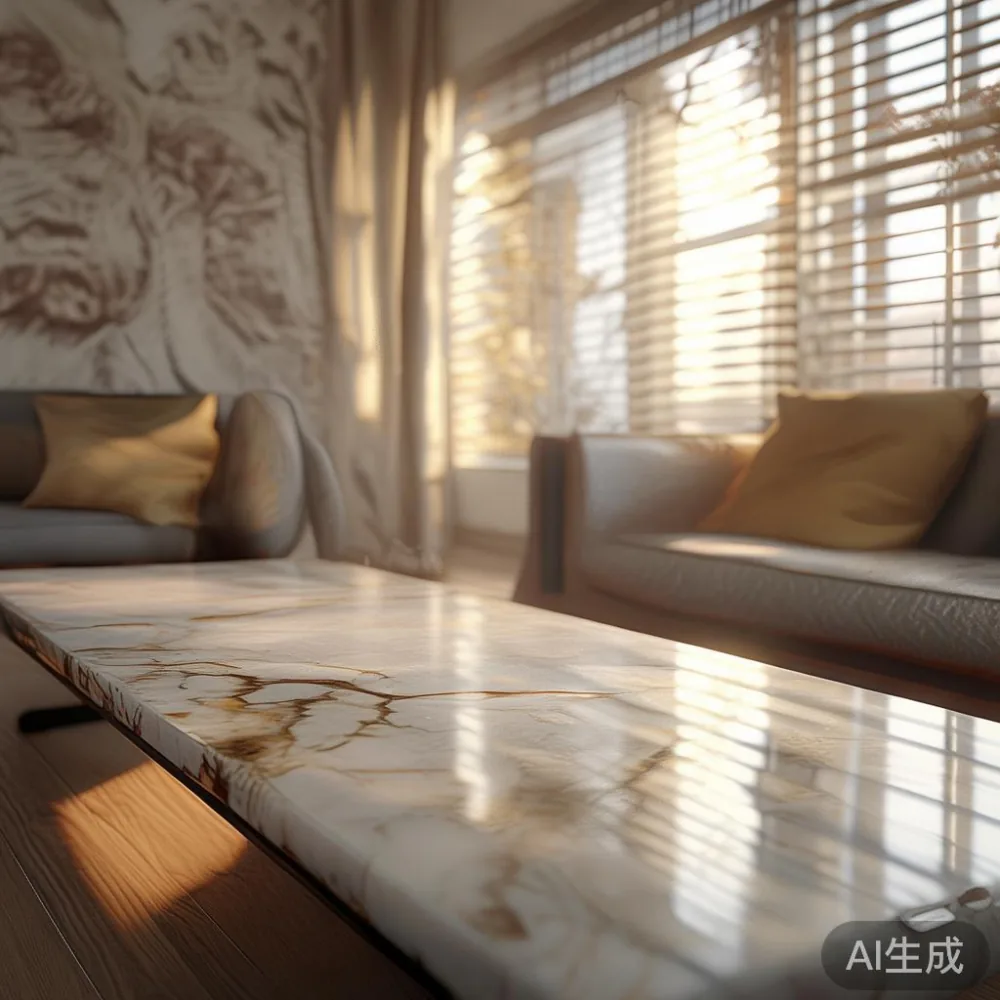
Understanding Singapore's Unique Humidity Profile
Singapore's climate is characterised by high relative humidity, which typically hovers between 70% and 90% throughout the year. This isn't just a number on a weather report; it's a physical presence you can feel. The moisture in the air is a constant, and its effects are most pronounced in our living spaces. For residents in HDB flats and condominiums, the problem can be amplified. A 4-room HDB flat in Tampines, for example, has an internal volume of approximately 120 cubic metres. The sheer amount of wood in such a home—from the dining table to the wardrobe and bed frame—creates a large surface area interacting with the humid air.
Condensation is a common issue. A cold marble table top in an air-conditioned room can cause the humid air to condense on its surface, creating water droplets. This moisture can then seep into the wood of the table's base or nearby furniture. My colleague, Sarah, who lives in a Bedok condo, experienced this firsthand. Last month, she visited a client's home and noticed severe warping on the legs of a solid wood dining table placed directly under an air-conditioning vent. The temperature difference between the cold air and the humid room had caused the wood to expand and contract rapidly, leading to permanent damage. This is a scenario many Singaporean furniture owners face, often without realising the cause.

How Humidity Directly Impacts Solid Wood Furniture
Wood is a hygroscopic material, meaning it naturally absorbs and releases moisture from the air. In Singapore's consistently high humidity, wood absorbs this moisture, causing its fibres to swell. This swelling can manifest in several ways. A solid wood sofa, for instance, might feel tighter or its cushions might seem firmer as the wood frame expands. More seriously, wood can warp, twist, or cup. A flat surface, like a table top, might develop a slight curve, with the edges rising while the centre dips. This is not just a cosmetic issue; it can affect the functionality of the piece and its structural integrity over time.
The opposite effect occurs when humidity drops, which can happen when the air-conditioning is running constantly. The wood then releases moisture, causing it to shrink and contract. This cycle of expansion and contraction puts immense stress on the joints of a piece. A wardrobe, for example, might develop gaps between its panels, or its doors might no longer close properly. The wood can also crack, especially at the ends of planks where the movement is most pronounced. A nightstand made from solid wood might develop fine cracks on its surface, a sign that the wood is under stress from the changing humidity levels in your bedroom.
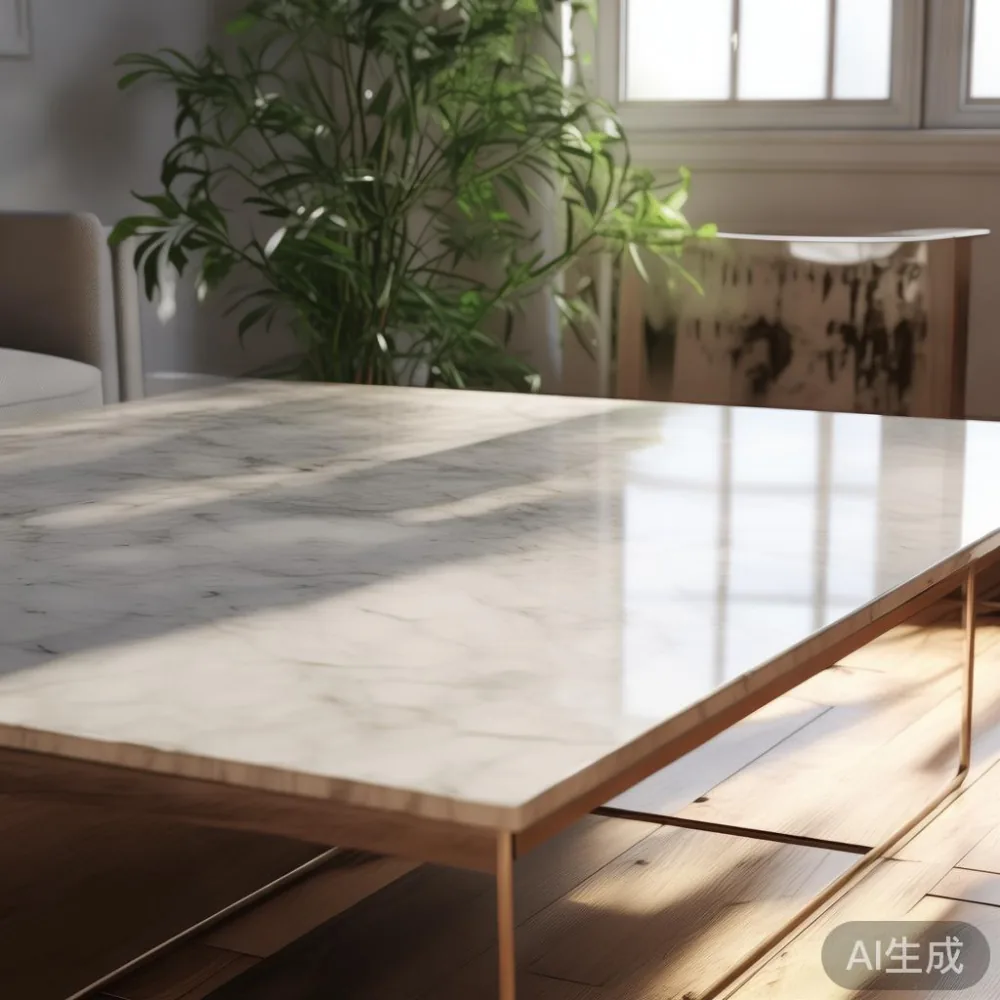
Protecting Your Investment: Practical Tips for Singaporean Homes
Protecting your furniture in Singapore's climate requires a proactive approach. The goal is not to eliminate humidity entirely, which is impossible, but to manage it effectively. Air-conditioning is your primary tool. Maintaining a consistent temperature between 23°C and 25°C helps to stabilise the wood. It's also wise to avoid placing furniture directly in front of air-conditioning vents, as the concentrated cold air can cause localised stress points. For those in Punggol's newer condominiums with large windows, be mindful of direct sunlight, which can heat one side of a piece of furniture unevenly, exacerbating the effects of humidity.
Using a dehumidifier in specific areas, like a walk-in wardrobe or a dedicated furniture storage room, can be beneficial, especially during the monsoon season. A good dehumidifier can extract around 20-30 litres of water from the air per day, significantly reducing the local humidity. For daily care, use a soft, dry cloth to wipe down your furniture, removing any condensation that has formed. Applying a high-quality furniture wax or polish creates a protective barrier that helps to seal the wood's surface, slowing down the rate of moisture absorption. This simple step can add years to the life of a dining table or bed frame.
What About Marble Tables? A Common Misconception
Many homeowners believe that a marble table is immune to humidity issues, but this is a misconception. While the marble slab itself is not hygroscopic like wood, the base of the table almost certainly is. A marble table is often a composite piece, with a stunning stone top supported by a solid wood or metal frame. It is this wooden base that is vulnerable to the same swelling, warping, and joint stress as any other wooden furniture. The heavy weight of the marble top can also place additional strain on a weakened wooden frame, potentially leading to a catastrophic failure over time.
Also, the porous nature of marble means it can absorb moisture and stains if not properly sealed. While water itself won't warp the stone, prolonged exposure can lead to discolouration or the formation of mildew on its surface. The real danger lies in the interaction between the marble and the wood. A warping wooden base can cause the marble top to become unstable, leading to cracks or chips. Therefore, caring for a marble table in Singapore means paying just as much attention to its wooden support structure as you would to any other piece of solid wood furniture in your home.
Can You Find Furniture That Can Withstand Singapore's Humidity?
Absolutely. The key is to look for high-quality, well-constructed furniture made from stable, durable woods. Hardwoods like teak, walnut, and oak are generally more resistant to warping than softer woods. However, the most critical factor is the construction. Furniture that uses techniques like mortise and tenon joints or dowel construction is far more durable than pieces held together with staples or simple screws. These strong interlocking joints can better withstand the natural movement of wood as it expands and contracts with humidity.
When selecting a piece, consider the finishing as well. A high-quality, multi-layered lacquer or varnish finish provides a superior moisture barrier compared to a simple oil or wax finish. Brands that understand the Singaporean market often build their reputation on this kind of durability. For example, a customer might ask, "I'm looking for a statement dining table for my HDB flat, but I'm worried about the humidity warping it over time. What should I look for in a quality piece?" The answer lies in the construction, the wood type, and the finish. A well-made marble table with a solid, solid wood frame and a protective lacquer is an excellent choice that can withstand the local climate for many years to come.
MIDHILL's Approach to Climate-Resistant Furniture
At MIDHILL, we understand the specific challenges of the Southeast Asian climate. Our furniture is crafted not just for beauty, but for longevity in these conditions. We select hardwoods known for their stability and use time-honored construction methods to create pieces that can gracefully endure the cycles of humidity. Our commitment to quality extends to our finishes, which are applied in multiple layers to create a durable shield for the wood. This ensures that a solid wood sofa or a dining table maintains its form and function, season after season, in a Singaporean home.
This dedication to quality is part of our light luxury positioning. We believe that luxury should be accessible and practical. A piece of furniture should be a source of joy, not anxiety. Our designs, which incorporate elements of French light luxury and post-modern light luxury, are built to be lived in. They are meant to complement the sophisticated interiors of Singaporean condominiums and HDB flats, from the compact layouts of a 2-room flat in Tampines to the more spacious designs in newer developments. When you choose a MIDHILL wardrobe or a marble table, you are choosing a piece of furniture that has been thoughtfully designed to thrive in your environment.