Singapore Entryways: Veneer vs. Solid Wood Cost-Effective Comparison
Choosing furniture for a Singapore HDB flat or condo is rarely a matter of appearance alone. A 180 cm dining table must clear a 90 cm corridor, a wardrobe must turn through a 110 cm lift, and a bed frame must survive humid East Coast conditions. Price matters, but so do cleaning time, repair risk and what happens when a finish wears after 5 years.
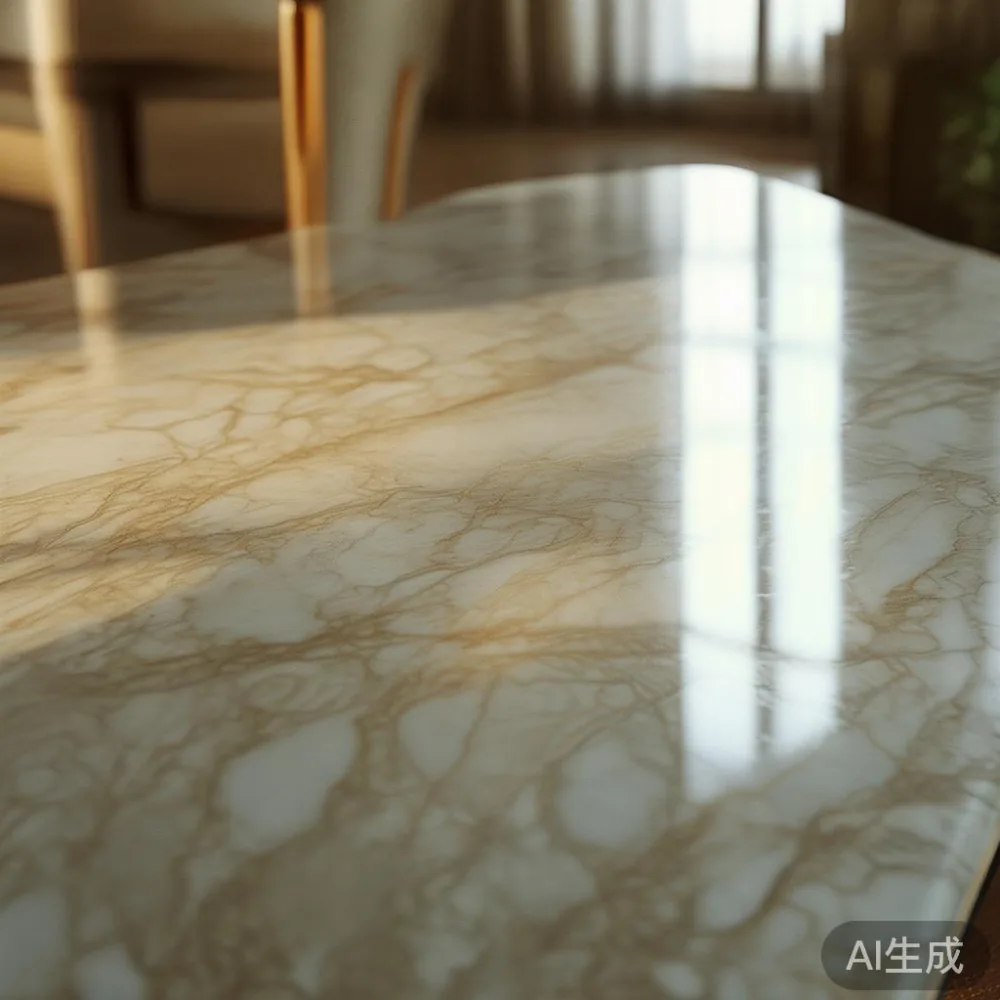
This comparison looks at veneer and solid wood across dining tables, bed frames, wardrobes and storage furniture. I also include marble tables because their cost profile is different: the structure may be solid wood, while the visible surface is natural stone. For context, figures use Singapore dollars and include GST where applicable.
MIDHILL is a Foshan solid wood furniture maker established in 2008, with exports to more than 15 countries, a 10-year structural warranty and lifetime refinishing. Its pricing and policies illustrate how a long-service product should be evaluated, although the examples below are not tied to one specific quotation.
What is the real 5-year cost difference between veneer and solid wood?
The real difference is not simply the purchase price. We should compare the furniture cost, delivery, installation, routine maintenance, one expected repair and the residual value after 60 months. A 5-year horizon also reveals where a lower-cost purchase can become more expensive.
For a representative dining table, I compared a 180 × 90 cm table at about SGD 1,240 for a veneered version and SGD 1,980 for a comparable solid wood model. Both figures include GST. The solid wood table weighs approximately 58 kg, compared with 46 kg for the veneer table. That difference affects delivery planning in a Bedok or Tampines HDB block: one person can usually manage the lighter table, while the solid wood version needs two people and a protected trolley.
Delivery within Singapore commonly takes 7–12 working days for in-stock pieces and 21–35 days for made-to-order furniture. A standard lift with internal dimensions of about 110 × 140 cm and a 90 cm door width may accept the table top in its shipping carton, but corners, handles and lift geometry still need checking. A corridor of only 90 cm means the table should not be treated as something to manoeuvre alone.
Here is the working 5-year budget for each dining table:
Veneer dining table: SGD 1,240 purchase price, SGD 80 delivery and carrying, SGD 90 routine care and supplies, SGD 120 for one likely repair, and a conservative SGD 250 depreciation allowance. The 60-month total is SGD 1,780.
Solid wood dining table: SGD 1,980 purchase price, SGD 140 delivery and carrying, SGD 130 care and refinishing allowance, SGD 60 for minor repair, and SGD 450 depreciation allowance. The 60-month total is SGD 2,760.
The solid wood table costs SGD 980 more over 5 years under this scenario. That extra amount buys a repairable structure and better long-term finish options. It does not guarantee that the table will look newer: sunlight near a Tampines condo window, air-conditioning vents and daily wiping all influence ageing. Veneer can still be sensible for a low-traffic apartment if the panel is stable and the customer accepts careful use.
How do veneer and solid wood age in Singapore humidity?
Singapore’s outdoor humidity often ranges from about 65% to 90%, with daily changes that affect furniture. Neither material is moisture-proof, but they fail differently. Veneer is a real wood layer, often 0.6–1.2 mm thick, bonded to a substrate. Its face can be visually convincing, yet edge lifting, bubbling or veneer peeling may develop if moisture reaches the adhesive line.
Solid wood expands and contracts across its grain. A dining table with a solid timber top around 20–25 mm thick can tolerate seasonal movement better, provided the design does not trap moisture against a wall. It may develop small surface marks, but those can often be sanded and refinished. This is why lifetime refinishing is more meaningful for a solid wood table than for a thin decorative veneer.
Last month I visited a family home in Punggol and inspected a solid wood bed frame that had moved between a master bedroom and a secondary room. The frame had been in the family for 6 years and had endured 2 humid monsoon seasons in its current flat. Small marks near the side rail were repairable with a 120-grit and 220-grit sanding sequence, followed by a thin clear coat. A matching veneer nightstand from another room had a split at its front corner; its decorative paper layer could not be restored to a continuous appearance without replacing the panel.
That visit did not prove one material lasts longer everywhere. It showed how repairability changes the ownership experience. For daily use, wipe a solid wood surface with a slightly damp cloth and dry it within 10 minutes. Avoid silicone sprays, alcohol-heavy cleaners and standing water. For veneer, use a pH-neutral cleaner and keep the edges dry.
Acclimatisation matters too. Uncrate furniture in the living room for 24–48 hours, remove protective film, and keep solid wood pieces at least 5 cm from exterior walls. In an HDB flat with a north-facing bedroom, arrange a bed frame to allow airflow behind the headboard rather than pushing it tightly into a corner.
What will maintenance and repairs cost over 60 months?
A useful 5-year comparison separates preventive maintenance from failure repair. For a dining table, budget about SGD 18–30 per year for solid wood care supplies and SGD 12–22 per year for veneer care. A small repair kit containing felt pads, wood cleaner and touch-up pens typically costs SGD 25–45.
Repair prices depend on access. Refinishing a 180 cm solid wood dining table top may cost SGD 280–520, while local repair of veneer edges can cost SGD 90–220 when the substrate remains sound. If a full veneer panel must be replaced, expect SGD 250–450 plus labour, depending on the matching material. Replacing a scratched solid wood nightstand top is usually more economical than replacing a marble table top, although marble repair has its own rules.
For wardrobes, the expensive area is usually the moving mechanism. Hinges, sliders and drawer hardware can add SGD 120–400 to a 60-month budget regardless of carcass material. Solid wood rails and shelves may be refinished, whereas damaged laminated or veneered panels can require replacement. This is particularly relevant if you are comparing how to style Japandi wardrobe in apartment interiors, where low-profile oak finishes and pale lines are popular but daily contact still occurs.
For bed frames, allocate SGD 15–40 per year for hinge lubrication and surface care. A queen bed frame generally needs a 3 m delivery corridor for easy turning, while lifts around 110 cm wide may require the headboard and side rails to be separated. Check the carton dimensions before booking the delivery crew.
Moving costs should also be counted. A local move between Singapore districts may cost SGD 180–350 for a dining table, SGD 120–250 for a bed frame and SGD 80–160 for a wardrobe, depending on stairs and disassembly. A heavier solid wood item often needs an extra mover or larger vehicle, adding SGD 40–120.
Is European wardrobe worth it for a condo or HDB flat?
The answer depends on the cabinet construction, available space and how often the wardrobe will be moved. A European wardrobe may use solid wood frames, plywood backs or engineered panels, so the label alone does not reveal the 5-year cost. For a condo with a walk-in dressing area, a custom 240 cm solid wood wardrobe may cost SGD 4,800–7,200 before installation. A comparable veneer or mixed-material system may cost SGD 3,100–5,100.
The is European wardrobe worth it question becomes clearer when you add usable storage. A 240 cm wardrobe with 6 hanging sections, 4 drawers and adjustable oak rails may retain more utility than a lower-cost unit with particleboard backing and 2 fixed shelves. Over 60 months, a budget replacement of moving parts could add SGD 350–700. A solid wood frame that can be refinished may justify a higher initial outlay in a frequently used bedroom.
Space and access are equally important. Standard lift doors in many HDB blocks are only about 80–90 cm wide. A 60 cm wardrobe carcass may enter easily, but fitted wardrobes with side panels, cornices and integrated handles need more room. Measure the lift door, lobby turns, corridor corners and bedroom skirting before ordering.
For Japanese-inspired rooms, light oak tones suit both HDB flats and newer Punggol condos. If you are working out how to style Japandi wardrobe in apartment spaces, keep the surrounding palette quiet: use 2–3 storage finishes rather than competing grain patterns, add closed lower drawers, and reserve open shelving for fewer items.
The fashion comparison can help with scale. A French bed vs French provincial bed choice often means clean upholstered forms versus carved details, but neither determines cabinet durability. Ask for frame material, drawer construction, hinge brand, back-panel thickness and warranty terms. For example, soft-close hinges rated for 80,000 cycles are more useful in a wardrobe than decorative carving alone.
Do marble tables change the cost comparison?
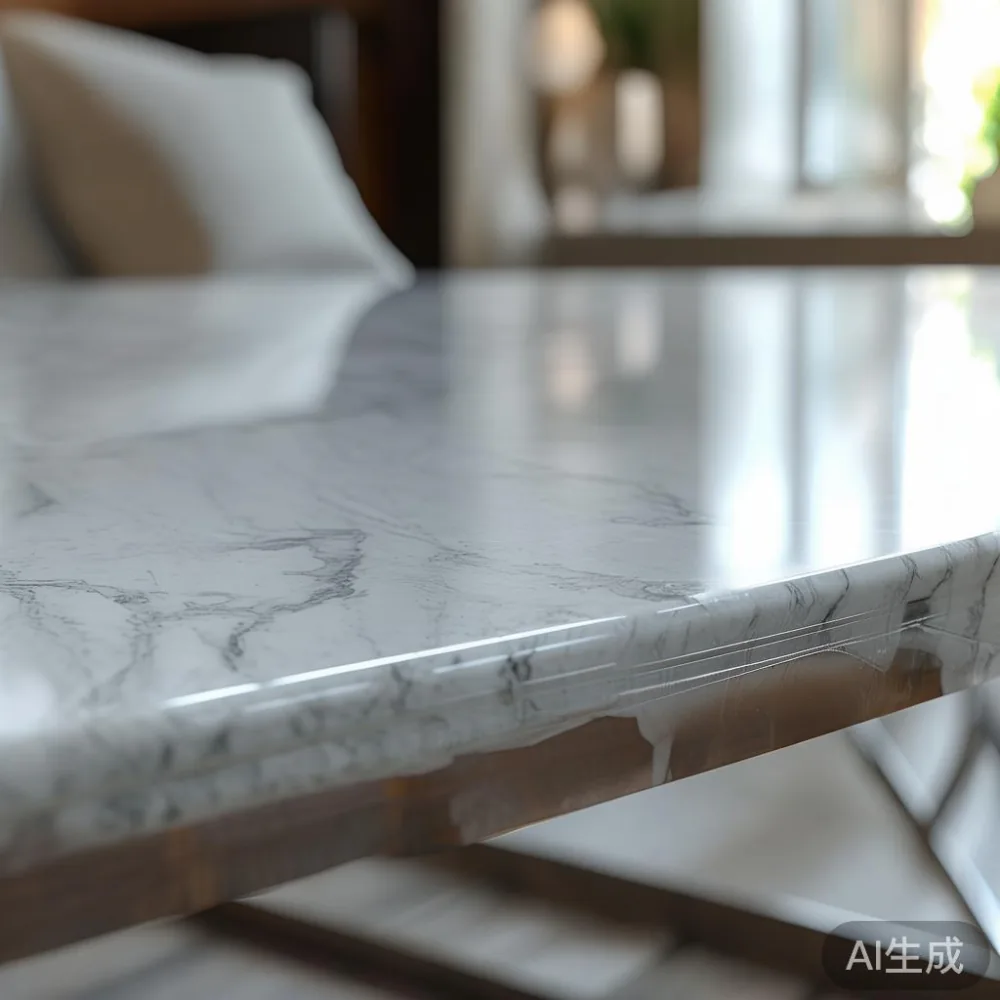
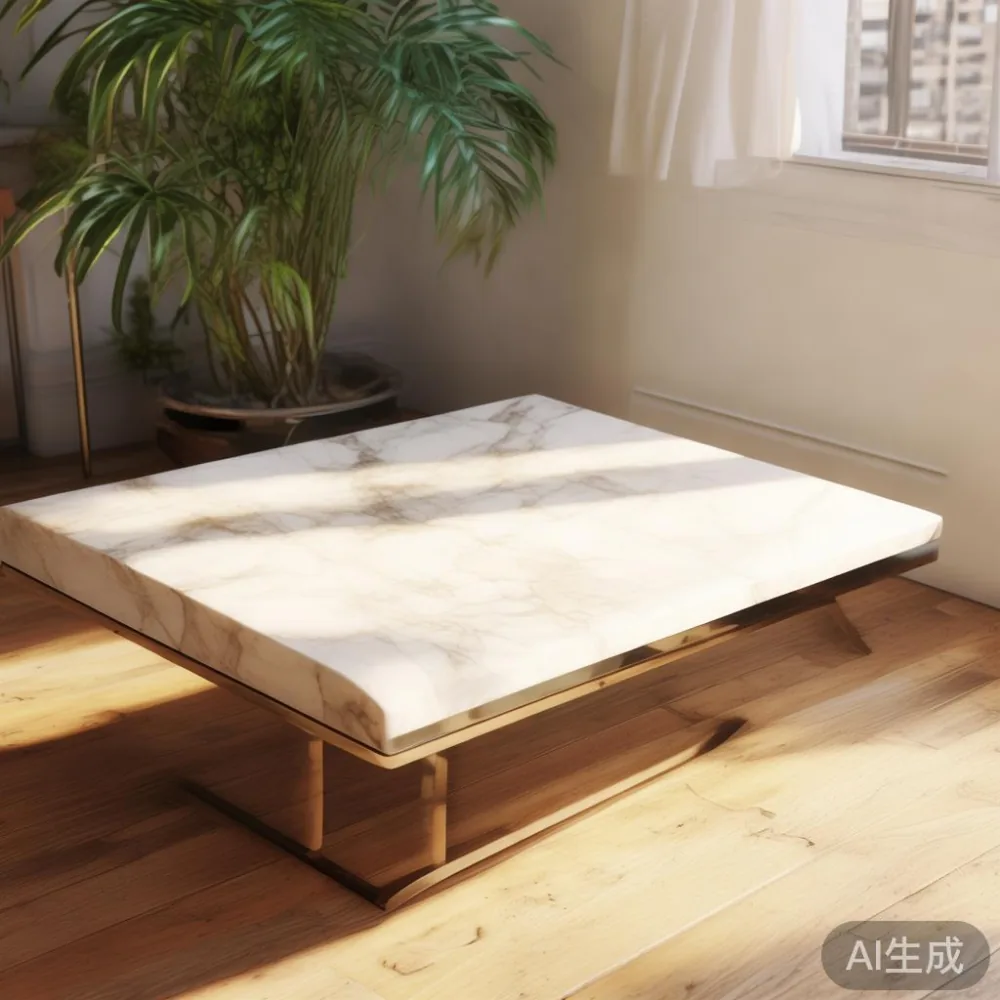
Yes. A marble table uses a stone surface over a supporting structure that may be solid wood, engineered wood or metal. The marble surface does not make the base solid wood, so compare each component separately. Natural stone also introduces weight, fragility during moving and a different maintenance routine.
A 120 cm round marble table may weigh 65–90 kg, while a 180 × 90 cm marble dining table can exceed 110 kg. It may need 3 people, lift booking and a route with fewer tight turns. A marble table fitted into a HDB dining area should have its final position measured before delivery. The stone can usually be lifted upright on edge, but it must not be carried by projecting handles or unsupported edges.
Typical Singapore retail pricing ranges from SGD 1,900 to SGD 5,800 for a marble dining table, depending on stone thickness, base design and fabrication. Over 5 years, add SGD 300–800 for professional cleaning, sealing or stain treatment, plus SGD 150–400 per incident for a chipped edge repair. A chip may be more noticeable than a small mark in solid wood, and a full replacement can be disproportionately expensive.
Against that, a properly maintained marble table can retain its visual character for decades. Use coasters, placemats and a stable temperature range. Wipe acidic liquids such as lemon juice or wine within 5 minutes. Do not use vinegar, abrasive powder or abrasive scouring pads. Check the protective sealer every 12 months rather than assuming the surface is permanently protected.
Marble also changes the design conversation. A pale marble table can create an American light luxury look with cream upholstery and brass-toned accents, or a French light luxury mood with curved chairs and muted textiles. For a compact Tampines flat, a 100–120 cm round top may preserve circulation better than a rectangular 180 cm table.
If you are considering a French provincial coffee table, note that carved wood and marble are not interchangeable. A timber coffee table can usually be sanded locally; a marble top with a crack or deep chip may need a stone specialist. Ask for the stone thickness, whether it is natural or engineered, how the top is fixed, and whether the supplier handles insurance during delivery.
What should a Singapore buyer ask before paying for furniture?
Ask for written details, not general assurances. For a solid wood sofa, solid wood bed frame, dining table or nightstand, request the species, finish type, dimensions, net weight and warranty coverage. “Solid wood” should identify the main structural components; some mixed products use solid timber frames with engineered panels for flat sections.
For a dining table, confirm the top thickness, extension mechanism, apron construction and tolerances. A 180 cm table should have at least 10 cm of clearance on each side in a dining zone, or roughly 90 cm per place setting. For a bed frame, test the movement of drawers and headboard fittings, and ensure the assembled width can pass the lift and corridor.
For a wardrobe, inspect drawer bottoms, corner joints, hanging rail fixings and the back panel. For a nightstand, check whether the drawer and carcass share the same material. These details influence 5-year cost more than an elaborate product name.
Delivery terms matter just as much. Confirm the expected delivery window in working days, lift-booking charges, corridor surcharges, assembly, and whether damaged packaging is photographed before the crew leaves. For midhill.co, the stated 10-year structural warranty and lifetime refinishing provide a useful reference for what long-term support can include. Check the individual product terms rather than assuming every component is covered for the same duration.
Singapore consumers should also confirm GST inclusion. On an SGD 1,980 item at 9% GST, tax is SGD 178.20 and the total is SGD 2,158.20. A seller quoting “before GST” can create a misleading gap of roughly SGD 100–700 across a furniture order.
Returns and after-sales care need clear dates. MIDHILL offers free shipping over US$350 and a 14-day return period, but international delivery terms differ from Singapore transactions. For local purchases, still check who pays return freight, whether assembled furniture qualifies, and how a return affects a promotional discount.
Which choice fits different Singapore homes?
A short-term rental, a 2-bedroom HDB flat and a larger condo create different cost equations. In a rented Tampines unit where furniture may be moved after 18 months, veneered dining tables and modular storage can reduce upfront and exit costs. In a family Bedok flat occupied for at least 5 years, a solid wood dining table or bed frame may be a more practical long-term choice, especially if it can be repaired rather than replaced.
For a Punggol condo with high ceilings and wide living rooms, solid wood pieces can support a post-modern light luxury composition without looking visually heavy. Pair a 200–240 cm solid wood dining table with a restrained ceiling light, 2 simple pendants and 6 upholstered chairs. The room should still feel calm, not overfilled.
If you are comparing how to style American sofa in bedroom arrangements, use a low-profile sofa, 2 side tables and layered lighting rather than adding every matching piece. The relevant furniture decision is whether the sofa base, frame and cushion covers can be serviced over time. A removable washable cover offers more practical value than a complex silhouette that is difficult to clean.
For a European light luxury TV console, use closed storage to conceal cables and one stone or solid wood surface for visual continuity. The phrase European light luxury TV console often implies a polished finish, but a 160 cm console still needs ventilation for a television and media equipment. Follow the equipment’s clearance requirements, usually at least 5–10 cm behind the unit, and keep drinks away from the top.
The most economical choice is not always the one with the lowest ticket. It is the piece that fits the room, can be delivered safely, suits the expected 5-year use and has repair paths when damage occurs. Veneer can work well under those conditions; solid wood can also work well; a marble table requires realistic planning for weight and specialist stone work. The decision is a balance of daily convenience, ownership duration and the cost of keeping the furniture useful, not a contest between two labels.